“Ultimate Guide to Ceanothus Blue Pacific - Californian Lilac: Care, Benefits, and Landscape Ideas”

Ceanothus Blue Pacific, commonly known as Californian Lilac, is a captivating perennial that enchants gardens with its vibrant blue blooms and aromatic foliage. This ultimate guide will delve into the essential care requirements for this resilient plant, ensuring it thrives in various landscapes. Discover the numerous benefits of incorporating Ceanothus into your garden, from attracting pollinators to its drought-resistant nature, making it a perfect choice for sustainable landscaping. Additionally, we’ll explore creative landscape ideas that showcase this stunning plant, offering inspiration to transform your outdoor space into a lush oasis. Join us as we explore everything you need to know about Ceanothus Blue Pacific.
Understanding Ceanothus Blue Pacific: The Californian Lilac
Ceanothus Blue Pacific, commonly known as the Californian lilac, is a stunning evergreen shrub that is cherished for its vibrant blue flowers and aromatic foliage. Native to California, this plant thrives in well-drained soils and is highly tolerant of drought, making it an excellent choice for sustainable landscaping in areas that experience dry conditions. The Blue Pacific variety is particularly admired for its compact size and ability to create a dense ground cover, providing a burst of color from late winter through early spring. Its low maintenance requirements further enhance its appeal, as it requires minimal watering and can thrive in poor soil conditions, making it a popular option for gardens in various climates.
Native Habitat and Characteristics
Ceanothus Blue Pacific is indigenous to the California region where it typically grows in coastal scrub areas. This plant is well-adapted to sunny environments and can tolerate the saline conditions often found near the coast. Its growth habit is low and spreading, usually reaching heights of 2 to 3 feet with a width of up to 6 feet, making it an ideal plant for ground cover or low hedges. The leaves are small, glossy, and rich green, providing a beautiful backdrop to the eye-catching blue flower clusters that bloom prolifically, attracting various types of pollinators.
Growing Conditions
For optimal growth, Ceanothus Blue Pacific prefers well-drained soil and full sun exposure, which allows it to achieve its full potential. It is important to avoid overly wet conditions as the plant is susceptible to root rot. When planting, it's best to incorporate a sharp sand or gravel to improve drainage and mimic the plant's natural habitat. Once established, it requires very little irrigation, making it a perfect choice for xeriscaping or water-wise gardens.
Maintenance and Care
Maintaining Ceanothus Blue Pacific is relatively simple due to its low water needs and natural resilience. Pruning can be done lightly after blooming to promote healthy growth and maintain the plant’s shape, although excessive pruning should be avoided to prevent stress. With its drought-resistant properties, the Californian lilac requires minimal fertilization, typically only needing nutrients in poor soil conditions. Regular deadheading of spent flowers can encourage additional blooming and keep the plant looking tidy.
Pest and Disease Resistance
Ceanothus Blue Pacific is generally resistant to many common pests and diseases, which makes it an appealing choice for gardeners who prefer low-maintenance plants. However, it can occasionally be susceptible to aphids or spider mites, particularly in dry conditions. Keeping the plant healthy through proper watering and ensuring good air circulation can prevent most issues. In rare cases, it may experience root rot if the soil does not drain adequately, highlighting the importance of good soil practices.
Landscape Uses and Benefits
In landscaping, Ceanothus Blue Pacific is valued for its versatility and aesthetic appeal. Its dense, spreading habit can be utilized as a ground cover or as a natural privacy screen, effectively blocking unwanted views and noise. Additionally, this plant can attract beneficial insects such as bees and butterflies, enhancing the biodiversity of the garden. Its beautiful blue flowers are not only visually striking but also provide a crucial food source for pollinators during the early spring when few other plants are in bloom.
| Aspect | Detail |
|---|---|
| Height | 2 to 3 feet |
| Width | Up to 6 feet |
| Flower Color | Vibrant blue |
| Sun Requirement | Full sun |
| Soil Type | Well-drained |
How big do Ceanothus blue pacific get?
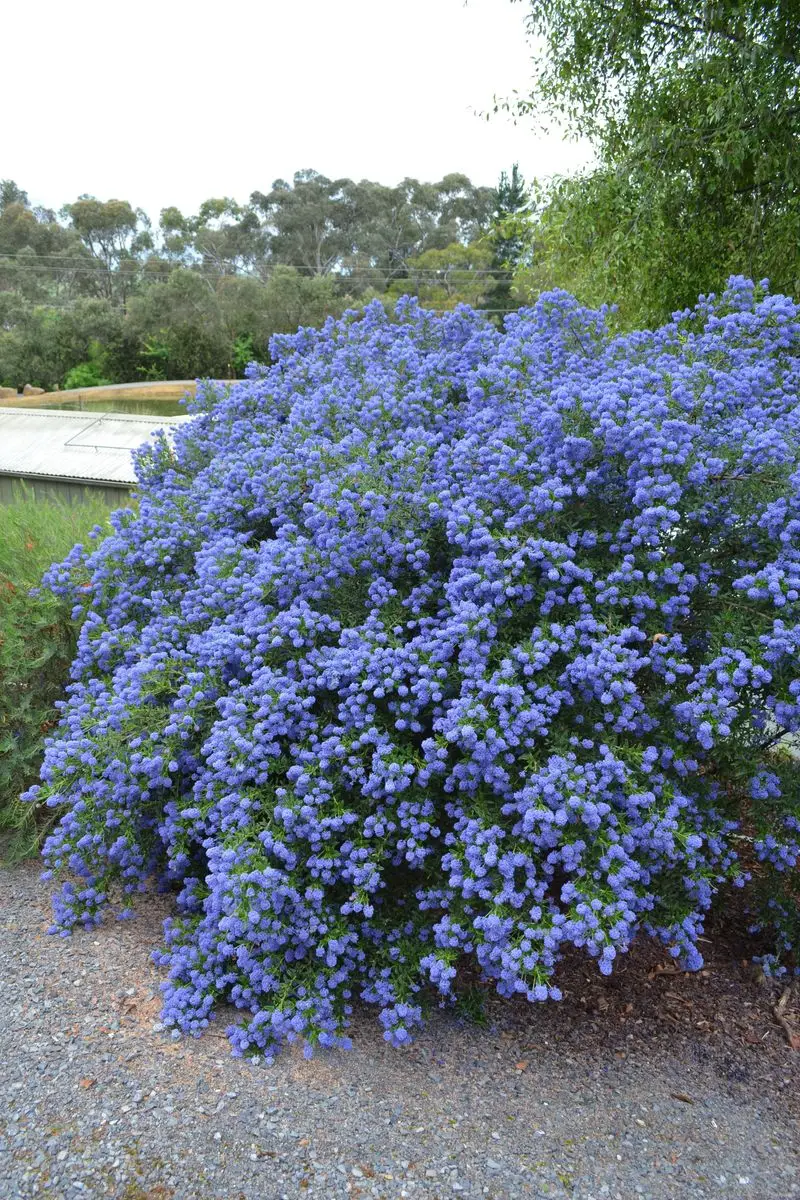
The Ceanothus blue pacific, commonly known as the Pacific blue ceanothus, is a popular choice among gardeners and landscapers due to its vibrant blue flowers and attractive foliage. This evergreen shrub typically reaches a height of 3 to 6 feet (about 0.9 to 1.8 meters) and can spread to a width of approximately 5 to 10 feet (about 1.5 to 3 meters). The size can vary based on factors such as soil quality, water availability, and specific growing conditions.
Growth Characteristics
The growth characteristics of Ceanothus blue pacific are an important aspect for gardeners to consider.
- Height: This plant can reach heights between 3 and 6 feet.
- Width: The shrub can spread 5 to 10 feet in width.
- Growth Rate: Ceanothus blue pacific is known for its relatively fast growth rate.
Environmental Considerations
Ceanothus blue pacific thrives under specific environmental conditions that affect its size and growth potential.
- Sunlight: Full sun exposure is ideal for maximizing growth and blooming.
- Soil Type: Well-drained soils are essential for healthy growth.
- Water Needs: Moderate water requirements are crucial, particularly at establishment.
Pruning and Maintenance
Proper pruning and maintenance can influence the size and shape of the Ceanothus blue pacific.
- Annual Pruning: Pruning in late winter promotes denser growth.
- Excess Growth Control: Reduces overcrowding to ensure adequate light and air circulation.
- Fertilization: Minimal fertilization is often needed, which helps maintain desired size.
Uses in Landscaping
The size and aesthetic appeal of Ceanothus blue pacific make it a versatile choice in various landscaping applications.
See also:
- Ground Cover: It can be used effectively as a ground cover due to its spreading habit.
- Hedge Formation: Frequently employed to create low hedges.
- Border Planting: Effective for borders due to its compact size and vibrant color.
Common Pests and Diseases
Understanding common pests and diseases that affect Ceanothus blue pacific can also help manage its growth and health.
- Powdery Mildew: Can occur in humid conditions affecting plant vigor.
- Spider Mites: A common pest that may stunt growth if not controlled.
- Root Rot: Often caused by overwatering and poor soil drainage.
Where is the best place to plant a California lilac tree?

To determine the best place to plant a California lilac tree (Ceanothus spp.), consider the following factors: sunlight, soil type, drainage, and climate. California lilac is known for its vibrant blue flowers and fragrant foliage, making it a popular choice for gardens in suitable environments.
Sunlight Requirements
California lilacs thrive in full sunlight, which means they require at least 6-8 hours of direct sunlight daily. When choosing a planting location, consider areas that receive ample light to support healthy growth.
- Choose south-facing spots that get maximum exposure to the sun.
- Avoid shaded areas caused by nearby trees or structures.
- Consider the sun's trajectory through different seasons to ensure adequate exposure year-round.
Soil Type
The soil type is crucial for the successful growth of a California lilac. They prefer well-draining soils that are slightly acidic to neutral.
- Test the soil pH to ensure it is within the range of 6.0 to 7.5.
- Avoid heavy clay or compacted soils that retain excess moisture.
- Amend the soil with sand or organic material to improve drainage if needed.
Drainage Characteristics
Proper drainage is critical, as California lilacs are susceptible to root rot if the soil is too wet.
- Choose a location that naturally drains well after rainfall.
- If your area has clay soils, consider planting on a slight elevation or mound.
- Implement mulching techniques to manage water retention effectively.
Climate Considerations
California lilac trees are best suited for Mediterranean climates, which offer warm, dry summers and mild, wet winters.
- Assess your local climate zone to ensure compatibility.
- Consider coastal areas with moderate temperatures for optimal growth.
- Ensure protection from cold winds that may damage the foliage.
Space and Placement
When planting, the spacing and placement of the tree are essential to prevent overcrowding and to allow for proper air circulation.
- Space the lilac tree at least 5-8 feet away from other plants and structures.
- Consider the mature size of the tree when selecting a location.
- Plan to have enough space for future growth and maintenance access.
How tall do Ceanothus lilacs grow in California?
:max_bytes(150000):strip_icc()/ceanothus-california-lilac-growing-guide-5212344-hero-f1b74ae0eaf047a98d101c3b7868bc8d.jpg)
Ceanothus lilacs, also known as California lilacs, are part of the Ceanothus genus, which includes a diverse range of flowering shrubs native to California. These plants vary significantly in their growth habits and sizes. In general, Ceanothus lilacs can grow between 1 to 20 feet tall, depending on the specific species and growing conditions.
Factors influencing their height include soil quality, water availability, and sunlight exposure. Some species are low-growing ground covers, while others are tall shrubs or even small trees. The varied heights of Ceanothus lilacs make them versatile choices for landscaping, serving both aesthetic and practical purposes.
Growth Conditions for Ceanothus Lilacs
The height of Ceanothus lilacs can be influenced by several environmental conditions. These factors include:
- Soil Type: Well-drained, sandy soils typically encourage more vigorous growth.
- Water Availability: Ceanothus lilacs prefer dry conditions and may become stunted in overly wet soils.
- Sunlight Exposure: Full sun is ideal for promoting maximum height and flowering.
Variability Among Different Species
Different species of Ceanothus lilacs exhibit varying growth patterns. Some notable differences include:
See also:
- C. thyrsiflorus: This species can reach heights of up to 10-15 feet and is known for its dense foliage and striking blue flowers.
- C. integerrimus: Typically growing between 5 and 15 feet, this species is adaptable and resilient to different conditions.
- C. maculatus: A shorter variety, this can grow only about 1-3 feet tall, making it suitable for ground cover.
Impact of Pruning on Growth Height
Pruning practices significantly influence the height and overall health of Ceanothus lilacs. Effects of pruning include:
- Encouraged Bushiness: Pruning can promote a bushier shape, which may alter the appearance without significantly increasing height.
- Controlled Growth: Regular pruning helps manage the plant’s size, making it suitable for smaller landscapes.
- Flower Production: Proper timing and technique can enhance flower abundance, even if height is not increased.
Considerations for Landscaping with Ceanothus
When using Ceanothus lilacs in landscaping, height is an essential consideration. Key aspects include:
- Space Requirements: Choose species based on available space; taller varieties need more room to thrive.
- Aesthetic Appeal: Height can influence design; taller plants may create focal points or serve as natural screens.
- Compatibility with Other Plants: Ensure that other plants chosen for the landscape can coexist in terms of light and water needs.
Native Habitat and Natural Growth Patterns
Understanding the native habitat of Ceanothus can inform how these plants grow in California. Important factors include:
- Natural Distribution: These plants are commonly found in coastal and mountainous regions of California, adapting well to local conditions.
- Resilience to Fire: Many Ceanothus species have evolved to thrive in fire-prone areas, contributing to their varied heights and regeneration patterns.
- Ecological Roles: They provide essential habitat and food sources for local wildlife, particularly pollinators.
Is Ceanothus the same as lilac?
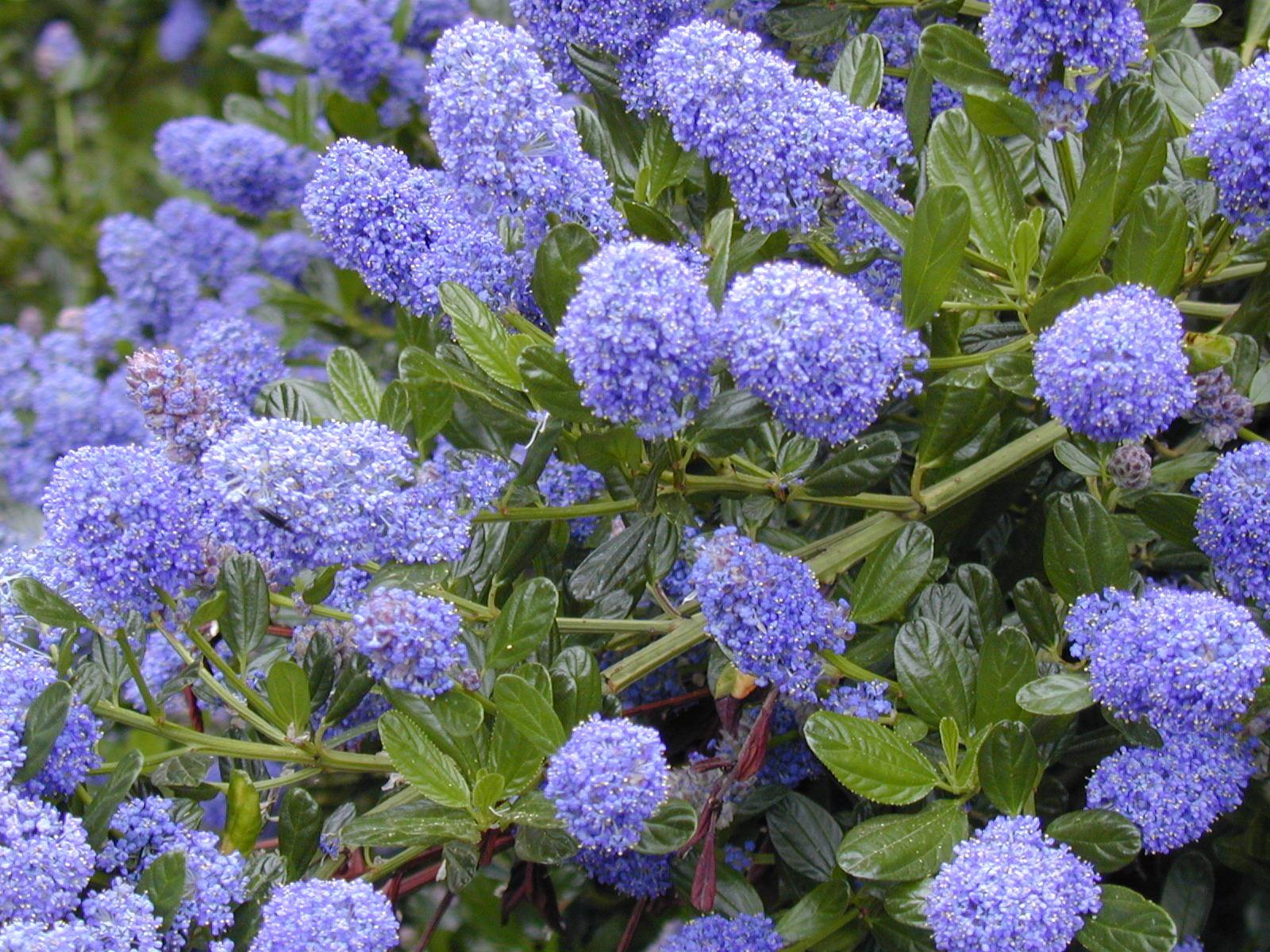
Ceanothus and lilacs are often confused, but they are not the same plant. Ceanothus, commonly known as California lilac, belongs to the family Rhamnaceae, while lilac (Syringa) is part of the Oleaceae family. These plants have distinct characteristics, growing conditions, and uses.
Differences in Botanical Classification
The botanical classification of Ceanothus and lilac shows clear distinctions:
- Family: Ceanothus belongs to the Rhamnaceae family, while lilac belongs to the Oleaceae family.
- Genus: Ceanothus is its own genus, whereas lilac is classified under the genus Syringa.
- Species: Over 50 species of Ceanothus exist, while many cultivated varieties of Syringa lilacs are available.
Characteristics of Ceanothus
Ceanothus has unique characteristics that set it apart from lilac:
- Flowers: Ceanothus flowers are typically small and clustered, appearing in shades of blue, purple, or white.
- Foliage: The leaves of Ceanothus are usually glossy and small, which helps them retain moisture in dry climates.
- Growth Habit: This plant can grow as a shrub or small tree, often reaching heights of 1 to 12 feet depending on the species.
Features of Lilac
Lilac plants have their own distinct features:
- Flowers: Lilacs are known for their fragrant, large flower clusters that bloom in shades of purple, pink, and white.
- Foliage: Lilac leaves are large and heart-shaped, providing a lush appearance when the plant is in full bloom.
- Growth Habit: Lilacs typically grow as deciduous shrubs, generally reaching heights between 5 to 15 feet.
Growing Conditions
The growing conditions suitable for Ceanothus and lilacs also vary:
- Ceanothus: Prefers well-draining soil, full sun, and is drought-tolerant once established, suitable for Mediterranean climates.
- Lilac: Thrives in loamy, fertile soil with good drainage, requiring more water and is best suited for temperate regions.
- Hardiness Zones: Ceanothus typically grows well in USDA zones 8 to 10, while lilacs are more cold-tolerant, flourishing in zones 3 to 7.
Uses in Landscaping
Both plants have unique uses in landscape design:
- Ceanothus: Often used for erosion control and in xeriscaping, providing ground cover and attracting pollinators.
- Lilac: Frequently planted for their fragrant blooms, often used as ornamental shrubs in gardens and parks.
- Ecological Benefits: Both plants support local wildlife; Ceanothus provides food for butterflies and birds, while lilacs attract various pollinators.
Questions from Our Readers
What are the ideal growing conditions for Ceanothus Blue Pacific?
The Ceanothus Blue Pacific thrives best in well-drained soil and requires full sunlight to flourish. This plant is drought-tolerant once established, making it ideal for xeriscaping or low-water gardens. Additionally, it prefers a slightly alkaline to neutral pH in the soil for optimal growth.
How often should I water my Ceanothus Blue Pacific?
Ceanothus Blue Pacific should be watered deeply but infrequently, typically once every two to three weeks during dry spells. It is important to allow the soil to dry out between waterings to prevent root rot, as this plant is highly adapted to dry conditions.
When does Ceanothus Blue Pacific bloom?
The blooming period for Ceanothus Blue Pacific generally occurs in spring, typically from April to June. During this time, the plant is covered in vibrant blue flowers that not only enhance its aesthetic appeal but also attract pollinators like bees and butterflies.
See also:
Is Ceanothus Blue Pacific suitable for coastal gardens?
Yes, Ceanothus Blue Pacific is particularly well-suited for coastal gardens due to its salt tolerance and ability to withstand strong winds. This makes it an excellent choice for landscapes near the ocean, where it can provide a stunning backdrop while requiring minimal maintenance.

If you want to read more articles like “Ultimate Guide to Ceanothus Blue Pacific - Californian Lilac: Care, Benefits, and Landscape Ideas”, we recommend you check out our Landscaping category.
Leave a Reply
Related Articles