How to Tell When Corn is Ready for Harvest: Essential Tips for Farmers
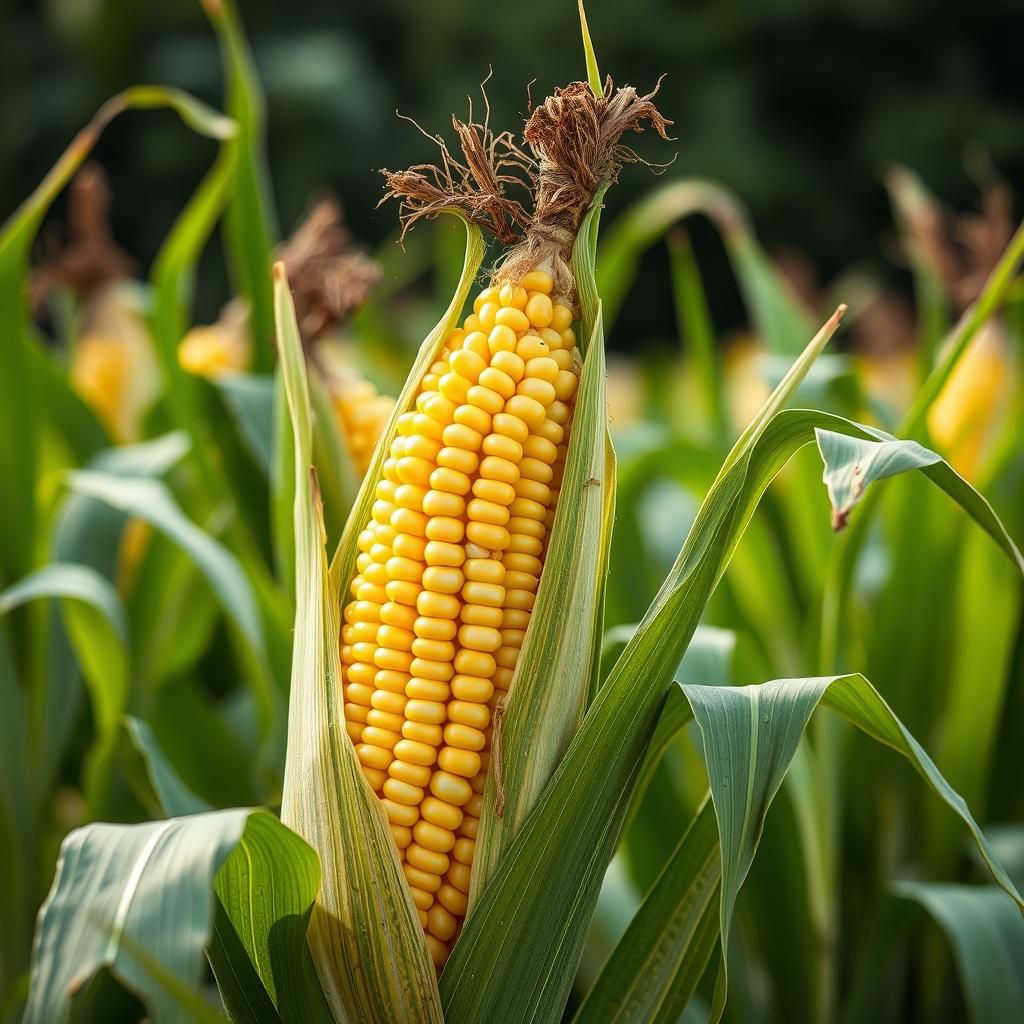
Harvesting corn at the right time is crucial for ensuring optimal yield and quality. Farmers must be able to identify the perfect moment when corn is ready to be harvested, as this can significantly impact both the quantity and flavor of the crop. This article provides essential tips on recognizing key indicators of corn maturity, including kernel firmness, moisture content, and the condition of the husks. By understanding these indicators, farmers can make informed decisions about when to harvest their corn, maximizing both productivity and profitability. Whether you are a seasoned farmer or a novice, these insights will guide you toward a successful harvest.
How to Determine When Corn is Ready for Harvest
To accurately assess when corn is ready for harvest, farmers should observe several key indicators. Primarily, the kernels should be fully developed and the husk should turn brown and dry, indicating maturity. Farmers often look for the milk stage, which is when the ears are filled with milky fluid, progressing to the dent stage, characterized by a noticeable indentation on the top of kernels. Additionally, checking the silks is vital; they should be brown and dry, signaling that the corn is nearing harvest time. A good rule of thumb is to evaluate corn for harvest approximately 20 days after kernels reach the dent stage, ensuring optimal sweetness and texture for consumption.
Kernel Development Stages
Corn development can be divided into several stages, each crucial for determining harvest time. The kernel development stages include the milk stage, where the interior is watery, followed by the dough stage as the starches begin to solidify. The dent stage follows, marked by a characteristic indention on the kernels. Understanding these stages is vital for assessing the ideal time to harvest, as it affects both yield and quality.
Checking the Husk
The husk surrounding the corn ear serves as a protective barrier and provides clues about maturity. A well-developed husk will transition from a bright green to a brown, dry appearance. A dry husk indicates that the corn is likely ready for harvest. Farmers should pull back the husk to visually inspect the kernels; if they appear plump and well-formed, this is another sign that the corn is ready for picking.
Evaluating the Silks
The silks of the corn ear are another excellent indicator of readiness for harvest. When the silks turn brown and dry, it signifies that the ear has matured and is likely ready for harvest. If the silks are still green and pliable, it may indicate that the corn has not fully matured. Farmers should gently tug on the silks; if they come off easily, the corn is generally ready to be harvested.
Moisture Content Measurement
Measuring the moisture content of the kernels can provide a precise indicator of harvest readiness. Ideally, corn should be harvested when the moisture content is between 15% to 20%. Using a moisture meter, farmers can take readings to ensure the kernels are not too wet, which could lead to spoilage, or too dry, which can affect the quality of the corn. Monitoring moisture levels helps in ensuring optimal storage conditions post-harvest.
Harvest Timing Relative to Weather
Farmers need to consider weather conditions when deciding on the right time for harvest. A late harvest due to unexpected rain can affect the quality and storage capability of corn. Ideally, harvest should take place when the weather is dry to reduce the moisture content of both the kernels and the husks. A window of fair weather after a period of dry conditions often coincides with the best time to start harvesting to maximize yield and minimize damage.
| Indicator | Significance |
|---|---|
| Kernel Indentation | Indicates the corn is at the dent stage and progressing towards maturity. |
| Dry Husk | Signals that the corn is fully matured and ready for harvesting. |
| Brown Silks | Indicates that the corn ears have reached maturity. |
| Moisture Content | Measuring between 15-20% moisture ensures optimal harvest timing. |
| Weather Conditions | Dry weather aids in preserving the quality of the corn during harvest. |
Signs of Maturity in Corn: Key Indicators for Timing the Harvest
Determining the right time to harvest corn involves careful observation of several key signs that indicate its maturity. One of the most telling indicators is the appearance of the kernels, which should be plump and firm, often exhibiting a milky texture when squeezed. Additionally, the husk should dry out and turn brown, while the silks at the top of the ear shrivel and turn brown as well. It's essential for farmers to monitor these signs closely, as harvesting too early can result in underdeveloped grains, while waiting too long may lead to shrinkage and quality degradation.
Kernel Texture and Appearance
The texture and appearance of the kernels are crucial for assessing corn readiness. Harvesting time should ideally coincide with kernels that are sufficiently plump and have a distinct milky stage, which indicates optimal moisture content. A simple squeeze test can help: when pressure is applied, a milky liquid should emerge if the corn is at the right stage for harvesting. Overripe kernels will become hard and dry, leading to potential loss of yield and quality.
Husk and Silk Condition
The condition of the husk and silks serves as another reliable indicator of corn maturity. A mature ear typically exhibits a dried, brown husk, signaling that the plant has completed its growth cycle. Additionally, the silks should also be brown and wilting, indicating that pollination has successfully occurred, and the kernels are developing. Monitoring these signs closely helps farmers decide the best time to initiate the harvesting process.
Mature Ear Shape and Size
Another important factor to consider is the shape and size of the ears of corn. Mature ears will develop a defined, full shape with sufficient size corresponding to the planting variety. Farmers should regularly check their crop and compare individual ears to those on the same cob. If the ears seem underveloped or smaller than anticipated, this may indicate that they need additional time on the plant before harvesting.
Field Conditions and Weather Considerations
Understanding the field conditions and the weather can significantly impact the timing of harvest. Wet or humid conditions may delay harvesting as high moisture can lead to mold or fungal diseases. Conversely, extremely dry conditions can cause kernels to lose moisture rapidly, which may affect grain storage. Therefore, it's essential for farmers to keep a close eye on both field conditions and daily weather patterns, adjusting their harvest plans accordingly.
Moisture Content Testing
Finally, conducting moisture content testing is vital to determine the precise moment for harvesting corn. Ideally, the moisture level should be around 15-20% for optimal grain storage. Farmers can use a moisture meter to evaluate the moisture level of harvested kernels, ensuring they reach a desirable range to prevent spoilage. By monitoring moisture content, farmers can make informed decisions regarding the timing and conditions of harvest.
Questions from Our Readers
How can I tell if corn is ready to be harvested?
To determine if corn is ready for harvest, check the silks on the ears; they should be brown and dry. The kernels should be plump and juicy when you squeeze them gently. Additionally, look for the husk, which should be green and tightly wrapped around the ear. If the ear feels firm and the kernels are dented, it is likely ready for harvest.
What is the ideal moisture content for harvesting corn?
The ideal moisture content for harvesting corn typically ranges between 15% to 20%. If the moisture content is too high, the kernels may spoil during storage, while harvesting too dry can lead to shrinkage and loss of weight. Use a moisture meter to ensure your corn is within this optimal range.
When is the best time of day to harvest corn?
The best time to harvest corn is usually in the morning after the dew has evaporated but before the sun reaches its peak intensity. This helps maintain the moisture content of the kernels and makes them easier to handle. Avoid harvesting during the heat of the day as it can stress the plants and lead to increased damage.
Can I harvest corn too early?
Yes, harvesting corn too early can lead to underdeveloped kernels and lower yield quality. Early harvesting can result in kernels that are not fully matured, affecting their taste and texture. It is crucial to monitor the silks and kernels to ensure they are at the right stage for maximum quality before harvesting.

If you want to read more articles like How to Tell When Corn is Ready for Harvest: Essential Tips for Farmers, we recommend you check out our Seeds category.
Leave a Reply
Related Articles