Unlocking the Secrets: The Best Soil Preparation for Vegetable Garden Success

Soil preparation is a critical step in establishing a thriving vegetable garden. The right foundation not only enhances plant growth but also maximizes yields and sustains the health of your garden ecosystem. In this article, we will delve into the essential techniques for unlocking the secrets of effective soil preparation. From understanding soil types and improving drainage to incorporating organic matter and nutrients, we will guide you through the process of transforming your garden bed into a fertile oasis. Join us as we explore the best practices to ensure your vegetable garden thrives and produces bountiful harvests.
- Effective Soil Preparation Techniques for a Vegetable Garden
- What is the best way to prepare soil for a vegetable garden?
- What is the best soil preparation for vegetables?
- What is the best soil mixture for a vegetable garden?
- How do I make the best soil for my vegetable garden?
- Questions from Our Readers
Effective Soil Preparation Techniques for a Vegetable Garden
Preparing the soil effectively is crucial for establishing a thriving vegetable garden, as it lays the foundation for healthy plant growth. Start by testing the soil's pH level to determine its acidity or alkalinity, which affects nutrient availability. Depending on the results, you may need to amend the soil by adding lime to raise the pH or sulfur to lower it. Additionally, incorporating organic materials such as compost or well-rotted manure will enhance soil structure, improve drainage, and enrich the nutrient content. Turn the soil to a depth of at least 12 inches to aerate it and remove any debris or weeds that could compete with your vegetables. This comprehensive approach ensures that the soil is not only enriched but also provides an optimal environment for your crops to flourish.
Understanding Soil pH Levels
Soil pH is a critical factor that influences plant health and growth. Most vegetables thrive in a pH range of 6.0 to 7.5, which is considered slightly acidic to neutral. When testing your soil, use a reliable soil test kit or send samples to a lab for accurate results. Based on the findings, you can amend your soil accordingly. For instance, if the pH is too low, adding lime can help raise it gradually, while if it’s too high, using sulfur can help lower it. Maintaining the right pH level ensures that nutrients are readily available for your vegetable plants.
The Importance of Organic Matter
Incorporating organic matter is essential for building healthy soil and creating a productive vegetable garden. Materials such as compost, peat moss, and well-rotted manure improve soil structure, enhance moisture retention, and promote beneficial microbial activity. These amendments add vital nutrients and help facilitate better drainage, creating an optimal environment for root development. Aim to mix in at least 25% organic matter into your soil for the best results. This not only boosts fertility but also encourages a thriving ecosystem within the soil, which can lead to healthier and more robust vegetable plants.
Proper Soil Aeration Techniques
Soil aeration is vital for the health of your vegetable garden, as it allows air, water, and nutrients to penetrate the soil. To achieve proper aeration, turn the soil to a depth of at least 12 inches using a shovel or garden fork. Avoid compacting the soil, as this can hinder root growth and water drainage, leading to poor plant health. Incorporating organic matter also aids in maintaining soil structure and reducing compaction. Regular aeration practices can significantly improve root access to oxygen and nutrients, resulting in more vigorous vegetable crops.
Weed Management Strategies
Effective weed management is crucial to ensure that your vegetable garden thrives without competition for resources. Before planting, clear the area of weeds by removing them manually or using a hoe. Consider applying a layer of mulch after planting, which helps suppress weed growth, retain moisture, and regulate soil temperature. Additionally, using a landscape fabric can provide an effective barrier against weeds while still permitting moisture and nutrients to reach your plants. Regular monitoring and prompt removal of any emerging weeds will help maintain a healthy growing environment for your vegetables.
Table of Essential Soil Preparation Steps
| Preparation Step | Description |
|---|---|
| Test Soil pH | Use a soil test kit to determine acidity or alkalinity and amend as necessary. |
| Add Organic Matter | Mix in at least 25% compost or well-rotted manure to enrich soil. |
| Aerate Soil | Turn the soil to a depth of 12 inches to improve aeration and drainage. |
| Weed Removal | Remove all weeds manually before planting and use mulch for suppression. |
| Regular Maintenance | Monitor weeds and soil condition throughout the growing season to optimize plant health. |
What is the best way to prepare soil for a vegetable garden?

To prepare soil for a vegetable garden effectively, it’s essential to follow a series of structured steps that ensure your soil is ideal for planting. Here’s a detailed guide on how to achieve this:
Assessing Soil Quality
Evaluating the existing soil quality is the first step in preparing your garden area. Knowing the current condition helps you determine what amendments or adjustments are necessary for your vegetable garden. Key factors include:
- Soil Texture: Understanding whether your soil is sandy, clayey, or loamy.
- Soil pH: Testing the pH level to ensure it is within the optimal range (6.0 to 7.5) for most vegetables.
- Nutrient Status: Analyzing nutrient levels, such as nitrogen, phosphorus, and potassium, which are vital for plant growth.
Clearing the Area
Once the soil quality is assessed, you'll need to clear the area of any weeds, debris, or old plant material. This step is crucial to prevent competition for nutrients and to minimize pests. Key actions include:
- Remove Weeds: Pull out or use a hoe to eliminate them completely.
- Clear Debris: Gather rocks, sticks, and remnants of previous crops.
- Consider Soil Structure: Ensure the soil is not compacted, as this can hinder root growth.
Amending the Soil
Improving your soil's quality typically requires adding organic matter and other amendments. Proper amendments can enrich the soil with nutrients and enhance its structure. Recommended amendments include:
- Compost: Incorporate well-rotted compost to enhance soil fertility.
- Manure: Use aged animal manure to provide essential nutrients.
- Mulch: Adding mulch can protect topsoil, retain moisture, and suppress weeds.
Tilling the Soil
After amending, tiling is necessary to mix the organic material thoroughly into the existing soil. Tilling improves aeration and drainage, both of which are crucial for healthy plant growth. Here's what to consider:
See also:
- Tools: Use a garden fork, rototiller, or garden spade for effective tilling.
- Depth: Aim to till at least 12 inches deep to promote root growth.
- Timing: Tilling should be done when soil is dry but not hardened from extended dry periods.
Establishing Drainage
Proper drainage is vital to prevent waterlogging and root rot in your vegetable garden. Ensuring your soil drains well can be achieved through various methods:
- Raised Beds: Construct raised beds to facilitate better drainage and warmer soil.
- Soil Amendments: Add sand or perlite to improve drainage in clay-heavy soils.
- Double Digging: This method involves digging deeper trenches to enhance drainage and aeration throughout the soil.
What is the best soil preparation for vegetables?
The best soil preparation for vegetables involves several key steps to ensure optimal growth and yield. This preparation creates a favorable environment for root development, nutrient absorption, and overall plant health. Here are the crucial aspects to consider:
Soil Testing
Soil testing is essential to understand the nutrient composition and pH levels of your garden soil. This process helps identify any deficiencies or toxicities that may affect plant growth.
- Conduct a soil sample test using a home kit or by sending it to a laboratory.
- Analyze results to check for N-P-K values (Nitrogen, Phosphorus, and Potassium) and pH levels.
- Adjust soil amendments based on test results to balance nutrient levels.
Choosing the Right Soil Amendments
Soil amendments help to improve soil structure, nutrient content, and moisture retention. Selecting the right amendments is crucial for successful vegetable growth.
- Incorporate organic matter like compost, aged manure, or worm castings to enhance soil fertility.
- Add perlite or vermiculite to improve drainage, especially in clay soils.
- Consider using lime or sulfur to adjust pH levels based on soil test results.
Double Digging Technique
Double digging is a method that enhances the structure of the soil by loosening it to a deeper level, promoting root penetration and access to nutrients.
- Remove the top 12 inches of soil and set it aside.
- Loosen the subsoil to a depth of another 12 inches using a spade or garden fork.
- Mix the topsoil back into the loosened subsoil along with organic amendments.
Mulching and Cover Crops
Mulching and cover crops contribute to soil health by improving moisture retention, reducing weeds, and adding nutrients when tilled back into the soil.
- Apply a layer of organic mulch (straw, wood chips, or shredded leaves) to suppress weeds and retain moisture.
- Plant cover crops (such as clover or vetch) in the offseason to fix nitrogen and improve soil structure.
- Incorporate cover crops into the soil before planting vegetables in spring to enhance soil fertility.
Proper Irrigation Practices
Effective irrigation techniques are essential for maintaining optimal soil moisture levels, which is vital for vegetable health.
- Utilize drip irrigation or soaker hoses to provide deep watering without wetting foliage, reducing disease risk.
- Monitor soil moisture regularly and adjust watering schedules based on weather conditions.
- Ensure proper drainage to prevent waterlogging, which can lead to root rot and other issues.
What is the best soil mixture for a vegetable garden?
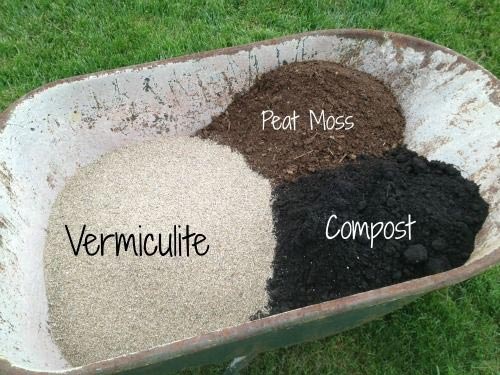
The best soil mixture for a vegetable garden is essential for promoting healthy plant growth and ensuring a bountiful harvest. A well-balanced soil mixture should consist of different components that provide nutrients, improve aeration, and enhance drainage. Here are key components to consider when creating an ideal soil mixture for vegetable gardening:
Components of the Ideal Soil Mixture
The best soil mixture generally consists of a combination of the following three primary components:
- Topsoil: This is the uppermost layer of soil, rich in organic matter and nutrients, providing a strong foundation for plants.
- Compost: Decomposed organic matter that enriches the soil with nutrients and improves soil structure, enhancing moisture retention.
- Pearlite or Vermiculite: These are lightweight minerals that improve aeration and drainage, preventing soil compaction and allowing roots to grow more effectively.
Ideal Ratio for Soil Mixture
An effective soil mixture typically follows a specific ratio to ensure optimal nutrient availability and soil structure. The common recommendation is as follows:
See also:
- 40% topsoil: This provides the bulk of the mineral content and essential nutrients for plant growth.
- 40% compost: This organic matter supports microbial life and ensures nutrient availability throughout the growing season.
- 20% perlite or vermiculite: This portion enhances drainage and aeration, which is essential for healthy root development.
Importance of pH Level
The pH level of soil plays a crucial role in nutrient availability for vegetable plants. The ideal pH range for most vegetables falls between 6.0 and 7.5. To ensure proper pH levels:
- Test the soil: Use a pH meter or a home testing kit to determine the current pH of your soil mixture.
- Adjust as needed: If your soil is too acidic, add agricultural lime; if too alkaline, incorporate sulfur to lower the pH.
- Re-test regularly: Keep monitoring the pH, especially after adding compost or other amendments.
Organic Amendments to Consider
In addition to the primary components, incorporating organic amendments can significantly enhance your soil mixture. Consider the following options:
- Bone meal: Provides phosphorus, which is critical for root development and flowering.
- Fish emulsion: A quick-release nitrogen source that encourages robust foliar growth.
- Kelp meal: Contains micronutrients and promotes overall plant health, increasing resilience to stress.
Soil Maintenance Practices
Once your vegetable garden is established, maintaining soil health is crucial. The following practices can sustain and enhance soil quality:
- Mulching: Apply organic mulch to retain moisture, suppress weeds, and gradually add organic matter to the soil as it decomposes.
- Crop rotation: Changing the types of crops planted each year prevents nutrient depletion and reduces pest accumulation.
- Regular composting: Continuously adding fresh compost ensures a steady supply of nutrients and maintains soil structure.
How do I make the best soil for my vegetable garden?

To create the best soil for your vegetable garden, it's essential to understand the components that contribute to healthy growing conditions. The ideal soil will provide adequate drainage, nutrient availability, and support for root systems. Here’s a comprehensive guide to achieving this.
Understanding Soil Types
Soil types play a significant role in how well your vegetables grow. The most common types include sandy, clay, and loamy soils, each with unique characteristics.
- Sandy Soil: Drains quickly but holds fewer nutrients. It warms up rapidly in spring but may require more frequent watering.
- Clay Soil: Retains moisture and nutrients well but can become compacted, hindering root growth. It may need amendments to improve drainage.
- Loamy Soil: A balanced mixture of sand, silt, and clay, making it ideal for most vegetables. It retains moisture while still allowing excess water to escape.
Amending Your Soil
Amending soil is crucial for enhancing its quality. Adding organic materials can improve nutrient content and soil structure.
- Compost: Incorporating well-aged compost provides essential nutrients and improves soil aeration.
- Organic Matter: Adding materials like leaf mold or aged manure enhances moisture retention and soil fertility.
- Perlite or Vermiculite: These can improve aeration and drainage in heavy soils, making it easier for roots to grow.
Testing Soil Quality
Before planting, it’s essential to test your soil to understand its pH and nutrient levels. This will help you tailor amendments effectively.
- pH Test: Most vegetables prefer a pH between 6.0 and 7.0. Test kits are available at garden centers.
- Nutrient Analysis: Evaluate levels of nitrogen, phosphorus, and potassium to determine any deficiencies.
- Soil Texture Test: Assessing the soil’s texture will inform you about its drainage and nutrient retention properties.
Crop Rotation and Cover Crops
Using crop rotation and cover crops can help maintain healthy soil by preventing nutrient depletion and reducing pest problems.
- Crop Rotation: Changing the types of vegetables planted each season helps replenish nutrients and disrupt pest cycles.
- Cover Crops: Growing crops like clover in the off-season can improve soil structure and add organic matter when tilled in.
- Mulching: Applying organic mulch suppresses weeds, retains moisture, and adds nutrient content as it breaks down.
Maintaining Soil Health
Consistent care is necessary to maintain healthy soil over time. Regular practices will keep your garden thriving season after season.
- Regular Testing: Continually test soil every few years to monitor nutrient levels and adjust as needed.
- Consistent Watering: Ensure consistent moisture levels without overwatering, which can affect soil structure.
- Adding Organic Amendments: Regularly add compost and other organic materials to keep the soil rich and supportive for plant growth.
Questions from Our Readers
What is the best soil type for a vegetable garden?
The best soil type for a vegetable garden is loamy soil, which is a balanced mix of sand, silt, and clay. This type of soil provides excellent drainage while retaining enough moisture and nutrients to support healthy plant growth. Additionally, it often has a rich organic matter content, which is vital for optimal vegetable production.
How can I improve my garden soil before planting?
To improve your garden soil before planting, consider adding organic matter such as compost or well-rotted manure. This practice enhances soil structure, increases moisture retention, and boosts nutrient content. Regularly testing soil pH and amending it with lime or sulfur can also ensure that conditions are ideal for vegetable growth.
See also:
Is it necessary to test my soil before planting vegetables?
Yes, it is highly advisable to test your soil before planting vegetables. Soil testing provides information about nutrient levels, pH, and possible contaminants, which can significantly impact plant health. Based on the results, you can make informed decisions about necessary amendments and fertilizers to create an ideal growing environment.
What should I do if my soil is too compacted?
If your soil is too compacted, you can amend it by aerating the soil, which involves using tools like a garden fork or an aerator to create small holes. Adding organic materials such as compost can also help to loosen the soil structure over time, improving aeration and drainage, ultimately promoting healthier root development for your vegetables.

If you want to read more articles like Unlocking the Secrets: The Best Soil Preparation for Vegetable Garden Success, we recommend you check out our Soil category.
Leave a Reply
Related Articles