Comprehensive Guide to Green Caterpillar Identification Australia: Tips and Techniques for Accurate Identification
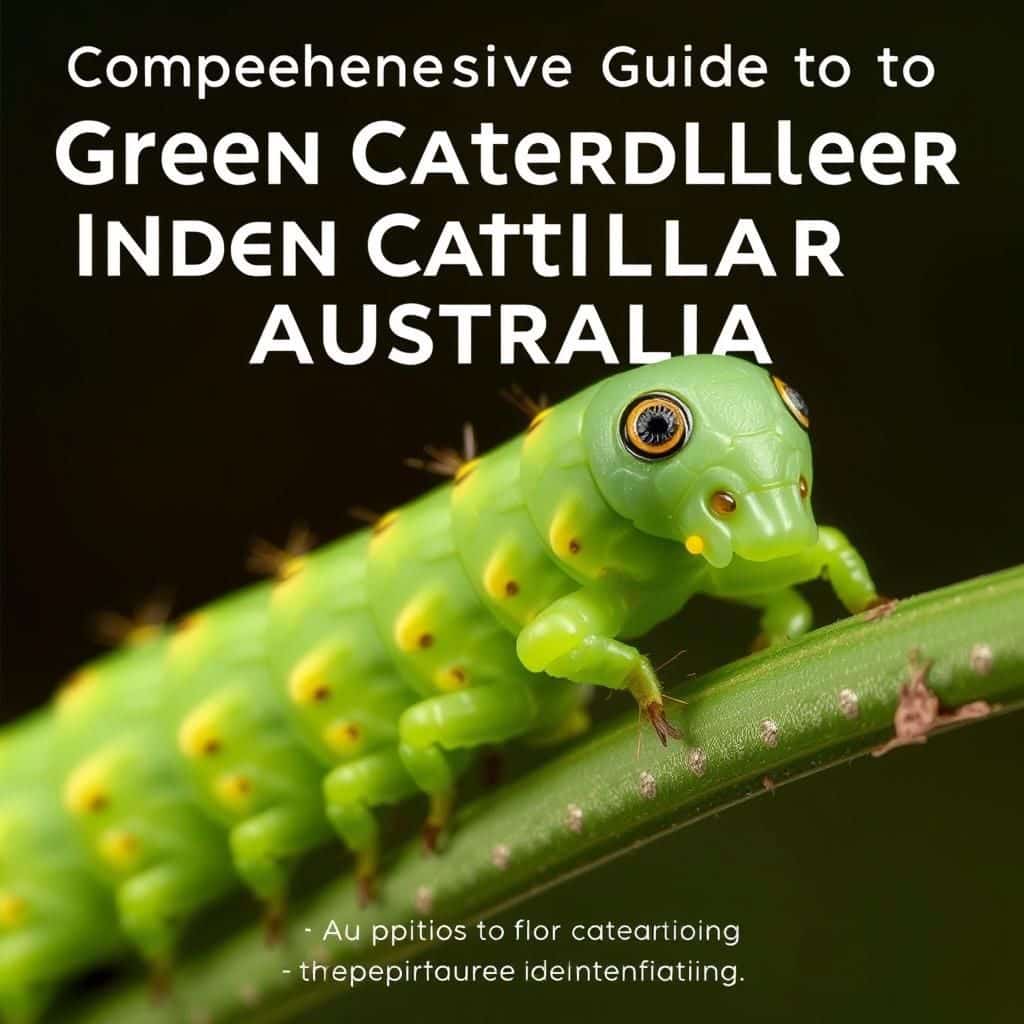
Australia is home to a diverse range of green caterpillars, many of which can be challenging to identify due to their varying appearances and habitats. This comprehensive guide aims to provide enthusiasts and researchers alike with essential tips and techniques for accurate identification. Whether you're a novice nature watcher or an experienced entomologist, understanding the key characteristics of these fascinating larvae will enhance your appreciation for Australia's unique biodiversity. From distinguishing features to habitat preferences, this article will equip you with the knowledge needed to identify green caterpillars confidently in their natural environments.
Identifying Green Caterpillars in Australia
In Australia, identifying green caterpillars can be quite the adventure due to the diverse range of species found across the continent. Many green caterpillars are the larval stages of moths and butterflies, and each species exhibits unique characteristics and behavioral traits. Commonly found species include the Hawk Moth, with a stout body and distinctive markings, and the Cabbage White Butterfly caterpillar, which has a more slender shape. Caterpillars often use camouflage as a survival tactic, blending in with leaves and stems of plants. Observing their specific feeding habits, coloration, and the type of vegetation they inhabit are crucial for proper identification and understanding of their ecological role.
Common Species of Green Caterpillars
In Australia, several species are frequently encountered, including the Hawk Moth caterpillar and the Green Looper. The Hawk Moth caterpillar is known for its robust body and prominent horns, while the Green Looper is typically more elongated and known for its unique looping movement when it moves. Both species are critical in various ecosystems, serving as food for birds and other predators, which makes their identification important for understanding the food web dynamics.
Characteristics of Green Caterpillars
Green caterpillars often share similar morphological traits, including a green color that helps them camouflage among foliage. Despite their similar appearance, many have distinct features; for example, some may have spines or stripes, while others lack any markings altogether. Identifying these characteristics can be essential for understanding their species, as certain features denote toxicity levels and defensive mechanisms against predators.
Habitat Preferences
The habitat of green caterpillars in Australia varies widely depending on their species. For instance, some species thrive in rainforests, while others are commonly found in urban gardens and agricultural fields. A notable example is the Cabbage White Butterfly caterpillar, which is often found in gardens where it feeds on cruciferous plants. Understanding habitat preferences can elevate the chances of spotting these caterpillars in their natural environment.
Life Cycle of Green Caterpillars
Green caterpillars undergo a fascinating life cycle, beginning as eggs laid by adult butterflies or moths. Once hatched, they enter the larval stage, where they primarily focus on feeding and growing. This stage can last from a few weeks to several months, depending on the species and environmental conditions. As they mature, they eventually pupate, transforming into adult moths or butterflies, completing the cycle. This metamorphosis is crucial for the species' reproductive continuation and ecological interactions.
Importance of Caterpillar Identification
Identifying green caterpillars plays a significant role in ecological studies and biodiversity conservation. Many caterpillar species are indicators of environmental health; thus, their presence or absence can signify changes in their habitats. Furthermore, understanding the specific species allows for better management practices in agriculture and conservation efforts, ultimately contributing to the preservation of Australia’s rich biodiversity.
| Species | Habitat | Coloration |
|---|---|---|
| Hawk Moth | Forests and gardens | Green with markings |
| Cabbage White | Agricultural fields | Bright green |
| Green Looper | Various foliage | Uniform green |
| Eucalyptus Moth | Eucalyptus trees | Olive green |
| Gum Tree Moth | Woodlands | Green with yellow bands |
What will a green caterpillar turn into?

Life Cycle of a Caterpillar
The transformation of a green caterpillar begins with its life cycle, which consists of four primary stages: egg, larva (caterpillar), pupa (chrysalis), and adult (butterfly or moth). Each stage plays a crucial role in the development of the caterpillar into its final form. The stages are as follows:
- Egg: The life cycle starts when a female butterfly lays eggs on host plants.
- Lava (Caterpillar): Once hatched, the caterpillar emerges and begins to feed on leaves, growing rapidly.
- Pupa (Chrysalis): After reaching a certain size, it forms a chrysalis where it undergoes metamorphosis.
- Adult: Finally, it emerges as a butterfly or moth, ready to continue the cycle.
What Does a Green Caterpillar Become?
Green caterpillars generally metamorphose into either butterflies or moths, depending on their species. Identifying the type can be exciting, as green caterpillars can belong to various families. The transformation they undergo results in strikingly different adult forms that often exhibit vibrant colors and patterns. The outcomes include:
- Butterflies: Some green caterpillars turn into colorful butterflies, like the Swallowtail.
- Moths: Others may develop into moths, which usually are more camouflaged and nocturnal.
- Subspecies Variation: Different species of green caterpillars lead to different butterfly and moth subspecies.
Metamorphosis: The Process Explained
Metamorphosis is a fascinating process that alters the physiological structure of the green caterpillar as it transitions into its adult form. This transformation occurs within the chrysalis, where the caterpillar's body is broken down and restructured. The intricate process includes:
- Cellular Reorganization: Cells in the caterpillar reorganize to form wings, antennae, and reproductive organs.
- Hormonal Changes: Hormones drive the transformation and dictate what the final outcome will be.
- Emergence: After the metamorphosis, the adult insect emerges, often needing to pump fluids into its wings before flying.
Identifying Green Caterpillars
Identifying a green caterpillar is crucial for understanding what it may turn into. Different species have unique characteristics, and many are associated with specific plants. Considerations for identification include:
See also:
- Coloration and Patterns: Observe the shade of green and any distinct markings that may indicate its species.
- Host Plants: Knowing what plants they feed on can help narrow down the possibilities.
- Size and Shape: Different species vary in size and body shape which can aid in correct identification.
The Importance of Caterpillars in Ecosystems
Green caterpillars play a significant role in their ecosystems, serving various ecological functions. Their presence is vital for maintaining biodiversity and supporting food webs. Key roles include:
- Food Source: Caterpillars serve as a food source for various predators, such as birds and other insects.
- Pollination: As adult butterflies and moths, they contribute to pollination, supporting plant reproduction.
- Indicators of Environmental Health: The presence and health of caterpillar populations can indicate ecosystem health and biodiversity.
What are the large green caterpillars in Australia?

Large green caterpillars in Australia can be attributed primarily to several species that undergo various larvae stages before transforming into moths or butterflies. These caterpillars are often found in gardens, forests, and rural areas, and they play a role in the ecosystem as both herbivores and food sources for various predators. Some of the notable large green caterpillars include those from the Cabbage Moth and the Hawkmoth family.
Identification of Large Green Caterpillars
Identifying large green caterpillars involves observing several characteristics such as body color, size, and distinct markings. They usually display:
- Color: A vivid green hue that helps them blend into foliage.
- Size: Typically ranging from 5 to 10 centimeters in length.
- Body Structure: A smooth and slightly hairy surface with occasional warts or tubercles.
Common Species of Large Green Caterpillars
Several species of large green caterpillars are prevalent in Australia, each belonging to different families. Notable examples include:
- Cabbage White Caterpillar: Known for its preference for cruciferous vegetables.
- Magnolia Hawk Moth Caterpillar: A robust caterpillar known for its impressive size and striking appearance.
- Common Garden Snout Caterpillar: Often found in gardens and known for its unique snout-like structure.
Habitat and Behavior
Large green caterpillars are often found in various habitats throughout Australia. Their environmental preferences include:
- Gardens: Commonly feed on ornamental plants, leafy greens, and vegetables.
- Forests: Thrive among dense foliage, feeding on native plant species.
- Fields: Often found in agricultural areas where crops provide abundant food sources.
Life Cycle of Green Caterpillars
The life cycle of large green caterpillars involves several stages, including:
- Egg: Laid on host plants, these eggs hatch into young caterpillars.
- Lava Stage: Caterpillars undergo multiple molts as they grow, consuming leaves to gain nutrients.
- Pupa: Eventually, they form a cocoon or chrysalis to metamorphose into an adult moth or butterfly.
Ecological Role and Importance
Large green caterpillars play significant roles in their ecosystems, such as:
- Food Source: Serve as prey for birds, mammals, and other insects.
- Pollination: Some adult moths help pollinate plants during their flight.
- Soil Enrichment: Their droppings contribute organic matter to the soil.
How do I find out what kind of caterpillar I have?
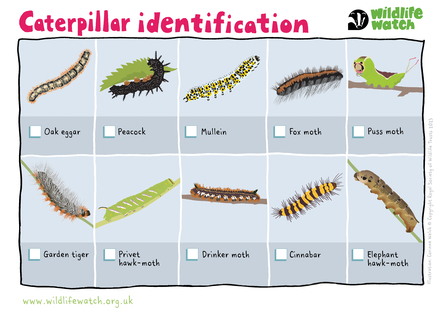
To determine what kind of caterpillar you have, you can follow several steps that involve observation, research, and possibly consulting with experts. Identifying caterpillars can be challenging due to their wide variety of species, so a careful approach is necessary.
Observing Physical Characteristics
Observing the physical characteristics of the caterpillar is the first step in identification. Take notes on the following features:
- Color: Note the primary and secondary colors, as well as any patterns like stripes or spots.
- Size: Measure the length and width of the caterpillar, as size can help narrow down the species.
- Texture: Observe whether the caterpillar is smooth, fuzzy, or spiny, as these textures can be distinctive.
Considering the Host Plant
The type of plant the caterpillar is feeding on can provide essential clues about its identity. Different species of caterpillars have specific food preferences:
See also:
- Identify the plant: Take note of the host plant species, which can often indicate what type of caterpillar it might be.
- Research plant-caterpillar relationships: Many resources are available that link specific caterpillars with their host plants.
- Observe location: Note if the caterpillar is found on domestic plants, wild species, or cultivated crops as this can add context.
Using Identification Guides
Field guides and online resources can help significantly with caterpillar identification:
- Field guides: Purchase or borrow insect identification books that focus on your region and include images of caterpillars.
- Online databases: Use websites like BugGuide, iNaturalist, or other entomological databases to compare images and descriptions.
- Mobile apps: Consider using apps like Seek or Picture Insect that allow you to upload images for identification assistance.
Consulting Experts
If you still cannot identify the caterpillar using the above methods, seeking help from experts can be beneficial:
- Entomologists: Reach out to local universities or extension services that may have entomologists who can assist with identification.
- Online forums: Join online communities, such as those found on Reddit or Facebook, where you can post images and descriptions for input.
- Nature centers: Visit local nature or insect centers where you may find professionals who specialize in local wildlife.
Documenting Your Findings
Keeping a record of your observations and findings can help in identification and future reference:
- Take photographs: Capture clear images that showcase the caterpillar from various angles, including a close-up of key features.
- Log your observations: Maintain a journal detailing the caterpillar’s behavior, feeding habits, and the surrounding environment.
- Share with others: Consider sharing your findings with local nature groups or on social media to gain additional feedback and knowledge.
What is the famous green caterpillar?
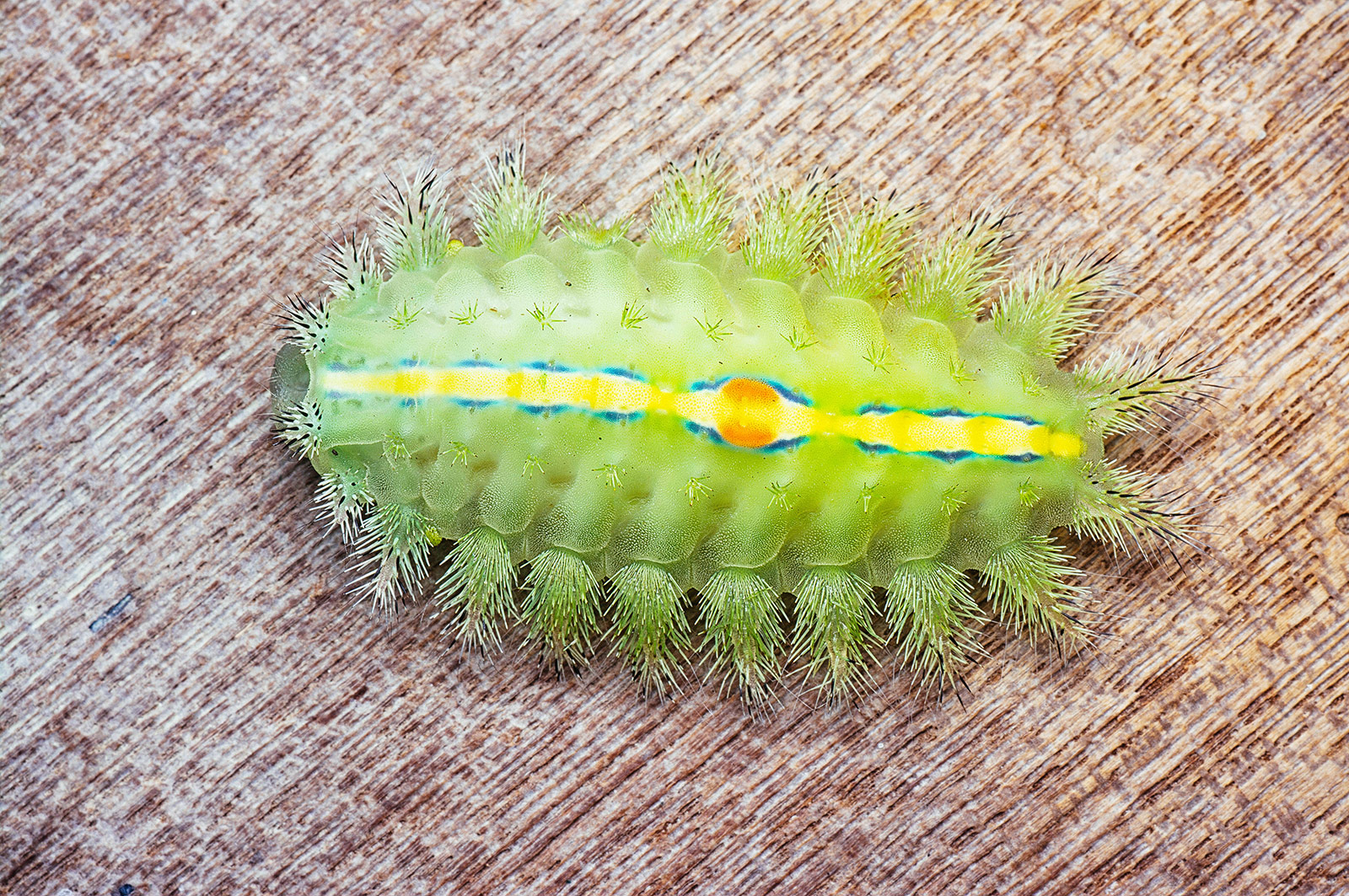
The famous green caterpillar refers to The Very Hungry Caterpillar, a beloved children's book written and illustrated by Eric Carle. First published in 1969, this classic story follows the journey of a small caterpillar as he hatches from an egg, undergoes various transformations, and eventually turns into a beautiful butterfly. The narrative is known for its engaging story, vibrant illustrations, and educational content, making it a staple in many children's libraries.
The author of The Very Hungry Caterpillar is Eric Carle, who is well-known for his distinctive collage-style illustrations and use of bright colors.
- Born in 1929, Carle has created many children's books, but this particular one remains his most famous work.
- His artistic style is characterized by vibrant colors and textures, often using tissue paper for his illustrations.
- Eric Carle's works have sold over 50 million copies worldwide, translating into various languages and adaptations.
Story Synopsis
The plot of The Very Hungry Caterpillar is simple yet captivating. It begins with a tiny caterpillar hatching from an egg and feeling very hungry.
- As the story progresses, the caterpillar eats through various foods every day, representing experiences of growth and change.
- Each day, it consumes different fruits and treats, allowing children to learn about numbers and the days of the week.
- Eventually, the caterpillar feels full and constructs a cocoon, leading to its transformation into a stunning butterfly.
Educational Value
This book is praised not only for its entertaining narrative but also for its educational components that teach young readers various concepts.
- Children learn about counting as they follow the caterpillar's journey through different foods.
- The book introduces the concept of days of the week, facilitating early learning.
- Additionally, it serves as an introduction to the life cycle of a butterfly, making it a great tool for teaching biology.
Illustrations and Design
The illustrations in The Very Hungry Caterpillar are integral to its charm and appeal.
- Carle uses a unique collage technique that combines various textures and colors, appealing visually to children.
- The die-cut design of the book allows children to engage physically by poking through the holes made by the caterpillar's munching.
- These elements make reading an interactive experience that enhances understanding and enjoyment.
Cultural Impact and Legacy
Since its publication, The Very Hungry Caterpillar has left a significant impact on children’s literature and culture.
- The book has been translated into over 60 languages and has inspired numerous adaptations, including puppet shows and animations.
- It is often included in early childhood education curricula, solidifying its importance in teaching fundamental concepts.
- Moreover, Eric Carle has been recognized with various awards for his contributions to children's literature, further increasing the book's visibility and legacy.
Questions from Our Readers
What are some common green caterpillars found in Australia?
Green caterpillars commonly found in Australia include the Banded Swallowtail and the Pyralid Moth larvae. These caterpillars vary in size and shape but often share a distinctive green coloration that helps them blend in with foliage. Identifying them can be tricky without knowing the right characteristics, so it's essential to observe their markings and behavior.
How can I identify a green caterpillar in Australia?
To identify a green caterpillar in Australia, look for key features such as body shape, size, and any specific markings or patterns. Also, consider the host plant, as many caterpillars are linked to specific plants. Using field guides or online resources can also aid in properly identifying these insects.
See also:
Are green caterpillars in Australia harmful to plants?
Some green caterpillars can be harmful to plants, while others may have little impact. Certain species, like the Cabbage White caterpillar, can cause significant damage to crops and garden plants. It's essential to monitor your garden and identify the species to determine if they pose a threat and if control measures are necessary.
What should I do if I find a green caterpillar?
If you find a green caterpillar, first identify the species to understand its role in the ecosystem. If it is a beneficial species, consider leaving it be, as it may become a butterfly or moth. However, if it poses a risk to your plants, you may need to relocate it or implement control methods, ensuring you adhere to local wildlife protection regulations.

If you want to read more articles like Comprehensive Guide to Green Caterpillar Identification Australia: Tips and Techniques for Accurate Identification, we recommend you check out our Weeds category.
Leave a Reply
Related Articles