The Best Time to Fertilize Plants in Australia: A Seasonal Guide for Gardeners
Gardening in Australia presents unique challenges and opportunities due to its diverse climate and seasonal variations. Understanding the best time to fertilize plants is crucial for achieving healthy growth and vibrant blooms. This seasonal guide will provide Australian gardeners with valuable insights into when to apply fertilizers based on regional climates and specific plant needs. By aligning fertilization practices with the changing seasons, gardeners can optimize nutrient availability, promote plant health, and enhance the overall beauty of their gardens. Whether you’re a novice or a seasoned gardener, this guide will help you make informed decisions for a thriving landscape.
Best Time to Fertilize Plants in Australia
In Australia, the best time to fertilize plants largely depends on the specific region and climate conditions, but generally, spring (from September to November) is considered the ideal period. This is when most plants are actively growing and can benefit from the nutrients provided by fertilizers. In warmer northern regions, fertilizing in early spring is crucial as plants begin their growth cycle after the winter dormancy, while in cooler southern areas, fertilization should be timed to coincide with the last frost. Additionally, many gardeners prefer to perform a second round of fertilization during late summer (around February) to support the plants through the warmer months, enhancing their health and productivity before the cooler autumn season.
Understanding Seasonal Changes
In Australia, the seasons can greatly influence the growth cycles of plants. With the country experiencing a range of climates from tropical in the north to temperate in the south, it’s important to understand local seasonal changes. Spring, characterized by warming temperatures and increased rainfall, signals many plants to begin their growth phase. This is the time when they require nutrients to support new growth, making early spring the recommended window for applying fertilizers.
Types of Fertilizers and Their Applications
Different plants require different types of fertilizers, which can affect the timing of application. For example, slow-release fertilizers are often applied in early spring to provide a steady supply of nutrients throughout the growing season. Conversely, quick-release fertilizers can be beneficial when applied during the active growth months, especially if plants show signs of nutrient deficiency. Understanding the specific needs of each plant type will aid in determining the most effective fertilization schedule.
Importance of Soil Testing
Before applying any fertilizers, conducting a soil test is highly recommended. Soil tests reveal the nutrient composition and pH levels, thus helping gardeners tailor their fertilization approach specifically to their soil needs. This can ensure that the added fertilizers enhance plant growth effectively without resulting in nutrient imbalance or toxicity. Testing can usually be done at the start of the growing season, allowing for a well-planned fertilization strategy.
Weather Considerations
The weather plays a crucial role in determining the best time to fertilize plants in Australia. After heavy rains, nutrients from fertilizers can be washed away, reducing their effectiveness. Therefore, it's best to time fertilization shortly before anticipated rainfall or during periods of mild weather. Ideally, applying fertilizers when there's no rain forecasted for a few days can increase absorption and benefits to the plants.
Regional Variations in Fertilization Schedules
Australia's diverse climate regions mean that fertilization schedules can vary significantly. For example, in tropical areas, where growing seasons can be year-round, regular fertilization every few months may be needed. In contrast, southern regions with distinct seasons may only require fertilization once or twice a year. Each region's specific conditions, such as temperature and humidity, will dictate the optimal timing and frequency of fertilization for best results.
| Region | Best Time to Fertilize | Soil Type Consideration |
|---|---|---|
| Tropical North | Early Spring & Late Summer | Well-draining, nutrient-rich |
| Temperate South | Spring & Early Autumn | Organic-rich, loamy |
| Desert Regions | Early Spring | Low-nutrient, sandy |
| Coastal Areas | Mid-spring | Salt-resistant, fertile |
| Highlands | Late Spring | Cool, moist, clayey |
What month is best to fertilize plants?
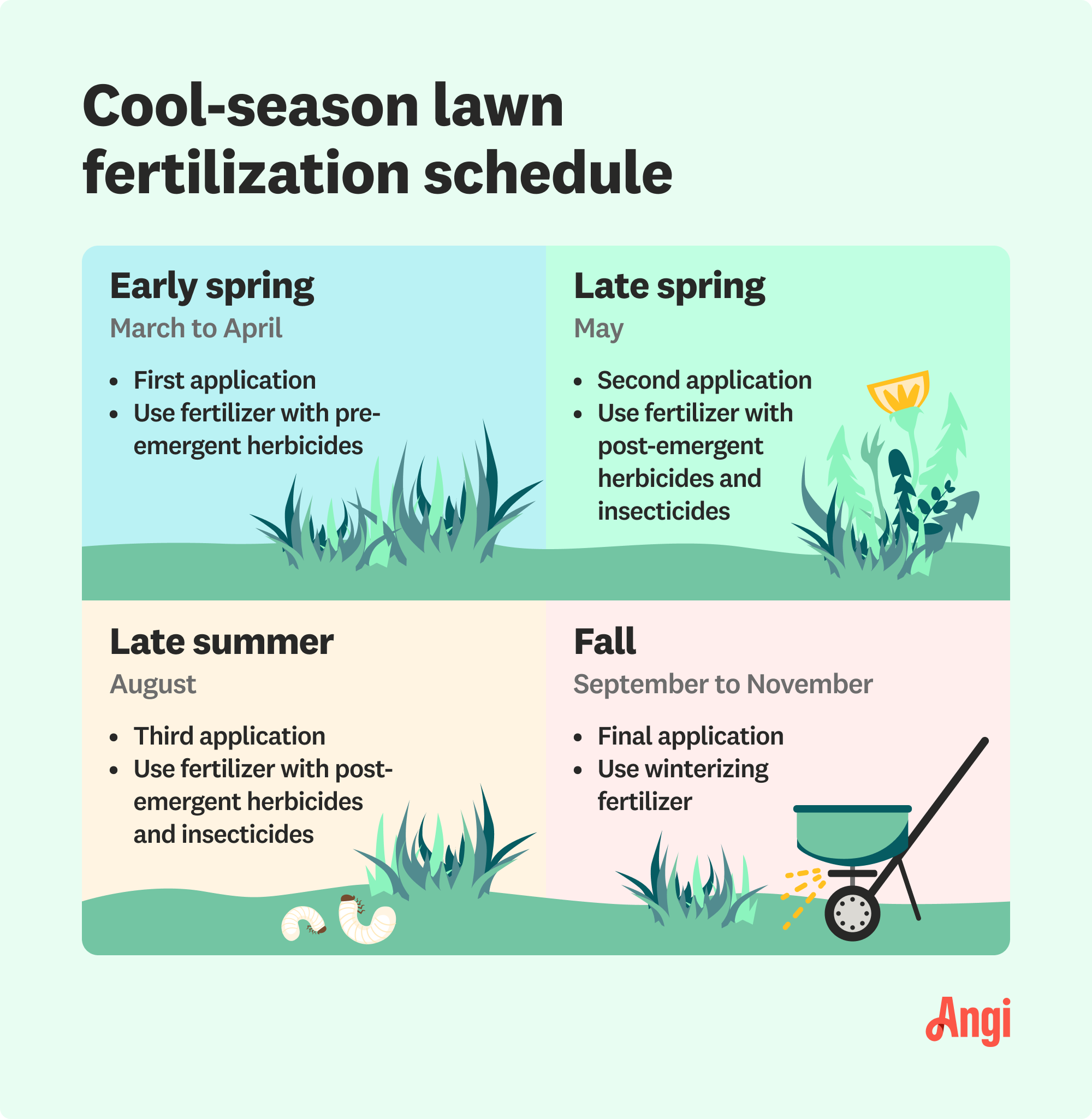
The best month to fertilize plants generally depends on the type of plants you have, but most gardeners find that spring is the ideal time for fertilization. In many regions, this is typically around March to May, as it coincides with the natural growing season for many plants. During this time, the soil has warmed up and the plants are starting to actively absorb nutrients after the dormancy of winter. This promotes strong root growth and overall plant health.
Choosing the Right Time in Spring
Spring is critical for fertilization because it sets the foundation for the growth cycle of your plants.
- Monitor the temperature: Ensure that the ground temperature is sufficiently warm.
- Watch for new growth: Fertilizing too early may not benefit the plants if they are still dormant.
- Consider rainfall: Adequate moisture helps ensure the fertilizer is absorbed effectively.
Types of Fertilizers to Use
Different types of fertilizers are suitable depending on the plant type and growth stage.
- Granular Fertilizers: Slow-release type that benefits plants throughout the growing season.
- Liquid Fertilizers: Quickly absorbed, ideal for a rapid boost after initial growth.
- Organic Fertilizers: Enhance soil health and are less likely to harm the plants.
Regional Considerations
The best month for fertilizing can vary based on your location.
- Cool Climates: Typically late April to early May is best.
- Warm Climates: March might be ideal due to an earlier growing season.
- Humidity Levels: High humidity may require adjustments in fertilization frequency and type.
Signs Your Plants Need Fertilizing
Being observant of your plants can help determine the right time for fertilization.
- Pale Leaves: Indicates a lack of nutrients.
- Stunted Growth: If plants are not growing as expected, it may be time to fertilize.
- Yellowing Leaves: A symptom of nutrient deficiency, especially nitrogen.
Best Practices for Fertilizing
Applying fertilizer effectively can lead to better plant health.
- Apply Evenly: To ensure all parts of the plant are nourished.
- Water After Application: Helps the nutrients to penetrate the soil.
- Follow Dosage Instructions: Over-fertilization can harm the plants.
Is it better to fertilize plants before or after rain?

Fertilizing plants is an important task for maintaining healthy growth and maximizing yield. The timing of fertilization—specifically whether to apply fertilizer before or after rain—can significantly affect its efficiency and the overall health of the plants.
Understanding Soil Absorption
When thinking about the timing of fertilization, it is essential to understand how soil absorption works.
- Before Rain: Fertilizing before rain can lead to significant nutrient leaching. If the rain is heavy, it may wash away the fertilizer before plants can absorb it.
- After Rain: Applying fertilizer after rain ensures that the soil is adequately moist. This moisture helps dissolve solid fertilizers, allowing the nutrients to be more accessible to plant roots.
- Soil Type Considerations: The type of soil also influences absorption. Sandy soils drain quickly and may require more frequent applications, while clay soils hold moisture longer.
Impact of Rain on Fertilizer Efficacy
Rain can play a crucial role in determining the effectiveness of applied fertilizers.
- Leaching Risk: If fertilizer is applied before heavy rain, it may be washed away from the root zone, reducing its effectiveness and causing potential environmental issues.
- Activation of Nutrients: Rainwater can activate certain types of fertilizers, particularly those that are slow-release or granular. This can enhance the nutrient availability to the plants.
- Increased Soil Temperature: Rain can lower soil temperature temporarily. Fertilizers applied during cooler periods may not be as effective since many plants absorb nutrients better in warmer soil.
Plant Growth Stages and Fertilization Timing
Different growth stages of plants may respond differently to fertilization, making timing crucial.
- Seedling Stage: Young plants are more susceptible to over-fertilization. It's generally better to fertilize after a light rain to prevent nutrient burn.
- Vegetative Stage: During this phase, plants require more nutrients. Fertilizing right before a gentle rain can help optimize nutrient uptake.
- Flowering and Fruiting Stage: At this stage, applying fertilizer after rain allows for optimum nutrient availability, supporting better fruit and flower production.
Weather Forecast and Planning
When planning to fertilize, considering the weather forecast can immensely improve the effectiveness of the application.
- Forecasting Rain: If forecasts predict light rain, fertilizing before may be beneficial as the rain helps incorporate the fertilizer into the soil.
- Heavy Rain Alerts: If heavy rain is expected, it's wiser to delay fertilization to avoid leaching and runoff.
- Post-Rain Conditions: Immediately after rain, evaluate soil moisture levels. If the soil is saturated, hold off on fertilizing until conditions improve.
Types of Fertilizers and Their Application Timing
Different fertilizers respond uniquely to the application timing in relation to rainfall.
- Granular Fertilizers: These should ideally be applied before a gentle rain for optimal activation. Heavy rain can cause them to wash away.
- Liquid Fertilizers: Liquid formulations are best applied after rain, ensuring they can soak into the soil effectively.
- Organic Fertilizers: Organic materials like compost can be applied before rain, as they take longer to break down and can benefit from moisture activation.
Is it better to fertilize in the morning or evening?

Fertilizing your plants correctly can significantly affect their growth and health. The timing of fertilization is an important factor to consider, and many gardeners wonder whether it is better to fertilize in the morning or evening. Both times have their advantages and disadvantages that can influence the effectiveness of the fertilizer.
Benefits of Fertilizing in the Morning
Fertilizing in the morning has several benefits that align with the natural growth cycles of plants.
- Temperature Control: Morning temperatures are generally cooler, which helps to minimize stress on the plants during the fertilization process.
- Water Absorption: Fertilizers applied in the morning have the best chance of being absorbed by the soil before the heat of the day increases evaporation rates.
- Photosynthesis Timing: By fertilizing in the morning, you enable plants to start the photosynthesis process, which can utilize the nutrients effectively throughout the day.
Drawbacks of Morning Fertilization
While fertilizing in the morning has its advantages, there are also potential drawbacks to consider.
- Dew Presence: Morning dew can dilute the fertilizer, reducing its effectiveness.
- Quick Evaporation: If the day warms up quickly, nutrients may evaporate before they can be absorbed.
- Limited Time: Gardeners with busy schedules may find it difficult to fertilize early in the morning while managing other tasks.
Benefits of Fertilizing in the Evening
Evening fertilization can also be effective and has unique benefits that cater to certain conditions.
- Reduced Stress: Fertilizing during cooler evening temperatures can reduce plant stress and promote nutrient uptake at night.
- Less Loss to Wind: Evening calmness can reduce the chances of airborne fertilizers being lost to wind.
- Convenient Timing: For busy gardeners, evening fertilization might be more fitting for their schedules, allowing for less rushed application.
Drawbacks of Evening Fertilization
Similar to morning fertilization, evening application has its own set of drawbacks to be aware of.
- Potential for Dew: Dew can also form overnight, which may dilute the fertilizer and affect absorption.
- Moisture Issues: Fertilizing too late could lead to moisture retention, increasing the risk for fungal diseases.
- Less Active Root Uptake: Some plants may not actively absorb nutrients as effectively at night compared to during the day.
Best Practices for Fertilization Timing
Regardless of whether you choose to fertilize in the morning or evening, implementing best practices can optimize nutrient uptake.
- Check Soil Conditions: Ensure the soil is adequately moist but not overly saturated. This helps in nutrient absorption.
- Choose the Right Fertilizer: Use slow-release fertilizers which can provide nutrients over a period, lessening the impact of timing.
- Monitor Weather Conditions: Pay attention to forecasted rainfall and humidity levels, which can influence fertilizer effectiveness.
When should you not fertilize?

When considering when to fertilize, it's essential to recognize specific conditions under which fertilization should be avoided to ensure the health of plants and the surrounding environment. Here are the key instances:
1. During Drought Conditions
Fertilizing during drought can stress plants as they may struggle to absorb nutrients without sufficient moisture in the soil. When the soil is dry, applying fertilizer can lead to nutrient runoff and harm beneficial organisms in the soil.
- Check Soil Moisture: Ensure the ground is adequately moist before applying any nutrients.
- Wait for Rain: Fertilize after a decent rainfall to ensure nutrients can be utilized effectively.
- Avoid High Temperatures: High temperatures exacerbate drought conditions, making fertilization counterproductive.
2. Before Heavy Rainfall
Applying fertilizer just before heavy rainfall can lead to nutrient leaching, where nutrients wash away before plants can absorb them. This practice can cause environmental issues such as waterway contamination.
- Monitor Weather Forecasts: Always check for upcoming rain when planning fertilization.
- Consider Soil Type: Sandy soils are particularly susceptible to leaching.
- Time Appropriately: Apply fertilizer at least 24-48 hours before a forecasted storm.
3. When Plants are Dormant
Fertilizing during the dormant season, such as winter or late fall, can be counterproductive. Plants do not absorb nutrients efficiently when they are not actively growing, leading to nutrient waste.
- Identify Dormancy: Understand the specific growth cycles of your plants.
- Plan for Spring: Fertilize when plants are actively growing and ready to uptake nutrients.
- Avoid Late Applications: Applying fertilizers close to a plant's dormant period can stress them.
4. When Soil pH is Unbalanced
Fertilizing in poor soil pH conditions can inhibit plant growth and nutrient absorption. If the pH level is not in the optimal range, plants may not effectively utilize the applied fertilizers.
- Test Soil pH: Conduct regular soil tests to gauge acidity or alkalinity.
- Adjust pH First: Use lime for acidic soils or sulfur for alkaline soils before fertilizing.
- Apply Specific Nutrients: Some fertilizers work better at certain pH levels; target your fertilization based on pH results.
5. After Recent Transplanting
Newly transplanted plants are often under stress as they adapt to their new location. Applying fertilizer right after transplanting can overwhelm the plant. Instead, wait until they show signs of recovery and growth.
- Observe Plant Recovery: Wait until new growth appears before introducing fertilizers.
- Use Starter Fertilizers: If necessary, use a diluted starter fertilizer to ease the transition.
- Allow Root Establishment: Ensure that roots establish well in the new environment before fertilizing.
Questions from Our Readers
What is the best time to fertilize plants in Australia?
The best time to fertilize plants in Australia generally falls in spring and early summer, as this is when most plants are actively growing. Fertilizing during these times provides them with the necessary nutrients to support new growth and flowering.
How often should I fertilize my plants in Australia?
In most cases, it's advisable to fertilize plants every 6 to 8 weeks during the growing season, which typically spans from spring to early autumn. However, the frequency may vary depending on the specific type of plant and the fertilizer used.
Should I adjust my fertilization schedule for different regions in Australia?
Yes, it's essential to consider the local climate and soil conditions when adjusting your fertilization schedule. For instance, plants in hotter, drier regions may require more frequent fertilization, while those in cooler areas may need less.
What types of fertilizers are best for Australian plants?
For Australian plants, it's recommended to use slow-release fertilizers or those specifically formulated for local flora, such as native plant fertilizers. These fertilizers are designed to meet the unique nutrient needs of plants native to Australia's diverse ecosystems.

If you want to read more articles like The Best Time to Fertilize Plants in Australia: A Seasonal Guide for Gardeners, we recommend you check out our Fertliser category.
Leave a Reply
Related Articles