When to Fertilize Fruit Trees in Australia: A Seasonal Guide for Optimal Growth
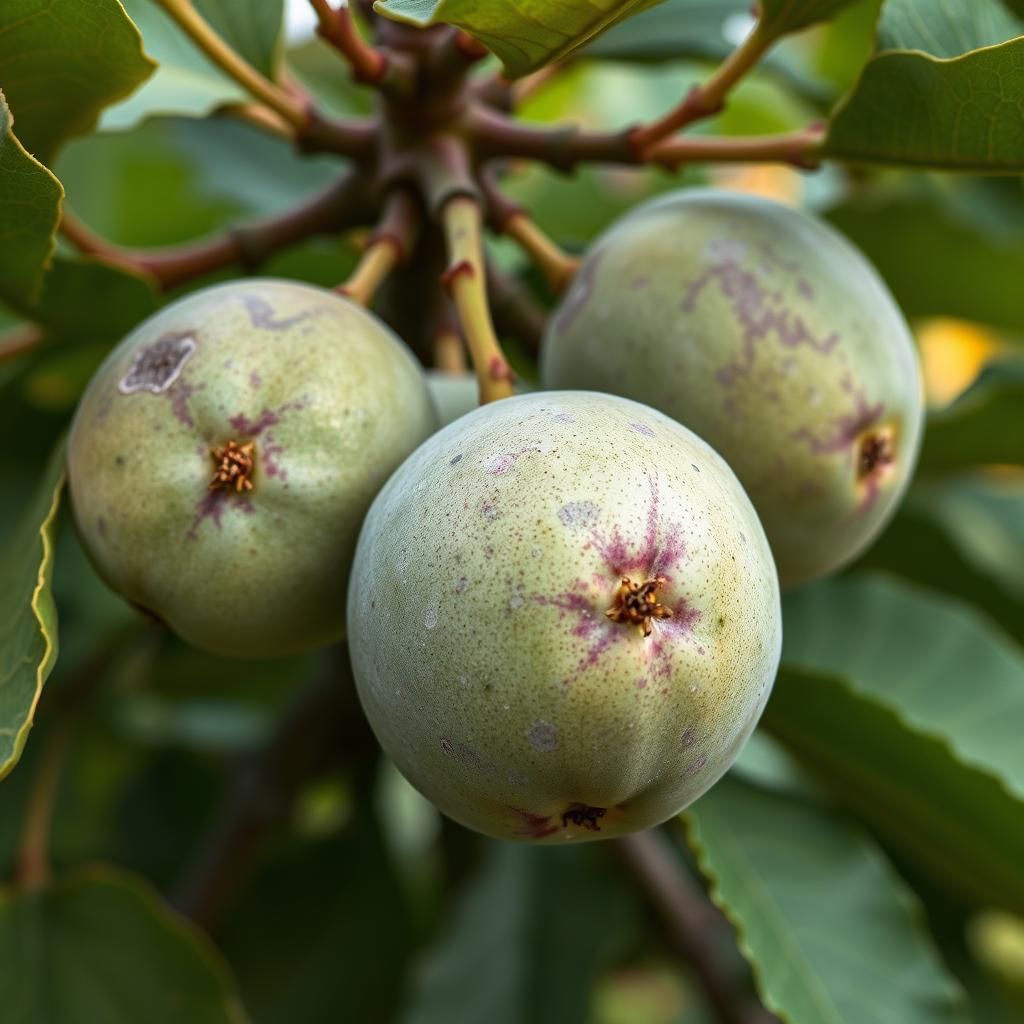
Fertilizing fruit trees at the right time is crucial for achieving optimal growth and a bountiful harvest. In Australia, the diverse climate and seasonal variations play a significant role in determining the best fertilization schedule. Understanding when to apply fertilizers can enhance soil health, promote robust tree development, and improve fruit quality. This seasonal guide aims to provide Australian fruit growers with essential insights into the ideal timing and types of fertilizers needed for different fruit varieties. By following these guidelines, growers can ensure their trees thrive throughout the year, resulting in healthier plants and more abundant yields.
Optimal Timing for Fertilizing Fruit Trees in Australia
Fertilizing fruit trees in Australia requires careful consideration of the local climate and the specific needs of each tree variety. Generally, the best time to fertilize is during the spring season, as this is when trees begin their active growth phase and will benefit the most from additional nutrients. It is essential to apply fertilizer before the onset of heavy fruiting to ensure that the trees have sufficient energy and nutrients for both foliage and fruit development. Additionally, monitoring soil conditions and tree health can help determine the right amount and type of fertilizer needed, making it crucial to tailor your approach to suit the individual requirements of your fruit trees.
Understanding Soil Nutrient Levels
Before fertilizing, it is important to conduct a soil test to understand the existing nutrient levels in your garden. This test will provide guidance on whether any particular nutrients, such as nitrogen, phosphorus, or potassium, are deficient in your soil. Based on the results, you can choose an appropriate fertilizer formulation that complements the natural soil composition, ensuring your fruit trees receive balanced nutrition for optimal growth.
Recommended Fertilizers for Different Fruit Trees
Different types of fruit trees have varying nutritional requirements. For instance, citrus trees thrive on fertilizers with higher nitrogen levels, while trees such as apple and pear benefit from balanced fertilizers that include phosphorus for root development. Selecting the right fertilizer specific to the type of fruit tree will maximize its health and productivity, making it vital to research and choose the best option for your specific trees.
Application Techniques for Fertilizer
When applying fertilizer, ensure that it is spread evenly around the drip line of the tree, which is the area just underneath the outermost branches. This placement allows the tree roots to absorb the nutrients more efficiently. It is also crucial to water the trees thoroughly after the application to help dissolve the fertilizer and ensure that it penetrates the soil, reaching the roots without causing any burning due to fertilizer concentration.
See also:
Signs Your Trees Need Fertilizing
Observing your trees regularly can help identify signs that they may need fertilization. Symptoms such as yellowing leaves, poor fruit development, or stunted growth can indicate nutrient deficiency. If you notice these signs, performing a soil test and adjusting your fertilization schedule can help restore the tree's health and productivity, ensuring that they are getting the required nutrients.
Common Mistakes to Avoid
One common mistake when fertilizing fruit trees is applying too much fertilizer, which can lead to nutrient burn and harm the tree. Additionally, fertilizing at the wrong time, such as during the winter dormancy, can be ineffective and wasteful. It is also important to avoid using fertilizer that is not suitable for the specific tree type, as this can result in imbalances that hinder growth instead of promoting it. Being mindful of these common pitfalls can lead to healthier, more productive fruit trees.
| Fertilizer Type | Best for | Application Time |
|---|---|---|
| Nitrogen-rich | Citrus Trees | Spring |
| Balanced Fertilizer | Apple and Pear Trees | Spring |
| Potassium Booster | Stone Fruit Trees | Pre-flowering |
| Organic Fertilizer | All Types | Throughout the Season |
Understanding the Fertilization Calendar for Australian Fruit Trees
Fertilizing fruit trees in Australia requires an understanding of the local climate and the specific growth cycles of various species. Generally, the best times to apply fertilizer are during the early spring and late summer, aligning with the periods when trees are most actively growing. In spring, the trees are waking from dormancy and require extra nutrients to support new growth, while a late summer application can help to strengthen the tree before the winter dormancy phase. Each tree species might have different nutrient needs, so it's essential to conduct soil tests to tailor the fertilization strategy to maximize health and yield.
Spring Fertilization Techniques
During spring, as the soil temperatures rise, fruit trees begin their active growth phase after winter dormancy. Applying a balanced fertilizer rich in nitrogen encourages the development of leaves and new shoots. It's recommended to base the application on a soil test to ensure the right nutrients are delivered. Consider organic options to improve soil health while supplying essential nutrients.
Summer Nutrient Management
In late summer, applying a fertilizer can be beneficial as it provides the necessary nutrients for trees to prepare for the upcoming winter. This application should emphasize potassium and phosphorus, which support root development and enhance overall tree resilience. Proper timing is crucial; applying too late can stimulate new growth that may not harden off before the colder months.
See also:
Autumn Fertilization Considerations
Autumn is a period of transition and is generally not an ideal time for fertilization of fruit trees. During this season, trees begin to withdraw nutrients from their leaves, directing them to storage within the roots. Fertilizing in autumn can accidentally promote lush new growth, making trees vulnerable to frost damage. Instead, it's best to focus on adjusting the fertilization schedule for spring and summer applications.
Soil Testing for Optimal Fertilization
Conducting a soil test is essential before fertilizing fruit trees, enabling you to determine the existing nutrient levels and pH of the soil. This can guide the choice of fertilizer type and quantity needed for optimal growth. Knowing the specific nutrient deficiencies can help tailor a fertilization plan that not only supports tree growth but also enhances fruit quality and yield.
Choosing the Right Fertilizer for Fruit Trees
Selecting the appropriate fertilizer is critical for the optimal growth of fruit trees. A balanced N-P-K ratio, reflecting the ratio of nitrogen, phosphorus, and potassium, is vital to meet the varying needs of trees throughout their growth cycles. Organic fertilizers can also improve soil structure and microbial health, providing long-term benefits beyond immediate nutrient supply.
Questions from Our Readers
When is the best time to fertilize fruit trees in Australia?
The best time to fertilize fruit trees in Australia is typically in early spring just before the growing season begins. This allows the tree to utilize the nutrients effectively as it starts to bloom and produce fruit. Additionally, a second application can be beneficial in late summer to support fruit development.
What type of fertilizer should I use for fruit trees?
When fertilizing fruit trees, it's essential to use a balanced fertilizer that contains equal parts nitrogen, phosphorus, and potassium. Organic options, such as compost or well-rotted manure, can also provide necessary nutrients while improving soil health over time.
See also:
How often should I fertilize my fruit trees?
Typically, you should fertilize fruit trees once or twice a year. The initial application should occur in spring, followed by another in late summer, depending on the tree's growth and the soil's nutrient levels.
Can I over-fertilize my fruit trees?
Yes, over-fertilizing fruit trees can lead to excessive growth and reduced fruit production, as well as potential nutrient burn. It's crucial to follow recommended guidelines based on the tree species and soil conditions to avoid damaging your plants.

If you want to read more articles like When to Fertilize Fruit Trees in Australia: A Seasonal Guide for Optimal Growth, we recommend you check out our Fertiliser category.
Leave a Reply
Related Articles