Should You Wet the Soil Before Laying Turf? Expert Tips for Perfect Lawn Installation
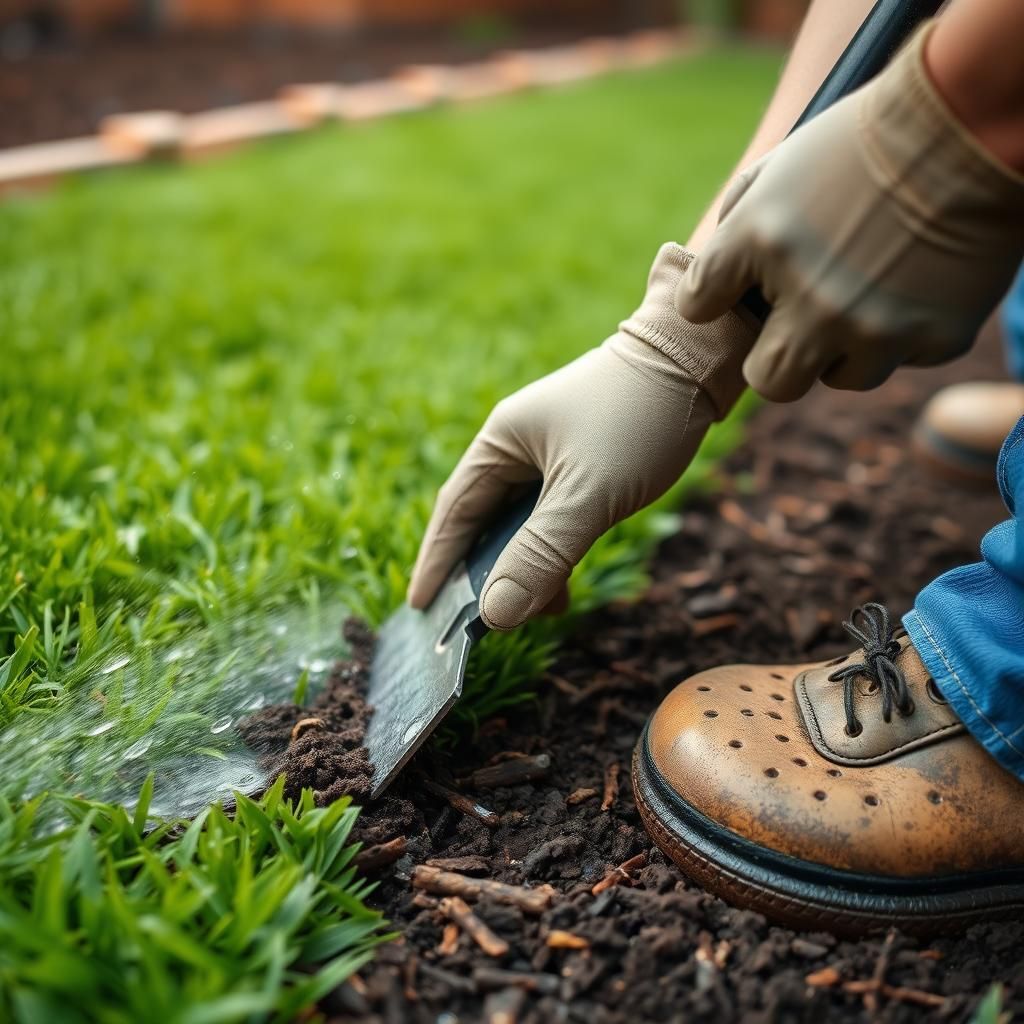
When it comes to laying turf for a lush and healthy lawn, preparation is key. One crucial question often arises: should you wet the soil before installing the turf? This article delves into expert insights and tips on the importance of soil moisture and its impact on the successful establishment of your new grass. By understanding the ideal conditions for turf installation, you can ensure a vibrant, green lawn that enhances your outdoor space. Join us as we explore the best practices and expert advice for achieving the perfect lawn from the ground up.
Should You Wet the Soil Before Laying Turf?
When preparing to lay turf, it is generally advisable to wet the soil beforehand, as this practice helps to create ideal conditions for both the installation and the establishment of the new grass. Moistening the soil promotes better root development and reduces the stress on the turf during the initial days of laying, as it allows the turf to adhere more easily to the soil and enhances the absorption of nutrients. It is essential, however, to ensure that the soil is not overly saturated, as this can lead to problems such as compaction or poor drainage, which may hinder the growth of the grass.
Benefits of Wetting the Soil
One of the primary benefits of wetting the soil before laying turf is that it improves the contact between the turf and the soil. This contact is crucial for the roots to absorb moisture and nutrients effectively. Additionally, hydrated soil is easier to work with and allows for better settling, minimizing air pockets that can lead to dry patches in the new turf.
How Much Should You Water?
Ideally, the soil should be moistened, rather than soaked, before turf installation. A depth of about 2-4 inches of moisture is generally sufficient to encourage successful root growth. You can check the moisture level by digging a small hole; if it holds its shape but is still easily broken apart, the soil is likely at a good moisture level.
Timing of Watering
The best time to water the soil is usually the day before turf installation, allowing time for the water to penetrate deeply. This timing can help ensure that the soil maintains its moisture during the turf's initial settling phase, which is critical for its establishment in the new environment.
Signs of Overwatering
Overwatering can be detrimental; signs of excess moisture include puddles on the surface, soil that lacks drainage, or a muddy consistency when walked on. These conditions can lead to disease and root rot, ultimately jeopardizing the health of the newly laid turf. Therefore, it's essential to strike a balance when moistening the soil.
Post-Installation Care
After laying the turf, it is advisable to continue with a regular watering schedule, keeping the soil consistently moist but not soggy. The first few weeks are crucial for establishment; therefore, observing the turf for any stress signs and adjusting your watering plan accordingly will help promote a vibrant and healthy lawn.
| Aspect | Recommendation |
|---|---|
| Soil Moisture | 2-4 inches of moisture |
| Watering Timing | Day before installation |
| Signs of Overwatering | Puddles, muddy soil, and lack of drainage |
| Post-Installation Care | Keep soil consistently moist |
Understanding the Importance of Pre-Wetting Soil for Turf Installation
Properly moistening the soil before laying turf is essential as it creates the ideal environment for the grass roots to establish effectively. By pre-wetting, you ensure that the soil is sufficiently loosened and compacted, facilitating better water absorption once the turf is laid. Adequate moisture helps in reducing stress on the new grass, allowing it to adapt more quickly and promotes a healthier and more vibrant lawn in the long run.
Benefits of Wet Soil Before Turf Laying
Wet soil offers numerous advantages for turf installation, including improved root penetration and nutrient absorption. When soil is sufficiently moist, it allows the turf's roots to delve deeper, accessing essential nutrients and moisture. This leads to better overall grass health, minimizes the risk of drought stress, and fosters quicker establishment, giving the lawn a lush and green appearance sooner.
How Much Water is Enough?
Determining how much water to apply before laying turf is critical for optimal results. A general guideline is to ensure the top 4 to 6 inches of soil are adequately moistened, without creating puddles. Overwatering can lead to waterlogging, which impedes root development and may encourage the growth of fungal diseases. A good test is to dig a small hole; if it feels moist but not soggy, it is ready for turf installation.
Timing Your Soil Moistening
Timing is of the essence when it comes to wetting the soil for turf laying. Ideally, you should moist the soil a day or two before installation, allowing it ample time to settle and gain the right consistency. This pre-wetting process helps prevent shrinkage of the soil after the turf is installed, ensuring a solid foundation for the grass to thrive. This strategy reduces the likelihood of air pockets that can damage root systems.
Tools and Methods for Moistening Soil
Various tools and methods can be used to effectively moisten the soil before laying turf. A hose with a spray nozzle is suitable for precise application on small areas, while a sprinkler can be beneficial for larger spaces, providing consistent coverage. It's important to monitor the moisture levels during this process, adjusting the application as necessary to prevent saturating the soil.
Signs of Over-Watering
Recognizing the signs of over-watering is crucial to ensure a healthy start for your turf. Indicators include puddling, a persistent soggy feel, or the presence of mold on the soil surface. Additionally, you might notice poor drainage, which can lead to root rot and a host of other issues that adversely affect the lawn's health. Proper assessment and adjustment of watering can help in avoiding these complications.
Questions from Our Readers
Should you wet the soil before laying turf?
Yes, you should wet the soil before laying turf. Moistening the soil helps to create a better environment for the grass roots to establish themselves. It promotes good soil contact and encourages the turf to develop a strong root system.
How much should you water the soil before laying turf?
Before laying turf, it is advisable to water the soil deeply to a depth of about 4 to 6 inches. This ensures that the soil is adequately moist and helps the turf settle in more effectively once it is laid.
Can you lay turf on dry soil?
Laying turf on dry soil is not recommended, as it can lead to poor establishment and stress for the new grass. The turf requires moisture to root properly, making it essential to prepare the soil beforehand.
What happens if the soil is too wet before laying turf?
If the soil is too wet before laying turf, it can lead to compaction and a lack of oxygen in the soil, which is detrimental to root growth. Additionally, excessive moisture can cause issues such as turf disease or uneven surfaces, making proper moisture management crucial.

If you want to read more articles like Should You Wet the Soil Before Laying Turf? Expert Tips for Perfect Lawn Installation, we recommend you check out our Turf category.
Leave a Reply
Related Articles