What is the cheapest way to get a new lawn? Top Tips and Budget-Friendly Solutions
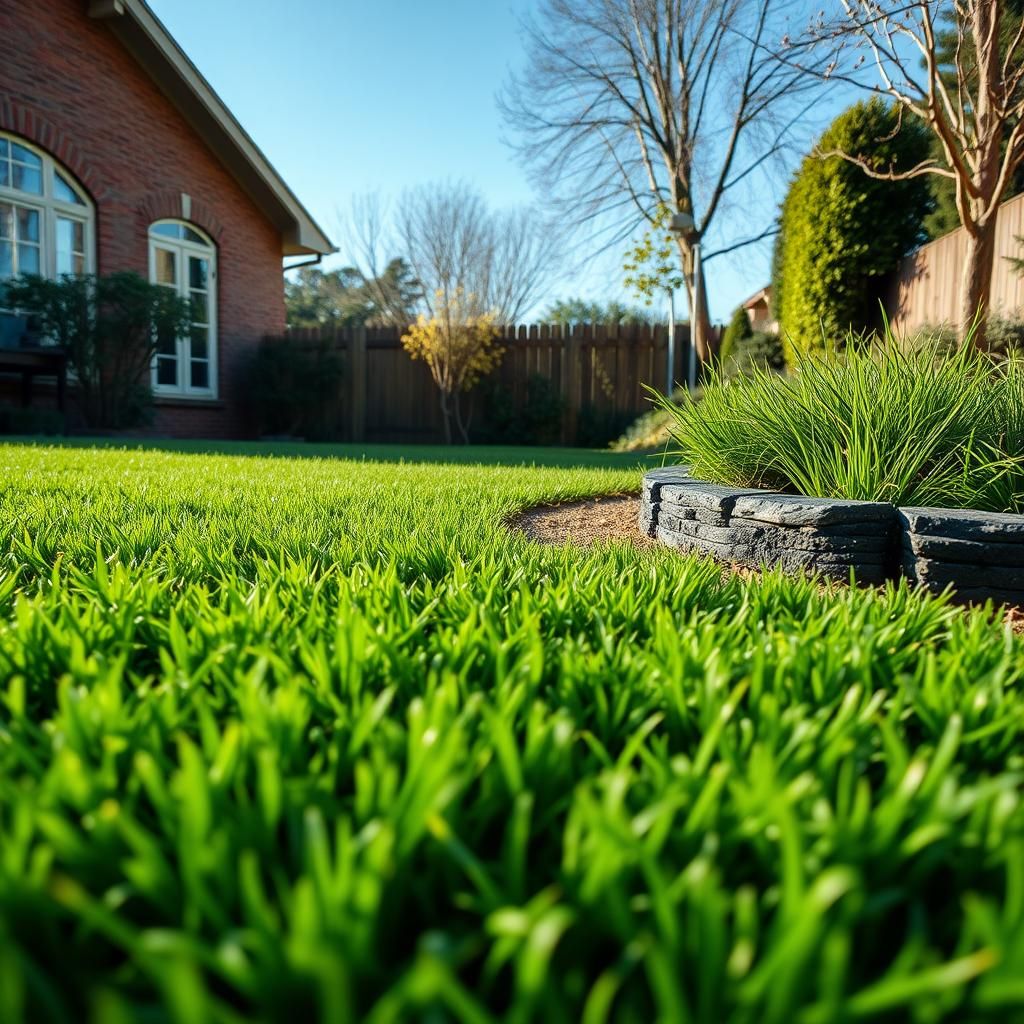
Transforming your outdoor space with a lush, green lawn doesn't have to break the bank. Many homeowners dream of a picturesque yard, but the cost of installing a new lawn can often seem overwhelming. Fortunately, there are several budget-friendly solutions to achieve that perfect landscape without draining your wallet. In this article, we'll explore the cheapest methods for creating a new lawn, including DIY techniques, cost-effective materials, and practical tips to save on labor. Whether you're starting from scratch or renovating an existing space, these strategies will help you cultivate a beautiful lawn that fits your budget.
Cost-Effective Methods for Establishing a New Lawn
Establishing a new lawn can be accomplished in an affordable manner through careful planning and the use of inexpensive materials. One of the most cost-effective strategies is to consider sowing seeds instead of laying sod, as the former tends to be significantly cheaper. Additionally, selecting native grasses that are well-adapted to your local climate can reduce maintenance costs and enhance growth success. Utilizing compost from home or local sources can also improve soil quality without the expense of commercial fertilizers. Regular watering, particularly during the germination phase, is vital and can often be efficiently managed using rain barrels. Therefore, assessing these various approaches can lead to a beautiful and affordable lawn that suits your financial and environmental needs.
Choosing Grass Seed Over Sod
Opting for grass seed instead of sod is one of the most economical ways to establish a lawn. While sod may provide instant results, it typically comes with a higher price tag due to labor and delivery costs. On the other hand, quality grass seed can be acquired at a fraction of the cost, and many varieties are specially formulated for quick germination and robust growth. Additionally, sowing seed allows homeowners to tailor their choice of grass to the specific climate and soil conditions of their yard, further enhancing cost-effectiveness.
Utilizing Native Grasses
Incorporating native grasses into your lawn plan can greatly reduce both initial costs and long-term maintenance. Native grasses are adapted to the local environment, requiring less water, fertilizer, and pest control compared to non-native species. By choosing these grasses, homeowners can minimize both installation and ongoing upkeep expenses, while promoting biodiversity in the ecosystem. Furthermore, native grasses tend to be more resilient against local pests and diseases, reducing the need for chemical interventions.
Improving Soil Quality with Homemade Compost
Creating homemade compost is an excellent way to enrich your soil without incurring high costs associated with commercial fertilizers. Composting kitchen scraps, yard waste, and other organic materials not only provides essential nutrients for grass growth but also improves soil structure and moisture retention. This natural amendment leads to healthier, more vigorous grass without the harmful chemicals often found in conventional fertilizers. Setting up a simple compost bin is a low-cost investment that pays off in the long run.
Watering Efficiently
Effective watering practices are crucial, especially when establishing a new lawn. Utilizing rain barrels to collect rainwater provides an economical and sustainable way to ensure your grass gets the necessary hydration. Implementing a watering schedule that focuses on early mornings or late evenings can reduce evaporation loss and lower water costs. Furthermore, using soaker hoses or drip irrigation systems can deliver water directly to the roots, optimizing water usage and making the establishment process more efficient.
Estimating Costs with a Table
| Method | Estimated Cost | Notes |
|---|---|---|
| Grass Seed | $0.10 - $0.20 per sq. ft. | More affordable than sod; choose local varieties. |
| Native Grasses | Varies by species | Lower maintenance costs and higher resilience. |
| Homemade Compost | Free - minimal cost | Utilizes kitchen and yard waste. |
| Rain Barrels | $50 - $150 | Reduces water bills; effective for irrigation. |
| Drip Irrigation | $100 - $300 | Efficient water usage; initial setup cost. |
What is the cheapest method of lawn making?
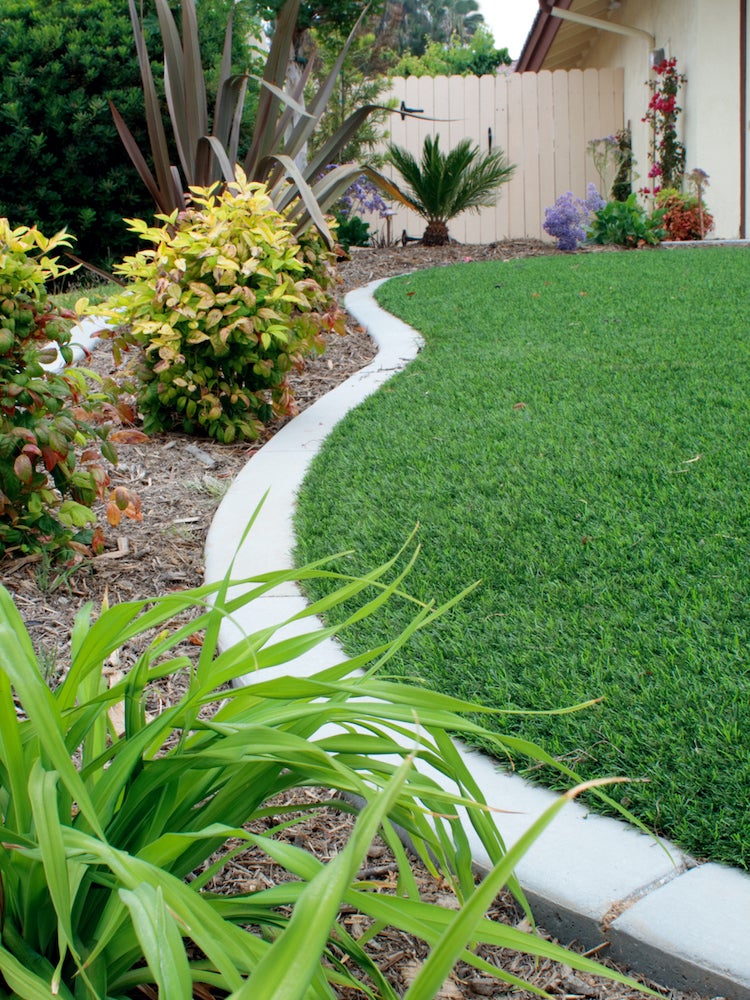
The cheapest method of lawn making typically involves using seed instead of sod. This approach allows for the growth of a new lawn at a significantly lower cost, although it requires patience and proper care to ensure the grass establishes well.
Benefits of Grass Seeding
Seeding a lawn has several benefits that contribute to its affordability. When you choose to seed rather than sod, you can enjoy the following advantages:
- Cost-Effective: Seeding is often much cheaper than purchasing sod rolls.
- Variety of Grass Types: You can select seeds that are appropriate for your local climate and soil conditions.
- Customization: You can blend different types of grass seeds to achieve a lush and resilient lawn.
Preparation of the Soil
Proper soil preparation is crucial for successful grass seeding. This involves assessing the soil quality and taking steps to improve it if necessary:
See also:
- Soil Testing: Conduct a soil test to check pH levels and nutrient content.
- Tilling: Loosen the top few inches of soil to provide a good seedbed.
- Adding Amendments: Incorporate organic matter or fertilizer to enhance soil quality.
Choosing the Right Seeds
Selecting the right type of grass seeds is essential for a thriving lawn. Different grass types serve various purposes:
- Cool-Season Grasses: Best for northern climates (e.g., Kentucky bluegrass, fescue).
- Warm-Season Grasses: Ideal for southern climates (e.g., Bermuda, Zoysia).
- Blends: Consider using a mix of grass types to create a robust lawn suitable for your region.
Seeding Techniques
How you seed your lawn can impact the success of germination. There are several effective techniques:
- Broadcast Method: Distribute seeds evenly by hand or using a spreader for uniform coverage.
- Row Method: Plant seeds in rows to conserve seeds and ensure optimal spacing.
- Hydroseeding: Mix seed with water and mulch for quick and even application, especially over large areas.
Maintaining Your New Lawn
Post-seeding care is vital for the establishment and longevity of your lawn. Consider the following maintenance tips:
- Watering: Keep the soil consistently moist until the seeds germinate.
- Weed Control: Monitor for weeds and remove them to reduce competition for nutrients.
- Fertilization: Apply a starter fertilizer to provide essential nutrients for growing grass.
What is the cheapest way to start a lawn?
To establish a lawn economically, there are several cost-effective methods that can be employed. The cheapest way typically involves seeding rather than laying sod, along with proper timing and preparation techniques. Here’s a detailed look at several approaches to starting a lawn affordably.
Choosing the Right Grass Seed
Selecting the appropriate grass seed for your region is crucial for a successful lawn establishment. This choice can affect not only the health of your lawn but also the overall costs.
- Cool-season grasses are often cheaper and more suitable for northern regions.
- Warm-season grasses are ideal for southern areas and can be established more easily in warmer months.
- Consider local climate and sun/shade conditions when choosing seeds to avoid costly mistakes.
Preparing the Soil
One of the most significant steps in starting a lawn on a budget is adequately preparing the soil. This can prevent future expenses related to poor growth or pest problems.
- Test the soil to determine the nutrient levels and pH balance, ensuring they are optimal for your grass type.
- Remove any existing weeds or debris that could compete with new grass seeds.
- Till or aerate the soil to enhance drainage and root penetration.
Timing Your Seeding
Planting grass seeds at the right time can greatly reduce the costs tied to maintenance and watering. The best time to sow seeds often depends on the type of grass you choose.
- For cool-season grasses, aim for early spring or late summer.
- For warm-season grasses, late spring through early summer is typically ideal.
- Observe local weather conditions to avoid extreme temperatures that could hinder germination.
Watering Wisely
Watering is a critical aspect of establishing a lawn, and doing so efficiently can save you money on water bills and ensure better growth.
- Implement deep watering rather than frequent shallow watering to encourage deep root growth.
- Use a sprinkler timer to manage water usage effectively and prevent overwatering.
- Collect rainwater in barrels to supplement your watering needs, if possible.
Maintaining Your New Lawn
Once your lawn is established, regular maintenance can keep it healthy without incurring unnecessary costs.
See also:
- Practice mowing at the right height to promote healthy grass while preventing weeds.
- Fertilize moderately, focusing on organic options to reduce costs.
- Keep an eye out for pests and disease, addressing problems early to avoid more significant expenses.
What is the cheapest thing to replace grass with?
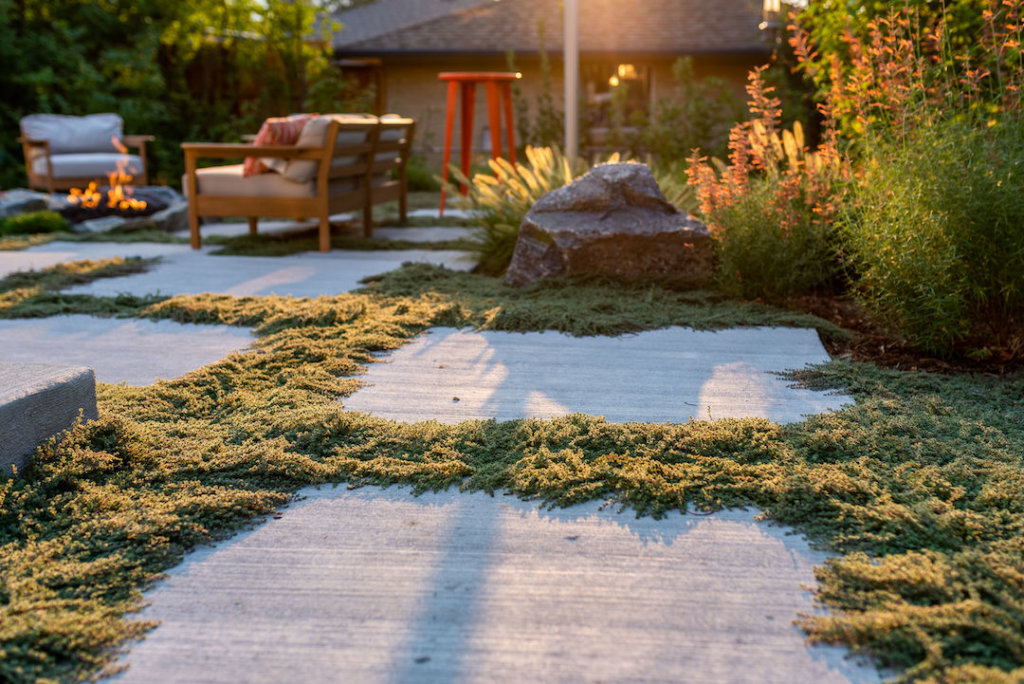
The cheapest alternatives to replace grass can vary based on a variety of factors such as climate, maintenance level, and aesthetic preferences. However, some of the most economical options include:
1. Clover: Clover is often considered one of the least expensive options to replace grass. It requires less water and fertilizer and can actually help improve soil quality.
2. Moss: Especially suitable for shady areas, moss can be an inexpensive option if you have moist and shaded conditions in your yard.
3. Drought-tolerant ground cover: Plants like sedum or thyme are hardy and can thrive in various conditions while minimizing water needs.
4. Gravel or stone: These hardscaping materials are durable and require minimal maintenance, making them a cost-effective and permanent solution.
5. Artificial turf: While initial costs can be higher, artificial turf can save money in the long run due to lower maintenance costs.
Clover as a Grass Alternative
Clover is a fantastic substitute for grass because of its ability to thrive in a variety of environments. It is a nitrogen-fixing plant, meaning it can enrich the soil naturally, reducing the need for chemical fertilizers. Here are some reasons to consider clover:
- Low-maintenance: Once established, clover requires very little upkeep.
- Cost-effective: Seeds are inexpensive, and growth is rapid.
- Attractive: Clover produces small white or purple flowers that can enhance your landscape.
Moss for Shady Areas
Moss is an ideal choice for areas where grass struggles to grow, particularly in shaded or moist environments. It creates a lush, green cover that is soft underfoot. The benefits of using moss include:
- Minimal water requirements: Moss can thrive in damp areas without extensive irrigation.
- Soft texture: The feel of moss underfoot can be more pleasant than traditional grasses.
- Low maintenance: Moss requires virtually no mowing or fertilization.
Drought-tolerant Ground Covers
Drought-tolerant ground covers, such as sedum and thyme, are perfect for homeowners looking to reduce water usage and maintenance costs. These plants can adapt to various environmental conditions while maintaining an attractive appearance. Key points include:
- Water efficiency: These ground covers typically require minimal irrigation, helping save on water bills.
- Variety of textures: They offer different colors and textures, adding interest to your landscape.
- Wildlife-friendly: Many drought-tolerant plants support local pollinators.
Gravel or Stone Landscaping
Using gravel or stone is a permanent and low-maintenance solution to replace grass in your yard. This option can be particularly appealing for people looking to create a modern or rustic landscape. Consider these benefits:
- Durability: Stone and gravel do not wear out over time; they last for many years.
- Low maintenance: No mowing or watering is required, making it an easy care option.
- Design flexibility: Gravel can be shaped into various designs, pathways, or decorative borders.
Artificial Turf Options
While the initial installation cost of artificial turf can be higher than other options, the long-term savings on maintenance make it a significant consideration for many homeowners. The advantages include:
- Year-round greenery: Artificial turf remains lush and green regardless of weather conditions.
- No mowing or watering: This saves time and resources, making it ideal for busy lifestyles.
- Environmental benefits: Reduces water consumption and eliminates the need for pesticides and fertilizers.
Questions from Our Readers
What are the most affordable types of grass for lawns?
Choosing the right type of grass is crucial for establishing a new lawn on a budget. Options like perennial ryegrass or Bermudagrass are often recommended for their low cost and quick growth, making them suitable for DIY projects.
Can I install a lawn myself to save money?
Absolutely! By opting for a DIY installation, you can significantly cut down on costs. It involves preparing the soil, buying seed or sod, and maintaining it, but the savings on labor can make it a worthwhile effort.
See also:
Is it cheaper to use grass seed or sod?
Generally, grass seed is less expensive than sod, making it the more economical choice for starting a new lawn. However, while grass seed may take longer to establish, it usually results in a stronger and more sustainable lawn over time.
Are there any cost-effective lawn care tips after installation?
Yes, to maintain a healthy lawn without overspending, focus on regular mowing, efficient watering, and using organic fertilizers. This will help save money long-term and ensure your lawn thrives while avoiding costly repairs or replacements.
If you want to read more articles like What is the cheapest way to get a new lawn? Top Tips and Budget-Friendly Solutions, we recommend you check out our Lawn category.
Leave a Reply
Related Articles