Understanding What is the Meaning of Turf in Landscaping: A Comprehensive Guide
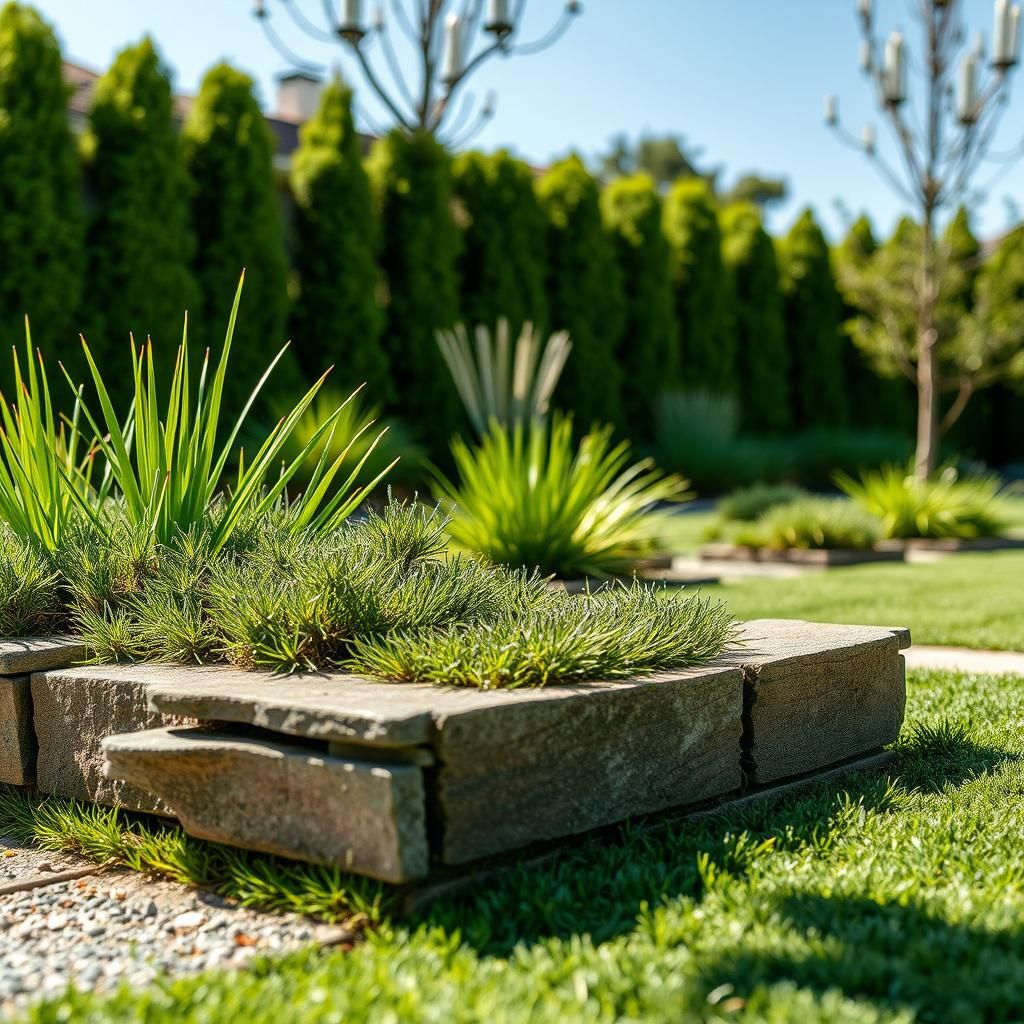
Turf is a vital component in landscaping, serving as both an aesthetic feature and a functional element in outdoor spaces. Understanding its meaning and application is essential for both homeowners and landscape professionals. This comprehensive guide delves into the types of turf available, their benefits, and how to properly install and maintain them. By exploring various aspects of turf, including the differences between natural and synthetic options, readers will gain insights into selecting the right type for their specific needs. Whether for a lush lawn or decorative purposes, turf plays a significant role in enhancing the beauty and usability of landscapes.
Understanding the Role of Turf in Landscaping
Turf refers to a layer of grass and the soil it is rooted in, often used in landscaping to create an aesthetically pleasing and functional outdoor space. This term encompasses various types of grass that are cultivated for use in lawns, parks, sports fields, and other recreational areas. Turf helps in minimizing soil erosion, enhancing the visual appeal, and providing a soft surface for activities. In landscaping, the choice of turf can significantly influence the overall design, maintenance requirements, and ecological impact of a given space.
Types of Turf Grass
There are several types of turf grass, each suited for different climates and uses. Cool-season grasses, like fescue and Kentucky bluegrass, thrive in areas with cold winters and hot summers, while warm-season grasses, such as Bermudagrass and Zoysiagrass, are ideal for warmer regions. Understanding the specific characteristics and growth patterns of these grasses is crucial for successful landscaping projects, ensuring that the grass chosen not only maintains health but also complements the overall landscape design.
Benefits of Turf in Landscaping
Turf provides numerous benefits in landscaping, such as environmental protection, aesthetic appeal, and recreational use. It plays a vital role in enhancing air quality through photosynthesis and contributes to reducing soil erosion by stabilizing the soil with its root system. Additionally, having a well-maintained turf area can serve as a beautiful focal point that enhances the curb appeal of a property, making it more inviting for residents and visitors alike.
Maintenance Requirements for Turf
Maintaining turf requires a commitment to regular care practices. Essential maintenance tasks include mowing, fertilization, watering, and pest control. Mowing promotes healthy growth by encouraging the grass to spread and enhances density, while fertilization supplies essential nutrients. Watering must be balanced to prevent both drought stress and overwatering, which can lead to diseases. Regular monitoring helps manage pests and weeds effectively, ensuring the turf remains healthy and vibrant.
See also:
Choosing the Right Turf for Your Landscape
Choosing the right turf for your landscape involves assessing various factors such as climate, soil type, sun exposure, and intended use of the area. Conducting a soil test helps determine nutrient needs, while considering the local climate can guide selections between cool-season and warm-season grasses. Sunlight availability is another critical factor, as some turf types thrive in full sun while others prefer partial shade. Knowing the use of the area—be it for ornamental purposes, children’s play, or sports—will further inform the selection of the most appropriate turf varieties.
The Environmental Impact of Turf
Turf can have a significant environmental impact, both positive and negative. On the positive side, healthy turf can improve air quality, reduce carbon dioxide levels, and support biodiversity by providing habitats for various species. Conversely, poor turf management practices may lead to issues such as water runoff, excessive use of fertilizers, and pesticide application that can harm local ecosystems. Sustainable practices, such as using drought-resistant grass varieties and organic fertilizers, can help mitigate these negative impacts, promoting environmental health while maintaining aesthetic value.
| Type of Turf | Suitable Climate | Main Use |
|---|---|---|
| Kentucky Bluegrass | Cool-season | Lawns and Parks |
| Bermudagrass | Warm-season | Sports Fields and Lawns |
| Zoysiagrass | Warm-season | General Use |
| Perennial Ryegrass | Cool-season | Quick Establishment |
| Fine Fescue | Cool-season | Shaded Areas |
Exploring the Different Types of Turf Used in Landscaping
Turf refers to a layer of soil that is covered with grass and plant roots, commonly used in landscaping to create a lush, green aesthetic. In the context of landscaping, turf serves multiple purposes including aesthetic appeal, environmental benefits, and practical uses in recreational areas. Understanding the different types of turf available—such as natural grass, artificial turf, and sod—is essential for homeowners and landscape professionals alike. Each type of turf has distinct characteristics that cater to various climates, maintenance requirements, and intended uses, making it crucial to choose the most suitable type for your specific landscape needs.
The Benefits of Natural Grass Turf
Natural grass turf offers numerous environmental benefits, such as improving air quality and providing habitat for wildlife. It acts as a natural insulator, helping to regulate ground temperatures and reduce rainwater runoff. Additionally, natural grass enhances the aesthetic value of landscapes, contributing to the overall beauty of residential and commercial properties. The ability of natural grass to absorb carbon dioxide while releasing oxygen also plays a significant role in combating climate change, making it an eco-friendly choice for landscape designers.
Understanding Artificial Turf Options
Artificial turf, made from synthetic fibers, provides a durable and low-maintenance alternative to natural grass. It is ideal for areas where natural grass struggles to thrive due to heavy foot traffic or adverse weather conditions. The key advantages of artificial turf include its resistance to pests and weeds, consistent appearance regardless of seasonal changes, and lower water consumption compared to natural grass. While it may have a higher initial installation cost, the long-term savings in maintenance and water usage can make it an attractive option for many property owners.
See also:
Exploring the Process of Installing Sod
Sod installation involves laying pre-grown sections of grass on prepared soil, providing an almost instantaneous green lawn. This method is particularly popular among homeowners who want immediate results without the lengthy wait for seeds to germinate. Proper preparation of the soil, including tilling and leveling, is crucial to ensure successful sod growth. Additionally, adequate watering and ongoing maintenance are required to establish healthy root systems. Understanding the installation process can significantly improve the survival and longevity of sod in new landscapes.
Maintenance Practices for Healthy Turf
Regular maintenance is essential for keeping turf healthy and vibrant. Key practices include mowing, fertilization, and adequate irrigation to support growth. Mowing at the proper height encourages healthy root development and prevents weeds from taking over. Additionally, seasonal fertilization provides essential nutrients, while adjusting irrigation routines based on weather conditions ensures that turf remains well-hydrated without over-watering. Understanding these maintenance practices can help property owners achieve and sustain a beautiful landscape year-round.
Environmental Considerations When Choosing Turf
When selecting turf for landscaping, it's important to consider the environmental impact of different options. Native grass varieties tend to require less water and maintenance, as they are better suited to local conditions and pests. Choosing sustainable turf options can help minimize ecological footprints while promoting biodiversity. Moreover, factors such as water conservation, soil health, and the local ecosystem can influence the best choice of turf for any landscaping project, making environmental awareness a critical aspect of turf selection.
Questions from Our Readers
What is turf in landscaping?
Turf in landscaping refers to a layer of soil that is covered with grass and the roots of the grass plants. It is commonly used to create a lush, green lawn and can be natural or artificial, providing an aesthetic and functional surface for various outdoor activities.
What are the benefits of using turf in landscaping?
The benefits of using turf include improved aesthetics, enhanced drainage, and a soft surface for recreational activities. Additionally, natural turf can help in reducing heat and improving air quality, making it an environmentally friendly landscaping choice.
See also:
How is turf installed in landscaping projects?
Turf installation typically involves several steps, including preparing the soil, leveling the area, and laying down the turf pieces in a staggered pattern. Proper watering and maintenance post-installation are essential to ensure the turf establishes well and remains healthy.
Can turf be used in all climates?
While turf can be adapted for various climates, its suitability depends on the type of grass or material used. For example, warm-season grasses thrive in hot climates, while cool-season grasses are better suited for cooler temperatures. It's important to select the right type for your specific environment.

If you want to read more articles like Understanding What is the Meaning of Turf in Landscaping: A Comprehensive Guide, we recommend you check out our Turf category.
Leave a Reply
Related Articles