Should You Compact Soil Before Laying Turf? Essential Tips for a Healthy Lawn
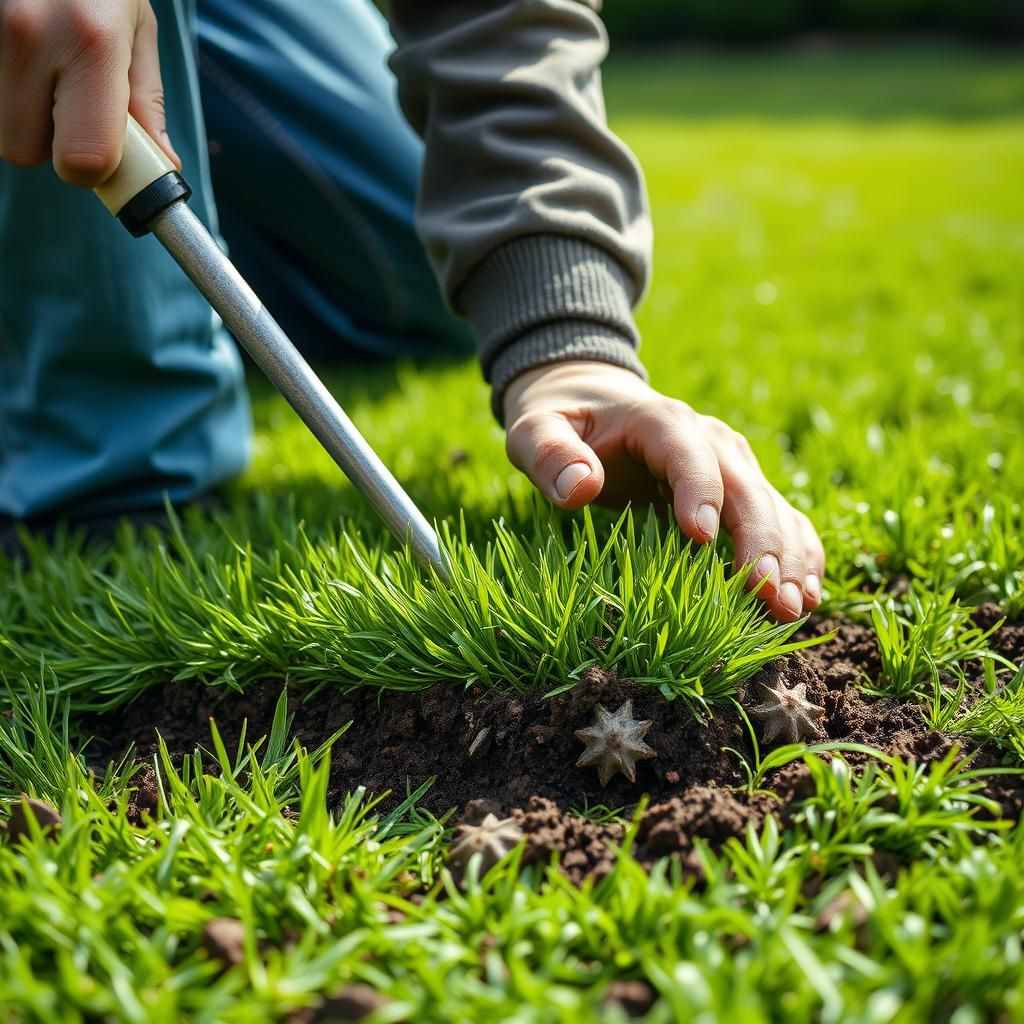
When it comes to establishing a lush, healthy lawn, soil preparation is a crucial step that often gets overlooked. One common question homeowners face is whether they should compact the soil before laying turf. Compaction can influence water retention, nutrient availability, and root development in the new grass. This article will explore the importance of soil compaction, its benefits and drawbacks, and provide essential tips to ensure your lawn thrives. By understanding the role of soil preparation, you can enhance the longevity and appearance of your turf, paving the way for a vibrant green space in your yard.
Should You Compact Soil Before Laying Turf?
Compacting the soil before laying turf is a crucial step that can significantly impact the success of your lawn installation. Proper compaction creates a firm, stable foundation which helps in reducing air pockets and promoting better water retention and root establishment. If the soil is too loose, it can lead to uneven settling once the grass is laid, resulting in patchy growth and diminishing the overall vitality of the turf. However, it's important not to over-compact, as this can lead to soil that is too dense, restricting drainage and impeding root growth. A balanced approach is necessary to ensure that the turf thrives in its new environment.
Benefits of Soil Compaction
Compacting soil before laying turf has several benefits, including improved stability and enhanced water retention. A compacted surface helps the roots of the grass establish themselves more efficiently, allowing for quicker growth and a stronger lawn. Furthermore, it minimizes the likelihood of weeds, as a firm surface restricts the growth of undesirable plants. Overall, the process lays the groundwork for a healthier, more resilient turf.
How to Measure Soil Compaction
To determine if the soil requires compaction, you can perform a simple test. Press a garden spade or a similar tool into the ground; if it meets significant resistance, the soil may be too compacted or simply needs aeration. If it sinks easily and the texture feels loose, compaction is likely needed. For more precise measurements, there are compaction meters available that can provide readings on the density of the soil, ensuring that you achieve the ideal conditions for laying turf.
Methods of Soil Compaction
There are several methods to achieve optimal soil compaction. Using a plate compactor or roller is effective for larger spaces, compressing the soil uniformly and thoroughly. For smaller areas or more delicate tasks, a hand tamper may be sufficient. Additionally, moistening the soil slightly before compaction can help achieve a better outcome, as slightly wet soil compacts more effectively, leading to a uniformly dense surface without becoming excessively hard.
See also:
Signs of Over-Compaction
Over-compaction can be detrimental to your turf's health, and recognizing the signs is essential. Look out for symptoms such as poor drainage, surface crusting, and easily visible surface cracks. Other indicators include grass struggling to take root, thin growth, and increased heat in the soil, which can be harmful to living organisms necessary for maintaining soil health. If you notice these signs, it is crucial to aerate the soil before proceeding with turf installation.
Alternative Techniques to Improve Soil Quality
If soil compaction isn't yielding the desired effect, consider alternative techniques to improve soil quality. Techniques such as aeration, incorporating organic matter like compost, and using starter fertilizers can enhance soil structure and promote better root growth, complementing the benefits gained from appropriate compaction. Regular maintenance practices such as tilling and applying mulch can also improve the nutrient retention and overall health of the soil, further ensuring that your turf flourishes when laid.
| Method | Effectiveness | Ideal Use |
|---|---|---|
| Plate Compactor | High | Large areas |
| Hand Tamper | Moderate | Small zones |
| Aeration | High | Over compacted areas |
| Moistening Soil | Moderate | Before compaction |
| Incorporating Organic Matter | High | Improving soil structure |
Importance of Soil Preparation for Turf Health
Proper soil preparation is crucial before laying turf to ensure a vibrant and healthy lawn. Before you compact the soil, it's essential to assess its moisture content; overly dry or wet soils can lead to inadequate compaction and poor root establishment. Ideally, the soil should be slightly damp, allowing it to be compacted without turning it into a solid mass, which would hinder drainage and root growth. Additionally, using a roller or plate compactor in a systematic manner helps achieve an even surface that prevents air pockets, ensuring that the roots of the turf can penetrate into the soil effectively. This preparation phase sets the foundation for the turf, enhancing its ability to absorb nutrients and water, which are vital for a green and thriving lawn.
Understanding Soil Types and Their Properties
Different soil types can significantly affect how well turf thrives. Sandy soils, while excellent for drainage, may require more compaction to prevent the turf from drying out, whereas clay soils can become heavy and prone to compaction that limits water movement. Knowing the properties of your soil, such as its drainage ability and nutrient content, allows you to tailor your soil preparation strategy, ensuring that the turf receives the best possible environment for growth.
The Role of Soil Compaction in Lawn Establishment
Soil compaction is crucial for creating a solid base for turf installation. When done correctly, it enhances the soil's density, which leads to better contact between the soil and the turf roots. This enhanced contact promotes efficient water and nutrient uptake, fostering strong growth. However, excessive compaction can lead to issues like poor drainage and root suffocation, indicating the need for a balanced approach to achieve an ideal compromise between soil firmness and porosity.
See also:
Tools and Techniques for Effective Compaction
To achieve effective soil compaction, various tools such as a mechanical roller, plate compactor, or even manual methods like a tamping tool can be utilized. It is essential to apply consistent pressure across the entire area while compacting, ensuring uniform density. Additionally, compacting in layers of a few inches at a time rather than one thick layer promotes better texture and reduces the risk of soil settlement or shifting after the turf is laid.
Timing Your Soil Compaction for Optimal Results
The timing of soil compaction significantly influences the effectiveness of turf establishment. It is advisable to compact the soil shortly after grading and leveling but before laying down the turf. This ensures that the soil remains workable, and you can adjust the moisture level accordingly. Compaction during dry periods may require additional moisture, while doing so in wet conditions may lead to clumping, making it crucial to monitor weather forecasts and soil conditions closely during preparation.
Aftercare for Compact Soil and New Turf
After laying the turf on compacted soil, proper aftercare is essential to promote a healthy lawn. Watering should be done regularly, allowing for deep soaking to encourage the roots to penetrate the compacted soil below. Avoid heavy foot traffic on the newly laid turf for a few weeks to ensure it establishes well without stressing the soil structure. Fertilizing with an appropriate starter fertilizer can also help provide the necessary nutrients to support root development in the compacted soil.
Questions from Our Readers
Should you compact soil before laying turf?
Yes, you should compact soil before laying turf to create a stable foundation. Compacting helps to eliminate air pockets and provides a level surface for the turf, which can result in better root establishment and overall health of the grass.
What is the best way to compact soil?
The best way to compact soil is to use a plate compactor or a hand tamper, depending on the area size. Make sure to moisten the soil slightly before compacting, as this can improve the compaction process and help achieve a denser and more stable base.
See also:
Does compacted soil affect drainage?
Yes, compacted soil can negatively affect drainage. If the soil is overly compacted, it may lead to poor water percolation, causing waterlogging and preventing the grass roots from accessing necessary moisture, which can hinder turf growth.
How long should you wait after compacting before laying turf?
It is advisable to wait at least 24 hours after compacting before laying turf. This waiting period allows the soil to settle properly and ensures that you have an optimal surface for turf installation, reducing the risk of unevenness or displacement.

If you want to read more articles like Should You Compact Soil Before Laying Turf? Essential Tips for a Healthy Lawn, we recommend you check out our Turf category.
Leave a Reply
Related Articles