Ultimate Guide: How Long Does a Pear Tree Take to Bear Fruit?

When it comes to cultivating fruit trees, patience is key, and pear trees are no exception. If you're considering planting a pear tree, you may be wondering how long it will take for your efforts to bear fruit. This ultimate guide will walk you through the various factors that influence the time it takes for a pear tree to produce its first harvest. From the variety of the tree to the care and conditions it receives, we will explore all the elements that play a crucial role in determining when you can expect to enjoy the sweet rewards of your labor.
How Long Does a Pear Tree Take to Bear Fruit?
A pear tree typically takes about 3 to 7 years to start bearing fruit after being planted, depending on the variety and growing conditions. For example, some standard pear varieties may take longer, whereas dwarf types can bear fruit sooner due to their faster maturity rate. Factors such as soil quality, adequate sunlight, proper watering, and the tree’s overall care significantly influence the time frame. It’s essential to provide the right conditions to encourage healthy growth and fruit production.
Factors Affecting Fruit Production Time
Several factors play a crucial role in determining how long it takes for a pear tree to produce fruit. These include the variety of pear tree, soil quality, climate, and overall tree health. Dwarf varieties usually produce fruit earlier compared to standard ones. Additionally, well-draining soil and access to sufficient sunlight can significantly enhance the tree's growth rate, impacting the time it takes before the first fruits appear.
Common Pear Tree Varieties
Different varieties of pear trees have varying timelines for fruit production. For instance, the 'Bartlett' pear can start bearing fruit in about 3 to 6 years, while 'Anjou' might take around 4 to 7 years. It is essential for gardeners to choose the right variety based on their local climate and soil conditions, as this will influence not just taste but also the time frame for harvest.
Care Requirements for Pear Trees
Proper care is fundamental to ensuring a healthy, fruitful pear tree. This includes regular watering, proper fertilization, and appropriate pruning. Pear trees thrive in well-aerated, moist soil and require regular feeding to ensure that all necessary nutrients are available for growth and fruiting. Neglecting these care aspects could delay the time it takes to start producing fruit.
Impact of Climate on Fruit Bearage
The climate where a pear tree is planted greatly influences its fruit bearing timeline. Pear trees generally prefer temperate climates with a cold winter to promote dormancy and flowering in spring. In regions with unsuitable or extreme climates, trees may take longer to produce fruit or may not produce at all. Understanding the local climate is essential for selecting the proper variety and care practices.
Harvesting and Pollination Considerations
Successful pollination is key to achieving fruit set in pear trees. Many pear varieties are not self-fertile and require cross-pollination from another variety for optimal fruit production. Ensuring that compatible pear trees are planted nearby helps increase the chances of successful pollination, ultimately shortening the time to bear fruit. Be mindful of the harvesting period as well, as it can affect the tree's future productivity.
| Factor | Impact |
|---|---|
| Variety | Determines time for fruiting (3-7 years) |
| Soil Quality | Affects health and growth rate |
| Climate | Influences flowering and fruit set |
| Pollination | Essential for successful fruit production |
| Care Practices | Enhance overall growth and fruiting time |
What is the fastest fruit tree to bear fruit?
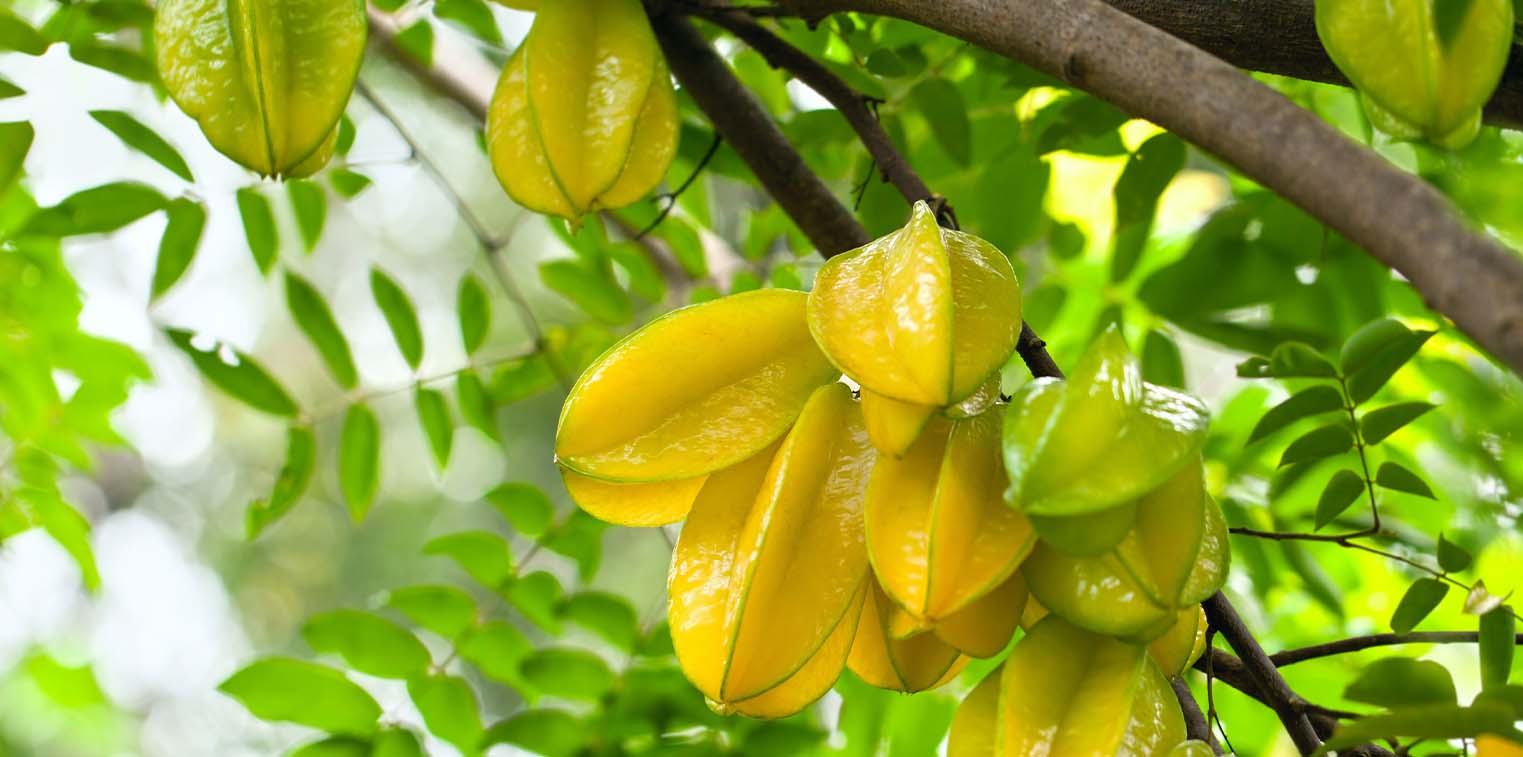
The fastest fruit tree to bear fruit is typically the dwarf fruit tree, particularly the dwarf cherry, which can start producing fruit in as little as 1 to 3 years after planting. These trees are bred specifically for rapid fruit development and compact growth, making them ideal for home gardens and smaller spaces. Other fast-producing varieties include fig trees, which can also yield fruit within a few years. Factors such as climate, care, and tree variety can influence growth rates and fruit production.
Types of Fast Fruit Trees
Fast-bearing fruit trees come in various types, each offering distinct flavors and uses. Here are some notable examples:
See also:
- Dwarf Cherry Trees: These trees produce cherries in record time, making them popular among gardeners.
- Fig Trees: Figs can yield fruit within two years, and they are relatively easy to care for.
- Peach Trees: Certain varieties can produce peaches in about three years of planting.
Factors Affecting Fruit Production
Various factors can impact how quickly a fruit tree bears fruit. Consider the following elements:
- Climate: Temperature and weather conditions can significantly affect growth rates.
- Soil Quality: Nutrient-rich soil can promote faster growth and healthier trees.
- Tree Care: Regular watering, pest control, and pruning can improve fruit yield.
Benefits of Fast-Bearing Trees
Choosing fast-bearing fruit trees can offer several advantages for gardeners, including:
- Quick Harvest: You can enjoy fruit in a shorter time frame, providing immediate gratification.
- Space Efficiency: Many fast-growing trees are compact, making them suitable for small gardens.
- Variety of Choices: Fast-bearing trees come in a range of species and flavors.
Best Practices for Growing Fast-Bearing Fruit Trees
To maximize fruit production, implementing best practices in care is essential:
- Proper Planting: Ensure trees are planted at the correct depth and spacing.
- Optimal Watering: Regularly water but avoid overwatering to prevent root rot.
- Fertilization: Use a balanced fertilizer to nourish young trees for better growth.
Common Pests and Diseases
Fast-growing fruit trees can be susceptible to certain pests and diseases. Awareness is key:
- Aphids: These insects can damage new shoots and leaves.
- Leaf Spot: A fungal disease that affects foliage, causing leaves to drop.
- Powdery Mildew: A common fungal infection that can disrupt fruit growth.
How big is a 2 year old pear tree?

A 2-year-old pear tree typically measures between 3 to 5 feet tall. The height can vary based on several factors, including the variety of the pear tree, the growing conditions, and the care it has received during its early growth. Generally, this is the period when the tree establishes its root system and begins to develop its trunk and branches.
Factors Affecting Growth
The growth of a 2-year-old pear tree can be influenced by multiple factors.
- Soil Quality: Quality soil with good drainage and nutrients promotes better growth.
- Climate: Favorable weather conditions such as the right amount of sunlight and rainfall are essential for healthy growth.
- Watering Practices: Consistent watering, especially in dry periods, aids the tree’s development.
Common Varieties of Pear Trees
Different varieties of pear trees can exhibit different growth patterns.
- Bartlett Pear: Known for its delicious fruit, it usually grows at a moderate rate.
- Asian Pear: This variety can be more vigorous, often reaching a height of up to 5 feet in two years.
- Green Anjou: Commonly grows to a similar height as Bartlett within the same period.
Ideal Planting Conditions
To ensure a pear tree thrives, it’s important to consider several ideal planting conditions.
- Sunlight: Pear trees thrive in full sun, requiring at least 6-8 hours of direct sunlight daily.
- Spacing: Sufficient space between trees (typically 15-20 feet apart) allows for proper growth and air circulation.
- Soil pH: A pH level between 6.0 and 7.0 is optimal for pear tree growth.
Maintenance Tips for Young Pear Trees
Young pear trees require specific maintenance practices to grow well.
See also:
- Pruning: Light pruning encourages a strong framework and healthy growth.
- Fertilization: Use a balanced fertilizer in early spring to promote healthy growth.
- Pest Control: Regularly check for pests and diseases, applying appropriate treatments as needed.
Expected Growth in the Coming Years
In the years following their second year, pear trees continue to grow and mature.
- Height Increase: A well-maintained pear tree can reach heights of 10 to 15 feet by maturity.
- Fruit Production: Many trees may begin producing fruit as early as 3 to 5 years old.
- Overall Health: Proper care will result in a longer lifespan and better fruit yield.
How old does a pear tree need to be to bear fruit?
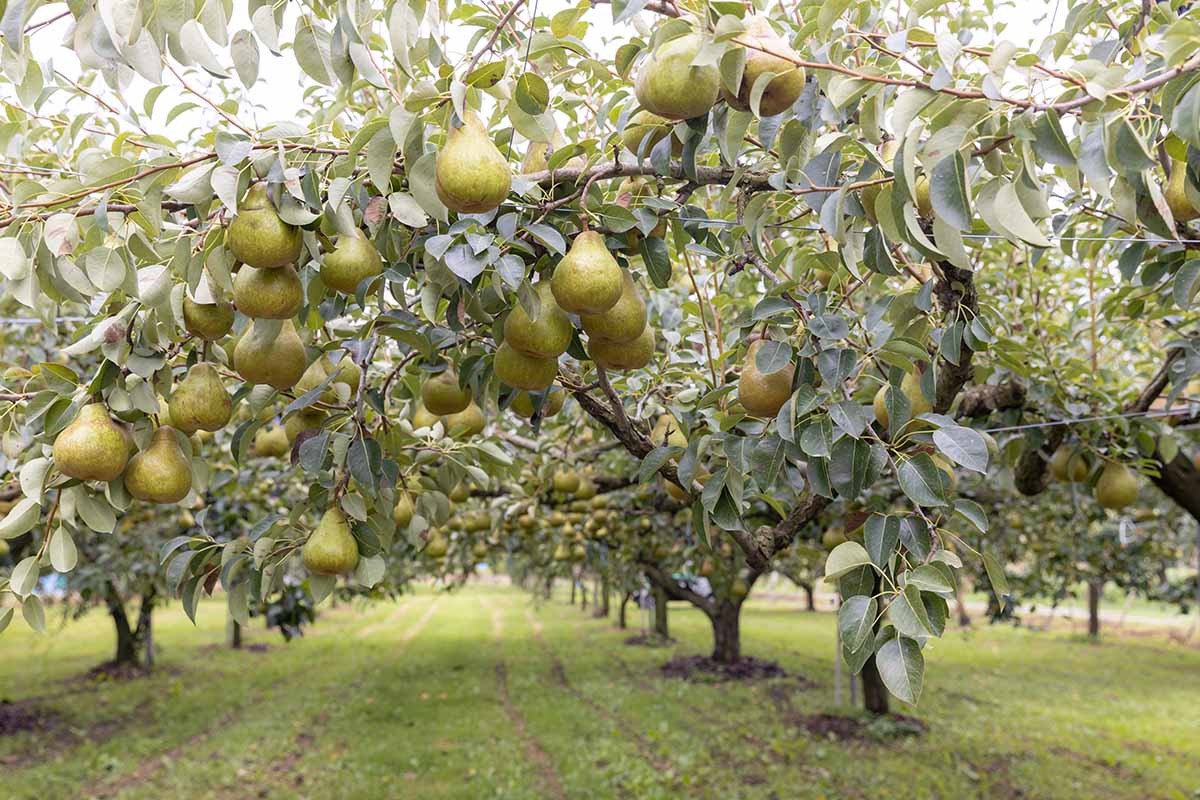
A pear tree typically needs to be between 3 to 6 years old to start bearing fruit. The exact age can vary depending on factors such as the specific variety of pear, growing conditions, and care provided to the tree. Generally, standard pear trees may take a bit longer to produce fruit compared to dwarf or semi-dwarf varieties, which may bear fruit sooner.
Factors Influencing Fruit Bearing Age
The age at which a pear tree begins to bear fruit can be affected by several environmental and genetic factors:
- Tree Variety: Different types of pear trees have different maturation times.
- Soil Quality: Nutrient-rich and well-drained soil can accelerate growth and fruit production.
- Watering Practices: Adequate watering during the growing season promotes healthy growth.
Planting Techniques for Early Fruiting
Proper planting techniques can enhance the chances of a pear tree bearing fruit sooner:
- Choose the Right Location: Full sunlight exposure boosts growth and fruiting.
- Spacing: Allow enough space between trees to promote air circulation and health.
- Use Supported Structures: Stakes can help support young trees as they grow.
Importance of Pruning
Pruning plays a vital role in the life of a pear tree and its fruit production:
- Encourages Strong Structure: Removing weak branches helps the tree focus energy on robust growth.
- Improves Airflow: Helps prevent diseases that can hinder fruit production.
- Increases Sunshine Exposure: Better light penetration can lead to more fruiting buds.
Nutritional Needs for Optimal Growth
A pear tree’s nutrient requirements are essential for ensuring timely fruiting:
- Fertilization: Using balanced fertilizers can enhance growth rates.
- Soil pH: Maintaining a pH between 6.0 to 7.0 is ideal for nutrient uptake.
- Organic Matter: Adding compost or well-rotted manure improves soil health.
Signs of Maturity in Pear Trees
Identifying when a pear tree is ready to bear fruit is important for gardeners:
- Leaf Development: Healthy, abundant foliage is a sign the tree is maturing.
- Branch Thickening: As the tree grows, branches should become thicker and stronger.
- Flower Bud Formation: The presence of flower buds is a clear indicator of upcoming fruit production.
Questions from Our Readers
How long does a pear tree take to bear fruit?
A pear tree typically takes about 3 to 8 years to bear fruit after planting, depending on the variety and growing conditions. Younger trees may take longer to produce, while grafted trees can bear fruit sooner.
What factors influence the time it takes for a pear tree to produce fruit?
Several factors influence the time it takes for a pear tree to produce fruit, including the tree type, climate, soil quality, and care practices. Proper watering, fertilization, and pruning can help expedite the fruiting process.
See also:
Do all varieties of pear trees take the same time to bear fruit?
No, not all varieties of pear trees have the same time frame for bearing fruit. For example, some dwarf varieties may start producing fruit in as little as 3 years, while standard varieties might take 5 to 8 years.
Can you speed up the process of a pear tree bearing fruit?
While you cannot completely rush the process, providing optimal growing conditions such as adequate sunlight, water, and nutrients can help encourage fruit production sooner. Additionally, proper pruning and pest control are vital for tree health and fruit yield.

If you want to read more articles like Ultimate Guide: How Long Does a Pear Tree Take to Bear Fruit?, we recommend you check out our Seeds category.
Leave a Reply
Related Articles