Ultimate Guide on How to Grow an Avocado Tree That Bears Fruit Successfully
Growing an avocado tree that bears fruit successfully can be a rewarding endeavor for gardening enthusiasts. With their creamy texture and rich flavor, avocados are not only a delicious addition to your meals but also a lucrative crop for home gardeners. In this ultimate guide, we will explore the essential steps to cultivate a thriving avocado tree, from seed selection and planting techniques to proper care and maintenance. Whether you're starting from a pit or purchasing a young tree, you'll find valuable tips and insights to ensure your avocado tree flourishes and produces a bountiful harvest year after year.
How to Successfully Grow an Avocado Tree That Bears Fruit
Growing an avocado tree that produces fruit requires careful attention to its growing conditions, including proper light, soil, and water. To get started, choose a suitable variety such as Hass, which is well-known for its rich flavor and high yield. Ensure that the tree receives at least 6 hours of sunlight daily, as this is essential for healthy growth and fruit production. Use well-draining soil with a slightly acidic pH for optimal nutrient absorption, and water the tree deeply but infrequently to avoid root rot. Be patient as avocado trees may take 3-4 years to produce fruit when grown from a seed and earlier if propagated from a nursery-grown sapling.
Selecting the Right Avocado Variety
To effectively grow an avocado tree that produces fruit, it is crucial to choose the right variety. The most common types include Hass, Fuerte, and Bacon. Each variety has its unique characteristics in terms of flavor, texture, and climate adaptability. Hass is known for its creamy flesh and rich taste, making it the most popular choice for home growers. Fuerte thrives in cooler climates and can tolerate lower temperatures, while Bacon offers a milder flavor. Researching and selecting the variety that best matches your local climate and personal taste preferences is the first step towards a thriving avocado tree.
Understanding Ideal Growing Conditions
The ideal conditions for growing an avocado tree include sunlight, soil type, and climate. Avocado trees prefer full sunlight, requiring at least 6 hours of direct light each day to thrive. They also need well-draining soil with a pH of 6 to 6.5, which helps prevent issues like root rot. Regarding climate, avocado trees are typically sensitive to frost; thus, they flourish best in USDA hardiness zones 9 through 11. Ensuring your avocado tree has the right conditions will significantly enhance its growth and fruit-bearing potential.
Watering and Fertilization Practices
Proper watering and fertilization techniques are essential for the health and productivity of your avocado tree. It is vital to provide deep watering to encourage shallow roots while ensuring excess water can drain freely to prevent rot. Generally, watering once a week should suffice, but this may vary based on climate and soil type. For fertilization, a balanced fertilizer rich in nitrogen, phosphorus, and potassium can support healthy growth and fruit development. Applying fertilizer in early spring as the growing season begins will give the avocado tree the nutrients it needs for robust growth.
Pruning Techniques for Healthy Growth
Pruning is an essential aspect of maintaining a healthy avocado tree that bears fruit. Regular pruning helps to improve air circulation and sunlight exposure within the tree, leading to more fruitful branches. The best time to prune is after the tree has finished flowering, as it will promote new growth for the next season. Focus on removing any dead or unhealthy branches and thinning out crowded areas to ensure that the tree can access the light and nutrients it needs. Additionally, shaping the tree can keep it manageable and encourage a robust fruiting structure.
Pest and Disease Management
Managing pests and diseases effectively is critical to growing a successful avocado tree. Common threats include avocado thrips, root rot, and fungal infections. Regular monitoring of your tree and quickly addressing any issues with appropriate organic or chemical treatments can save your crop. Maintaining optimal growing conditions, such as proper drainage and airflow, can also help prevent disease. Implementing natural pest deterrents, such as introducing beneficial insects, can reduce reliance on pesticides and promote a healthier growing environment for your avocado tree.
| Aspect | Recommended Practice |
|---|---|
| Watering Frequency | Once a week |
| Soil pH | 6 to 6.5 |
| Sunlight | At least 6 hours/day |
| Fertilizer Type | Balanced N-P-K (Nitrogen-Phosphorus-Potassium) |
| Pruning Time | After flowering |
How long does it take to grow an avocado tree that bears fruit?
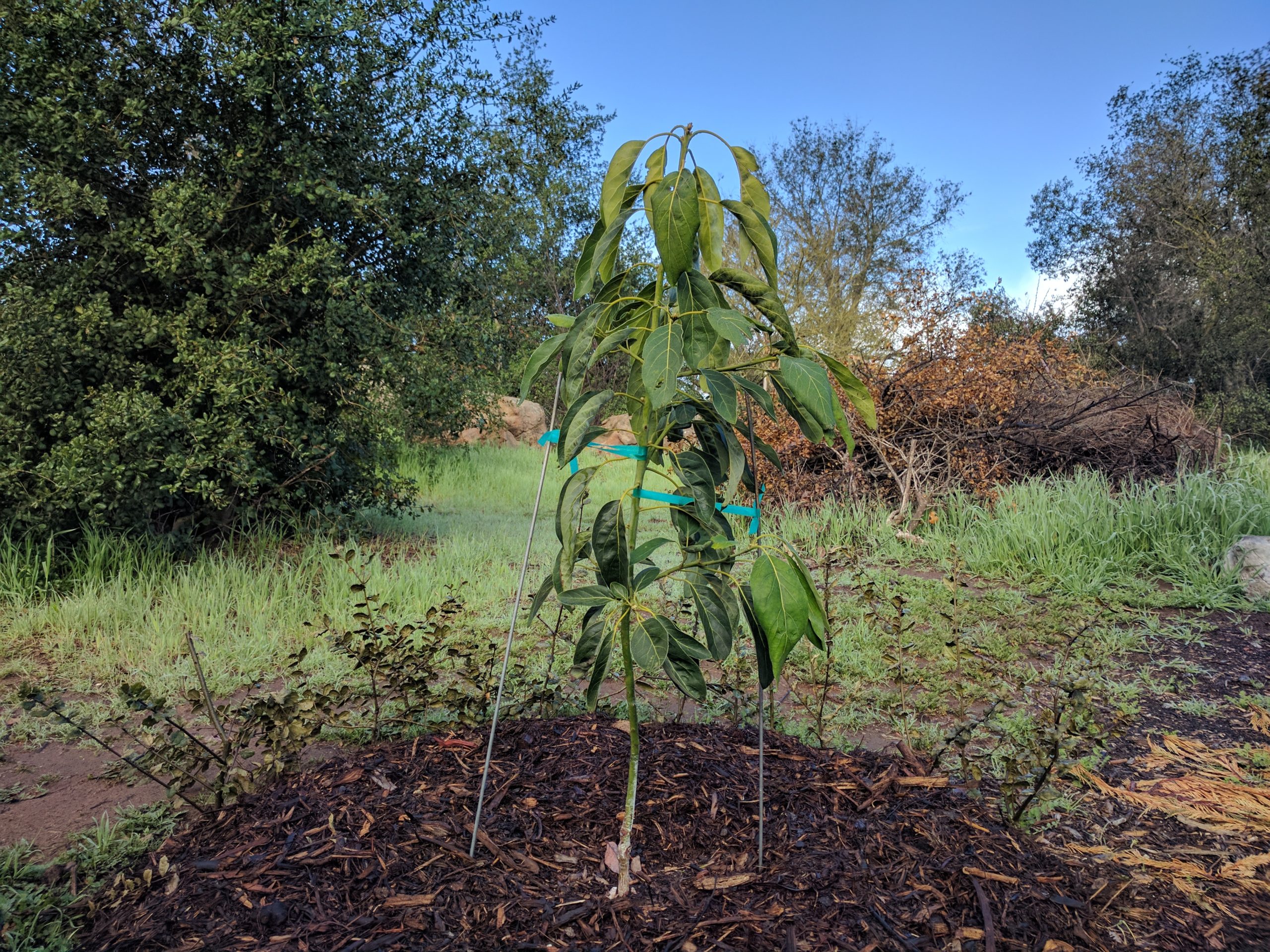

Growing an avocado tree that bears fruit takes time, and several factors can influence the duration. Generally, if you start with a grafted avocado tree, it may take around 3 to 4 years to start producing fruit. However, if you grow from seed, it can take significantly longer—often 5 to 13 years, depending on various growth conditions.
Factors Influencing Avocado Tree Growth
The rate at which an avocado tree grows and starts bearing fruit can be impacted by numerous factors:
- Variety: Different avocado varieties have varying growth rates.
- Climate: Warmer climates will typically promote faster growth.
- Soil Quality: Nutrient-rich, well-draining soil aids in quicker development.
Best Practices for Growing Avocado Trees
To ensure that your avocado tree grows effectively and bears fruit in a reasonable time, adhere to these best practices:
- Watering: Provide consistent moisture without waterlogging.
- Fertilization: Use a balanced fertilizer to enrich the soil regularly.
- Sunlight: Ensure the tree receives ample sunlight—ideally 6 to 8 hours daily.
Optimal Conditions for Fruiting
Creating the right environment is crucial for enhancing fruiting in avocado trees. Here are some conditions to consider:
- Temperature: Avocado trees thrive in temperatures between 60°F to 85°F.
- Pollen Cross-Pollination: Some varieties benefit from cross-pollination for better yields.
- Protection from Winds: Shield young trees from harsh winds which can impede growth.
Common Problems Affecting Growth
Several issues can affect the growth and fruiting of avocado trees, including:
- Pests: Infestations like root rot and scales can hinder development.
- Disease: Fungal infections can significantly affect health and productivity.
- Improper Pruning: Over-pruning can damage the tree and reduce fruit yield.
Timeframes for Different Growing Methods
Different methods of growing avocado trees will yield differing timeframes until fruiting:
- Seed Germination: From seed, expect a longer wait of 5 to 13 years.
- Grafted Trees: Typically fruit within 3 to 4 years of planting.
- Container Growing: Trees in pots may produce fruit sooner due to controlled conditions.
Will an avocado tree bear fruit if grown from a seed?

Yes, an avocado tree can bear fruit if it is grown from a seed, but there are several factors to consider regarding the likelihood of fruit production and the time it takes for this to occur. Generally, if you plant an avocado seed, it can take anywhere from 5 to 13 years for the tree to produce fruit, depending on various conditions such as care, environment, and the specific avocado variety.
See also:
Additionally, it's essential to note that the seed from which an avocado tree is grown does not guarantee that the resulting tree will produce fruit that is identical to the original avocado fruit. Many avocado trees grown from seed may also produce fruit with different characteristics, including size, flavor, and ripening time.
Factors Affecting Fruit Production
The production of fruit from an avocado tree grown from a seed depends on multiple elements:
- Genetics: The genetic makeup of the seed can influence the quality and quantity of fruit.
- Pollination: Avocado trees may require another tree nearby for cross-pollination to increase fruit set.
- Growing Conditions: Factors such as sunlight, water, soil type, and temperature can affect the growth and fruiting potential.
Timeframe for Fruit Production
Avocado trees grown from seed generally require a significant amount of time to bear fruit:
- Initial Growth: It can take 3 to 6 years for the tree to mature enough before it begins the flowering process.
- Time to Fruiting: Once flowering occurs, it may take an additional 6 to 18 months for the fruit to develop and ripen.
- Age Variability: The total time can be influenced by the specific species and growing conditions.
Care Requirements for Avocado Trees
Proper care is crucial to increase the chances of your avocado tree bearing fruit:
- Watering: Regular watering is essential, especially during dry periods, but avoid overwatering to prevent root rot.
- Fertilization: Applying balanced fertilizers can help provide the necessary nutrients for growth and fruit production.
- Pruning: Regular pruning can promote better airflow and sunlight penetration, which can lead to healthier growth.
Difference Between Seed-Grown and Grafted Trees
Seed-grown avocado trees can differ significantly from grafted trees in various ways:
- Fruit Quality: Grafted trees typically produce fruit sooner and of higher quality compared to those grown from seeds.
- Consistency: Avocado varieties propagated through grafting maintain consistent fruit characteristics, unlike seed-grown trees.
- Growth Rate: Grafted avocado trees generally grow faster and enter the fruiting stage more quickly than seed-grown counterparts.
Understanding Avocado Tree Varieties
Different avocado varieties can impact the outcome of fruit production:
- Type A and B Pollinators: Some varieties require cross-pollination for optimal fruit set, making it important to have both types present.
- Flavor Profiles: The seed’s origin can result in a tree that produces fruit with a different taste or texture than expected.
- Environmental Adaptations: Certain varieties are better suited to different climates and growing conditions, affecting their growth and fruiting capabilities.
Questions from Our Readers
How long does it take for an avocado tree to bear fruit?
It typically takes 3 to 4 years for an avocado tree grown from a seed to start bearing fruit if conditions are ideal. However, trees that are grafted usually begin producing fruit after just 2 to 3 years.
What type of soil is best for growing an avocado tree?
Avocado trees prefer well-drained, sandy loam or clay soil with a pH between 6 and 7. It's crucial to avoid heavy clay that retains water, as this can lead to root rot and other diseases.
See also:
How much sunlight does an avocado tree need?
Avocado trees thrive in full sunlight, requiring at least 6 hours of direct sunlight daily. Ensuring they receive ample sunlight promotes healthy growth and increases the chances of fruit production.
Can I grow an avocado tree indoors?
Yes, you can grow an avocado tree indoors, but you need to provide adequate light and humidity. Using a grow light can help simulate sunlight and ensure your indoor tree stays healthy and has a chance to produce fruit.

If you want to read more articles like Ultimate Guide on How to Grow an Avocado Tree That Bears Fruit Successfully, we recommend you check out our Seeds category.
Leave a Reply
Related Articles