When Are Pomegranates in Season in Australia? Your Ultimate Guide to the Harvest Season

Pomegranates are a delicious and nutritious fruit that are enjoyed worldwide, particularly for their vibrant flavor and health benefits. In Australia, knowing when pomegranates are in season can help you take full advantage of their rich taste and numerous uses in cooking and juicing. This ultimate guide will walk you through the harvest season of pomegranates in Australia, detailing the best time to buy and enjoy this exquisite fruit. Whether you're a home cook or a casual snacker, understanding the seasonal availability of pomegranates can elevate your culinary experiences and promote sustainable eating habits.
When Are Pomegranates in Season in Australia?
Pomegranates in Australia are typically in season from March to May, showcasing their peak ripeness during this time. This seasonal window is characterized by the fruit's vibrant red color and succulent seeds, which are a result of the warm climate that prevails in regions such as New South Wales, Victoria, and Western Australia. During these months, consumers can find the freshest pomegranates in local markets, enjoying their unique flavor and health benefits. The harvesting of pomegranates often coincides with the end of summer, taking full advantage of the warmer temperatures that allow the fruit to develop its sweetness.
Peak Harvesting Months
The peak months for harvesting pomegranates in Australia are April and the beginning of May. During this time, growers ensure that the fruits have reached their optimum sweetness and richness, making them ideal for consumption. The extended warm days and cooler nights help in intensifying the flavors, which is why these months are celebrated for their abundance of this juicy fruit.
Regional Variations in Seasonality
While pomegranates generally have a similar harvesting period across Australia, there can be regional variations based on climate differences. For example, regions with milder climates like Tasmania may experience a slightly shorter season, while the warmer areas in Queensland may bring the fruit to market a bit earlier. Understanding these nuances can help consumers find the freshest pomegranates available in their specific regions.
Storage and Shelf-Life
Once harvested, the shelf-life of pomegranates can vary, but typically they remain at peak quality for 2 to 3 months if stored properly. To extend their freshness, it is advisable to keep them in a dry and cool place or refrigerate them. The antioxidants found in pomegranates help to preserve their quality, making them an excellent choice for those looking to enjoy this seasonal delight for a longer period.
Health Benefits of Pomegranates
Pomegranates are not just delicious; they are also packed with numerous health benefits. Rich in vitamins C and K, as well as antioxidants, they support heart health and may help reduce inflammation. Regular consumption during their peak season can contribute positively to one's overall wellness, making it even more appealing for individuals looking to incorporate seasonal fruits into their diet.
How to Select the Best Pomegranates
When selecting pomegranates, look for those that are heavy for their size and have a vibrant, smooth skin. Avoid fruits with blemishes or cracks, as these can indicate poor quality. A good pomegranate should feel firm and have a bright, solid color, suggesting that it is ripe and packed with juicy seeds ready for consumption.
| Month | Seasonality |
|---|---|
| March | Beginning of Season |
| April | Peak Season |
| May | End of Season |
What season are pomegranates ripe in Australia?

Pomegranates in Australia typically reach their peak ripeness during the autumn months, specifically from March to May. This is when the fruit is at its best, both in terms of flavor and nutritional value. The climate in Australia, particularly in regions such as New South Wales and Victoria, allows for the successful cultivation and harvesting of pomegranates during this time frame.
Australian Climate and Pomegranate Growth
Pomegranates thrive in a Mediterranean climate, which is characterized by hot, dry summers and mild, wet winters. Understanding this climate helps in recognizing why Australia is an ideal location for growing this fruit. The following points highlight the significance of climate in pomegranate growth:
See also:
- Temperature: Pomegranates require warm temperatures for optimal fruit development.
- Rainfall: Adequate water is essential during the growing season, particularly before harvest.
- Sunlight: These fruits need plenty of sunlight for proper ripening and to enhance flavor profiles.
Harvesting Period for Pomegranates
The harvesting period for pomegranates in Australia aligns closely with their ripening season. Farmers typically begin harvesting in late March and continue until early June. Proper timing is crucial for ensuring that the fruits are picked at their most flavorful state. Key aspects of the harvesting period include:
- Timing: Monitoring the fruit for color changes indicates ripeness, which is vital for harvest.
- Hand Harvesting: Most pomegranates are harvested by hand to avoid damage to the fruit.
- Post-Harvest Handling: The care taken post-harvest affects the longevity and quality of the fruit when sold.
Pomegranate Varieties in Australia
Various pomegranate varieties are grown in Australia, each with unique characteristics and ripening times. These differences can influence the harvest season as well. Some notable varieties include:
- Wonderful: This is one of the most popular varieties known for its sweet and tart flavor.
- Angel Red: Recognized for its vibrant red color and juicy seeds.
- Parfianka: A variety that is famous for its high juice content and balanced sweetness.
Culinary Uses of Ripe Pomegranates
Once harvested, ripe pomegranates are used in a variety of culinary applications. Their unique flavor and nutritional content make them a favorite ingredient in many dishes. Use cases include:
- Juices and Smoothies: Pomegranate juice is highly sought after for its health benefits.
- Salads: The seeds add crunch and a tangy flavor to fresh salads.
- Cooking: Pomegranates can be used in sauces, marinades, and desserts to enhance taste.
Nutritional Benefits of Pomegranates
Pomegranates are well-known for their impressive nutritional profile. When they ripen, their health benefits are maximized, making them a popular choice for health-conscious consumers. Key benefits include:
- Antioxidants: Pomegranates are rich in antioxidants that combat oxidative stress.
- Vitamins: They contain vitamins like C, K, and several B vitamins, which support overall health.
- Anti-Inflammatory Properties: Regular consumption may help reduce inflammation in the body.
What month is best for pomegranates?
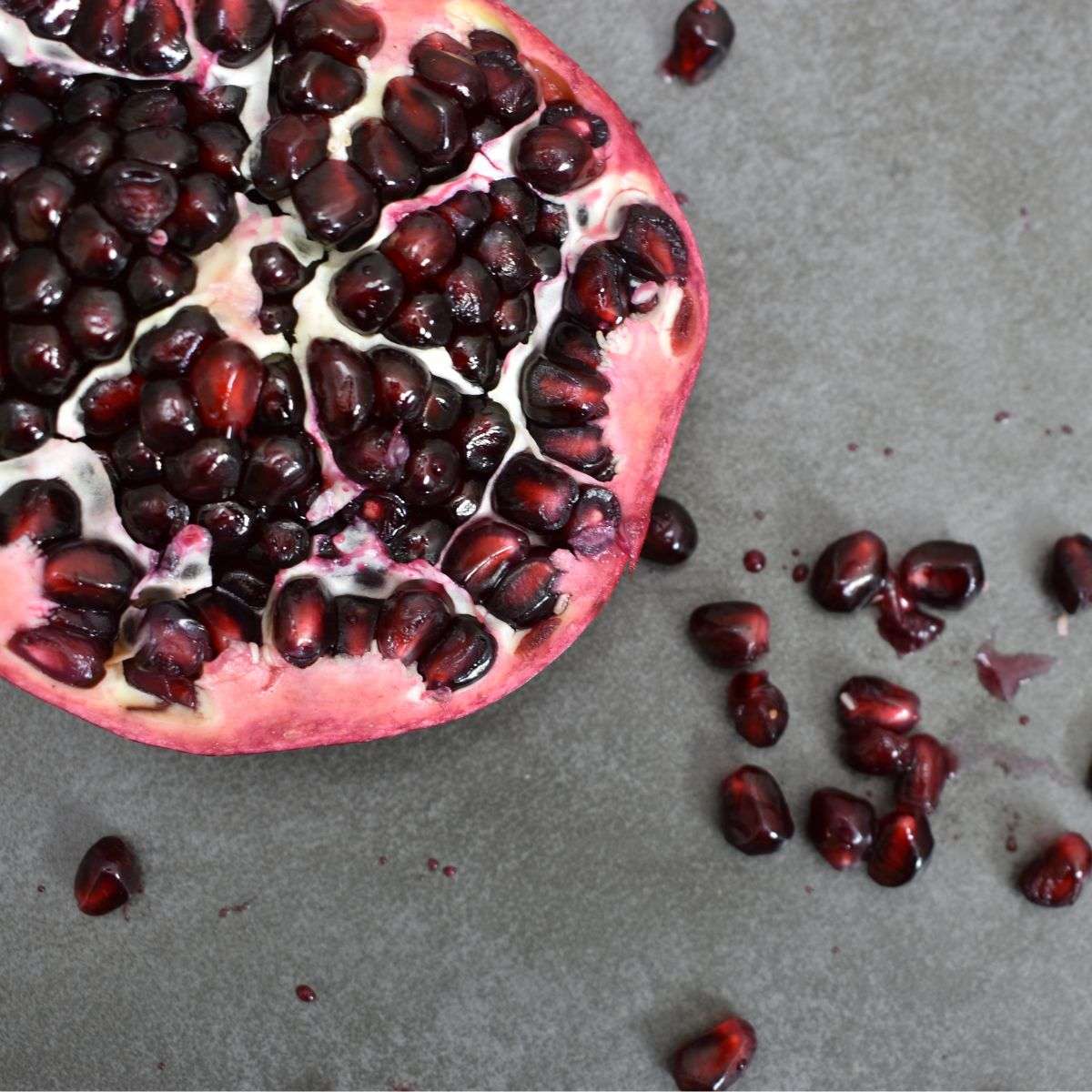
The best month for pomegranates is typically September to November in the Northern Hemisphere, with peak harvest occurring in October. During these months, the pomegranate fruits reach their optimal ripeness, color, and flavor. The flowering season for pomegranates generally begins in spring, and by the end of the summer, the fruits start maturing. The culmination of this growth cycle leads to the harvest season in fall when pomegranates are most abundant and ready for consumption.
Harvest Season
The harvest season for pomegranates occurs during the fall months. The timing can vary slightly depending on the geographic location and the specific variety of the fruit.
- Early Varieties: Some early-ripening pomegranates can start being harvested as early as late September.
- Peak Harvest: The majority of pomegranate varieties are harvested in October, which is considered the prime month for picking fresh fruits.
- Late Varieties: Some varieties may continue to be harvested into November, particularly in warmer climates.
Flavor and Quality
During the months of September to November, pomegranates develop their rich flavor and sweetness due to the ripening process.
- Sugar Content: As the fruit ripens, its sugar content increases, enhancing its sweet-tart taste.
- Juiciness: Ripe pomegranates are known for their juiciness, which is at its peak during the harvest months.
- Color: The skin of ripe pomegranates turns a vibrant red, indicating they are ready to eat.
Culinary Uses
Pomegranates are versatile fruits that can be used in various culinary applications, especially during the harvest months.
- Fresh Consumption: Ripe pomegranates can be eaten raw, enjoying the juicy arils straight from the fruit.
- Juices and Beverages: Pomegranate juice is popular and is often made fresh during the peak season.
- Cooking and Baking: The seeds can be used in salads, sauces, or desserts, providing a burst of flavor.
Nutritional Benefits
Pomegranates offer numerous health benefits, making them a sought-after fruit during their peak months.
See also:
- Antioxidants: They are rich in antioxidants, which can help combat oxidative stress.
- Vitamin C: Pomegranates contain a significant amount of vitamin C, essential for immune function.
- Heart Health: Regular consumption of pomegranates has been linked to improved heart health.
Storage and Preservation
To enjoy pomegranates beyond their harvest months, proper storage and preservation techniques are essential.
- Cool Storage: Fresh pomegranates should be stored in a cool, dry place to maintain their firmness.
- Refrigeration: They can be refrigerated to extend their shelf life for several weeks.
- Freezing: Pomegranate seeds can be frozen for use in smoothies or cooking throughout the year.
Are pomegranates in season in the US?
Pomegranates are typically in season in the United States from September to December. During this timeframe, the fruit is most abundant and offers the best flavor and texture. The peak harvest usually occurs in October, making it the ideal month for those who want to enjoy fresh pomegranates. They are grown primarily in California, which accounts for about 90% of the pomegranate production in the US.
Harvest Time for Pomegranates
Pomegranates require a specific climate to thrive, which is found in parts of the US. The harvest of pomegranates can vary slightly due to the local climate conditions but generally follows this timeline:
- California is the main producer, with most pomegranates harvested from September to November.
- Early varieties may start ripening in late summer, while late varieties can be harvested as late as November.
- After harvesting, pomegranates can last a while due to their natural durability, making them available in supermarkets for several weeks afterward.
Varieties of Pomegranates
There are several varieties of pomegranates grown in the US, each with unique characteristics:
- Wonderful: The most commercial variety, known for its deep red color and sweet-tart flavor.
- Angel Red: A sweet and juicy variety that has a higher juice yield compared to other types.
- White: This variety is less common, offering a milder flavor and lighter color.
Health Benefits of Pomegranates
Pomegranates are not only delicious but also packed with health benefits:
- Rich in antioxidants, which help combat oxidative stress and inflammation.
- Contains vitamins like C and K, important for immune function and bone health.
- May improve heart health by lowering cholesterol levels and blood pressure.
How to Select and Store Pomegranates
Selecting the right pomegranate and storing it properly can enhance your experience:
- Look for fruits that are heavy for their size, indicating they are full of juice.
- Choose those with a vibrant color and unblemished skin.
- Store them in a cool, dry place or in the refrigerator to extend their freshness.
Culinary Uses of Pomegranates
Pomegranates are versatile in culinary applications and can be enjoyed in various ways:
- Fresh: Seeds can be eaten raw or sprinkled over salads for added texture and flavor.
- Juiced: Pomegranate juice is a popular beverage and can be used in cocktails or smoothies.
- Sauces and Marinades: Pomegranate molasses is used in Mediterranean and Middle Eastern dishes for a sweet and tangy flavor.
Questions from Our Readers
When are pomegranates in season in Australia?
Pomegranates are typically in season in Australia from late summer to early winter, specifically from March to June. During this time, you can find the freshest and most flavorful pomegranates available in local markets and grocery stores.
What are the best ways to store pomegranates?
To preserve their freshness, it’s best to store whole pomegranates in a cool, dark place or in the refrigerator. If you have already removed the seeds, store them in an airtight container in the fridge, where they can last for about a week.
See also:
Can pomegranates be grown year-round in Australia?
While pomegranates thrive in warm climates and can be grown in many areas of Australia, they typically have a specific growing season. They require a period of dormancy and are best planted in spring, ensuring they bear fruit during their designated seasons.
Are pomegranates sold year-round in Australia?
Although the peak season for pomegranates is limited, you may find them available year-round in stores. However, they are likely to be imported outside of their local season, so the quality and flavor may vary compared to those harvested in season.

If you want to read more articles like When Are Pomegranates in Season in Australia? Your Ultimate Guide to the Harvest Season, we recommend you check out our Seeds category.
Leave a Reply
Related Articles