How Long Does It Take Cucumbers to Germinate? A Complete Guide for Gardeners
Germinating cucumbers is an exciting first step for gardeners eager to cultivate this refreshing vegetable. Understanding the germination process is essential for successful planting and timing. Typically, cucumber seeds germinate within a specific timeframe, influenced by factors such as temperature, moisture, and seed quality. In this complete guide, we’ll explore the optimal conditions for germination, common challenges that may arise, and tips to ensure healthy seedling development. By equipping yourself with this knowledge, you’ll enhance your gardening experience and set the stage for a bountiful cucumber harvest.
Understanding the Germination Time of Cucumbers
Cucumbers typically take around 7 to 14 days to germinate, depending on various factors such as soil temperature, moisture levels, and seed quality. Ideal soil temperatures for cucumber germination range between 70°F to 95°F (21°C to 35°C), with warmer conditions promoting faster sprouting. It's essential to ensure adequate moisture without over-saturating the soil, as excessive water can lead to seed rot and hinder germination. Additionally, using fresh, high-quality seeds can significantly increase the chances of quicker and more uniform germination. By optimizing these conditions, gardeners can expect healthy cucumber plants to emerge within the projected time frame.
Factors Affecting Germination Time
Several factors influence the germination time of cucumber seeds, with temperature being the most critical. High temperatures speed up the process, while cooler conditions can slow it down. Soil moisture is equally vital; seeds need sufficient dampness to activate the germination process, yet they can rot if submerged. Furthermore, the quality of seeds plays an essential role; older seeds may take longer to sprout or produce lower germination rates compared to fresh seeds. Lastly, soil type can also affect how quickly seeds germinate, as well-draining soils tend to create a more suitable environment for growth.
Ideal Soil Conditions for Cucumbers
The best soil conditions for cucumber germination involve a mix of fertility and drainage. Cucumber seeds thrive in loamy or sandy soils rich in organic matter, as this enhances drainage and aeration. A pH level between 6.0 and 7.0 is optimal, allowing for nutrient absorption necessary for growth. Proper soil moisture must be maintained to prevent oversaturation, which can lead to rotting seeds. Additionally, incorporating compost or well-rotted manure can provide essential nutrients that support robust seedlings once they emerge.
Watering Techniques for Germination
Effective watering techniques are essential to ensure successful cucumber seed germination. A consistent moisture level is necessary, particularly during the first few days after sowing. It’s best to water the soil gently using a spray bottle or a fine watering can to avoid displacing the seeds. A light mulch can help retain moisture while preventing weeds from competing for nutrients. As the seeds germinate, the soil should remain consistently moist but never saturated; overwatering can hinder growth or lead to seed rot.
Signs of Successful Germination
After sowing, several signs indicate successful cucumber germination. Initially, the soil may appear to have tiny cracks or fissures as seeds swell and begin to break through. When seedlings emerge, you will notice small cotyledons (seed leaves) displaying, usually within 7 to 14 days. Healthy seedlings will show vibrant green leaves and sturdy stems after germination. It's essential to monitor the seedlings closely for any signs of stress, such as wilting or discoloration, which may indicate inadequate care or environmental issues.
Table of Germination Factors
| Factor | Ideal Condition |
|---|---|
| Temperature | 70°F to 95°F (21°C to 35°C) |
| Soil Moisture | Consistently moist but not soggy |
| Seed Quality | Use fresh, high-quality seeds |
| Soil Type | Loamy or sandy, rich in organic matter |
| Soil pH | 6.0 to 7.0 |
How long does it take cucumbers to sprout after planting?
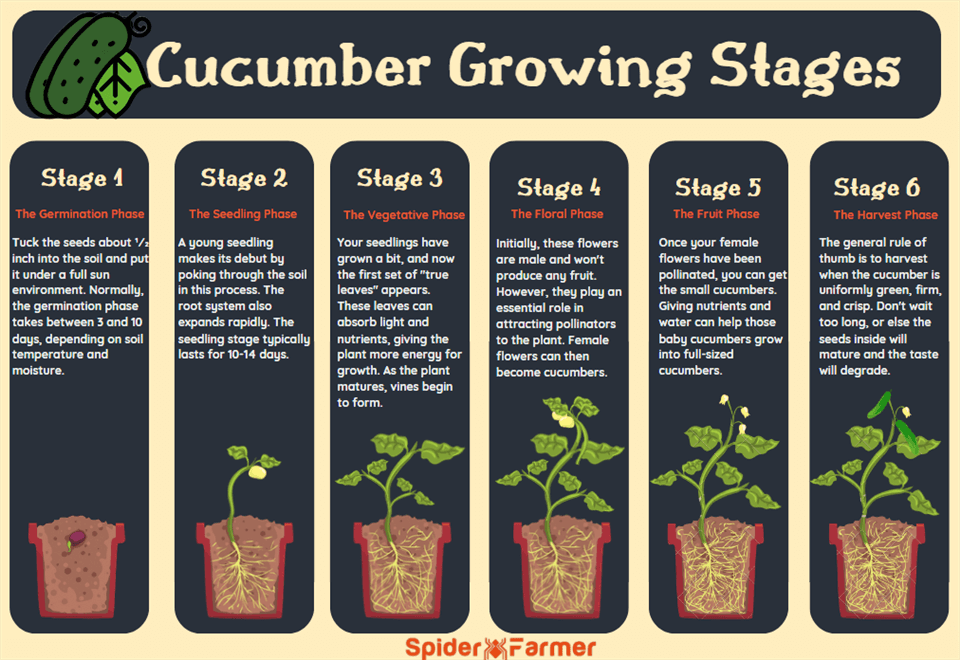
Cucumbers typically take about 7 to 14 days to sprout after planting, depending on various factors such as temperature, soil conditions, and humidity. Ideal soil temperatures for cucumber seeds range between 70°F to 95°F (21°C to 35°C). If the soil is kept consistently warm and moist, you can expect faster germination. Here are some important factors that influence the sprouting time of cucumbers.
Soil Temperature
The temperature of the soil plays a crucial role in the germination process of cucumber seeds.
- Seeds will germinate best when soil temperatures are above 70°F (21°C).
- Cold soil below 60°F (15°C) can delay or even prevent germination.
- Maintaining the right temperature can enhance the speed of the germination process.
Watering Practices
Consistent and appropriate watering is essential for cucumber seed germination.
See also:
- Soil should be kept moist but not waterlogged, as excessive water can lead to rot.
- It's important to water gently to avoid displacing the seeds.
- Applying a light mulch layer can help retain moisture in the soil.
Soil Quality
The quality and composition of the soil directly affect germination rates.
- Well-drained loamy soil is ideal for cucumber seed germination.
- Soils rich in organic matter provide necessary nutrients for sprouts.
- Testing and adjusting pH levels to around 6.0 to 6.8 boosts germination success.
Seed Quality
The quality of the seeds you choose can also impact how quickly they sprout.
- Always plant fresh seeds, as older seeds have lower germination rates.
- Check for disease or defects before planting to ensure health.
- Select varieties known for their strong germination rates.
Environmental Conditions
Overall environmental conditions can impact how long it takes for cucumbers to sprout.
- High humidity levels can facilitate quicker germination.
- Consistent daylength and sunlight exposure promotes healthy growth.
- Protect seedlings from harsh weather conditions to ensure successful sprouting.
What is the fastest way to germinate cucumber seeds?

To achieve the fastest germination of cucumber seeds, it is essential to create an optimal environment that mimics their natural growing conditions. Here are some effective methods to expedite the germination process.
Optimal Temperature
Providing the right temperature is crucial for cucumber seed germination. The ideal soil temperature for cucumber seeds is between 70°F to 95°F (21°C to 35°C). At these temperatures, germination can occur within 5 to 10 days.
- Use a seedling heat mat to maintain consistent warmth.
- Monitor soil temperature with a reliable thermometer.
- Choose a warm location in your home, away from drafts.
Pre-soaking Seeds
Pre-soaking cucumber seeds can significantly enhance germination speed. Soaking helps to soften the seed coat, making it easier for the sprout to emerge.
- Soak seeds in room temperature water for 4-6 hours.
- After soaking, drain and place seeds on a damp paper towel for a few hours.
- Plant the seeds immediately after soaking to maximize freshness.
Using Seed Cubes or Pellets
Planting seeds in seed cubes or pellets can provide a controlled environment that fosters faster germination. These mediums retain moisture and warmth effectively.
- Choose quality seed cubes or pellets that are pre-loaded with nutrients.
- Moisten the cubes or pellets before placing seeds inside.
- Cover the seeds lightly with the same growing medium to ensure coverage.
Maintaining Moisture
Keeping the soil adequately moist is essential for successful germination. Cucumber seeds require consistent moisture levels to swell and sprout.
- Water the planting area gently to avoid displacing seeds.
- Use a humidity dome or plastic wrap to retain moisture in the initial stage.
- Check daily for moisture levels; water lightly as needed.
Direct Sowing Outdoors
For those cultivating in warmer climates, direct sowing cucumber seeds outdoors can be an effective method. This eliminates the need for transplanting, allowing seeds to germinate in their final location.
See also:
- Wait until the soil temperature reaches at least 60°F (15°C) in the garden.
- Plant seeds 1 inch deep in well-drained soil with good sunlight.
- Thin seedlings once they emerge to reduce competition for nutrients.
What is the best month to plant cucumbers?
The best month to plant cucumbers largely depends on the climate in your area. Typically, cucumbers are warm-weather crops that thrive in temperatures between 70°F and 95°F (21°C to 35°C). In most regions, the optimal time for planting cucumbers is in the late spring, around May, when the danger of frost has passed and soil temperatures reach about 70°F (21°C).
Understanding Cucumber Growth Conditions
Cucumbers require specific conditions to grow successfully. Understanding these can help you determine when to plant them:
- Warm Soil Temperature: Soil temperature should be consistently above 60°F (15°C) for germination.
- Frost-Free Days: Ensure that the last frost date has passed in your region before planting.
- Sufficient Sunlight: Cucumbers need full sunlight, ideally 6 to 8 hours a day, to flourish.
Choosing the Right Variety of Cucumber
Selecting the correct variety can also influence planting times. Different varieties have varying maturity rates:
- Slicing Cucumbers: Generally suited for straight planting and typically take about 50-70 days to mature.
- Picking Cucumbers: Often smaller, these can also be harvested earlier, around 50-60 days.
- Seedless Cucumbers: These varieties may require a slightly longer growing period but can thrive in similar conditions.
Regional Differences in Planting Time
The best planting month can vary based on geographical location:
- Cooler Climates: In northern regions, consider planting in early June to avoid frost.
- Temperate Zones: Late May is ideal for many temperate areas where frost is not an issue.
- Tropical Regions: In warmer climates, cucumbers can be planted almost year-round but prefer the dry season.
Soil Preparation for Cucumber Planting
Proper soil preparation enhances cucumber growth and yield:
- Soil Type: Light, well-draining soil is ideal, enriched with plenty of organic matter.
- pH Levels: Aim for a pH of 6.0 to 6.8 for optimal nutrient availability.
- Soil Fertility: Incorporate compost or a balanced fertilizer to bolster soil nutrients before planting.
Post-Planting Care for Cucumbers
After planting, effective care ensures healthy cucumber plants:
- Watering: Maintain consistent moisture, especially during dry spells, but avoid waterlogging.
- Pest Management: Regularly inspect plants for pests like aphids and cucumber beetles, taking action when necessary.
- Support Structures: Using trellises can improve air circulation and sun exposure, promoting better fruit development.
Questions from Our Readers
How long does it take cucumbers to germinate?
Cucumbers typically take about 7 to 10 days to germinate under ideal conditions. Factors such as soil temperature, moisture, and seed quality can influence the speed of germination.
What temperature is ideal for cucumber seed germination?
The ideal soil temperature for cucumber seed germination is between 70°F and 95°F. At temperatures within this range, seeds are more likely to germinate quickly and uniformly.
Do cucumbers need light to germinate?
Cucumber seeds do not require light to germinate; they actually prefer to be planted in darkness. However, once they break through the soil, they will need sufficient light for healthy growth.
See also:
How can I speed up the germination process for cucumbers?
To speed up the germination of cucumber seeds, you can soak them in water for a few hours before planting. Providing a warm, moist environment and ensuring the soil is well-aerated can also help enhance germination rates.

If you want to read more articles like How Long Does It Take Cucumbers to Germinate? A Complete Guide for Gardeners, we recommend you check out our Seeds category.
Leave a Reply
Related Articles