How Much Does It Cost to Get a Lawn Replaced? A Complete Guide to Budgeting and Options

Replacing a lawn can be a significant investment, and understanding the associated costs is crucial for homeowners. This comprehensive guide will explore the various factors that influence the price of lawn replacement, including the size of the area, the type of grass or sod selected, and any necessary preparation work. We'll also examine different options available, from DIY approaches to hiring professionals, helping you make informed financial decisions. Whether you're aiming for a lush green paradise or simply seeking a practical solution, this guide will equip you with the knowledge needed to budget effectively and achieve the lawn of your dreams.
Understanding the Cost of Lawn Replacement
Replacing a lawn can vary significantly in cost depending on several factors. On average, homeowners can expect to spend between $1,000 to $2,500 for lawn replacement, which includes the cost of materials and labor. Factors that influence the total price include the size of the area being replaced, the type of grass or sod selected, soil preparation, and whether the existing lawn needs to be removed. Additional costs for irrigation systems, landscape design, and maintenance can also play a role in the final calculation. It is advisable to obtain multiple quotes from local landscapers to ensure a fair price and thorough service.
Factors Affecting Lawn Replacement Costs
Several factors can significantly influence the cost of lawn replacement. These include the size of the area, the type of grass being installed, the condition of the existing lawn, and local labor rates. For example, areas requiring extensive soil preparation or weed removal may cost more due to the additional labor needed. Furthermore, premium grass varieties like Bermudagrass or Kentucky bluegrass tend to be more expensive than standard options, impacting the overall budget.
Cost of Different Grass Types
The choice of grass type plays a crucial role in determining the overall cost of lawn replacement. For instance, sod installation may range from $0.50 to $2.00 per square foot depending on the variety chosen. While fescue might be less expensive, zoysia grass is known for its durability and can come at a higher price. Understanding each type's pros and cons, as well as their pricing, is essential for making an informed decision that fits your budget and lawn needs.
Labor Costs for Lawn Replacement
Labor costs are a significant component of lawn replacement pricing, typically ranging from $40 to $80 per hour for landscaping professionals. Factors such as local market rates and the complexity of the job can contribute to variability in pricing. If the project involves intricate design elements, additional labor may be required, increasing the overall cost. Getting multiple estimates can help homeowners find the right contractor that fits within their financial plans.
Preparation and Maintenance Costs
Before new sod or grass can be laid, there may be preparation costs involved, such as soil testing, leveling, and potentially enriching the soil with compost. This process can add anywhere from $150 to $500 to the overall expense. Furthermore, homeowners should also consider ongoing maintenance costs, including watering, fertilizing, and mowing the newly installed lawn. These recurring expenses may range from $30 to $100 monthly, depending on the size of the lawn and local climate conditions.
Average Pricing Table for Lawn Replacement
| Service | Price Range |
|---|---|
| Sod Installation (per sq ft) | $0.50 - $2.00 |
| Labor Costs (per hour) | $40 - $80 |
| Preparation Costs | $150 - $500 |
| Ongoing Maintenance (monthly) | $30 - $100 |
How much does it cost to completely redo a lawn?

The cost to completely redo a lawn can vary significantly based on several factors including the size of the lawn, the type of grass, labor costs, and local market conditions. Generally, homeowners can expect to spend between $1,500 and $5,000 for a complete lawn renovation. This process typically involves the removal of old sod, soil preparation, seeding or laying new sod, and sometimes additional expenses for fertilizers or irrigation systems.
Factors Influencing Lawn Renovation Costs
Several factors can influence the overall cost of completely redoing a lawn. Understanding these can help homeowners estimate their budget accurately.
- Size of the Lawn: The larger the lawn, the more materials and labor will be needed, significantly increasing costs.
- Type of Grass: Different grass types come with different price tags; premium varieties may cost more but offer better durability.
- Soil Quality: Poor soil may require additional amendments which can drive up costs.
DIY vs. Professional Services
Homeowners often face the choice between tackling the project themselves or hiring professionals. Each option presents distinct costs and benefits.
- DIY Costs: Doing the work yourself can save on labor but requires time, effort, and upfront investment in tools and materials.
- Professional Costs: Hiring a professional can cost more upfront but may save time and potentially lead to a better result.
- Skill Level: If the homeowner lacks gardening experience, professional services may provide a better outcome.
Additional Expenses to Consider
When budgeting for a lawn renovation, there are several additional expenses that homeowners need to take into account.
- Fertilizers and Soil Amendments: Ensuring the soil is nutrient-rich may require these additional costs.
- Irrigation System: Installing or upgrading an irrigation system can add to the overall cost but is often necessary for maintaining a healthy lawn.
- Lawn Care Equipment: If taking a DIY approach, investing in tools such as aerators and seeders is necessary.
Seasonal Timing for Lawn Renovation
The time of year can influence the cost and success of a lawn renovation project.
See also:
- Spring vs. Fall: Spring is typically seen as the best time to plant, but fall renovations may require less watering and often yield better results.
- Weather Conditions: Costs can escalate due to unfavorable weather which might lead to delays and additional watering needs.
- Availability of Materials: Seasonality may affect the availability and pricing of certain grass types and soil amendments.
Long-Term Maintenance Costs
After the initial renovation, homeowners should be aware of ongoing maintenance costs to keep the lawn vibrant and healthy.
- Regular Mowing: This adds to ongoing expenses, especially if hiring a service.
- Watering: Depending on climate and grass type, irrigation can lead to significant water bills.
- Pest and Weed Control: Preventive treatments and products can be necessary for maintaining lawn health.
What is the cheapest way to get a new lawn?
To establish a new lawn at an affordable price, several methods can be employed that balance cost-effectiveness with successful results. Here are some strategies to consider:
Preparing the Soil
Proper soil preparation is crucial for a thriving lawn. By enhancing soil quality, you can ensure that grass seeds or sod will take root successfully.
- Clear the Area: Remove any debris, rocks, and old grass.
- Till the Soil: Loosen the soil to improve aeration and drainage.
- Test and Amend Soil: Conduct a soil test to determine pH and nutrient levels. Amend as necessary.
Choosing the Right Grass Seed
Selecting the appropriate grass seed is integral to establishing a cost-efficient lawn. Different grass types have varying costs, maintenance levels, and suitability to climate.
- Assess Your Climate: Choose a grass type suited to your regional climate (cool-season vs. warm-season).
- Look for Discounts: Purchase grass seeds from local stores or online retailers for the best prices.
- Consider Slow-Germinating Seeds: Some less expensive seeds take longer to germinate but can be more resilient.
Seeding Vs. Sodding
Deciding between seeding and sodding is a critical factor in cost management. Each method has distinct benefits and drawbacks.
- Seeding: Generally less expensive than sodding, though it takes longer for a full lawn to develop.
- Sodding: Provides an instant lawn but is significantly more expensive due to labor and material costs.
- Hybrid Approach: Consider starting with seed and patching areas with sod as needed for a balance of cost and speed.
Watering and Maintenance
Proper watering and maintenance can greatly affect the cost of establishing a new lawn. It's essential to implement efficient strategies.
- Water Wisely: Start with frequent, light watering to encourage seed germination, then reduce frequency.
- Utilize Rainwater: Collect rainwater to lower water bills while providing necessary hydration.
- Maintain Proper Mowing: Mow at the appropriate height to encourage deeper root growth and reduce weed competition.
Timing Your Planting
Timing your lawn establishment can save you money by avoiding unfavorable conditions that require excessive resources.
- Seasonal Timing: Plant in the right season (spring or fall) for your grass type, as this encourages quicker establishment.
- Avoid Peak Prices: Purchase seeds during off-peak seasons when prices may be lower.
- Watch the Weather: Avoid planting just before rainstorms or during extreme heat, which can increase costs for extra watering.
What time of year is best to replace a lawn?

The best time of year to replace a lawn largely depends on the type of grass you are using and your geographic location. Generally, for cool-season grasses, early spring or early fall are the ideal times, while warm-season grasses are best replaced in late spring or early summer. Each season presents unique benefits regarding temperature, moisture, and grass growth, which can significantly impact the success of your lawn replacement.
Understanding Cool-Season Grasses
Cool-season grasses thrive in the northern regions and grow well when temperatures are between 60°F and 75°F. The best time to replace a lawn with these types of grass is during early spring or early fall.
- Spring Replacement: As the ground thaws and temperatures rise, it’s an ideal time for sowing seeds or laying sod.
- Fall Replacement: This offers cooler temperatures and increased rainfall, giving grass the opportunity to establish before winter.
- Soil Preparation: Ensure the soil is well-aerated and free of debris before planting either in spring or fall.
Benefits of Replacing Lawn in Spring
Replacing your lawn in the spring can be beneficial due to the milder weather and longer daylight hours.
See also:
- Soil Warmth: The soil warms up, promoting germination and root establishment.
- Protection Against Weeds: Spring replacements can help minimize weed competition during the critical early growth period.
- Vigorous Growth: Strong sunlight and mild temperatures provide an ideal environment for grass to thrive.
Advantages of Fall Lawn Replacement
Fall is often regarded as the best time for lawn replacement, particularly for cool-season grasses, due to several advantages.
- Optimal Weather Conditions: Cooler temperatures and increased moisture levels help grass establish roots.
- Reduced Competition: Most weeds die back, allowing new grass to grow without significant competition.
- Preparation for Winter: Grass will have time to strengthen before the harsh winter months.
Timing for Warm-Season Grasses
Warm-season grasses, such as Bermuda and Zoysia, flourish in hotter climates.
- Late Spring Replacement: The ideal time to lay new sod or sow seeds is from late April to early June.
- High Soil Temperature: Warm weather provides the necessary conditions for germination and establishment.
- Long Growing Season: These grasses benefit from a longer summer growing period to establish before cooler weather arrives.
Influence of Geographic Location
Your geographic location plays a crucial role in determining the best time for lawn replacement.
- Regional Variations: Different climatic zones affect the timing of grass types; understanding your local climate is key.
- Microclimates: Specific areas may have unique conditions that can either accelerate or hinder grass growth.
- Weather Patterns: Local weather patterns such as rainfall and temperature fluctuations should inform your timing decisions.
How do I replace my existing lawn?
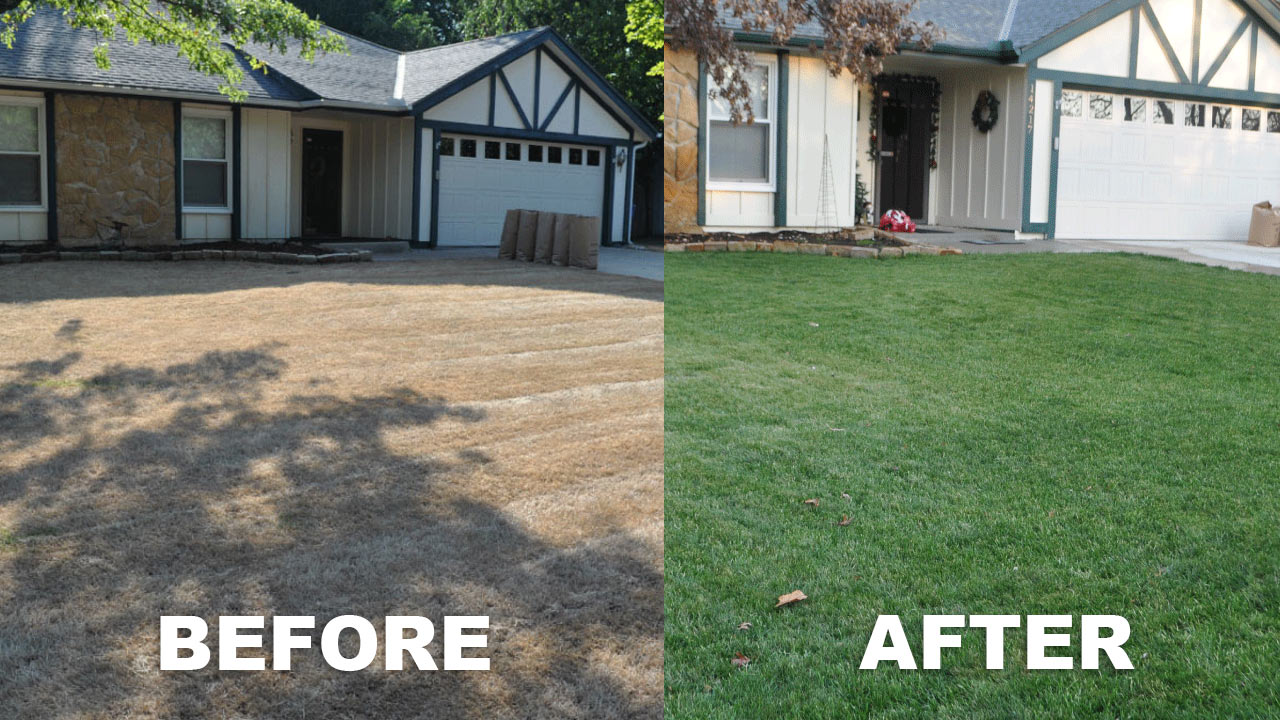
To replace your existing lawn, you need to follow several steps to ensure successful installation and growth of a new grass area. The process can involve either reseeding or laying sod, depending on your preferences and yard conditions. Here’s a comprehensive guide to help you through the lawn replacement process.
1. Assess Your Current Lawn
Understanding the state of your existing lawn is crucial before replacing it. Assessing the condition will help you determine the appropriate method for replacement.
- Evaluate Damage: Check for issues such as excessive weeds, bare patches, or diseases.
- Soil Quality: Test the soil pH and nutrient content to determine if amendments are needed.
- Sunlight and Drainage: Observe how much sunlight the area receives and how well the drainage works, as these factors will influence your choice of grass type.
2. Choose the Right Grass Type
Selecting the appropriate grass type for your climate and usage is vital for the success of your new lawn. Various grasses perform differently based on environmental conditions.
- Cool-Season Grasses: Ideal for northern climates, examples include Kentucky bluegrass and fescue.
- Warm-Season Grasses: Suited for southern regions, choices include Bermuda and zoysia grass.
- Consider Usage: Determine if your lawn will be used for recreation, aesthetics, or a combination of both to guide your choice.
3. Prepare the Soil
Proper soil preparation is crucial for establishing a healthy lawn. The preparation process will vary depending on whether you’re planting seed or laying sod.
- Clear Existing Grass: Remove all existing grass and weeds using a sod cutter or herbicide.
- Till the Soil: Loosen the top 3-4 inches of soil to improve aeration and incorporation of any amendments.
- Amend the Soil: Add organic matter such as compost to enhance soil fertility and structure.
4. Planting the New Grass
Once your soil is ready, you can proceed with either sowing seeds or laying sod. Each method has its own advantages and timing considerations.
- Sowing Seeds: Disperse grass seeds evenly using a spreader, then lightly rake the soil to cover the seeds.
- Laying Sod: Lay down sod pieces in a staggered pattern, ensuring there are no gaps between them.
- Watering: Water the area thoroughly right after planting and maintain consistent moisture for seed germination or sod establishment.
5. Establishing Maintenance Routine
After planting your new lawn, it's important to establish a maintenance routine to ensure its healthy growth and longevity.
- Watering Schedule: Implement a regular watering schedule, especially during dry periods, to keep the soil moist but not soggy.
- Mowing: Begin mowing once the grass reaches about 3 inches in height, ensuring to keep the blades sharp.
- Fertilization: Fertilize your lawn according to the specific needs of your chosen grass type, usually several weeks after establishment.
Questions from Our Readers
What factors influence the cost of lawn replacement?
The cost of lawn replacement can be influenced by several factors, including the size of the area to be replaced, the type of grass or sod chosen, and local labor costs. Additionally, any necessary preparation work, such as removing old grass or improving soil quality, can also impact the overall expense.
How much does it typically cost per square foot for lawn replacement?
On average, lawn replacement can cost anywhere from $0.50 to $2.00 per square foot. This price range depends on the quality of the sod or grass seed you opt for, as well as any additional services required, such as installation or landscaping efforts.
See also:
Are there any additional costs associated with lawn replacement?
Yes, aside from the base cost of sod or grass seed, there may be additional expenses related to soil amendments, irrigation systems, or maintenance services post-installation. It's crucial to account for these potential costs when budgeting for a lawn replacement project.
Can I save money by replacing my lawn myself?
Absolutely! DIY lawn replacement can save you labor costs, but keep in mind that it requires time, effort, and some degree of skill. If you are familiar with gardening techniques, you can efficiently handle the process; however, purchasing quality materials and ensuring proper installation is key to achieving a successful outcome.

If you want to read more articles like How Much Does It Cost to Get a Lawn Replaced? A Complete Guide to Budgeting and Options, we recommend you check out our Lawn category.
Leave a Reply
Related Articles