How Full Should You Fill a Planter with Soil? A Complete Guide for Perfect Planting

When it comes to container gardening, one of the most frequently overlooked aspects is how full to fill a planter with soil. The right soil level can significantly impact plant health, growth, and overall success. Whether you're a seasoned gardener or a novice, understanding the ideal soil depth is crucial for providing your plants with proper support, nutrient access, and drainage. In this complete guide, we'll explore the factors that influence soil filling, tips for different types of plants, and common mistakes to avoid. By the end, you'll be equipped with the knowledge to create the perfect planting environment for your green companions.
How Full Should You Fill a Planter with Soil?
Filling a planter with soil is a crucial step for ensuring the health and growth of your plants. Generally, you should fill the planter to about two-thirds to three-quarters full of soil, allowing enough space for the roots to grow and the plant to thrive. It’s essential to leave some space at the top, typically a couple of inches, to prevent soil erosion when watering and to allow air circulation for the root zone. Additionally, overfilling can impede drainage, leading to root rot and other issues related to excess moisture. Therefore, finding the right balance is key to promoting a healthy growing environment.
Importance of Soil Depth
The depth of soil in a planter directly impacts the plant's development. Different plants have varying root depth requirements; thus, understanding your plant’s specific needs is vital. Shallow-rooted plants can thrive in less soil, while deep-rooted ones require a more substantial layer to ensure adequate nutrition and moisture. By analyzing these requirements, you can maximize your planter's effectiveness and provide your plants with the best chance for success.
Soil Drainage Considerations
Proper drainage is crucial for plant health, and the amount of soil you fill your planter with can significantly affect this. If you fill the planter too full, excess water may not drain adequately, leading to waterlogged roots and potential fungal diseases. To promote drainage, consider incorporating materials like gravel or perlite at the bottom of the planter and leaving sufficient space at the top to prevent overflow during watering.
Choosing the Right Soil Mix
Different plants thrive in various types of soil mixes, which can affect how full you should fill the planter. A potting mix designed for specific plants may require somewhat different filling guidelines. For example, succulents or cacti prefer a grittier mix and may need less soil than flowering plants that thrive in richer, more nutrient-dense environments. Always opt for a mix suitable for your specific plants to ensure optimal growth.
Watering Considerations
When planning how much soil to fill into your planter, keep in mind the impact on watering practices. A planter that is too full may lead to rapid saturation of the soil, resulting in overwatering. Conversely, a planter that is not filled adequately may dry out too quickly, requiring frequent watering. Striking a balance by leaving a few inches of space at the top facilitates easier watering and ensures that the soil retains moisture without overwhelming the plant.
Effects of Seasonal Changes
Seasonal changes also play a crucial role in determining how full to fill your planter. During the growing season, you may choose to fill your planter more fully to accommodate energetic growth. However, in dormant seasons, such as winter, you might consider filling it less to reduce the risk of overwatering. Understanding how seasonal conditions affect moisture retention and soil dynamics can help you better manage your planters year-round.
| Aspect | Recommendation |
|---|---|
| Soil Depth | 2/3 to 3/4 full |
| Drainage | Leave space at the top |
| Soil Type | Use appropriate potting mix |
| Watering | Avoid overfilling |
| Seasonal Care | Adjust based on growth cycles |
How much soil should I fill my planter?

To determine how much soil you should fill your planter, several factors must be taken into account, including the type of plants, the size of the planter, and the soil type. Generally, the planter should be filled to a level that optimizes plant growth while ensuring proper drainage and root development.
Types of Planters
Different types of planters may require varying amounts of soil. Understanding the planter type can help you decide how much soil to add.
- Raised Beds: These planters usually need sufficient soil depth, around 12-18 inches, to promote good root growth.
- Pots: Standard pots need to be filled to about 1-2 inches from the rim, providing enough space for watering and root expansion.
- Hanging Baskets: Often need less soil, around 6-8 inches, as plants are smaller and roots require less room.
Soil Composition
The type of soil you use can affect how much you should fill your planter. Different soil compositions have varying weights and drainage attributes.
- Potted Soil Mixes: Often lighter and more aerated, needing less soil column height.
- Heavy Clay Soil: Requires more space due to its density, potentially needing a higher fill to prevent compaction.
- Organic Mixes: Typically expand when wet and can require adjustments to the fill level after planting.
Considerations for Plant Growth
Understanding your plants and their specific needs plays a crucial role in how much soil should be added to the planter.
- Root Depth: Various plants have different root depths; deep-rooted plants need more soil than shallow-rooted ones.
- Growth Stage: Younger plants may initially require less soil compared to established plants.
- Watering Needs: Plants with higher water needs may benefit from a deeper soil layer for better moisture retention.
Drainage Requirements
Proper drainage is essential for plant health, and it influences how much soil to use.
See also: Can You Use a Garbage Bag as a Planter Liner? Pros, Cons, and Tips for Gardening
- Drain Holes: Ensure the planter has adequate drainage holes to prevent root rot; fill minimally to avoid clogging.
- Soil Type: Use well-draining soil to keep the roots healthy; avoid filling the planter to the brim.
- Watering Practices: Adapt soil fill based on how often you water to maintain balanced moisture levels.
Seasonal Adjustments
Changing seasons can necessitate adjustments in how much soil you fill your planters.
- Spring Planting: Add more soil in spring when starting new plants to allow for root expansion.
- Winter Prep: In colder months, consider filling less to avoid excess water retention.
- Seasonal Replanting: When changing plants seasonally, assess soil level and adjust based on new plant requirements.
Should I fill a large planter with soil?
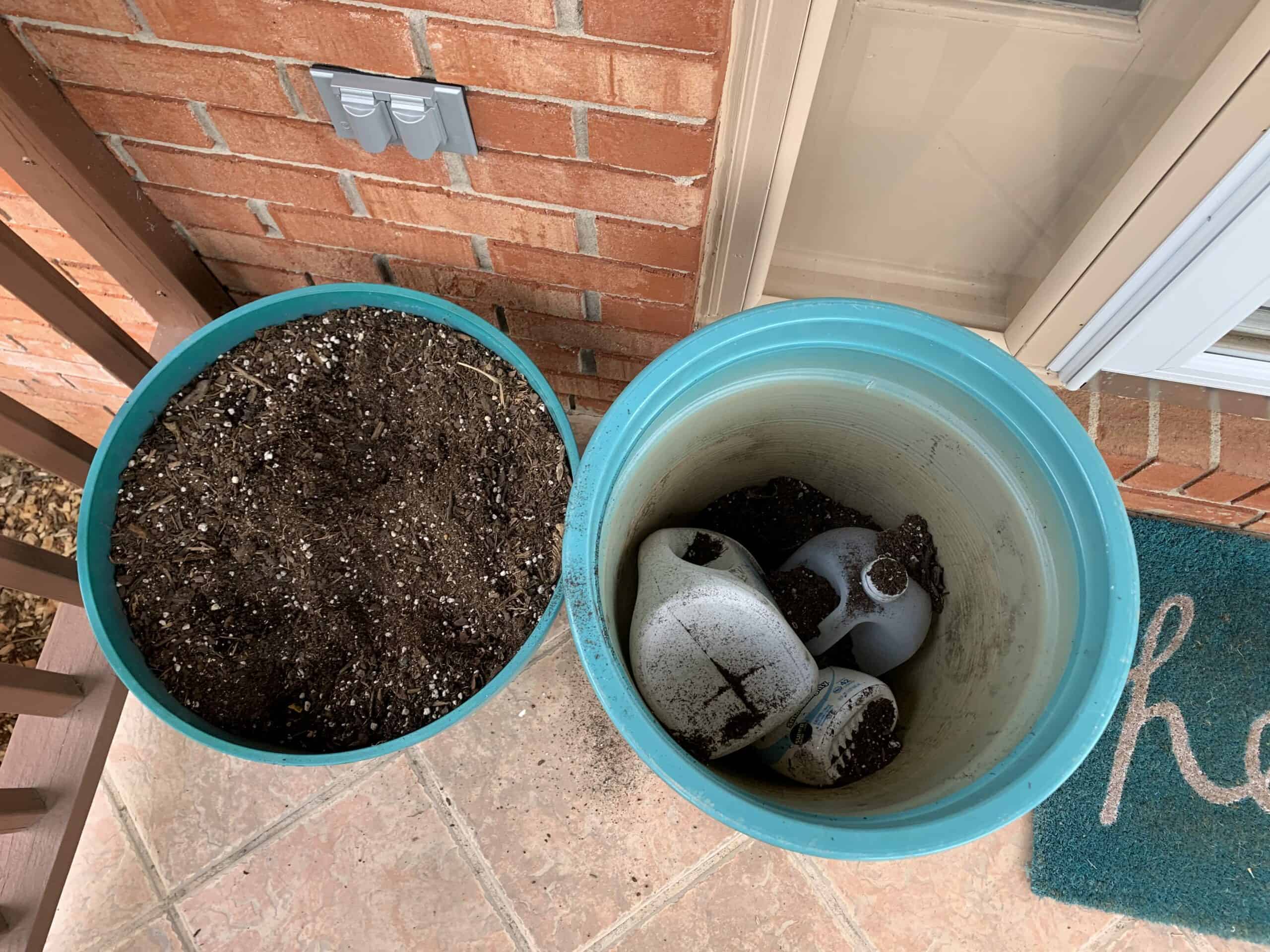
Filling a large planter with soil is an essential step in the process of planting and growing healthy plants. The decision to fill the planter with soil depends on several factors, including the type of plants you wish to grow, the environment in which they will be placed, and the overall health of the soil. Here are several considerations to keep in mind:
Choosing the Right Soil
When selecting soil for your large planter, it’s crucial to choose a type that is suitable for the plants you are growing. Different plants have different soil requirements.
- Quality: Look for high-quality potting soil that contains a mix of organic matter, such as compost.
- Drainage: Ensure that the soil allows for proper drainage to prevent waterlogging.
- pH Level: Check the pH level of the soil to ensure it matches the needs of your plants.
Layering Soil for Optimal Growth
Filling a planter with soil may benefit from a layering approach to provide optimal conditions for root growth and moisture retention.
- Base Layer: Start with a layer of coarse materials, such as gravel or stones, to facilitate drainage.
- Main Layer: Add your chosen potting soil as the primary layer to support plant growth.
- Top Layer: Consider finishing with a layer of mulch to retain moisture and suppress weeds.
Soil Volume Considerations
The volume of soil required for a large planter depends on its size and the types of plants you intend to grow.
- Size of Planter: Determine the planter size to estimate how much soil will be needed.
- Root Space: Consider how much space the roots of the plants will need as they grow.
- Soil Compaction: Keep in mind that soil may compact over time, so a bit of extra volume might be beneficial.
Maintaining Soil Health
Once your large planter is filled with soil, maintaining its health is crucial for the longevity and productivity of your plants.
- Regular Testing: Test soil periodically to check nutrient levels and pH balance.
- Fertilization: Use appropriate fertilizers to replenish nutrients consumed by plants.
- Watering Practices: Efficient watering techniques can prevent nutrient leaching and promote healthy growth.
Environmental Considerations
The environment plays a significant role in how you should fill your large planter with soil.
- Climate: Consider your climate's temperature, humidity, and rainfall patterns when selecting soil.
- Sun Exposure: Understand how much sun your planter will get, as this can affect soil moisture and plant needs.
- Indoor vs. Outdoor: Different environments may require different soil compositions for optimal plant health.
How high to fill planter boxes with soil?
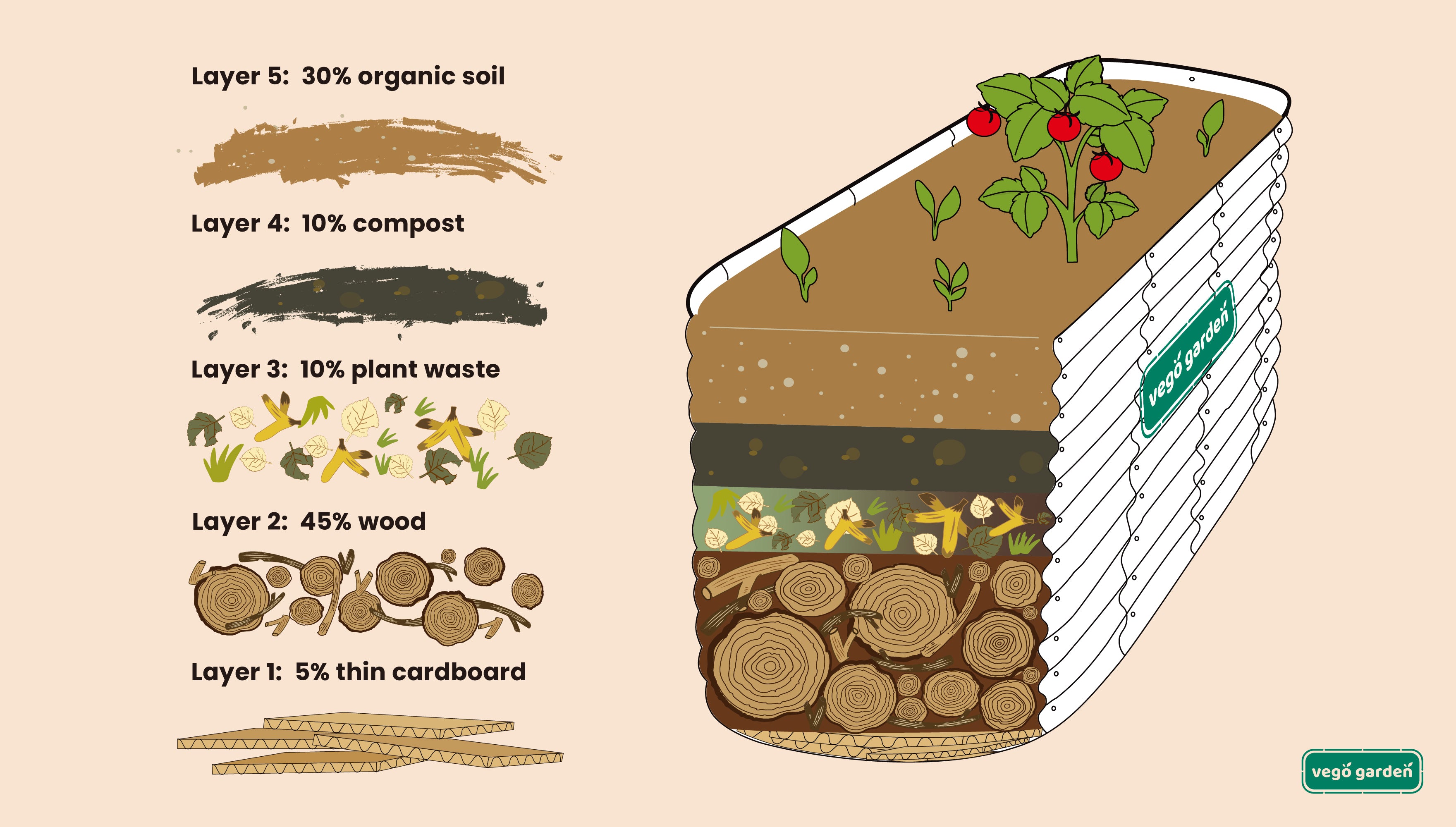
To determine how high to fill planter boxes with soil, consider the following guidelines. Generally, it is advisable to fill the planter boxes to within 1 to 2 inches from the top edge to prevent soil overflow during watering and to create a proper environment for plant growth. The ideal soil depth may vary based on the types of plants you intend to grow, as different plants have varying root depth requirements.
Choosing the Right Soil Depth
Filling the planter box to the appropriate depth is crucial for the health and development of your plants. Different plants require different soil depths to thrive. Here are some examples:
- Shallow-rooted plants can thrive in as little as 6 inches of soil.
- Medium-rooted plants typically require 8 to 10 inches of soil.
- Deep-rooted plants may need at least 12 inches of soil or more.
Considering Drainage Needs
Proper drainage is essential when filling planter boxes with soil. Overfilling can cause water to pool, leading to root rot. Follow these suggestions for effective drainage:
- Ensure there are drainage holes in the bottom of the box.
- Use a layer of gravel or rocks at the bottom to facilitate drainage.
- Leave some space at the top to allow water to run off without spilling.
Soil Composition and Quality
The type of soil you use will affect how high to fill your planter box. Different soil types have varying properties that can impact plant growth. Consider the following:
See also:
- Potting mix is lightweight and retains moisture; fill to within 1 inch of the top.
- Garden soil is heavier and may require you to fill to about 2 inches from the top.
- Mixed soil with compost adds nutrients; adjust the fill level based on the mix ratio.
Layering for Biodiversity
To enrich your planter box, consider layering the soil with different materials. This can support various plant types and enhance growth. Here’s how to do this:
- Start with a base layer of rocks for drainage.
- Add a layer of organic compost for nutrients.
- Top it with your chosen potting soil to the desired fill level.
Maintaining Soil Quality Over Time
Filling a planter box is not a one-time task; maintaining soil quality is key for plant health. Here are ways to sustain the soil quality:
- Regularly add organic fertilizers to replenish nutrients.
- Monitor water retention and drainage to avoid soil compaction.
- Periodically replace the top layer of soil to refresh the nutrients.
Should soil go to the top of a planter?
Whether soil should go to the top of a planter is an essential consideration for anyone engaged in gardening or container planting. The depth of soil in a planter impacts drainage, water retention, and root development, all of which are crucial for healthy plant growth. While it might be visually appealing to fill a planter to the brim with soil, there are important factors to consider regarding plant health and maintenance.
Importance of Soil Depth
The depth of the soil in a planter influences how well plants will thrive. It directly relates to the availability of nutrients and water.
- Root Growth: Adequate soil depth allows roots to spread and access nutrients effectively.
- Water Retention: Deeper soil can hold more moisture, which is vital during dry periods.
- Soil Aeration: Proper depth helps maintain air pockets in the soil, improving root respiration.
Planter Design Considerations
The design of the planter can dictate how much soil should be utilized. Some planters may have specific requirements based on their style.
- Type of Planter: Self-watering planters often require a distinct soil level to ensure proper functionality.
- Drainage Holes: Planters with drainage holes should not be filled to the brim to prevent soil overflow.
- Visual Aesthetics: Leaving space at the top can create a better visual appeal and prevent soil from spilling over.
Impact on Water Management
Water management is a vital aspect of successful planting. The soil level can greatly affect how water is retained or lost in a planter.
- Water Overflow: Soil filled to the top may lead to excessive runoff during watering, wasting water and nutrients.
- Evaporation: A deeper layer of soil can help slow down moisture loss due to evaporation.
- Consistent Moisture: Leaving space helps maintain consistent moisture levels without oversaturation.
Soil Types and Their Volume
Different types of soil require varying volumes, which can affect lifting to the planter’s edge.
- Potting Mix: Lightweight mixes can often be filled higher due to their structure, which retains moisture.
- Garden Soil: Heavier, dense soils may need to be used more sparingly in planters to avoid compaction.
- Layering Materials: Incorporating layers such as stones or charcoal can influence the optimal level of soil.
Management of Weeds and Pests
Soil levels in planters can also play a role in managing unwanted plants and pests.
- Weed Prevention: Proper soil height limits space for weeds, making it easier to manage growth.
- Pest Access: Leaving soil below the rim can deter pests that might invade the container from the top.
- Barrier Creation: Adding mulch or decorative stones to the top can create a barrier against pests.
Questions from Our Readers
How full should you fill a planter with soil?
To achieve optimal plant growth, a planter should generally be filled to about 1-2 inches below the rim. This allows space for watering while preventing soil from spilling out during heavy rains or when watering.
Is it okay to pack the soil tightly in a planter?
It's best to avoid packing the soil tightly as this can lead to poor drainage and root development. Instead, fill the planter loosely to promote better air circulation and moisture retention.
What type of soil should be used in a planter?
Using a high-quality potting mix is crucial for planters, as it provides adequate nutrients and ensures proper drainage. This type of soil is specifically designed for container gardening.
Should I add anything at the bottom of the planter?
Yes, adding drainage material like gravel or clay stones at the bottom of the planter is beneficial. This helps to prevent waterlogging and encourages proper water drainage, promoting healthier plant roots.
See also:
If you want to read more articles like How Full Should You Fill a Planter with Soil? A Complete Guide for Perfect Planting, we recommend you check out our Planter category.
Leave a Reply
Related Articles