How to Fix Soil That Doesn't Absorb Water? 10 Effective Solutions for Healthy Gardening
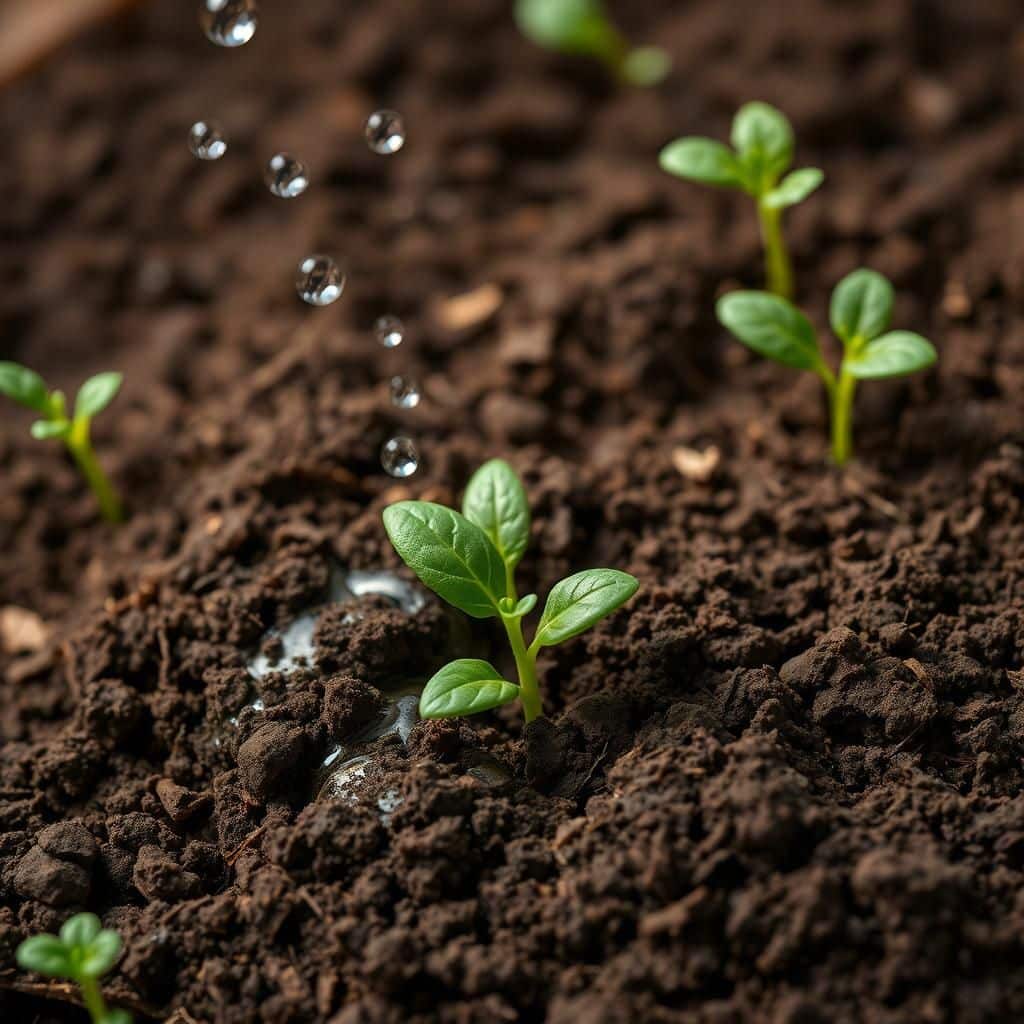
Soil that struggles to absorb water can pose a significant challenge for gardeners, leading to unhealthy plants and wasted resources. Understanding the underlying issues contributing to poor water absorption is crucial for restoring your garden's health. In this article, we will explore ten effective solutions to improve soil drainage and enhance moisture retention. From soil amendments to proper aeration techniques, these strategies will help you revitalize your garden, ensuring that your plants receive the hydration they need to thrive. Whether you’re dealing with clay, sandy, or compacted soil, our tips will guide you toward creating a flourishing garden ecosystem.
How to Improve Soil Water Absorption
To fix soil that doesn't absorb water, it is essential to assess the underlying issues before taking corrective measures. Compacted or heavy clay soils often resist water penetration, leading to poor drainage and increased runoff. Implementing practices like adding organic matter, such as compost or well-rotted manure, can help improve soil structure and increase its ability to hold moisture. Aeration and tilling can also break up compacted layers, allowing better water infiltration. Additionally, creating a mulched surface can prevent evaporation and promote moisture retention, while strategic planting of deep-rooted plants can further enhance soil health and its absorption capacity.
Understanding Soil Composition
Soil composition plays a crucial role in water absorption capabilities. Sandy soils typically drain quickly, while clay soils tend to hold water, leading to saturation. Understanding the proportions of sand, silt, and clay in your soil can guide you in selecting appropriate amendments. Conducting a soil test can provide valuable insights into nutrient deficiencies and pH levels, which may also impact water absorption.
Incorporating Organic Matter
The addition of organic matter such as compost, leaf mold, or well-rotted manure enhances soil structure and increases its ability to retain moisture. Organic matter improves soil porosity, allowing water to penetrate and reducing surface runoff. Regularly amending your soil with compost can create a more fertile environment, leading to healthier plants that can better manage water.
Aerating Compacted Soil
Soil compaction can significantly impede water infiltration. Aeration is a crucial process where small holes are created in the soil to break up compacted layers and improve air and water movement. Tools like a core aerator can be employed for this task, allowing water to penetrate deeper into the soil profile. Aeration should be carried out during the growing season when the soil is moist for improved effectiveness.
Using Mulch to Retain Moisture
Applying a layer of mulch provides numerous benefits for soil moisture retention. Mulching helps regulate soil temperature, minimize evaporation, and suppress weed growth, which can compete for water. Organic mulches, such as wood chips or straw, gradually decompose, adding further organic content to the soil while improving its water retention properties.
Choosing the Right Plants
Selecting deep-rooted plants adapted to your soil type can significantly enhance the absorption of water. These plants can break through compacted layers and contribute to improved soil structure through their root systems. When planning your garden, consider incorporating native species that are adapted to local conditions and known for creating a healthy soil environment.
| Soil Type | Water Absorption | Recommended Amendments |
|---|---|---|
| Sandy Soil | High drainage, quick evaporation | Organic matter, mulch |
| Clay Soil | Low drainage, moisture retention | Compost, gypsum |
| Silty Soil | Moderate drainage and retention | Organic matter, balanced fertilizers |
How to improve soil that doesn't absorb water?
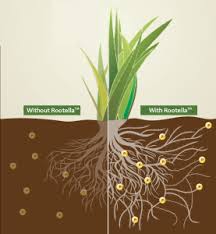
Improving soil that does not absorb water is a crucial task for gardeners and farmers alike, as water retention is essential for plant growth. There are several methods to enhance the water absorption capacity of soil. Below are strategies categorized under relevant subheadings.
Understanding Soil Composition
To effectively improve water absorption in soil, it's important to first understand its composition. Soil typically contains three main components: sand, silt, and clay. The balance among these particles greatly influences how well the soil retains water.
- Sand: Coarse texture, provides excellent drainage but low retention.
- Silt: A medium texture that retains moisture quite well.
- Clay: Fine texture, can become compacted and thus holds water but drains poorly.
Amending with Organic Matter
Incorporating organic matter is one of the most effective methods to improve soil structure and enhance water absorption. Compost, manure, and leaf mold are all beneficial amendments that can unlock the soil’s potential.
- Compost: Provides nutrients and improves soil texture.
- Leaf Mold: Increases water retention capacity without making soil too dense.
- Manure: Adds nutrients while also improving soil structure and moisture retention.
Utilizing Soil Aeration Techniques
Soil compaction often leads to poor water absorption. Aeration techniques can help alleviate this issue, allowing water to penetrate deeper into the soil profile.
- Core Aeration: Involves removing plugs of soil to allow air and water to reach the roots.
- Puncturing the Soil: Using a garden fork to create holes to facilitate better drainage.
- Raised Beds: Building raised garden beds can also improve drainage and aeration.
Choosing the Right Plants
Selecting the right plants can also mitigate issues related to poor water absorption. Some plants are more tolerant of compacted or poor-draining soils and can thrive in such conditions.
See also:
- Native Plants: They are already adapted to local soil conditions.
- Deep-Rooted Plants: They can help break up compacted layers and improve water infiltration.
- Cover Crops: Planting these can help improve soil quality over time.
Implementing Drip Irrigation
Adopting an efficient irrigation method like drip irrigation can help manage water application efficiently, ensuring that water penetrates the soil appropriately without leading to runoff.
- Targeted Watering: Delivers water directly to the roots where it’s needed most.
- Reduced Evaporation: Minimizes water loss by applying moisture directly to the soil.
- Consistent Moisture Levels: Helps maintain a stable environment for plants to thrive.
Why is water not absorbing into my soil?

Water not absorbing into soil can be attributed to several factors that affect the soil structure and its capacity to retain moisture. Understanding these factors is essential for improving water absorption and promoting healthy plant growth.
Soil Compaction
Soil compaction occurs when soil particles are pressed together, reducing the pore spaces between them. This can prevent water from entering and percolating through the soil layers effectively. Compaction may happen due to heavy foot traffic, machinery, or natural settling. When soil is compacted, it becomes denser, leading to decreased infiltration rates and poor drainage.
- Assess the soil type: Some soils are more prone to compaction, such as clay soils, which can hold water better but may drain poorly if compacted.
- Aerate the soil: Tools like soil aerators can help break up compacted soil layers to enhance water absorption.
- Limit traffic: Reduce the use of heavy equipment and foot traffic in garden areas to prevent future compaction.
Soil Texture
The texture of the soil plays a crucial role in water absorption. Sandy soils drain quickly but may not retain moisture effectively, while clay soils hold water but can become oversaturated. Additionally, silt lies between these two in terms of drainage and retention but can also create issues.
- Identify the soil texture: Use a soil test to determine if your soil is sandy, clayey, or silty.
- Improve texture: Amend the soil with organic matter like compost to improve structure and enhance water retention.
- Use appropriate plants: Select plants suited for your specific soil texture to minimize water absorption issues.
Water Repellent Soil
Water repellent or hydrophobic soil can develop from prolonged dry conditions, causing organic materials to build up a waxy layer that resists water. This condition commonly occurs in sandy soils but can also affect other soil types under certain circumstances, making it difficult for water to penetrate.
- Identify hydrophobic areas: Perform a simple water test—if water beads up on the surface, it indicates water repellency.
- Use wetting agents: Add surfactants or wetting agents to help break down the waxy layer and enhance water absorption.
- Increase organic matter: Regularly incorporate organic materials to improve soil health and discourage hydrophobic conditions.
Soil Structure and Aggregation
Soil structure refers to the arrangement and organization of soil particles into aggregates. Well-structured soil allows water to flow more freely, while poorly aggregated soil can restrict absorption. Soil structure can be influenced by various factors, such as tillage, crop rotation, or organic matter content.
- Observe the soil structure: Examine your soil for clumpiness or crusting, which can indicate poor aggregation.
- Encourage aggregation: Incorporate cover crops to help improve soil structure through root action and organic matter addition.
- Minimize tillage: Reduced tillage practices can help preserve soil structure and promote better water infiltration.
Improper Watering Techniques
The way water is applied to the soil can significantly affect absorption rates. Overhead watering may lead to excessive runoff or evaporation, while incorrect drip irrigation can fail to provide enough moisture to reach the root zone.
- Evaluate watering frequency: Ensure a consistent watering schedule allows water to penetrate the soil without overwhelming it.
- Check irrigation systems: Regularly inspect systems for clogs or malfunctions that could hinder proper water distribution.
- Use mulch: Apply mulch around plants to help retain soil moisture and reduce evaporation rates.
How do I get my soil to absorb water?

To improve the absorption of water in your soil, there are several strategies you can implement. Understanding the factors that affect soil water retention will guide you in making your soil more efficient at soaking up moisture. Here are some techniques to help you achieve this goal.
Understand Soil Type
The type of soil you have plays a crucial role in its ability to absorb water. Different soils have varying textures and structures that influence moisture retention. Here’s what to consider:
- Sandy Soils: These have large particles and drain quickly, making them poor at retaining moisture.
- Clay Soils: With tiny particles, clay retains water well, but it may become compacted and hinder drainage.
- Silt Soils: These are in between sandy and clay soils, holding moisture effectively while still allowing for drainage.
Improve Soil Structure
Soil structure refers to how soil particles are arranged and affect its permeability and water retention. Enhancing soil structure can improve water absorption significantly. Consider the following methods:
- Add Organic Matter: Incorporating compost or well-rotted manure can improve soil texture and increase water retention.
- Reduce Compaction: Avoid heavy machinery on wet soil and use aeration techniques to break up compacted layers.
- Utilize Cover Crops: Planting cover crops in the off-season can help improve soil structure by adding organic material and preventing erosion.
Utilize Mulching Techniques
Employing mulch around plants is an effective way to improve water absorption in the soil. Mulch helps retain moisture and reduces evaporation. Consider these options:
See also:
- Organic Mulch: Materials like straw, wood chips, or grass clippings decompose over time, enriching the soil.
- Inorganic Mulch: Gravel or landscape fabric can provide long-lasting moisture retention without adding organic matter.
- Maintain Depth: Apply a mulch layer that’s 2-3 inches thick to effectively suppress weeds and retain moisture.
Incorporate Water-Retaining Additives
Adding specific products designed to enhance water retention can support soil health. These additives can make a difference in how effectively your soil absorbs water:
- Hydrogels: These polymers can absorb water and slowly release it, making moisture available to plant roots.
- Compost and Organic Amendments: Regularly adding compost can enhance soil water-holding capacity over time.
- Biochar: This charcoal-like material improves soil structure and water retention when mixed into the soil.
Implement Efficient Watering Practices
Effective watering techniques can further enhance the ability of soil to absorb water. The way in which you water your plants will affect soil moisture levels:
- Deep Watering: Soak the soil thoroughly during watering sessions to encourage deeper root growth.
- Timing: Water early in the morning or late in the afternoon to minimize evaporation and allow better absorption.
- Drip Irrigation: Consider using drip systems to apply water directly at the root zone, reducing runoff and promoting absorption.
How do I fix my hydrophobic soil?
To fix hydrophobic soil, it is essential to understand the underlying causes and then implement appropriate strategies for remediation. Hydrophobic soil occurs when soil particles become water-repellent, largely due to the presence of organic coatings, lack of moisture, and soil compaction. Here are several techniques to address this issue effectively.
Identify the Causes of Hydrophobic Soil
Understanding why your soil has become hydrophobic is the first step in effectively addressing the problem. Common causes include:
- Organic Coatings: Certain organic materials, such as decomposing plant matter, can create a waxy layer on soil particles.
- Lack of Moisture: Extended dry periods can lead to the soil losing its ability to absorb water.
- Soil Compaction: Heavy machinery or foot traffic can compact the soil, making it difficult for water to infiltrate.
Soil Wetting Agents
Using soil wetting agents is a practical solution to improve water absorption in hydrophobic soils. These surfactants reduce the surface tension of water, enabling it to penetrate the soil effectively.
- Choose a Suitable Wetting Agent: Look for products specifically designed for hydrophobic soils.
- Apply According to Instructions: Follow the manufacturer’s recommendations on the application rates and methods.
- Water Immediately: To activate the wetting agent, ensure you water the area thoroughly soon after application.
Increase Organic Matter
Enhancing the organic matter content within the soil can help improve its structure and moisture retention capabilities.
- Compost Application: Incorporate well-decomposed compost into the soil to increase microbial activity and improve moisture retention.
- Mulching: Apply a layer of organic mulch on the soil surface to conserve moisture and gradually improve soil structure.
- Crop Rotation: Implementing a diverse rotation of crops can help enhance soil health and microbial diversity.
Improve Soil Structure
Soil structure plays a critical role in its ability to hold and transmit water. Improving soil structure is essential for addressing hydrophobic conditions.
- Tillage Methods: Use minimal tillage techniques to avoid further compaction and maintain soil structure.
- Aeration: Aerate the soil using a garden fork or aerator to reduce compaction and increase water infiltration.
- Cover Crops: Planting cover crops can help create a network of roots that improves soil aggregation and water-holding capacity.
Monitor and Maintain Soil Moisture
Regularly monitoring and maintaining soil moisture levels can prevent the recurrence of hydrophobic conditions.
- Use a Moisture Meter: Invest in a moisture meter to keep track of soil moisture levels accurately.
- Regular Watering Schedule: Establish a consistent watering routine, particularly during dry spells.
- Group Planting: Group plants with similar water needs together to ensure better management of soil moisture.
Questions from Our Readers
What causes soil to not absorb water?
Soil that doesn't absorb water can be caused by compaction, contaminants, or a high content of clay or silt. These factors create a barrier that prevents water from penetrating, leading to poor drainage and waterlogging.
How can I improve water absorption in my soil?
To improve water absorption, consider adding organic matter such as compost, which enhances soil structure and increases its capacity to retain moisture. Additionally, aerating the soil can help break up compacted areas, allowing water to flow more easily.
Is using gypsum effective for soil that doesn't absorb water?
Yes, using gypsum can be effective for helping to improve water absorption in heavy clay soils by reducing compaction and promoting better drainage. Gypsum works by displacing sodium ions and helping to flocculate clay particles, which enhances water infiltration.
When should I seek professional help for soil issues?
If you’re unable to improve water absorption despite trying various methods, or if you notice ongoing issues such as erosion or salinity, it may be wise to consult a soil expert or agronomist who can assess your specific situation and provide tailored solutions.
https://youtube.com/watch?v=AEvgdX3MED0

If you want to read more articles like How to Fix Soil That Doesn't Absorb Water? 10 Effective Solutions for Healthy Gardening, we recommend you check out our Soil category.
Leave a Reply
Related Articles