Ultimate Guide: What Furniture Do You Put Under a Pergola? Tips and Ideas for Your Outdoor Space
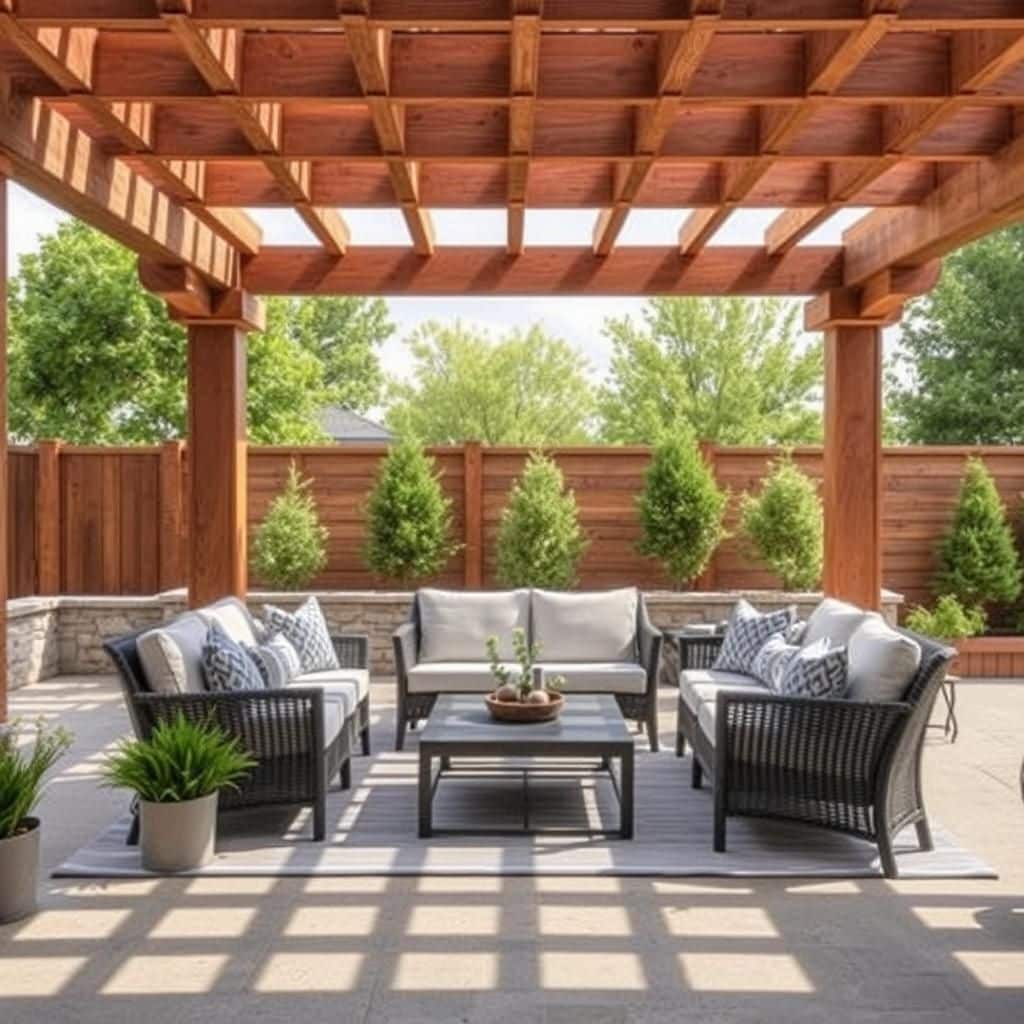
Transforming your outdoor space into a cozy retreat can be an exciting endeavor, especially with the addition of a pergola. This versatile structure not only enhances the aesthetic appeal of your garden or patio but also provides a perfect setting for relaxation and social gatherings. However, selecting the right furniture to complement your pergola is crucial for maximizing both comfort and style. In this ultimate guide, we’ll explore the best furniture options, tips for arrangement, and creative ideas to inspire your outdoor decor. Whether you prefer a minimalist look or a vibrant, eclectic space, we’ve got you covered.
Choosing the Right Furniture for Your Pergola
When considering what furniture to place under a pergola, it's essential to select pieces that not only enhance the aesthetic appeal of the space but also provide comfort and functionality. A common choice includes a comfortable seating arrangement like outdoor sofas or lounge chairs, which allow you and your guests to relax while enjoying the shade provided by the structure. Moreover, incorporating a dining table promotes outdoor dining experiences, while accessories such as side tables and cushions can further elevate both comfort and style. Lastly, adding elements like planters or a fire pit can create a cohesive and welcoming atmosphere that takes full advantage of the outdoor environment.
Outdoor Sofas and Chairs
Outdoor sofas and chairs are a popular choice for pergola spaces due to their ability to create a cozy and inviting atmosphere. When selecting these pieces, look for weather-resistant materials such as aluminum, teak, or synthetic wicker. Upholstered cushions should be made with fade-resistant and water-repellent fabrics to withstand outdoor conditions. The arrangement of sofas and chairs can also influence the flow of conversation and movement, so consider an L-shape or circular setup to encourage social interaction.
Dining Tables
A dining table under a pergola turns your outdoor space into an elegant dining area, perfect for hosting gatherings or enjoying family meals al fresco. Choose a table that complements the scale of the pergola while ensuring there's sufficient space for chairs around it. Opt for materials such as teak or powder-coated metal, which are known for their durability against the elements. Depending on your preferred dining style, you can select a large rectangular table for formal settings or a round table for a more casual, intimate vibe.
Shade and Comfort Accessories
To enhance comfort in the pergola, accessorizing with throw pillows, blankets, and outdoor rugs can add a touch of warmth and personality. These accessories not only make the seating area more inviting but also add layers of texture and color to the design. Moreover, including ceiling fans or misting systems can improve airflow, keeping the area cool during hot summer days. Make sure that any accessories chosen are suitable for outdoor use to maintain their quality and appearance over time.
Planters and Greenery
Incorporating planters and greenery into your pergola setup can significantly enhance its aesthetic appeal. Consider using vertical planters or hanging pots to maximize space and create a lush, vibrant environment. Plants such as vines can also be trained to grow on or around the pergola structure, offering additional shade and a natural feel. Choose plants that thrive in your local climate and require minimal maintenance to ensure your pergola remains beautiful year-round.
Fire Pits and Heaters
A fire pit or outdoor heater under your pergola can extend its use into cooler evenings, providing warmth and ambiance. Fire pits come in various styles, including wood-burning, propane, and gel-fueled options, allowing you to choose one that fits your needs and preferences. When placing a fire pit, ensure it is safely distanced from flammable materials and that it complies with local regulations. Additionally, comfortable seating around the fire pit creates a perfect gathering spot for relaxing and enjoying the outdoors even during cooler weather.
| Furniture Type | Key Features | Material Suggestions |
|---|---|---|
| Outdoor Sofas | Comfortable, weather-resistant | Aluminum, teak, synthetic wicker |
| Dining Tables | Spacious, suitable for gatherings | Teak, powder-coated metal |
| Comfort Accessories | Colorful, textured | Water-repellent fabrics |
| Planters | Adds greenery, enhances aesthetics | Metal, ceramic, wood |
| Fire Pits | Provides warmth, creates ambiance | Stone, steel, concrete |
What should I put under my pergola?
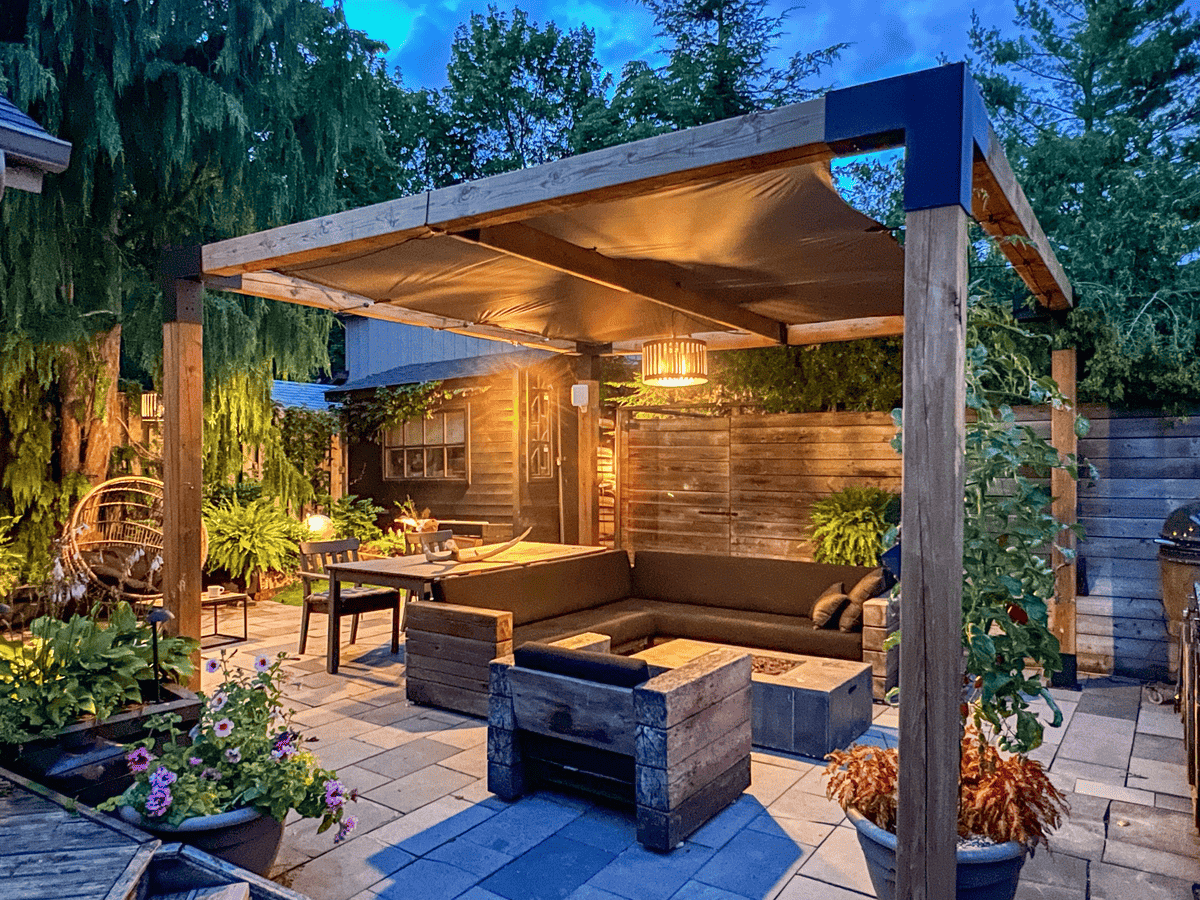
What to put under your pergola largely depends on your intended use of the space. Below are several ideas that can enhance your outdoor area, making it more functional and inviting.
Furniture
When considering what to place under your pergola, outdoor furniture is essential. A well-furnished area can serve as a perfect spot for relaxation and entertainment.
See also:
- Seating options: Consider comfortable chairs, sofas, or even a dining set. Choosing weather-resistant materials like teak, wrought iron, or resin wicker can ensure durability.
- Tables: Coffee tables or side tables can be vital for setting drinks and snacks while enjoying your space. Opt for materials that withstand the elements.
- Accent pieces: Adding cushions, throw blankets, or decorative pillows can enhance comfort and aesthetics. Choose fabrics that are UV-resistant and water-repellent.
Plants and Greenery
Implementing plants under your pergola can create a serene and natural atmosphere. Incorporating greenery softens the space, making it feel more inviting.
- Potted plants: Use large pots with colorful flowers or greenery to add visual interest and a pop of color. Herbs like basil or mint work well too and can be functional.
- Hanging plants: Consider using planters that hang from your pergola's beams. Plants like ferns or ivy draping down can create a lush effect.
- Trellises: Install trellises for climbing plants like jasmine or clematis, which can not only maximize space but also provide additional shade.
Lighting
Good lighting is crucial for creating an inviting atmosphere under your pergola, especially if you plan to use it in the evening. Proper lighting can enhance the ambiance.
These can add a warm glow to your space. String them along the beams or around the edges of your pergola for a festive look. Consider solar-powered options for eco-friendliness. They can be placed along pathways or nestled among plants to enhance visibility and charm.
Outdoor Rugs
An outdoor rug can define the space under your pergola and add warmth to the area. It brings together all the elements of your outdoor room.
- Material: Choose weather-resistant materials that can withstand sun and rain, such as polypropylene or polyester.
- Size: Make sure the rug is large enough to accommodate your seating area. It should sit under all your furniture for a cohesive look.
- Design: Select a design that complements your furniture and overall outdoor décor. Bold colors can add vibrancy, while neutral tones can provide a classic touch.
Fire Pit or Heater
If you desire year-round enjoyment under your pergola, consider incorporating a fire pit or outdoor heater. This addition can create a cozy atmosphere during cooler evenings.
These are versatile and can be relocated as needed. Choose a style that matches your outdoor aesthetic. If you prefer convenience, gas patio heaters provide warmth without the need to tend to a fire. Always consider safety. Ensure fire pits are placed on a stable surface and keep flammable items at a safe distance.
What flooring to put under a pergola?
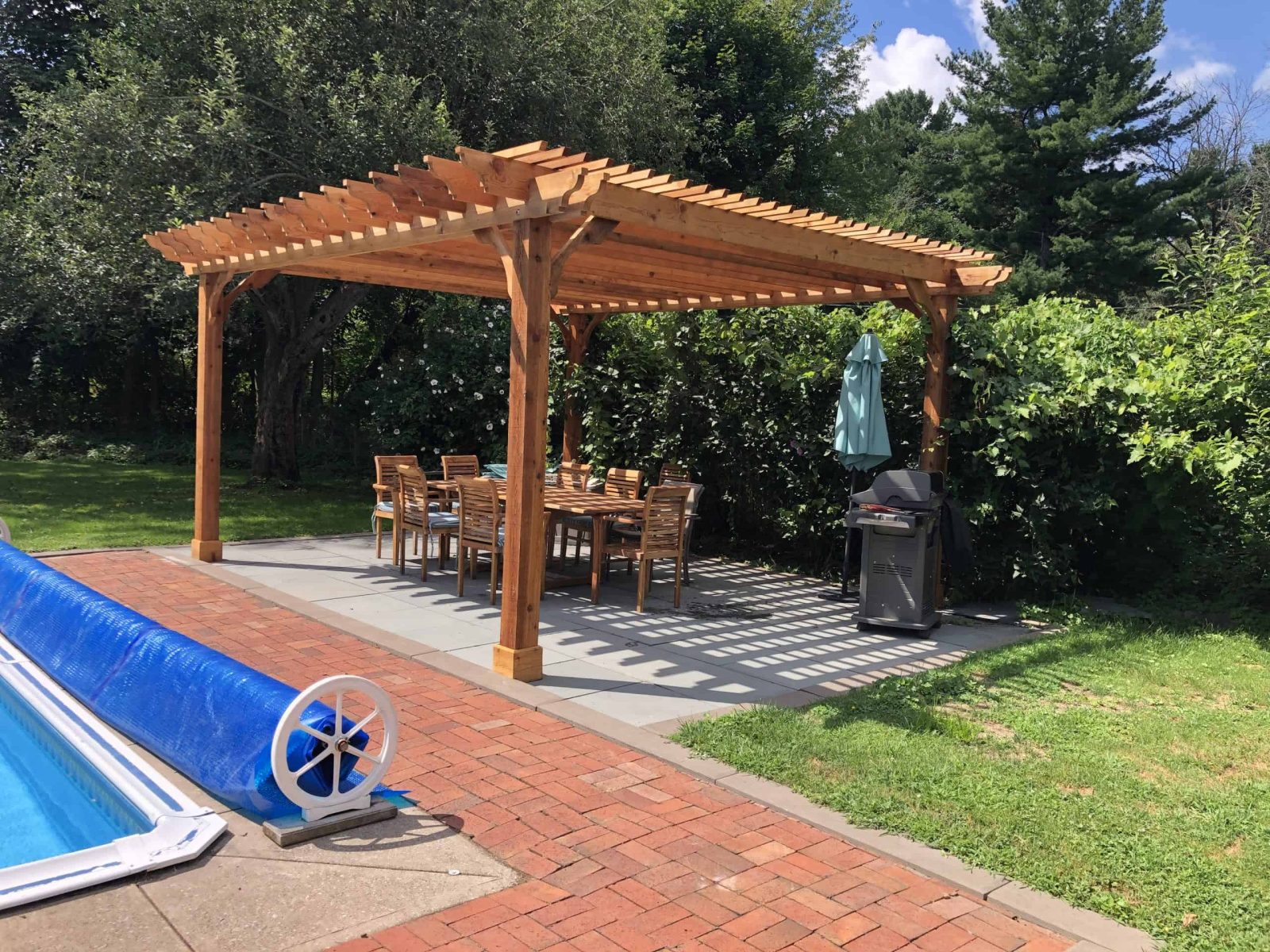
When selecting flooring for a pergola, you have several options that can enhance both the aesthetics and functionality of the space. The choice depends on various factors such as climate, maintenance, and the intended use of the area beneath the pergola. Here are some common flooring materials to consider:
Wooden Decking
Wooden decking is a classic choice for flooring under a pergola, providing a natural, warm look that complements the outdoor environment. It can be made from various types of wood, such as cedar, redwood, or pressure-treated lumber.
- Aesthetics: It offers a timeless appeal and can be stained or painted to match your outdoor decor.
- Comfort: Wood surfaces tend to feel warmer underfoot compared to stone or concrete, making them pleasant to walk on.
- Maintenance: Requires regular sealing and treatment to protect against moisture and UV damage.
Concrete Pavers
Concrete pavers are a versatile and durable flooring option for pergolas. They come in a variety of styles, colors, and textures, allowing you to customize your outdoor space.
- Durability: Highly resistant to cracking and can withstand heavy foot traffic.
- Low Maintenance: They don't need extensive upkeep; simple cleaning is often sufficient.
- Variety: Available in numerous shapes and designs to fit different aesthetics.
Natural Stone
Natural stone, such as slate, granite, or limestone, provides an elegant and luxurious flooring option. It brings in a touch of sophistication and blends well with outdoor settings.
- Longevity: Extremely durable and can last for many years with minimal wear.
- Unique Appearance: Each stone has its own unique patterns, adding character to your space.
- Heat Retention: Can become hot in direct sunlight, so it may not be ideal for very sunny climates without shade.
Composite Decking
Composite decking is an engineered product made from a blend of wood fibers and plastic, offering a solution that mimics real wood while providing increased durability and weather resistance.
See also:
- Resistance: It is resistant to mold, rot, and insects, reducing the need for maintenance.
- Sustainability: Many composite products are made from recycled materials, making them an eco-friendly option.
- Color Variety: Available in a wide range of colors and finishes, allowing you to achieve your desired look.
Gravel
Gravel can provide a more rustic look underneath a pergola and is a cost-effective flooring choice. It allows for excellent drainage, making it suitable for areas with heavy rainfall.
- Drainage: Gravel allows water to pass through easily, preventing pooling.
- Flexibility: Can be used in various designs and can easily be changed or replaced.
- Natural Feel: Complements outdoor landscaping and offers a casual, organic vibe.
What base do you need for a pergola?
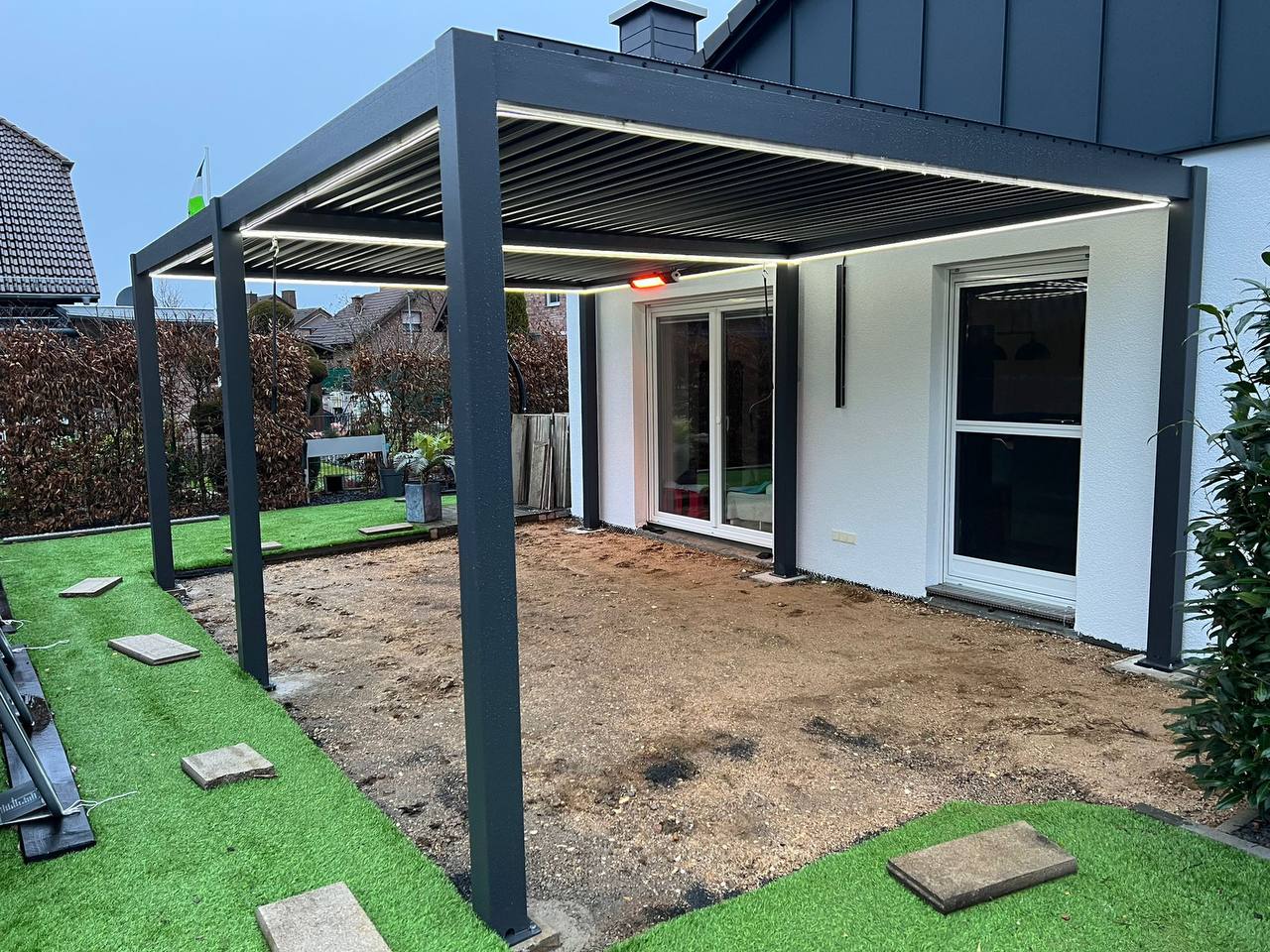
To construct a pergola, the base you need will depend on various factors such as location, the type of pergola, and the materials used. Generally, a pergola can be built on different types of bases, including concrete, gravel, or even directly into the ground. However, it's critical to ensure that the base is stable and well-drained to support the structure and withstand various weather conditions.
Choosing the Right Base Material
When selecting the material for your pergola base, consider the following options:
- Concrete: Provides the most stability and durability, suitable for permanent structures.
- Gravel: A cost-effective solution that allows for good drainage but may require additional support.
- Wood Decking: Integrates well with wooden pergolas but may need periodic maintenance.
Foundation Types for Pergolas
There are several types of foundations that can be used for pergolas, including:
- Concrete Footings: Ideal for heavy structures, ensuring they are anchored correctly.
- Post Anchors: Useful for lightweight pergolas, allowing easy removal if necessary.
- Concrete Slab: Provides a solid base and can support various structures directly on top.
Assessing Soil Conditions
Before finalizing your base, it’s essential to assess the soil conditions of your planned site:
- Soil Type: Sandy soil drains well but may be unstable; clay soil is stable but retains water.
- Drainage: Ensure the area does not flood; proper grading may be necessary.
- Soil Bearing Capacity: Test if the soil can support the weight of your pergola.
Determining Pergola Size and Height
The size and height of the pergola dictate the type of base you will need:
- Large Pergolas: Require deeper foundations to ensure stability under the weight.
- Height Considerations: Taller structures need solid anchoring to prevent tipping.
- Design Aesthetics: Larger bases may be visually overpowering; balance is crucial.
Local Building Codes and Regulations
Before starting your project, check local regulations regarding your pergola’s base:
- Permits: Some areas may require building permits for permanent structures.
- Building Codes: Ensure compliance with local codes to avoid fines.
- Property Lines: Be aware of your property lines to ensure the structure does not encroach on neighbors’ space.
Questions from Our Readers
What types of furniture are suitable for a pergola?
When choosing furniture for a pergola, consider items like , tables, and sectional sofas that are designed for outdoor use. These pieces should be made from weather-resistant materials like aluminum, teak wood, or resin wicker to withstand the elements while providing comfort and style.
Should I use cushions under my pergola?
Yes, using cushions under your pergola can enhance comfort significantly. Opt for weather-resistant and fade-resistant fabrics to ensure they last longer despite exposure to sunlight and occasional rain.
See also:
Is it necessary to have a dining set under a pergola?
No, it's not necessary to have a dining set under a pergola, but it can provide a great space for outdoor meals and gatherings. Depending on your use of the space, you might prefer a smaller bistro set or even a lounge area for relaxation instead.
How do I arrange furniture under a pergola?
When arranging furniture under a pergola, consider creating distinct zones for dining, lounging, or relaxing. Ensure to leave enough room for movement and opt for balanced layout by grouping furniture together while maximizing the use of vertical space with plants or decorative elements.

If you want to read more articles like Ultimate Guide: What Furniture Do You Put Under a Pergola? Tips and Ideas for Your Outdoor Space, we recommend you check out our Pergola category.
Leave a Reply
Related Articles