Can a Pergola Touch the Wall of the House? Understanding the Best Practices and Benefits

When considering outdoor structures to enhance your home’s landscape, pergolas are a popular choice. A common question arises: can a pergola touch the wall of the house? This inquiry delves into both aesthetic and practical aspects of pergola installation. Understanding the best practices surrounding this decision is crucial for homeowners looking to maximize their outdoor space while ensuring structural integrity. In this article, we will explore the benefits of attaching a pergola to your home, potential design considerations, and expert recommendations to create a cohesive and inviting outdoor environment.
Can a Pergola Touch the Wall of the House?
Yes, a pergola can touch the wall of the house, but there are several considerations to keep in mind. When attaching a pergola to your home, it is important to ensure that the connection is structurally sound and that it complies with any local building codes. The design of the pergola should also take into account factors such as drainage, ventilation, and aesthetics. Additionally, consider how the pergola will interact with your home’s exterior materials and landscape, ensuring that it enhances rather than detracts from your property’s overall look. Always consult with a professional if you are uncertain about the proper installation.
Building Codes and Permits
Before installing a pergola that touches your house, it is crucial to check local building codes and obtain any necessary permits. Regulations may vary by location, and some areas may have specific guidelines regarding the attachment of structures to residential buildings. Neglecting this step could result in fines or the need to remove the structure later.
Structural Considerations
The structural integrity of both the pergola and the house must be assessed when they are designed to touch. Ensure that the wall can support the additional weight of the pergola, especially during inclement weather. Proper anchoring and construction methods are vital to prevent potential damage to the building and ensure the longevity of the pergola.
Aesthetic Integration
A pergola that touches the wall of the house can either enhance or disrupt the overall aesthetic of your home. Choosing materials and designs that complement the existing architecture will create a more cohesive look. Consider the colors, textures, and styles of both the pergola and your home to achieve a visually appealing connection.
Water Drainage and Management
Water management is a crucial factor when installing a pergola against a house. Ensure that the design allows for adequate drainage, preventing water from pooling on the roof or running against the wall. Insufficient drainage can lead to water damage, mold growth, and deterioration of both the pergola and the house’s siding.
Maintenance Issues
Attaching a pergola to the house can raise maintenance concerns. Regular inspections should be conducted to ensure that the connection does not trap debris or create areas for water accumulation. Additionally, the interface between the pergola and the wall should be checked for signs of wear, rot, or pest infestations, which could compromise both structures over time.
| Consideration | Details |
|---|---|
| Building Codes | Check local regulations and obtain necessary permits. |
| Structural Integrity | Ensure the wall supports the pergola's weight correctly. |
| Aesthetic Integration | Match materials and styles for a cohesive appearance. |
| Water Drainage | Design for effective drainage and prevent pooling. |
| Maintenance | Regularly inspect for debris and wear at the connection. |
Can you put a pergola against your house?

Yes, you can put a pergola against your house. A pergola is an outdoor structure that provides partial shelter, and placing it against your house can enhance your living space, providing a comfortable area for relaxation or entertaining. However, there are several factors to consider before installation.
Benefits of Installing a Pergola
Installing a pergola against your house has several advantages, including:
- Increased Outdoor Living Space: A pergola can create an inviting outdoor area where you can enjoy nature while still being close to your home.
- Architectural Appeal: When designed properly, a pergola can complement the architecture of your home, adding aesthetic value.
- Shade and Comfort: It provides shade from the sun, making it easier to enjoy outdoor activities during hot weather.
Permits and Regulations
Before installing a pergola, it’s essential to check local building codes and regulations. Usually, you need to consider:
- Building Permits: Depending on your local laws, you may need a permit for construction.
- Property Lines: Ensure that the structure is within your property boundaries to avoid disputes with neighbors.
- Zoning Laws: Some areas may have specific zoning laws that dictate what can be built.
Design Considerations
When planning your pergola, several design aspects should be evaluated:
- Size and Scale: The pergola should be appropriately sized to match the proportions of your house and yard.
- Material Selection: Common materials include wood, vinyl, and metal, each offering different aesthetics and durability.
- Style Compatibility: Choose a style that complements your home, whether modern, traditional, or rustic.
Installation Tips
Here's how to make the installation process smoother:
See also:
- Foundation: Ensure a solid foundation for your pergola, considering whether it will be anchored to the ground or the wall of your house.
- Consult a Professional: If you're not experienced in construction, hiring a professional for installation can ensure durability and safety.
- Safety Measures: Prioritize safety during installation, including using proper tools and taking precautions against falling debris.
Maintenance of Your Pergola
Regular maintenance is key to keeping your pergola in good shape. Consider these tips:
- Cleaning: Regularly remove debris and dirt to prevent mold and wood deterioration.
- Sealing and Staining: If made of wood, consider applying a sealant or stain to protect it against the elements.
- Inspections: Periodically check for any structural issues, such as loose joints or signs of rot.
How to attach a pergola to a house wall?
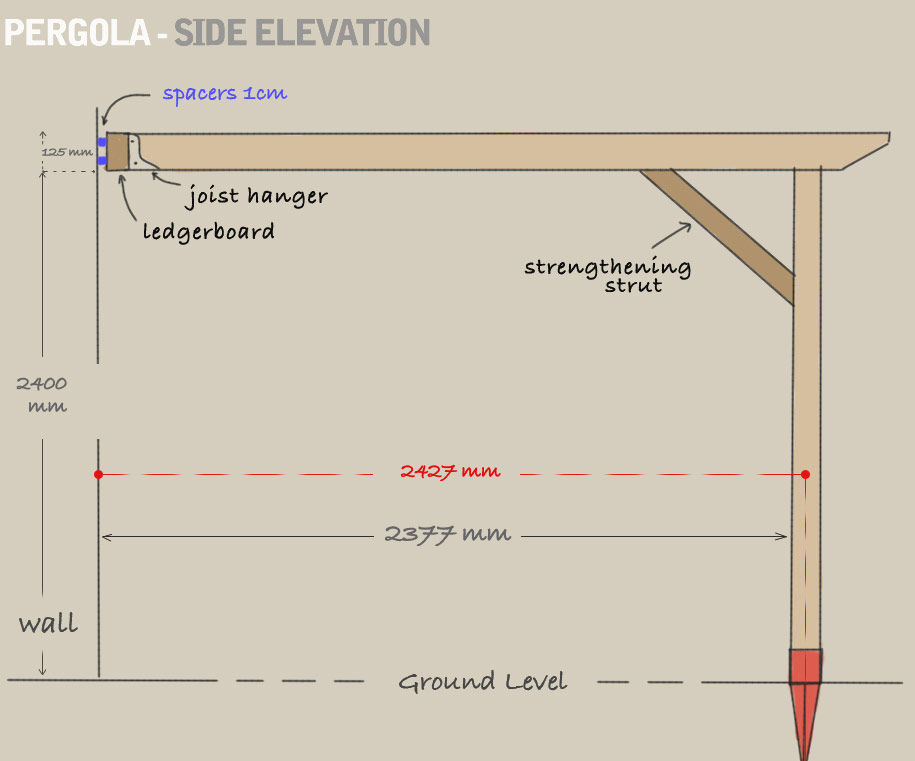
To attach a pergola to a house wall, follow these comprehensive steps to ensure stability and aesthetics. The procedure typically involves selecting the right location, preparing the wall, and securely fastening the pergola.
Choosing the Right Location
Selecting the best location for your pergola is essential for both functionality and aesthetics. Here are some key considerations:
- Sunlight Exposure: Determine how much sunlight you want your pergola to receive. If you desire more shade, position it strategically away from direct sun.
- Accessibility: Ensure the pergola is easily accessible from your home to enhance usability for outdoor activities.
- Visual Appeal: Consider how the pergola will look from both outside and inside your home to enhance curb appeal.
Preparing the Wall
Before attaching the pergola, it's crucial to prepare the wall properly to ensure a secure and lasting installation. Key steps include:
- Inspect the Wall: Check for cracks or moisture issues that may compromise the attachment.
- Clean the Surface: Remove dirt, debris, or paint that could prevent a strong bond between the pergola and wall.
- Mark Anchor Points: Use a level and measuring tape to mark where the pergola will be attached on the wall.
Selecting the Right Fasteners
Choosing appropriate fasteners is crucial for a sturdy connection between the pergola and wall. Consider the following types:
- Screws: Use heavy-duty screws that are rust-resistant and long enough to penetrate deep into the wall.
- Lag Bolts: For a more robust attachment, lag bolts can provide superior strength, especially for larger pergolas.
- Wall Anchors: If attaching to drywall or soft material, consider wall anchors to ensure a secure hold.
Attaching the Pergola
The actual attachment process should be done with care to ensure proper alignment and security. Follow these steps:
- Position the Pergola: Lift the pergola into place against the wall, aligning it with the marked anchor points.
- Drill Holes: Drill pilot holes for the screws or lag bolts to make the installation easier and prevent wood splitting.
- Screw in Fasteners: Securely tighten the screws or bolts into the wall, ensuring the pergola is steady and does not wobble.
Finishing Touches and Maintenance
After the pergola is attached, it's essential to maintain both the structure and its connection to the wall. Consider the following:
- Sealants: Apply a weather-resistant sealant on exposed wood to prevent rot and degradation.
- Regular Inspections: Check the fasteners and wood periodically for signs of wear or damage, addressing issues promptly.
- Paint or Stain: Enhance the pergola's appearance with a suitable outdoor paint or stain that complements your home.
Do you need planning permission for a pergola attached to a house?

To determine whether you need planning permission for a pergola attached to a house, it is essential to understand the regulations that govern such structures. In many cases, a pergola can be considered a permitted development, which means you may not need formal permission, provided it meets specific criteria. However, this varies depending on local laws and the specific characteristics of the pergola and your property.
Understanding Permitted Development Rights
Permitted development rights allow homeowners to make certain changes without the need for planning permission. This includes some garden structures. However, the rules can differ based on the location and characteristics of the property:
- Height Restrictions: Generally, for a pergola, the maximum height should not exceed 2.5 meters if it is within 2 meters of a boundary.
- Ground Coverage: The pergola should not cover more than 50% of the garden area.
- Existing Permissions: If the property is listed or situated in a conservation area, additional restrictions may apply.
When is Planning Permission Required?
In certain situations, obtaining planning permission might be necessary before constructing a pergola:
- Listed Buildings: Structures attached to a listed building usually require permission, as changes could affect their historical significance.
- Conservation Areas: If your property is in a conservation area, specific rules may apply regarding the design and impact on the environment.
- Size and Scale: If the pergola is particularly large or exceeds the limits of permitted development, you will need permission.
Consulting Your Local Council
It's wise to check with your local council for clarity on the regulations applicable to your area. Each local authority has variations in guidelines:
See also:
- Application Process: Contact the planning department to understand what documents are required for the application.
- Guidance Notes: Some councils provide guidance documentation specifically about garden structures and sheds.
- Advice on Materials: Certain materials may require justification in terms of compatibility with local aesthetics.
Benefits of Seeking Planning Permission
While it may seem like an unnecessary step, there are advantages to obtaining planning permission before construction:
- Legal Security: Having the permission provides reassurance that your structure complies with local laws.
- Future Developments: Knowing that your pergola has planning approval makes it easier to carry out further property enhancements in the future.
- Value Addition: Structures that have followed the legal pathway can potentially add greater value to your home in the long term.
Alternative Structures and Considerations
In some cases, you may consider alternatives to a traditional pergola that might not require planning permission:
- Garden Arbors: Smaller structures such as arbors may fall under different regulations.
- Temporary Structures: Consider using a temporary pergola that can be dismantled easily, which usually doesn’t require planning permission.
- Gazebos and Canopies: Explore other forms of garden shelters that might not require formal permission.
What is the flashing between pergola and house?

Flashing between a pergola and a house is a critical component in construction that prevents water infiltration and protects the structural integrity of both the pergola and the house. Flashing is typically made from materials like metal or plastic and is installed to direct water away from vulnerable areas where two structures meet, such as the junction between a roof and a vertical wall or in this case, between a pergola and a house.
The purpose of flashing is to create a barrier that stops moisture from seeping into the walls and roof structure, which can lead to mold growth, wood rot, and other serious issues. It is essential to ensure proper installation for effective performance, considering the local weather conditions and the materials used in both the pergola and the house.
Types of Flashing Used
There are several types of flashing that can be employed between a pergola and a house:
- Base flashing: This type is used to redirect water away from the base of the pergola.
- Cap flashing: Installed at the top of walls to shed water away from the junction.
- Counter flashing: Embedded into the building's structure to ensure water flows over it.
Materials Commonly Used
The effectiveness of flashing can significantly depend on the materials chosen for its installation. Common materials include:
- Aluminum: Lightweight, resistant to rust, and easily shaped for various configurations.
- Copper: Highly durable and resistant to corrosion, often preferred for more aesthetic applications.
- Vinyl: A cost-effective option that resists rust and is easy to install but has different performance properties over time.
Installation Techniques
Proper installation of flashing between a pergola and a house involves several key techniques:
- Sealing joints: Ensuring all seams are sealed with appropriate caulking to prevent water penetration.
- Proper sloping: Positioning the flashing at an angle so that water drains away from the house's structure.
- Overlapping sections: Installing sections of flashing in a staggered manner to create a continuous barrier.
Maintenance Practices
Regular maintenance of the flashing is crucial for its longevity and effectiveness. Recommended practices include:
- Inspection for damage: Periodically checking for any signs of corrosion, rust, or physical damage.
- Cleaning debris: Keeping the area free from leaves, dirt, or other debris that can trap moisture.
- Re-sealing joints: Applying new caulk or sealant as needed to maintain a watertight barrier.
Impact of Poor Flashing
Neglecting the installation or maintenance of flashing can lead to severe consequences:
- Water damage: Infiltration can cause rot in wooden structures and water stains on walls.
- Mold growth: Excess moisture can create an environment for mold and mildew, impacting indoor air quality.
- Structural issues: Prolonged exposure to water can compromise the structural integrity of both the pergola and the house.
Questions from Our Readers
Can a pergola touch the wall of the house?
Yes, a pergola can touch the wall of the house, and this is often done to create a seamless transition between the house and the outdoor space. However, it’s important to ensure proper ventilation and drainage to prevent issues such as water damage or mold.
What are the benefits of attaching a pergola to a house?
Attaching a pergola to the house can provide several benefits, including enhanced aesthetic appeal, additional shade, and the ability to create a cohesive outdoor living area. This integration can also increase the overall value of the property.
Are there any building codes or regulations for a pergola touching the house?
Yes, there are often local building codes and regulations that may affect the construction of a pergola touching the house. It is essential to check with your local authorities or a professional to ensure compliance with any necessary permitting or structural requirements.
See also:
How should a pergola be designed if it touches the wall of the house?
When designing a pergola that touches the wall of the house, it should allow for expansion and contraction due to changes in temperature. Additionally, consider using flashing or other waterproofing materials to protect the home’s walls from moisture that may accumulate where the pergola and house meet.
If you want to read more articles like Can a Pergola Touch the Wall of the House? Understanding the Best Practices and Benefits, we recommend you check out our Pergola category.
Leave a Reply
Related Articles