What is the point of an uncovered pergola? Discover the Benefits and Uses of Open-Air Structures
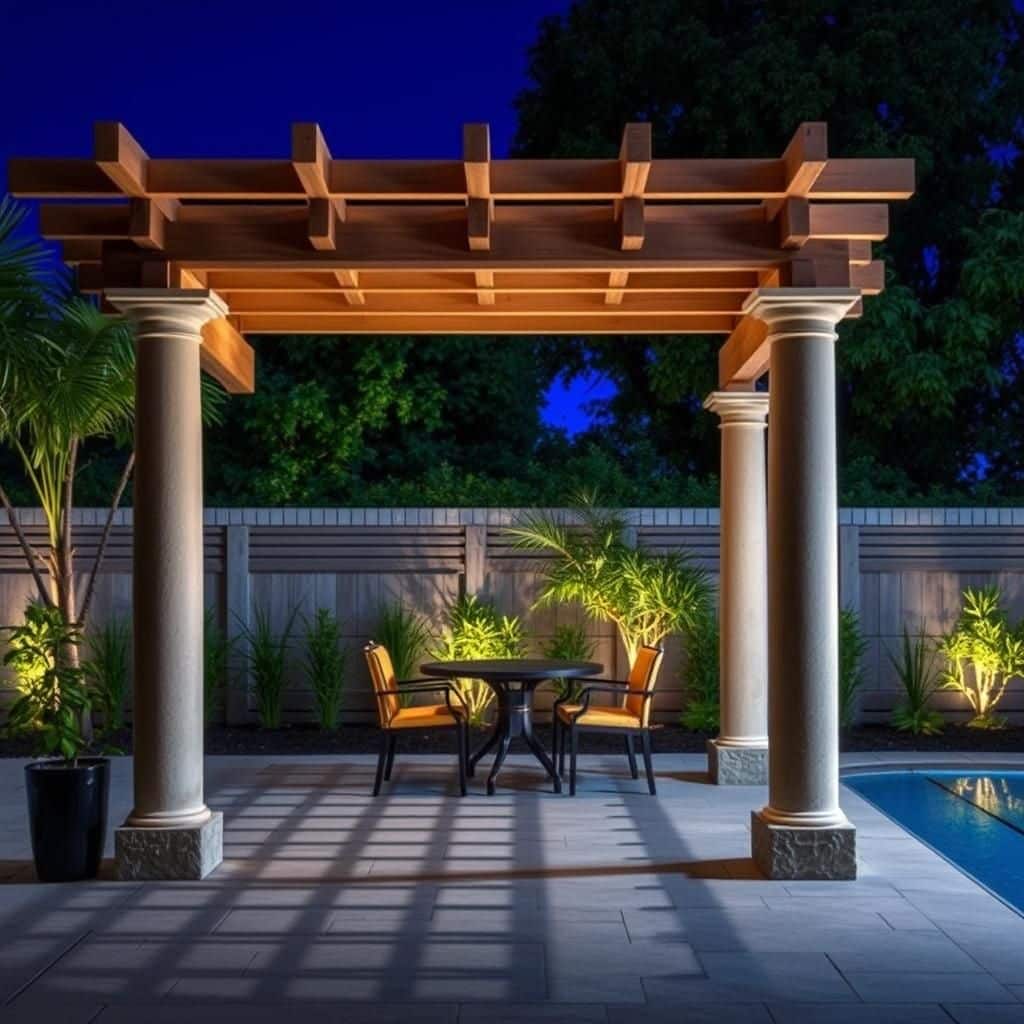
An uncovered pergola is more than just an aesthetic feature in outdoor spaces; it serves multiple practical purposes that enhance the usability and enjoyment of gardens, patios, and backyards. These open-air structures provide a unique blend of sunlight and shade, making outdoor areas comfortable and inviting. The versatility of pergolas allows them to be customized for various uses, from entertaining guests to creating a relaxing retreat. In this article, we will explore the benefits of uncovered pergolas, examining their impact on outdoor living and how they can elevate the overall ambience of residential landscapes.
What is the Point of an Uncovered Pergola?
An uncovered pergola serves as a multifunctional outdoor structure that enhances the aesthetic appeal of a garden or patio while providing an essential space for recreation or relaxation. Unlike fully covered structures, an uncovered pergola allows for the enjoyment of fresh air, natural light, and the surrounding landscape, creating a seamless connection between indoor and outdoor living. This design element offers partial shade, making it ideal for areas where the sun can be intense, while still allowing for ventilation and an unobstructed view of the sky. Additionally, it can serve as a framework for climbing plants, adding an element of natural beauty and creating a serene ambiance.
Enhancing Outdoor Aesthetics
An uncovered pergola is instrumental in enhancing the overall aesthetic of outdoor spaces. Its open and airy design complements gardens, patios, and landscaping, offering a delicate architectural feature that encourages creativity in decor. By incorporating various styles, colors, and materials, it can harmonize with the surrounding elements, making the outdoor area more visually appealing and inviting. The structure itself can become a focal point in the landscape, drawing attention and adding character to the environment.
Creating Functional Outdoor Spaces
The primary function of an uncovered pergola is to create additional functional space outdoors. It provides an area that can be tailored for various activities such as dining, lounging, or hosting gatherings. By placing outdoor furniture beneath the pergola, homeowners can enjoy meals or leisure time in a defined space, promoting outdoor living. This versatility makes it a valuable addition, transforming how occupants interact and enjoy their outdoor environments.
Supporting Garden Growth
Uncovered pergolas provide excellent support for climbing plants and vines, allowing gardeners to create lush, green vertical gardens. This feature can enhance the visual appeal while offering shade at various levels, thereby improving the microclimate in the surrounding area. The use of natural greenery also contributes to biodiversity, making the outdoor environment healthier and more vibrant. With the right selection of plants, homeowners can create a beautifully entwined structure that adds depth and texture to their landscape.
By establishing an inviting space for gatherings, uncovered pergolas encourage social interaction among family and friends. Whether it’s morning coffee, afternoon barbecues, or evening get-togethers, these structures offer a designated spot that naturally draws people together. The openness of the design fosters an atmosphere of connectivity, making it an ideal venue for creating memories and enjoying quality time outdoors.
Providing Partial Shade and Comfort
Uncovered pergolas offer an essential balance of shade and comfort without completely blocking out the sun. The structure reduces direct exposure to sunlight while preserving ventilation and natural light, creating a comfortable environment for relaxation. This feature is particularly beneficial during hot summer months, providing a cooler space to unwind or engage in outdoor activities without feeling overwhelmed by heat.
| Feature | Description |
|---|---|
| Aesthetic Appeal | Adds beauty and character to outdoor spaces. |
| Functional Space | Creates areas for dining, lounging, and gatherings. |
| Garden Support | Enhances garden growth with climbing plants. |
| Social Interaction | Encourages gatherings and family time. |
| Partial Shade | Provides comfort without blocking natural light. |
What is the point of a pergola without a roof?

A pergola without a roof serves multiple purposes, primarily enhancing outdoor spaces while providing various aesthetic and functional benefits. Unlike traditional structures that offer full shelter, pergolas emphasize openness and connection to nature, contributing to the atmosphere of the environment.
Outdoor Space Definition
A pergola without a roof defines an outdoor space, creating a distinct area for various activities. By offering partial shelter and structural design, it allows for both sunlight and shade, making it a versatile addition to gardens or patios. This open design can transform a backyard into a cozy retreat or a vibrant gathering spot with the following advantages:
- Spatial Optimization: It clearly marks the boundary between different sections of a garden.
- Enhancing Aesthetics: The structural design adds visual interest to landscaping.
- Connecting Indoor and Outdoor: It creates a seamless transition between the home and garden.
Garden Enhancement
A pergola enhances the garden's natural beauty by providing a framework for climbing plants and vines. This feature not only supports plant growth but also creates a stunning focal point. The incorporation of greenery results in a more lively atmosphere, which can be characterized by:
- Natural Shade: Climbing plants can offer increased shade as they grow.
- Seasonal Changes: The greenery changes throughout the seasons, providing dynamic views.
- Wildlife Attraction: A green pergola can attract birds and butterflies to your garden.
A roofless pergola acts as a perfect setting for alfresco dining and social gatherings. Its design encourages outdoor meal experiences while still providing a sense of comfort and shelter from direct sun or light rain. Key aspects include:
- Flexible Outdoor Living: It creates an inviting space for dining and entertaining.
- Decoration Opportunities: You can enhance the area with lights, plants, and fabrics.
- Community Feel: The open design allows for larger groups to gather without feeling confined.
Sun Protection Benefits
Despite lacking a solid roof, a pergola can provide some degree of sun protection, primarily by blocking direct rays and offering intermittent shade. This notable feature is ideal for sun-sensitive activities and includes:
See also:
- Reduced UV Exposure: Helps protect skin while enjoying the outdoors.
- Comfortable Temperature Regulation: Provides a cooler space to relax on hot days.
- Flexible Use of Space: Allows for adjustments in shade levels based on sun position.
Design Versatility
The design of a pergola without a roof can be easily customized to suit individual tastes and preferences, leading to a highly personalized outdoor space. Various styles, materials, and colors allow homeowners to express their creativity through:
- Material Selection: Use wood, metal, or even fabric for a unique feel.
- Color Choices: Paint or stain the structure to match your landscape.
- Added Features: Include swings, hammocks, or lighting to enhance functionality.
What is the point of an open pergola?

The point of an open pergola is to create an outdoor structure that enhances the aesthetic appeal of a garden or patio, while also providing a functional space for relaxation and entertainment. Open pergolas are typically characterized by their slatted roofs, which allow sunlight to filter through while offering partial shade. This design encourages air circulation, making outdoor spaces more comfortable. Here are some key benefits and points related to open pergolas:
Enhancing Aesthetic Appeal
An open pergola serves as a visually striking element in outdoor areas, enhancing the overall design of a landscape.
- Architectural interest: It adds vertical lines and depth to gardens.
- Integration with nature: The structure can support climbing plants, integrating beautifully with the surrounding foliage.
- Customization: Open pergolas can be designed in various styles and materials to match personal tastes.
Providing Shade and Comfort
While open pergolas do not provide complete shade, they create a comfortable environment by blocking some sunlight and enabling airflow.
- Partial shelter: The slats offer shade during peak sunlight hours.
- Cooling effect: The open design promotes ventilation, reducing heat buildup.
- Flexible shade options: Can be paired with outdoor fabrics or climbing plants for additional coverage.
Creating Outdoor Living Spaces
An open pergola defines a specific area in a yard or garden for relaxation or socializing.
- Functional zones: It can delineate spaces for dining, lounging, or gardening.
- Social gatherings: Provides a gathering area for family and friends.
- Complementary furniture: Easily accommodates outdoor furniture such as tables, chairs, and hammocks.
Supporting Landscaping Features
Open pergolas can serve as a structural component that supports other landscape elements and designs.
- Vertical gardening: Supports climbing plants and vertical gardens that maximize space.
- Hanging decorations: Allows for hanging lanterns, lights, or planters that enhance visual interest.
- Connection with pathways: Can frame walkways, enhancing flow and navigation through the garden.
Increasing Property Value
Investing in an open pergola can help boost the value of a property.
- Aesthetic enhancement: Adds charm and character, making properties more appealing to buyers.
- Outdoor entertainment: Increases usable living space, attracting buyers looking for outdoor amenities.
- Quality structure: A well-built pergola signals quality and care in property maintenance.
Should a pergola be covered?
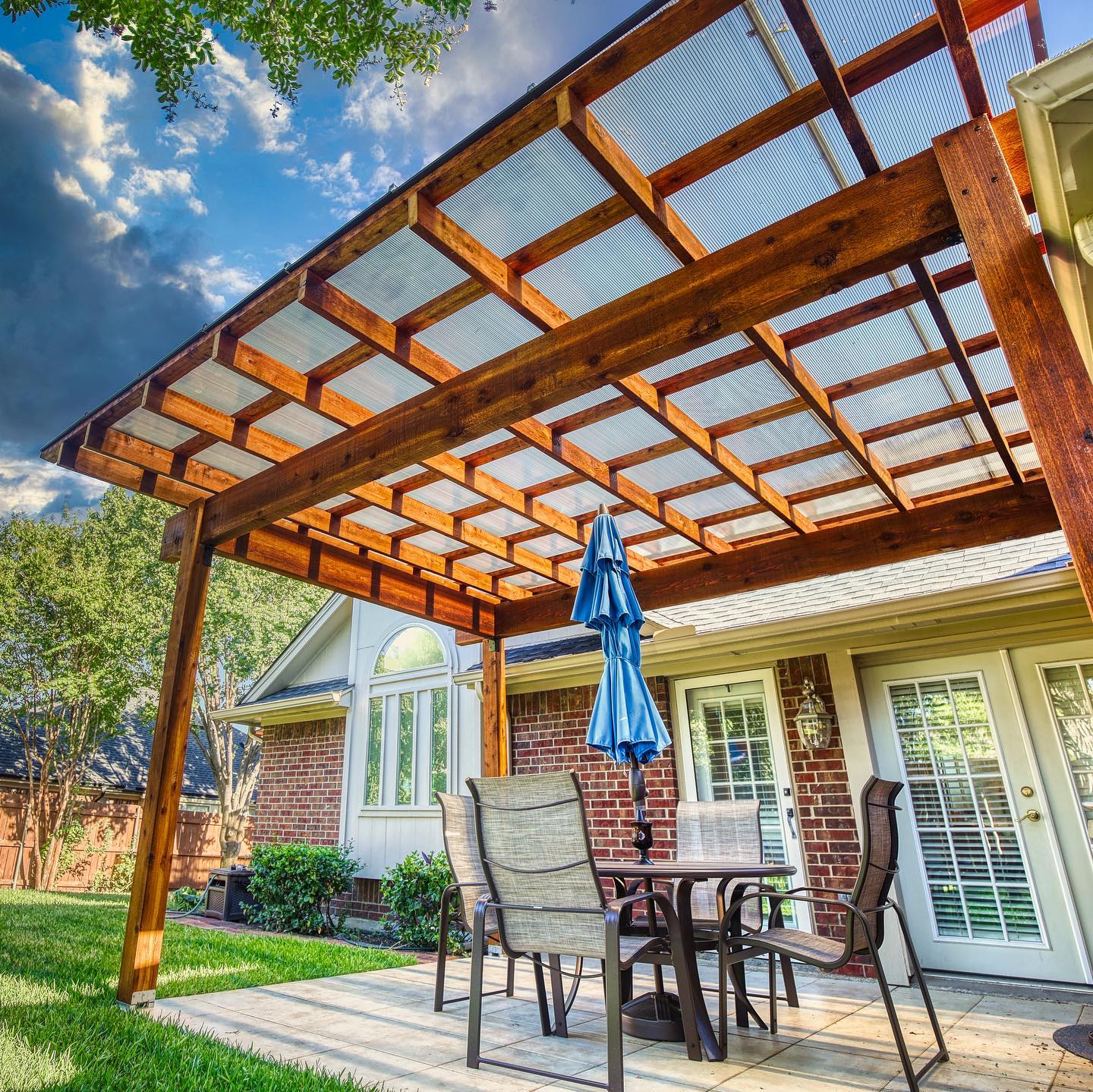
Whether or not a pergola should be covered depends on several factors, including intended use, local climate, and personal preferences. A pergola can provide a stylish outdoor structure that enhances living spaces, but adding a cover can significantly alter its function and comfort.
One of the main reasons to cover a pergola is to offer protection from the elements. Without a cover, pergolas provide partial shade, which might be enough for some climates but could leave users exposed to sunburn or light rain. Here are some benefits of covering a pergola:
- Sun Protection: A cover can block harmful UV rays, making outdoor spaces more comfortable.
- Rain Shelter: A waterproof cover can prevent rain from ruining outdoor activities.
- Temperature Control: Covers can help regulate the temperature underneath, making the space cooler in summer.
On the other hand, there are reasons why some might choose to keep their pergola uncovered. An uncovered pergola allows for the natural light to filter through and can enhance the feel of openness in outdoor spaces. Here are some points for keeping the pergola uncovered:
- Airflow: An open pergola allows for better airflow, which can be beneficial in hot climates.
- Plant Growth: Vines and other plants may thrive better on an uncovered structure, creating a lush environment.
- Cost-Effectiveness: Maintaining an uncovered pergola can be more cost-effective in terms of both installation and upkeep.
Types of Covers Available for Pergolas
There are several types of covers that can be used for pergolas, each with its own advantages. Here are some popular options:
See also:
- Fabric Canopies: These are versatile and come in various colors and styles, providing adjustable shade.
- Retractable Awnings: Ideal for those who want flexibility, retractable awnings can be easily opened or closed.
- Fixed Roofs: Permanent roofing materials such as polycarbonate panels offer full protection from the elements.
Considerations for Climate
The climate in your area plays a crucial role in determining whether a pergola should be covered. In hot climates, a cover can provide essential shade, while in colder regions, it may welcome more light. Key factors include:
- Sun Intensity: High sun exposure can necessitate additional coverage for comfort.
- Rain Patterns: Frequent rain might require a waterproof covering to maintain usability.
- Seasonal Changes: Consider how weather changes throughout the year impact the use of the pergola.
Design Aesthetics of Pergola Covers
Covering a pergola can also enhance its aesthetic appeal. Different materials and styles can complement various home designs. Consider the following:
- Matching Materials: Use materials that blend well with your home’s architecture for a cohesive look.
- Color Choices: Select colors that harmonize with the surroundings to enrich the ambiance.
- Decor Elements: Incorporate lights, plants, or fabrics to enhance the visual appeal further.
Maintenance of Covered Pergolas
Maintaining a covered pergola involves more than just keeping it clean. Each type of cover has specific upkeep needs. Here’s what to keep in mind:
- Cleaning: Regular washing of fabric or fixed roofs helps prevent mildew and staining.
- Repairs: Be prepared to repair or replace damaged sections of the cover for safety and aesthetics.
- Seasonal Inspection: Check the cover at the start of every season to ensure it can withstand weather changes.
Why are pergolas not fully covered?
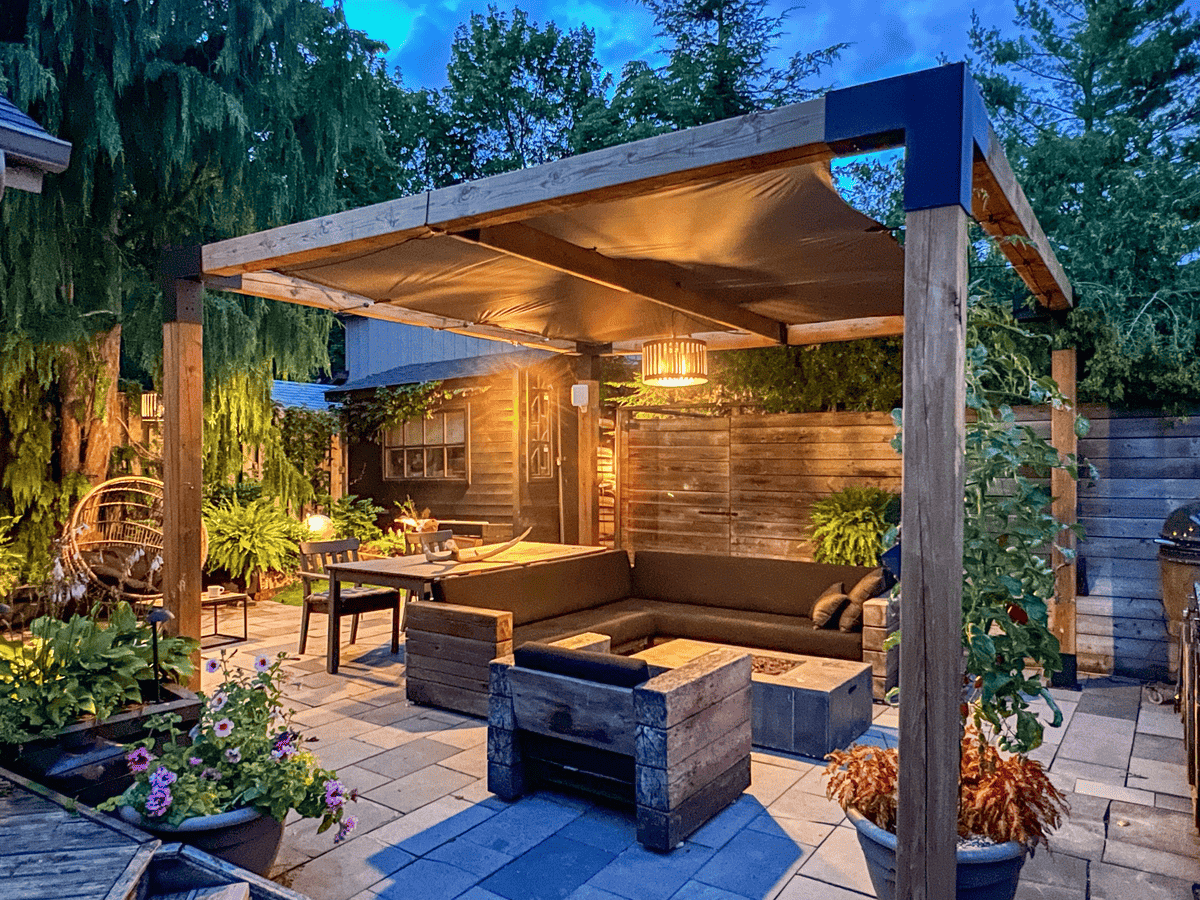
Pergolas are an architectural element traditionally used to create a shaded walkway, passageway, or sitting area. They are structured with vertical posts or pillars supporting cross-beams and open lattice. One of the distinctive traits of pergolas is that they are not fully covered. This choice in design can be attributed to several reasons:
Functional Design
Pergolas serve a specific functional purpose in outdoor spaces. They are designed to provide partial shade and protection from light rain while still allowing for ventilation and sunlight.
- Air Circulation: An open structure supports airflow, making shaded areas more comfortable in hot weather.
- Sunlight Exposure: It allows plants growing on or around the pergola to receive sunlight, which is essential for photosynthesis.
- Flexible Usage: It enables users to enjoy a moderate amount of sunshine or shade depending on the time of day and season.
Aesthetic Appeal
The aesthetic considerations are significant when designing a pergola. The open design adds visual interest and can enhance the overall look of a landscape.
- Architectural Variety: An open pergola adds variety and depth to outdoor spaces, helping them feel less rigid and more inviting.
- Integration with Nature: The open structure allows natural elements, such as vines and flowers, to integrate and flourish, creating a harmonious environment.
- Visual Connection: It fosters a connection with the outdoors, allowing occupants to keep sight of the sky and surrounding elements.
Plant Growth Facilitation
In gardens and landscaping, pergolas often support climbing plants and vines. Their partial coverage allows these plants to thrive and add to the structure's beauty.
- Support for Vines: The horizontal beams often serve as lattice for plant support, enhancing the pergola's charm.
- Encouraging Biodiversity: A mixture of sun and shade can attract various insects and birds, contributing to a vibrant ecosystem.
- Seasonal Changes: As the seasons change, so does the foliage on climbing plants, providing dynamic aesthetics throughout the year.
Cultural and Historical Context
Historically, pergolas have roots in Mediterranean and Roman architecture, where they were designed to offer shade in warm climates without blocking all sunlight.
- Tradition: They have traditionally been used to enhance gardens and outdoor spaces, often reflecting cultural aesthetics.
- Influence of Nature: Early designs embraced natural environmental factors, such as sunlight and airflow.
- Historical Functionality: Originally, they served to support fruit-bearing plants, embodying both utility and beauty.
Cost-Effective Solutions
Building a fully covered structure can significantly increase costs and complexity. An open pergola presents a more economical option for many homeowners.
- Material Savings: Using fewer materials reduces overall project costs, making pergolas a budget-friendly choice.
- Lower Labor Costs: Construction is often simpler and quicker, resulting in lower labor expenses.
- Customization Flexibility: Homeowners can easily adjust the level of coverage according to their personal needs and preferences.
Questions from Our Readers
What are the main functions of an uncovered pergola?
An uncovered pergola serves multiple functions, primarily acting as a shaded area for relaxation and outdoor entertaining while still allowing sunlight and air to flow through. This structure can enhance the aesthetic appeal of your garden or patio and can be used to support climbing plants, creating a natural canopy over time.
How does an uncovered pergola protect from weather?
While an uncovered pergola does not provide full protection from rain or snow, it offers some shelter from direct sunlight, making outdoor spaces more comfortable on hot days. The design allows for ventilation, which can help in minimizing heat buildup and keeps outdoor areas enjoyable even in warm weather.
What materials are commonly used for an uncovered pergola?
Uncovered pergolas are typically made from wood, vinyl, or metal, each providing different advantages. Wood offers a classic and warm look but requires maintenance, while vinyl is low maintenance and resistant to rot. Metal options are durable and can withstand various weather conditions, making them a popular choice for modern designs.
See also: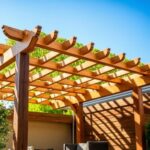
Can an uncovered pergola enhance property value?
Yes, adding an uncovered pergola can enhance the visual appeal of your property, making it more attractive to potential buyers. Outdoor living spaces are increasingly desirable, and a well-constructed pergola can be seen as an investment that adds both beauty and functional space to the home.

If you want to read more articles like What is the point of an uncovered pergola? Discover the Benefits and Uses of Open-Air Structures, we recommend you check out our Pergola category.
Leave a Reply
Related Articles