Can You Use Metal Coffee Cans as Planters? Discover Creative Gardening Ideas!
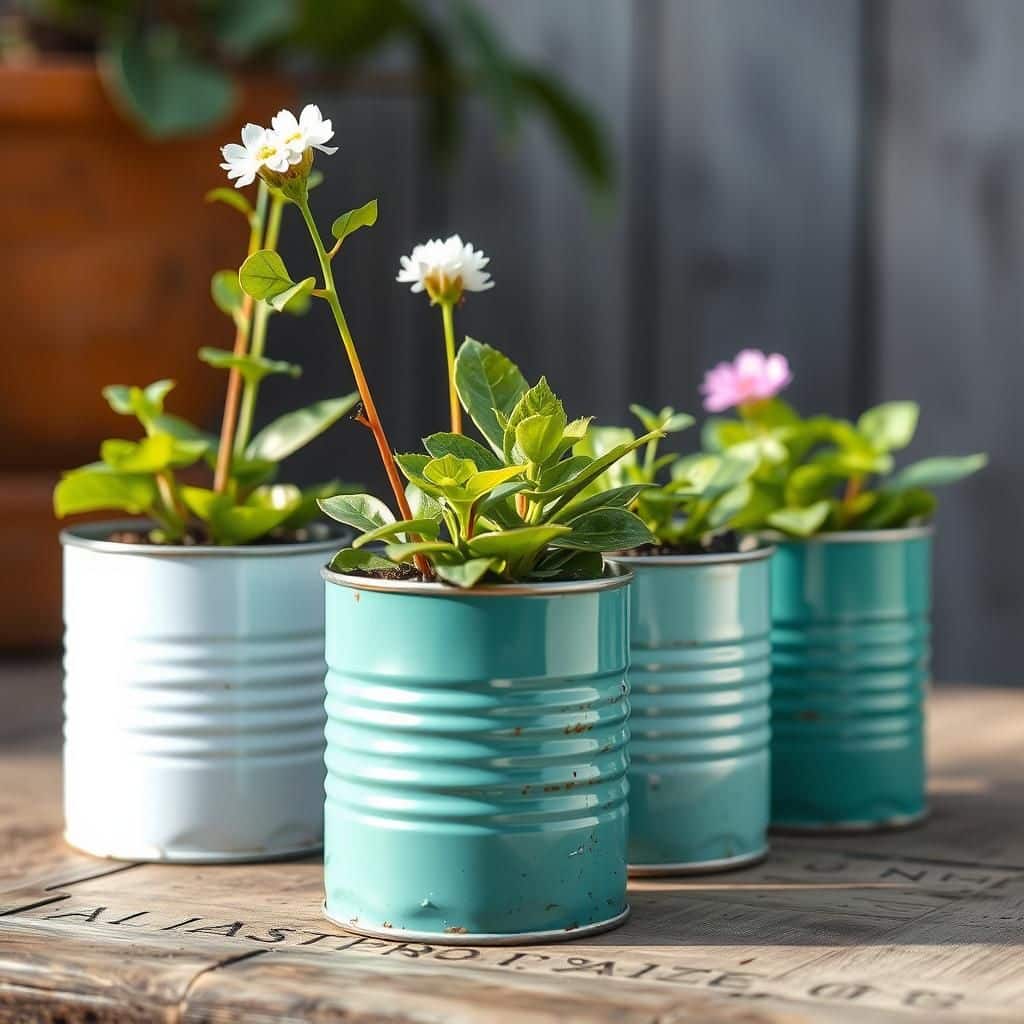
When it comes to gardening, creativity knows no bounds. One intriguing idea that has emerged is repurposing metal coffee cans as planters. Not only do these containers provide a rustic aesthetic, but they also offer a unique way to recycle and reuse materials that might otherwise end up in landfills. In this article, we will explore the versatility of metal coffee cans in gardening, discussing their benefits, potential challenges, and innovative ideas for transforming your coffee stash into a thriving green space. Join us as we dive into the world of creative gardening solutions using these unassuming containers!
Can You Use Metal Coffee Cans as Planters?
Yes, you can use metal coffee cans as planters, making them a versatile and eco-friendly option for container gardening. These cans are durable and can hold a significant amount of soil, allowing for the growth of various plants, such as herbs, flowers, and small vegetables. However, it is essential to prepare the cans properly by drilling drainage holes in the bottom to prevent overwatering and root rot. Additionally, you can customize the cans with paint or decorative materials, turning them into aesthetically pleasing planters that can enhance your garden or indoor space.
Benefits of Using Metal Coffee Cans as Planters
Metal coffee cans provide excellent drainage capabilities when properly prepared, which is crucial for healthy plant growth. They are also typically sturdy and can withstand outdoor elements, ensuring they last longer than many plastic containers. Furthermore, these cans are often readily available and can be repurposed, contributing to a more sustainable gardening practice by reducing waste. Their classic design can add a rustic charm to your garden setup, making them both functional and decorative.
Preparing Metal Coffee Cans for Planting
Before using metal coffee cans as planters, it is important to clean them thoroughly to remove any residual coffee oils or other contaminants. After cleaning, you should create several drainage holes in the bottom of the cans using a drill or a sharp object. This step is crucial, as it allows excess water to escape and prevents the roots from sitting in stagnant water, which can lead to root rot. Once the cans are prepared, you can fill them with a suitable potting mix and plant your chosen seedlings or seeds.
Choosing the Right Plants for Metal Coffee Cans
When selecting plants for your metal coffee can planters, consider size and root depth. Smaller plants, such as herbs like basil, parsley, or cilantro, thrive in these containers, as they do not require extensive root systems. Additionally, you can grow small flowering plants or even some compact vegetables like radishes or lettuce. It’s essential to monitor the growth and ensure that the plants do not become root-bound, which can happen in limited space; therefore, regular repotting may be necessary as they grow.
Considerations for Indoor Use
If you plan to use metal coffee cans as indoor planters, you should ensure they are placed where they can receive adequate light and air circulation. Using a saucer or tray beneath the cans is advisable to catch any excess water that drains out. Additionally, consider using a lightweight potting mix to prevent the cans from becoming too heavy. It's also wise to regularly check for temperature changes, as metal can heat up or cool down more quickly than other materials, potentially affecting the plants’ growth.
Maintaining Your Metal Coffee Can Planters
To ensure your plants thrive in metal coffee can planters, you should maintain a regular watering schedule while being careful not to overwater. Fertilizing the plants with an appropriate liquid fertilizer during the growing season can promote healthy growth. Keep an eye out for any signs of pests or diseases, as metal cans can sometimes retain heat, creating a warm environment suitable for unwanted invaders. Regularly checking the soil for moisture levels and adjusting watering needs based on the plant species will help ensure they remain healthy and vibrant.
| Feature | Description |
|---|---|
| Durability | Metal coffee cans are sturdy and resistant to weathering. |
| Drainage | Proper drainage holes prevent water accumulation and root rot. |
| Sustainability | Repurposing cans reduces waste and supports eco-friendly practices. |
| Size | Ideal for small herbs and plants with limited root systems. |
| Customization | Cans can be painted or decorated for aesthetic appeal. |
Can you use coffee cans as planters?
Yes, you can use coffee cans as planters. Utilizing coffee cans for planting is not only an eco-friendly option but also a creative way to repurpose materials that might otherwise be discarded. Coffee cans are durable, readily available, and come in various sizes, making them suitable for a variety of plants from herbs to small flowers. However, there are certain considerations to ensure the health of the plants and the effectiveness of the containers.
Benefits of Using Coffee Cans as Planters
Using coffee cans as planters offers several advantages:
- Cost-effective: They are usually free or very inexpensive, making them an affordable gardening option.
- Eco-friendly: Repurposing coffee cans reduces waste and promotes sustainable practices.
- Lightweight and Portable: Coffee cans are easy to move, allowing you to rearrange your garden with ease.
Preparing Coffee Cans for Planting
Before using coffee cans as planters, proper preparation is essential to ensure the health of your plants:
- Cleaning: Rinse the cans thoroughly to remove any residue that might harm the plants.
- Drainage Holes: Drill holes in the bottom to provide essential drainage and prevent root rot.
- Painting or Covering: Consider painting the cans or covering them with decorative materials to prevent rusting and enhance aesthetics.
Choosing the Right Plants for Coffee Can Planters
Selecting suitable plants is crucial for the success of your coffee can planters:
- Herbs: Varieties like basil, cilantro, and mint thrive in smaller containers with good drainage.
- Succulents: They require minimal water and can flourish in the confined space of coffee cans.
- Small Flowers: Annuals or perennials such as pansies or petunias work well in coffee can planters.
Maintaining Coffee Can Planters
Maintenance is key to ensuring your coffee can planters flourish throughout the growing season:
- Watering: Check the soil regularly and water only when necessary to avoid over-saturation.
- Fertilizing: Use a balanced fertilizer suitable for container plants to provide essential nutrients.
- Sunlight: Ensure that your plants receive adequate sunlight according to their specific needs.
Creative Ideas for Decorating Coffee Can Planters
Decorating coffee cans can add an artistic touch to your gardening space:
- Painting: Use vibrant colors to brighten your garden or match your home’s decor.
- Labeling: Paint or use stickers to label the plants for better organization and a personal touch.
- Hanging Options: Create hanging planters by adding hooks or strings, providing a unique display.
Can you grow plants in metal cans?

Yes, you can definitely grow plants in metal cans. Metal containers can serve as effective planters for various types of plants, provided certain considerations are taken into account. The advantages include their durability, availability, and the aesthetic appeal they can provide when arranged decoratively. However, there are important issues regarding drainage, soil composition, and possible toxicity that you need to keep in mind when using metal cans for planting.
Drainage Considerations
Proper drainage is crucial when growing plants in metal cans. Without sufficient drainage, water can accumulate at the bottom, leading to overwatering and root rot. To ensure adequate drainage:
- Make several holes in the bottom of the can to allow excess water to escape.
- Consider adding a layer of gravel or stones at the bottom of the can before adding soil to facilitate drainage.
- Monitor the moisture levels regularly to avoid waterlogging.
Soil Type and Nutrients
The choice of soil plays a critical role in plant growth within metal cans. A well-balanced soil that retains moisture yet drains well will yield the best results. Here's how to optimize your soil mix:
- Use a potting mix rather than garden soil to ensure it is lightweight and well-aerated.
- Incorporate organic materials like compost to enhance nutrient content and improve moisture retention.
- Consider adding slow-release fertilizers to provide ongoing nutrients for your plants.
Temperature Effects
Metal cans can heat up quickly in direct sunlight, which can adversely affect plant roots. Understanding temperature management is vital to successful growth:
- Place your metal cans in locations where they receive partial shade during the hottest parts of the day.
- Consider painting the exterior of your metal cans a light color to reduce heat absorption.
- Regularly check the soil temperature; if it feels too hot to the touch, move the cans to a cooler spot.
Potential Toxicity Concerns
When using metal cans, it is essential to be aware of any potential toxicity that may arise from certain metals. Here’s how to minimize risks:
- Avoid using cans that have been coated with toxic paints or materials that could leach into the soil.
- Consider using food-grade metal cans, which are often safer for planting edible plants.
- Line the inside of the can with a plastic liner to create a barrier between the soil and the metal.
Plant Selection
Not all plants thrive in metal cans, so choosing the appropriate varieties is crucial. Some plants are better suited for this type of container:
- Opt for herbs like basil, cilantro, and chives, which do well in smaller containers.
- Choose compact flowering plants such as pansies and marigolds that don’t require deep root systems.
- Consider vegetables like lettuce and radishes that can flourish in shallow soil, making them ideal for can planting.
Can I use tin cans as plant pots?

Yes, you can use tin cans as plant pots. This approach is not only a way to recycle but also can add an interesting aesthetic to your garden or indoor space. However, there are several considerations you should keep in mind to ensure proper growth and maintenance of your plants.
Advantages of Using Tin Cans as Plant Pots
Using tin cans as plant pots comes with several benefits that make them a popular choice for gardeners. Here are some of the advantages:
- Cost-effective: Tin cans are often free or low-cost compared to traditional pots.
- Recycling: Using old cans helps reduce waste and promotes a sustainable gardening approach.
- Aesthetic Appeal: They can be adorned with paints or decorations to enhance visual interest in your space.
Preparation Steps for Tin Cans
Before using tin cans as pots, it’s important to prepare them properly. The preparation ensures that your plants will thrive.
- Clean the Cans: Make sure to wash out any residue from the can to avoid contamination.
- Puncture Holes: Create drainage holes in the bottom to prevent water accumulation.
- Optional Coating: Consider adding a layer of paint on the outside to prevent rust, but ensure it’s non-toxic.
Choosing the Right Plants
Not all plants are suitable for tin can pots. Selecting the right types is essential for successful growth.
- Herbs: Culinary herbs like basil, mint, and parsley thrive in smaller containers.
- Succulents: These plants require minimal soil and water, making them ideal for the limited space of a can.
- Small flowering plants: Varieties such as pansies or marigolds can also do well if cared for properly.
Watering and Maintenance Tips
Proper maintenance and watering are key to the health of your plants in tin cans. Here are some tips:
- Monitor Soil Moisture: Use your finger to check the soil; it should be damp but not soggy.
- Drainage Management: Ensure that excess water can escape to prevent root rot.
- Fertilization: Use a diluted liquid fertilizer periodically to promote plant growth.
Potential Challenges
While tin cans can be an excellent option for planting, there are potential challenges to be aware of.
- Rusting: Over time, tin cans may rust, especially when exposed to moisture.
- Temperature Fluctuations: Metal conducts heat, which may cause root temperatures to fluctuate dramatically.
- Limited Soil Volume: The small size of the can may restrict root growth, requiring more frequent watering.
Can you grow plants in a coffee tin?

Yes, you can grow plants in a coffee tin, but there are several considerations to keep in mind to ensure the health and growth of the plants. Coffee tins, typically made of metal, provide a unique environment that can be both beneficial and challenging for plants. Here’s a detailed look at how to effectively utilize coffee tins for growing plants.
Benefits of Using Coffee Tins for Plant Growth
Using coffee tins as pots can offer various benefits:
- Recycling: Repurposing coffee tins helps reduce waste and promotes eco-friendliness.
- Breathable Material: Metal tins can allow for some air circulation, which can be beneficial for the roots.
- Accessibility: Coffee tins are often easy to find and can be a cost-effective way to start a garden.
Preparing the Coffee Tin for Planting
Before planting in a coffee tin, certain preparations must be made:
- Clean the Tin: Ensure that the tin is thoroughly washed to remove any residues from coffee.
- Add Drainage Holes: Make small holes in the bottom of the tin to prevent water from accumulating and causing root rot.
- Layering: Place a layer of small rocks or gravel at the bottom before adding soil to enhance drainage.
Choosing the Right Plants
Not all plants will thrive in coffee tins. It’s essential to select appropriate species:
- Small Plants: Consider herbs or small flowering plants that do not require extensive root systems.
- Low Maintenance: Choose plants that are resilient and can tolerate the potential fluctuations in soil moisture.
- Sunlight Needs: Ensure selected plants have compatible light requirements for the environment they will be in.
Care and Maintenance of Plants in Coffee Tins
Maintaining the health of plants in coffee tins requires special attention:
- Watering: Monitor soil moisture levels, watering only when necessary to avoid overwatering.
- Fertilization: Apply a balanced fertilizer periodically to supply essential nutrients.
- Pest Control: Regularly check for pests and diseases, as metal can heat up and create a favorable environment for certain issues.
Environmental Considerations
Growing plants in coffee tins also requires awareness of environmental factors:
- Temperature Regulation: Metal can conduct heat, so monitor the temperature closely to prevent overheating.
- Moisture Retention: Be cautious as metal can dry out quickly, requiring more frequent checks on plant hydration.
- Location: Position the tins in a suitable spot with adequate light but avoid direct sunlight that can excessively heat the tin.
Questions from Our Readers
Can you use metal coffee cans as planters?
Yes, metal coffee cans can be used as planters, provided you take a few precautions. It's essential to ensure that the cans have drainage holes to prevent root rot, and you can also line the inside with a plastic bag to protect the metal from moisture.
What types of plants are suitable for metal coffee can planters?
Almost any small plant or herb can thrive in metal coffee can planters, but it's best to choose plants that don’t require deep soil. Popular choices include succulents, herbs like basil or mint, and small flowering plants.
Do I need to treat the metal coffee can before using it as a planter?
Can using metal coffee cans affect the plants inside?

If you want to read more articles like Can You Use Metal Coffee Cans as Planters? Discover Creative Gardening Ideas!, we recommend you check out our Planter category.
Leave a Reply
Related Articles