Ultimate Guide: How to Prevent Planter Boxes from Rotting? Tips and Techniques for Durability

Planter boxes are a popular choice for gardening enthusiasts looking to add style and functionality to their outdoor spaces. However, one common issue that many face is the rotting of the wood used in these structures. Over time, exposure to moisture, soil, and environmental factors can lead to decay and structural damage. This ultimate guide aims to equip you with essential tips and techniques to prevent your planter boxes from rotting, ensuring their longevity and maintaining the beauty of your garden. By following these expert recommendations, you can enjoy sturdy, reliable planter boxes for years to come.
How to Prevent Planter Boxes from Rotting?
To effectively prevent planter boxes from rotting, it is essential to select suitable materials, implement proper drainage systems, and maintain the right environmental conditions. Wooden planter boxes should be made from rot-resistant woods such as cedar or redwood, while non-wooden options like plastic or metal can also be used. Additionally, incorporating a drainage layer at the bottom of the planter, using gravel or small stones, can help excess water escape and reduce moisture buildup. Regularly checking for signs of wear or damage and treating any exposed wood with a waterproof sealant will further enhance longevity. Lastly, ensuring proper airflow around the planters can help to mitigate moisture retention, reducing the likelihood of rot.
Choose the Right Materials
Choosing the right materials for your planter boxes is crucial in preventing rot. For wooden planters, opt for naturally rot-resistant species such as cedar, redwood, or teak, which can withstand moisture better than typical wood products. If you prefer a non-organic approach, consider using plastic, fiberglass, or metal, as these materials do not absorb water and therefore reduce the risk of rot. By selecting durable materials, you can significantly extend the life of your planter boxes.
Ensure Proper Drainage
Proper drainage is vital in preventing water accumulation, which can lead to rotting. To ensure adequate drainage, drill multiple holes at the bottom of your planter boxes if they are solid and add a drainage layer using materials such as gravel or small rocks. This layer allows excess water to flow away from the soil, reducing moisture buildup that encourages rot. Regularly monitoring drainage systems and adjusting them as necessary can further help in maintaining the health of your planters.
Use a Protective Liner
Installing a protective liner inside the planter box can act as a barrier between the soil and the wood, helping to prevent rot. Landscape fabric, plastic sheeting, or specific planter liners can be used to separate the organic matter from the wooden structure. This protective layer reduces moisture absorption by keeping the soil away from the wood and allows for proper drainage, promoting a healthier environment for your plants.
Maintain Adequate Airflow
Maintaining adequate airflow around the planter boxes is essential in reducing moisture levels. Placing planter boxes off the ground with wooden slats or feet can improve ventilation and prevent water from accumulating underneath. Additionally, grouping planters in a way that allows space between them can facilitate air circulation, minimizing humidity and helping to keep your planters dry and free from rot.
Regular Inspections and Maintenance
Regular inspections and maintenance of your planter boxes are key in preventing rot. Check for signs of damage, such as cracks or wood decay, and address these issues promptly to avoid further deterioration. Treating exposed wood with a waterproof sealant can help protect against moisture and the elements. Cleaning your planter boxes from debris and inspecting drainage pathways regularly ensures they remain effective and prolongs their lifespan.
| Aspect | Recommendation |
|---|---|
| Material | Select rot-resistant wood or non-wood materials |
| Drainage | Drill holes and add a gravel layer |
| Liner | Use a protective liner to separate soil from wood |
| Airflow | Elevate planters to improve ventilation |
| Maintenance | Regularly inspect and use waterproof sealants |
How do I keep my planter box from rotting?

To keep your planter box from rotting, you should focus on several key factors that promote the longevity of the wood and prevent moisture buildup. Here are some effective strategies:
Choosing the Right Materials
Selecting high-quality materials for your planter box can significantly influence its durability. Consider the following options when constructing or buying a planter box:
See also:
- Cedar: Naturally resistant to decay, cedar is an excellent option for planter boxes.
- Redwood: Similar to cedar, redwood has natural preservative oils that help resist rot.
- Treated Lumber: Pressure-treated wood is chemically treated to resist moisture and pests, making it suitable for outdoor use.
Applying Sealants and Treatments
Using sealants and preservatives can provide an added layer of protection against moisture. Here are steps to consider:
- Wood Sealers: Applying a high-quality wood sealer can create a waterproof barrier.
- Water-Repellent Treatments: Use treatments specifically designed to repel water, further protecting the wood.
- Regular Reapplication: Make sure to reapply sealants regularly, as their effectiveness diminishes over time.
Creating Drainage Solutions
Proper drainage is crucial to prevent excess water from accumulating in your planter box. Consider these tips:
- Drainage Holes: Ensure your planter box has sufficient drainage holes at the bottom to allow excess water to escape.
- Gravel Layer: Adding a layer of gravel at the bottom can help improve drainage and keep soil from clogging the holes.
- Woody Debris: Use small sticks or broken pots in the bottom of the planter to enhance air circulation and drainage.
Maintaining Soil Moisture Levels
Keeping moisture levels balanced is essential for the health of the plants and the longevity of the planter box. Here’s how to manage moisture:
- Moisture Sensors: Install moisture sensors to monitor soil hydration and prevent overwatering.
- Mulching: Apply a layer of mulch on top of the soil to help retain moisture without saturating the planter box.
- Watering Schedule: Establish a consistent watering schedule that matches the needs of your plants while avoiding overwatering.
Regular Inspections and Maintenance
Routine checks can help you identify possible issues before they lead to significant damage. Consider these maintenance practices:
- Visual Inspections: Regularly check for signs of rot or wear on the wood to catch problems early.
- Clean Drainage Holes: Ensure that drainage holes remain clear and free from blockages to promote effective drainage.
- Replace Damaged Sections: If you notice any areas of rot, replace them swiftly to prevent it from spreading to other parts of the planter box.
Do planter boxes need to be waterproofed?

Planter boxes do need to be waterproofed, especially if they are made from materials that can absorb water, such as wood. Water can cause significant damage over time, leading to structural degradation, mold growth, and even the failure of the entire planter box. Waterproofing helps to protect the planter box from moisture, which extends its lifespan and ensures that plants grow in a healthy environment. It's important to use suitable waterproofing materials that are safe for your plants, as some chemicals could be harmful.
Reasons for Waterproofing Planter Boxes
Waterproofing planter boxes serves several important purposes:
- Prevention of Rot: Waterlogged soil can lead to wood rot, especially in untreated wooden planter boxes.
- Mold and Mildew Prevention: Excess moisture creates an environment conducive to mold and mildew growth, which can harm both the plants and the box itself.
- Soil Integrity Maintenance: Waterproofing helps to maintain the integrity of the soil within the box by preventing it from washing away during heavy rains.
Best Waterproofing Materials for Planter Boxes
Choosing the right waterproofing material is crucial for the functionality and safety of your planter boxes:
- Non-Toxic Sealants: Products like non-toxic wood sealants or paints that are safe for plants are ideal.
- Plastic Liners: Using high-quality plastic liners can prevent water from penetrating the wood and causing damage.
- Rubber Membranes: These can create a durable barrier against moisture and are particularly useful in larger or permanently installed planters.
Steps to Waterproofing Your Planter Box
Waterproofing your planter box can be a straightforward process if you follow these steps:
- Clean the Box: Ensure that the surface is clean and dry before applying any waterproofing material.
- Choose a Waterproofing Method: Decide among using a sealant, liner, or membrane based on your materials and preferences.
- Application: Apply the chosen waterproofing method as directed, ensuring even coverage and paying special attention to edges and corners.
Factors to Consider When Waterproofing
There are various factors to keep in mind when waterproofing your planter boxes:
See also:
- Climate: The amount of rainfall and humidity in your area can affect how often you need to reapply waterproofing materials.
- Material of the Box: Different materials require different waterproofing techniques; for instance, metal may need different treatment than wood.
- Size and Design: Larger planter boxes may have different requirements compared to smaller ones, including the choice of waterproof material.
Maintenance Tips for Waterproofed Planter Boxes
After waterproofing, regular maintenance is key to preserving the lifespan of your planter boxes:
- Inspect Regularly: Check for any signs of wear or damage to the waterproofing layer periodically.
- Reapply When Necessary: Depending on the material used, you may need to reapply waterproofing every few years.
- Clean the Interior: Regularly remove old soil or debris to keep the interior clean and prevent moisture build-up.
How to stop raised beds from rotting?
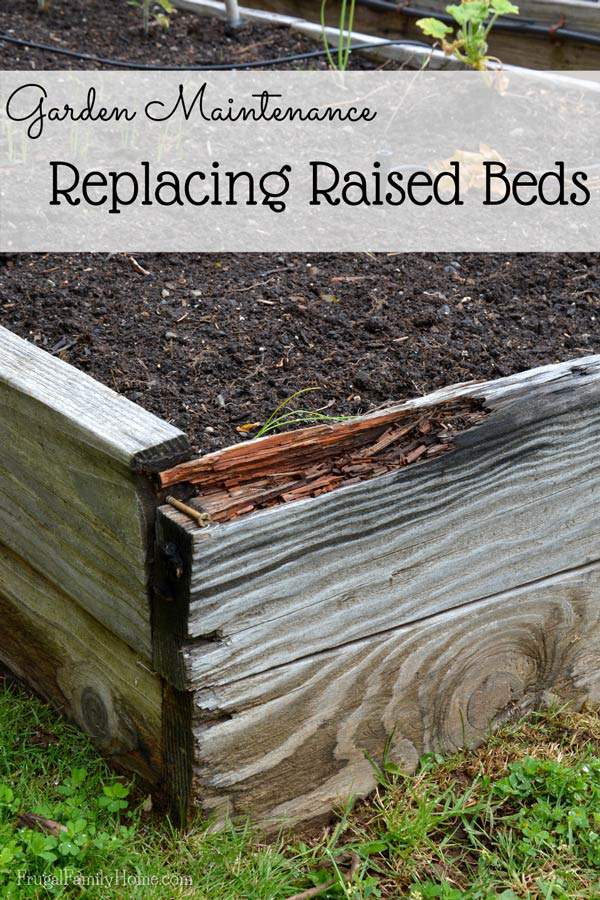
To stop raised beds from rotting, several essential strategies can be employed to enhance their longevity and maintain structural integrity. Raised garden beds typically degrade due to moisture, soil contact, and the natural decomposition of wood materials. Here are detailed methods to mitigate these issues.
Choosing the Right Material
Selecting appropriate materials for your raised beds is crucial in preventing rotting. Opt for durable, weather-resistant materials that can withstand moisture and decay.
- Cedar or Redwoods: These woods are naturally resistant to rot and insects without chemical treatment.
- Composite materials: Made from recycled plastics and wood fibers, these are resistant to moisture and don’t decompose.
- Steel or Galvanized Metal: Corrosion-resistant metals can last for decades and are easy to maintain.
Implementing Proper Drainage
Good drainage is vital in preventing water accumulation that leads to rot. Raised beds should be designed to ensure excess water can escape easily.
- Use a drainage layer: Place gravel or small stones at the bottom to facilitate water flow.
- Elevate the bed: Create a slight slope away from the center to promote runoff and reduce pooling.
- Regularly check drainage: Ensure that the drainage holes are clear and working effectively over time.
Applying Wood Preservatives
Using wood preservatives can significantly extend the life of wooden raised beds by protecting them from moisture and decay.
- Non-toxic treatments: Choose environmentally friendly options that are safe for plants, such as linseed oil or natural wax.
- Sealants: Apply a sealant to the exposed surfaces of the wood to create a moisture barrier.
- Reapply as needed: Maintain the protective layer by periodically reapplying the treatment, especially after heavy rains.
Avoiding Direct Contact with Soil
Minimizing direct soil contact can help prevent the bottom of the raised bed from rotting as the soil retains moisture.
- Lining the bottom: Use landscaping fabric or plastic to line the bottom, which allows drainage while preventing soil contact.
- Cinder blocks or bricks: Consider using these at the base for added height and to allow air circulation.
- Using a frame: Construct a frame that elevates the soil at least a few inches above the surrounding ground level.
Routine Maintenance and Inspection
Regular maintenance is essential to identify and rectify any issues before they lead to rotting.
- Inspect for signs of decay: Routinely check for soft spots, discoloration, or foul smells.
- Replace damaged sections: If parts of the bed are rotting, replace them promptly to maintain structural integrity.
- Clean thoroughly: Remove any debris or organic matter that could retain moisture and promote rot.
Questions from Our Readers
How can I choose the right material for planter boxes to prevent rotting?
To prevent rotting, it's essential to select durable materials such as cedar, redwood, or composite materials that resist moisture. These materials are naturally more resistant to decay and can withstand the elements better than untreated wood.
Should I use a liner for my planter boxes?
Yes, using a liner can help protect the wood from direct contact with moist soil, thereby reducing the risk of rot. A plastic or fabric liner can provide an additional barrier between the soil and the wood, extending the life of your planter boxes.
See also:
How often should I check my planter boxes for signs of rot?
It's advisable to check your planter boxes at least once a season for any signs of rot, such as dark patches, soft spots, or an unusual odor. This regular maintenance will allow you to catch any issues early and address them before they worsen.
What type of drainage system should I implement to avoid rot?
Implementing a proper drainage system is crucial to avoid rot in planter boxes. Make sure to include holes at the bottom of the boxes and consider adding drainage material such as gravel or rocks to promote water flow and ensure that the soil does not become waterlogged.

If you want to read more articles like Ultimate Guide: How to Prevent Planter Boxes from Rotting? Tips and Techniques for Durability, we recommend you check out our Planter category.
Leave a Reply
Related Articles