How Do I Stop Weeds from Growing in Mulch? Effective Tips and Techniques
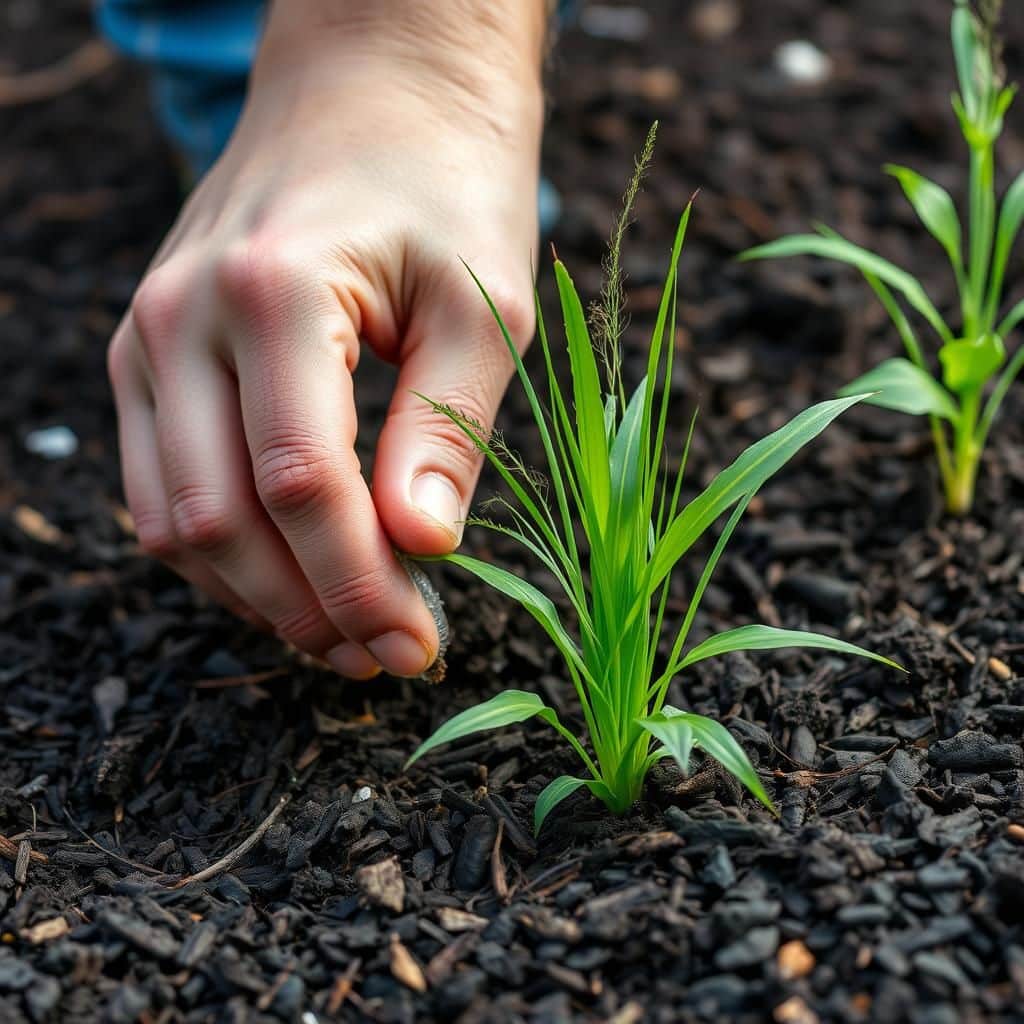
Weeds can be a persistent nuisance in any garden, often managing to intrude upon even the most well-maintained landscapes. When using mulch as a landscaping material, it’s essential to understand how to prevent weeds from thriving in this nutrient-rich environment. This article will explore effective tips and techniques to stop weeds from growing in mulch, ensuring your garden remains healthy and visually appealing. From selecting the right mulch to implementing various weed control methods, our guide will provide you with the knowledge you need to maintain a weed-free oasis in your outdoor space.
How to Prevent Weeds from Growing in Mulch
To effectively prevent weeds from growing in mulch, it is crucial to use a combination of techniques that create an unfavorable environment for weed seeds to germinate. First, ensure the mulch layer is at least 2 to 4 inches thick, as this thickness suppresses light and inhibits weed growth. Additionally, consider using organic mulches such as wood chips or bark, which not only control weeds but also improve the soil as they decompose. Regularly monitor the mulch for any weed growth and remove any weeds promptly to prevent them from establishing. Furthermore, applying a weed barrier fabric underneath the mulch can provide an extra layer of protection by blocking sunlight while still allowing water and nutrients to reach the soil.
Choose the Right Type of Mulch
Selecting the appropriate type of mulch is essential in preventing weeds. Organic mulches such as straw, grass clippings, or shredded leaves allow for moisture retention and gradually enrich the soil as they decompose, while also minimizing weed growth. In contrast, inorganic mulches like gravel or rubber chips do not provide nutrients, but they can effectively suppress weeds due to their density. Always choose a mulch type that suits your garden’s needs and complements the surrounding soil conditions.
Maintain Proper Mulch Depth
It is important to maintain the correct depth of your mulch to ensure it remains effective in controlling weeds. A depth of 2 to 4 inches is generally recommended, as deeper mulch layers can suffocate plant roots and impede water absorption. Regularly check and replenish mulch as needed, especially after heavy rains or wind, to maintain its effectiveness and prevent gaps that might allow weeds to thrive.
Implement Weed Barrier Fabric
Installing a weed barrier fabric beneath your mulch can provide an extra layer of defense against weed growth. This fabric allows for water and nutrients to pass through while blocking sunlight, which is essential for weed germination. When laying down the fabric, ensure it covers the soil completely and overlaps edges to prevent any gaps. Secure the fabric with landscape staples and then layer the mulch on top to optimize its effectiveness.
See also:
Regularly Inspect and Manage Weeds
Frequent inspections of your mulch bed are vital in effectively managing weeds. Even with good mulch practices, some weeds may still manage to sprout. Make it a routine to check the area for any emerging weeds and promptly remove them by hand or with a hoe before they go to seed. This proactive approach not only keeps your garden looking tidy but also prevents future weed outbreaks.
Watering and Fertilization Techniques
Proper watering and fertilization are crucial in supporting the health of your plants and minimizing weeds. Overwatering can lead to water sitting on the mulch surface, providing an ideal environment for weeds to flourish. Instead, water deeply but infrequently to encourage robust root systems. Additionally, applying a balanced fertilizer can promote healthy plant growth, helping them compete against potential weed intruders for resources.
| Technique | Description |
|---|---|
| Choose Mulch | Opt for organic or inorganic mulches that best suit your garden. |
| Maintain Depth | Ensure a mulch layer thickness of 2 to 4 inches. |
| Weed Barrier Fabric | Use fabric to block sunlight and allow water through. |
| Inspect Regularly | Check for and remove emerging weeds promptly. |
| Watering Techniques | Water deeply but infrequently to discourage weed growth. |
Understanding the Role of Mulch in Weed Control
Mulch serves as a crucial barrier against weeds, helping to suppress their growth by blocking sunlight and retaining moisture in the soil. By creating a thick layer of organic or inorganic materials, such as wood chips, straw, or landscape fabric, you significantly reduce the chance of weed seeds germinating. Furthermore, regular maintenance of your mulch layer is essential; ensure it remains at least 2-3 inches thick and replenish it as needed to maintain its effectiveness. This proactive step not only enhances the aesthetic appeal of your garden but also promotes the health of your plants by preventing weed competition for nutrients and water.
Choosing the Right Mulch Material
Selecting the appropriate type of mulch is vital for effective weed control. Organic mulches, such as bark, straw, and leaves, not only help suppress weeds but also enhance soil fertility as they decompose. In contrast, inorganic options like rubber mulch or landscape fabric can offer long-lasting durability without the need for frequent replacement. When making a choice, consider factors such as aesthetics, local climate, and the specific needs of your plants to ensure you provide the best environment for both your garden and weed management.
Proper Installation Techniques
The effectiveness of mulch in suppressing weeds depends significantly on how it is installed. Before laying down mulch, it's essential to remove any existing weeds and loosen the soil to create a conducive environment for healthy plant growth. Afterward, apply a landscape fabric barrier under the mulch to prevent weeds from pushing through and ensure that the mulch is applied uniformly, maintaining a depth of at least 2-3 inches. This method will establish a robust barrier that minimizes weed growth while promoting optimal plant health.
See also:
Maintaining Your Mulch Layer
Regular maintenance of your mulch layer is crucial for sustained weed suppression. Over time, organic mulches can break down and thin out, reducing their effectiveness against weeds. Check for areas where the mulch may have eroded or become compacted and replenish it as needed to maintain the recommended depth. Additionally, it is wise to periodically inspect for any weed growth and promptly remove any intruders to prevent them from establishing deep roots, ensuring your mulch remains a reliable defense.
Utilizing Pre-emergent Herbicides
In some cases, combining mulch with pre-emergent herbicides can enhance your weed management strategy. These chemicals work by creating a barrier that prevents weed seeds from germinating while they are still in the soil. If you choose to use a pre-emergent herbicide, ensure that you apply it according to the manufacturer’s instructions and ideally before you lay the mulch. By integrating this chemical approach with physical barriers like mulch, you can create a multifaceted defense against aggressive weed growth.
Regular Weed Monitoring
Consistent monitoring of your garden is essential to effectively controlling weeds, especially in mulched areas. Make it a routine to inspect your mulch for any emerging weeds and pull them out while they are still small, as this will prevent them from spreading and competing for resources. Set aside a few minutes each week to assess the health of your mulch and the plants within it. Early detection and removal of weeds can save you significant time and effort in the long run, keeping your garden thriving and looking its best.
Questions from Our Readers
How do I stop weeds from growing in mulch?
To prevent weeds from growing in mulch, it's essential to apply a thick layer of mulch, typically around 3 to 4 inches. This thickness helps block sunlight, which is crucial for weed germination. Additionally, consider using landscape fabric beneath the mulch for extra protection against weeds, ensuring proper installation to allow water and nutrients to reach the soil.
What type of mulch is best to prevent weeds?
Using organic mulches, such as wood chips or bark, can be very effective in suppressing weeds while also enriching the soil as they decompose. However, inorganic mulches, like gravel or rubber, can also be beneficial as they don’t break down and maintain their weed-suppressing properties over time, though they may not contribute to soil health.
See also:
Should I water mulch after applying it to stop weeds?
After applying mulch, it is advisable to water the area lightly if the mulch is dry. This helps to settle the mulch in place and can assist in blocking sunlight, further deterring weed growth. However, be cautious not to overwater, as excess moisture can lead to mold or encourage unwanted weed seeds that may be present in the soil.
Can I use newspaper or cardboard under mulch to stop weeds?
Yes, using newspaper or cardboard as a barrier under the mulch is an effective method for stopping weeds. These materials will break down over time while providing a temporary barrier that blocks light and reduces weed growth. Just ensure to wet the newspaper or cardboard before laying it down to help prevent it from blowing away and to promote quicker decomposition.

If you want to read more articles like How Do I Stop Weeds from Growing in Mulch? Effective Tips and Techniques, we recommend you check out our Weeds category.
Leave a Reply
Related Articles