Essential Tips on How to Fill Gaps at the Bottom of a Hedge?
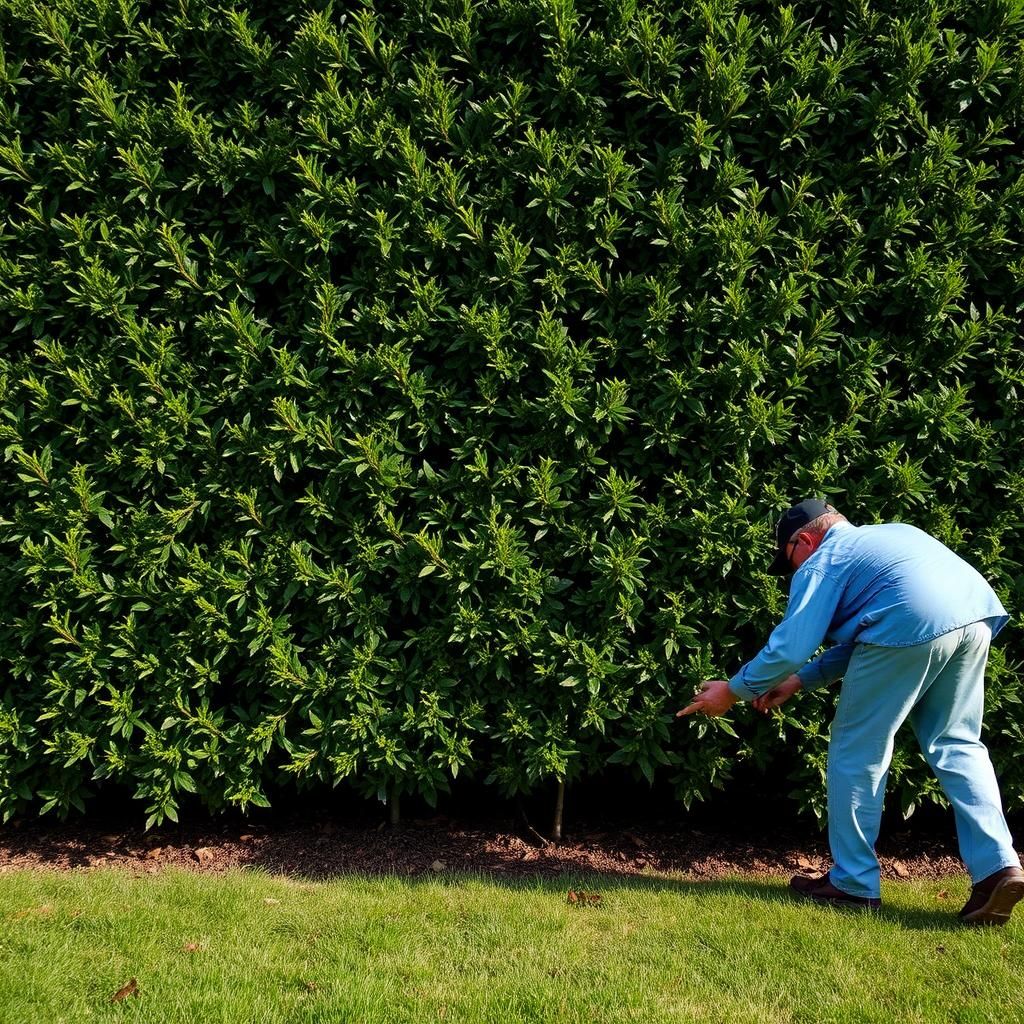
Maintaining a well-kept hedge is crucial for both aesthetics and privacy in your garden. However, gaps at the bottom of hedges can disrupt the appearance and allow unwanted pests or intruders to enter your space. Understanding how to effectively fill these gaps not only enhances the landscape but also fortifies your hedge's structural integrity. In this article, we will explore essential tips and techniques for addressing these gaps, ensuring your hedge remains lush, healthy, and visually appealing. Whether you're a seasoned gardener or a novice, these insights will help you achieve a pristine and secure hedge.
How to Effectively Fill Gaps at the Bottom of a Hedge?
Filling gaps at the bottom of a hedge is essential for ensuring both aesthetic appeal and practical benefits such as privacy and wildlife habitat. To effectively close these spaces, start by assessing the type of hedge you have and the extent of the gaps. Determine if the issue is due to natural growth patterns or soil erosion. You can fill gaps with a combination of topsoil and compost to promote healthy growth of new roots, or consider planting low-growing perennials or shrubs that complement the existing hedge. If the gaps are significant, using decorative stones or mulch can also enhance the appearance while preventing weed growth. Regular maintenance, including watering and adding organic matter, will further support the hedge’s health and density.
Assessing the Size of the Gaps
To fill gaps effectively, it's important to first assess their size and depth. Measure each gap to determine the volume of soil or plants needed. Smaller gaps may be filled with dirt and plants, while larger gaps may require more substantial measures, such as reshaping the surrounding landscape or introducing a trellis for added support. Use a garden tape or ruler for accurate measurements, and take notes on specific areas that need attention to create a plan of action for filling in these gaps.
Choosing the Right Plants
When selecting plants to fill gaps, consider choosing species that can thrive in your garden’s climate and soil type. Bamboo, for example, can create a dense screen quickly, while evergreen shrubs provide year-round coverage. Choose low-maintenance varieties to ensure that you won't need constant care, and ensure that the plants you select will blend harmoniously with the existing hedge for a seamless appearance. Doing some research on the growth habits and bloom times will also help in selecting the best candidates for the job.
Using Soil and Compost Appropriately
Filling gaps with a proper mixture of topsoil and compost is crucial for fostering new plant growth. This mixture improves soil drainage and enriches the soil with nutrients. To prepare the mix, combine equal parts of topsoil and compost, ensuring it's well-aerated. When filling the gaps, gently pack the mixture down to eliminate air pockets, which could hinder root growth. Always consider the existing plant's roots to avoid damaging them during this process.
See also:
Mulching for Better Aesthetics
Applying a layer of mulch can enhance the visual appeal of the hedge while simultaneously suppressing weeds and retaining soil moisture. Choose organic mulching materials like shredded bark or wood chips for a natural look. Spread an even layer around the base of the hedge and fill gaps within the hedge as well. This not only tidies up the area but also offers protection to newly planted shrubs and aids in keeping the soil temperature consistent and nutrient-rich.
Regular Maintenance for Sustained Growth
Once you have filled the gaps, regular maintenance is key to ensuring that the hedge remains healthy and dense. This includes watering during dry spells, applying slow-release fertilizer to encourage growth, and pruning to remove any dead or diseased parts. Keep an eye on the plants filling the gaps, as they may need additional support or care until established. Establishing a seasonal routine helps ensure long-term success and beauty of your hedge.
| Task | Frequency | Notes |
|---|---|---|
| Assess gaps | Seasonally | Measure and document size |
| Plant selection | As needed | Choose compatible species |
| Soil amendment | Once per season | Use topsoil and compost mix |
| Mulching | Annually | Apply organic material around hedges |
| Maintenance | Weekly | Watering, pruning, and fertilizing |
Effective Strategies for Filling Gaps at the Base of Hedges
Filling gaps at the bottom of a hedge can significantly enhance its appearance and overall health. To effectively tackle this issue, begin by assessing the size and depth of the gaps to determine the most suitable approach. One popular method includes planting appropriate ground covers, such as creeping thyme or English ivy, which can thrive in the same conditions as the hedge. These plants not only fill the gaps but also help in maintaining moisture and nutrients in the soil, ultimately supporting the health of the hedge. Additionally, consider using mulch to suppress weeds, retain soil moisture, and promote a more polished finish to the hedge's base.
Choosing the Right Ground Cover Plants
When selecting ground cover plants for filling gaps at the bottom of a hedge, it's important to evaluate their growth habits and light requirements. Look for low-maintenance species that will suppress weeds and can thrive in your hedge's specific growing conditions. Plants like creeping juniper or rock phlox can provide a lush carpet effect, while clover or baby's tears can enhance biodiversity and attract beneficial pollinators to your garden. Selecting plants that match the height and color of the hedge can also create a more cohesive visual impact.
Soil Preparation for Planting
Proper soil preparation is crucial for the successful establishment of plants in the gaps at the bottom of a hedge. Start by removing any weeds and debris from the area to minimize competition for resources. Loosen the existing soil with a garden fork and mix in organic matter, such as compost, to improve its drainage and fertility. This enriched environment will offer newly planted ground covers the best chance for root establishment and growth. Ensure the soil is adequately moist but not overly saturated before planting to promote healthy development.
See also:
Using Mulch for Moisture Retention
Applying a layer of mulch after filling gaps at the bottom of a hedge serves multiple purposes. Mulch helps to retain moisture in the soil during dry spells, which is crucial for the growth of both the hedge and the newly introduced plants. Additionally, it suppresses weeds, preventing them from competing with the ground covers for essential nutrients. Opt for organic mulches, such as wood chips or bark, which will gradually decompose and further enrich the soil over time, promoting a healthier ecosystem around the hedge.
Regular Maintenance Practices
To ensure the long-term success of the plants filling gaps at the bottom of your hedge, adopt a regimen of regular maintenance. This includes consistent watering, particularly during periods of drought, to establish new plant roots. It is also essential to monitor for pests and diseases that could threaten the health of both the hedge and the ground cover plants. Pruning any dead or overgrown material from the hedge will improve air circulation and light penetration, allowing the undergrowth to thrive more effectively.
Utilizing Landscape Fabric
In certain situations, employing landscape fabric can be beneficial when filling gaps at the bottom of a hedge. This textile helps to reduce weed growth while still allowing water and nutrients to reach the soil. Lay the fabric in the desired gaps before planting the ground cover, cutting slits for plant placement. While it can be an effective barrier against weeds, be mindful of potentially limiting the spread of roots; thus, it's essential to monitor the plants' growth periodically and make adjustments to ensure their health and vigour.
Questions from Our Readers
What are the best materials to fill gaps at the bottom of a hedge?
To effectively fill gaps at the bottom of a hedge, consider using materials such as compost, mulch, or topsoil. These materials not only help to fill the space but also provide essential nutrients to the plants. Additionally, using decorative stones can help retain moisture and improve visual appeal.
How can I encourage new growth in the gaps of a hedge?
To promote new growth in the gaps of a hedge, ensure you are providing the right conditions such as adequate water, sunlight, and nutrient-rich soil. You might also want to apply a moderate amount of fertilizer and consider pruning surrounding areas to reduce competition for resources, thereby encouraging the hedge to fill in.
See also:
Should I use seeds or plants to fill the gaps in my hedge?
Both seeds and small plants can be effective for filling the gaps, depending on your specific needs. Seeds offer a lower-cost solution and can thrive in the existing environment, whereas small plants offer immediate coverage and a guaranteed outcome, making them a quicker option for filling gaps.
How long does it take for a hedge to fill in once gaps are filled?
The time it takes for a hedge to fill in after addressing gaps can vary widely, typically ranging from several weeks to a few months. Factors such as plant type, weather conditions, and care practices significantly influence this timeline, so ensure you provide the best possible care for optimal growth.

If you want to read more articles like Essential Tips on How to Fill Gaps at the Bottom of a Hedge?, we recommend you check out our Hedges category.
Leave a Reply
Related Articles