What is the Best Hedge to Block Neighbors? Top Privacy Plants for Your Yard
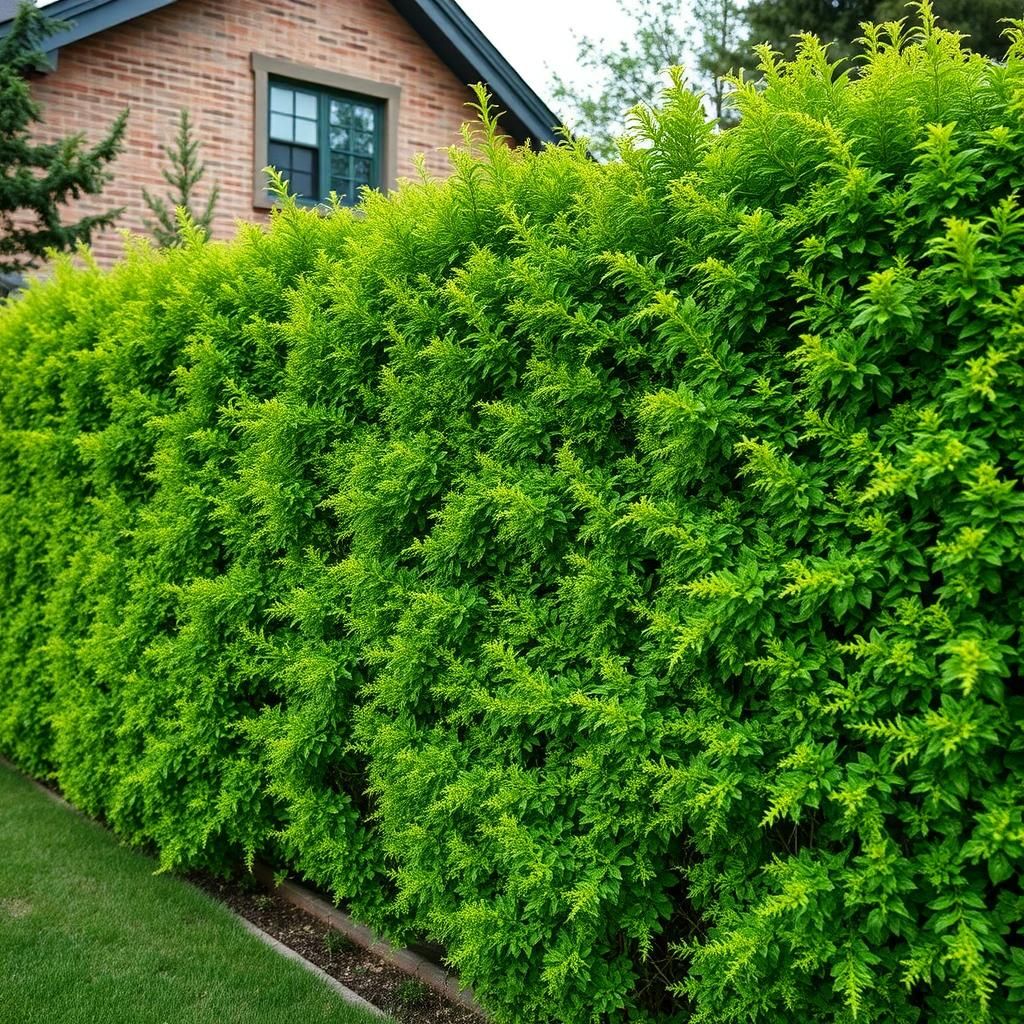
Creating a private oasis in your yard can significantly enhance your outdoor experience. If you're looking to block out prying eyes from neighbors or unwanted noise, planting the right shrubs and trees can do wonders. Privacy plants not only serve as natural barriers but also add beauty and life to your landscape. In this article, we will explore the best hedge options that effectively ensure your seclusion while thriving in various climates and conditions. Discover which plants are ideal for creating a lush, green shield that maintains your personal space and enhances your yard's appeal.
What is the Best Hedge to Block Neighbors?
When considering the best hedge to block neighbors, it's essential to evaluate both the aesthetic appeal and privacy it provides. The ideal hedging plant varies based on climate, soil type, and maintenance preferences, but options like Boxwood, Leyland Cypress, or Arborvitae stand out for their height and density. These plants can create a natural barrier that effectively shields your property from prying eyes and can also enhance your garden's appearance. It's crucial to select a hedge that not only serves its purpose but also complements the overall landscape design of your home, ensuring it thrives in your specific environment while respecting local regulations on height and spacing.
Benefits of Using Hedges for Privacy
Hedges offer numerous benefits for enhancing privacy in residential areas. Unlike traditional fences, they can create a soft, natural barrier that integrates well with the landscape. Additionally, hedges can act as barriers against wind and noise, contributing to a more serene outdoor environment. Furthermore, they can provide habitat for local wildlife, thereby contributing to biodiversity around your property. The right selection of hedge can also enhance aesthetic value, making your home more inviting and appealing to guests.
Best Types of Hedges for Privacy
Some of the best types of hedges for privacy include Leyland Cypress, which grows quickly and reaches substantial heights, making it an excellent option for tall barriers. Bamboo is another popular choice due to its rapid growth and dense foliage, though it requires more maintenance to prevent overgrowth. Arborvitae provides a more classic look while still offering excellent coverage, thriving in various conditions. Additionally, boxwood can be shaped into formal hedges and offers an elegant approach to landscaping. Each variety has unique characteristics that should be considered based on individual needs.
Maintenance Requirements for Privacy Hedges
Maintaining privacy hedges requires regular attention, including trimming to ensure they maintain their shape and height. Most hedges benefit from annual pruning, especially when young, to encourage healthy growth and denser foliage. Additionally, consistent watering during dry periods can prevent stress and promote robust growth. Fertilization in the spring can also be beneficial, providing essential nutrients that support optimal health. Awareness of pest control is necessary, as some hedges may attract insects or diseases that could compromise their integrity.
Cost Considerations for Planting Privacy Hedges
The cost of planting privacy hedges can vary significantly based on the type of plant chosen, size at purchase, and location. Smaller plants may cost less initially, but larger, well-established plants may offer immediate privacy. On average, homeowners can expect to invest between $20 to $100 per plant. Additionally, factor in costs for soil amendments, mulch, and ongoing maintenance. Planning your hedge layout efficiently can also save money by reducing wasted space and plants that don’t thrive.
Local Regulations and Guidelines
Before planting a privacy hedge, it’s essential to check local regulations or homeowner association guidelines regarding the height and type of plants permitted. Some areas have restrictions on hedge heights to prevent obstructing neighbor views or causing safety concerns. Compliance with these rules not only ensures a harmonious relationship with neighbors but also helps avoid potential fines or required removal of non-compliant plants. Consulting with local extension services can provide valuable insights into suitable hedge choices and their maintenance in your specific region.
| Hedge Type | Growth Rate | Height | Maintenance |
|---|---|---|---|
| Boxwood | Medium | 3-15 ft | Regular pruning |
| Leyland Cypress | Fast | 40-60 ft | Annual trimming |
| Bamboo | Very Fast | 30-50 ft | Frequent management |
| Arborvitae | Medium | 10-30 ft | Moderate trimming |
What is the fastest growing hedge for privacy?
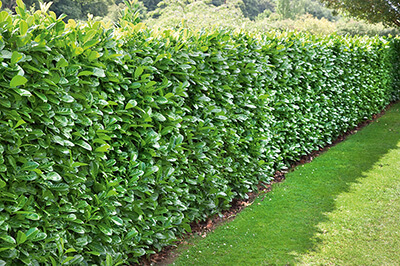
The fastest growing hedge for privacy is commonly recognized as the Leyland Cypress. This evergreen plant is favored for its rapid growth rate and dense foliage, making it an ideal choice for creating an effective privacy screen. Leyland Cypress can grow up to 3 to 4 feet per year under optimal conditions, reaching heights of up to 50 feet or more at maturity. Its thickness provides excellent coverage, shielding properties, and year-round greenery.
Benefits of Leyland Cypress for Privacy
The Leyland Cypress boasts several advantages when used as a privacy hedge.
- Fast Growth Rate: Leyland Cypress can achieve considerable height quickly, providing privacy in just a few years.
- Dense Foliage: Its thick branches and leaves create a solid barrier against visibility, making it difficult for outsiders to see through.
- Low Maintenance: Once established, Leyland Cypress requires relatively little upkeep compared to other plants.
Best Planting Practices for Leyland Cypress
To ensure that your Leyland Cypress grows healthy and fast, following best planting practices is essential.
- Soil Preparation: Choose well-draining soil enriched with organic matter to promote root growth.
- Spacing: Plant Leyland Cypress at least 5 to 10 feet apart to allow for their rapid growth and to minimize competition for nutrients.
- Watering: Regular watering is crucial, especially during the first few years, to establish a robust root system.
Ideal Growing Conditions for Leyland Cypress
Understanding the ideal growing conditions for Leyland Cypress will enhance its growth and health.
- Sunlight: Leyland Cypress thrives in full sun, requiring at least 6 to 8 hours of direct sunlight daily.
- Temperature: It is adaptable but prefers temperate climates, tolerating some cold temperatures.
- Moisture: Although it prefers moist conditions, it is drought-tolerant once established, requiring balanced watering.
Care and Maintenance of Leyland Cypress
Caring for your Leyland Cypress involves a few straightforward practices.
- Pruning: Regular pruning helps maintain their shape and encourages denser growth.
- Pest Management: Watch for pests like aphids and bagworms, which can affect their health, and manage them promptly.
- Fertilizing: An annual application of slow-release fertilizer can support robust growth and nutrient intake.
Alternatives to Leyland Cypress for Privacy Hedges
While Leyland Cypress is a top choice, there are also alternative fast-growing privacy hedges to consider.
See also:
- Green Giant Arborvitae: Similar in growth rate, these evergreens provide excellent privacy with a narrower profile.
- Privet: Fast-growing and adaptable, privet can be shaped easily to create a dense hedge.
- Bamboo: Some species of bamboo can grow incredibly fast and create a unique and effective privacy screen.
What plant is best for blocking neighbors?
:max_bytes(150000):strip_icc()/rest_1_1_11625-2047d6732dc0438785d55d2f3a490fda.jpeg)
The best plant for blocking neighbors often depends on your climate, the specific area in your yard, and personal preferences. However, several plants are widely recognized for their effectiveness in providing privacy and visual barriers. One of the most popular choices is the bamboo species, specifically clumping bamboo. Aside from bamboo, other options include evergreen shrubs, hedges, and trees. Here, we'll explore these options further.
Benefits of Using Bamboo
Bamboo is a fast-growing plant that can reach significant heights in a short period. Its thick canes create an effective natural barrier, making it ideal for blocking views from neighbors. Furthermore, bamboo is relatively low maintenance once established.
- Quick Growth: Some bamboo species can grow up to 3 feet in a single week.
- Height Variability: Depending on the variety, bamboo can grow from 5 to over 40 feet.
- Dense Foliage: The bushy nature of bamboo provides excellent coverage.
Choosing Evergreen Shrubs
Evergreen shrubs are a fantastic choice for creating a permanent privacy screen. They retain their leaves year-round, providing visual protection from prying eyes. Depending on the size you want, you can select dwarf varieties or taller options, depending on your needs.
- Consistent Coverage: Unlike deciduous plants, evergreens provide a year-round barrier.
- Diversity in Varieties: Options like boxwood and holly offer different aesthetic appeals.
- Noise Reduction: Dense foliage can also help dampen noise from nearby properties.
Using Hedges for Privacy
Hedges are another popular option for blocking views from neighbors. Varieties such as laurel, privet, or taxus (yew) can be trimmed and shaped to fit your garden design. Regular trimming allows for maintaining height and density for maximum privacy.
- Trimmable Height: You can easily control the height of hedges based on your requirements.
- Aesthetic Appeal: Hedges can serve as beautiful landscaping features.
- Wildlife Habitat: Hedges can support local wildlife, attracting birds and beneficial insects.
Tall Trees for Privacy Screening
Planting tall trees is a more permanent solution if you desire a long-term privacy screen. Trees like arborvitae, cypress, and laurel oak can provide height and density, creating an effective shield.
- Natural Aesthetic: Trees offer a very natural look to your garden.
- Shade Benefits: In addition to privacy, tall trees can provide shade, reducing your cooling costs.
- Habitat Creation: Trees promote biodiversity in your yard, providing homes for various wildlife.
Considerations for Planting
When selecting any plant for blocking neighbors, consider factors such as growth rate, mature height, and maintenance requirements. It's also essential to check local regulations regarding planting close to property lines and any potential invasive species issues.
- Local Climate: Ensure chosen plants are suitable for your zone.
- Space Availability: Planting needs adequate space to thrive without crowding.
- Care Requirements: Some plants require more water or fertilizer than others.
What is the best boundary hedge for privacy?
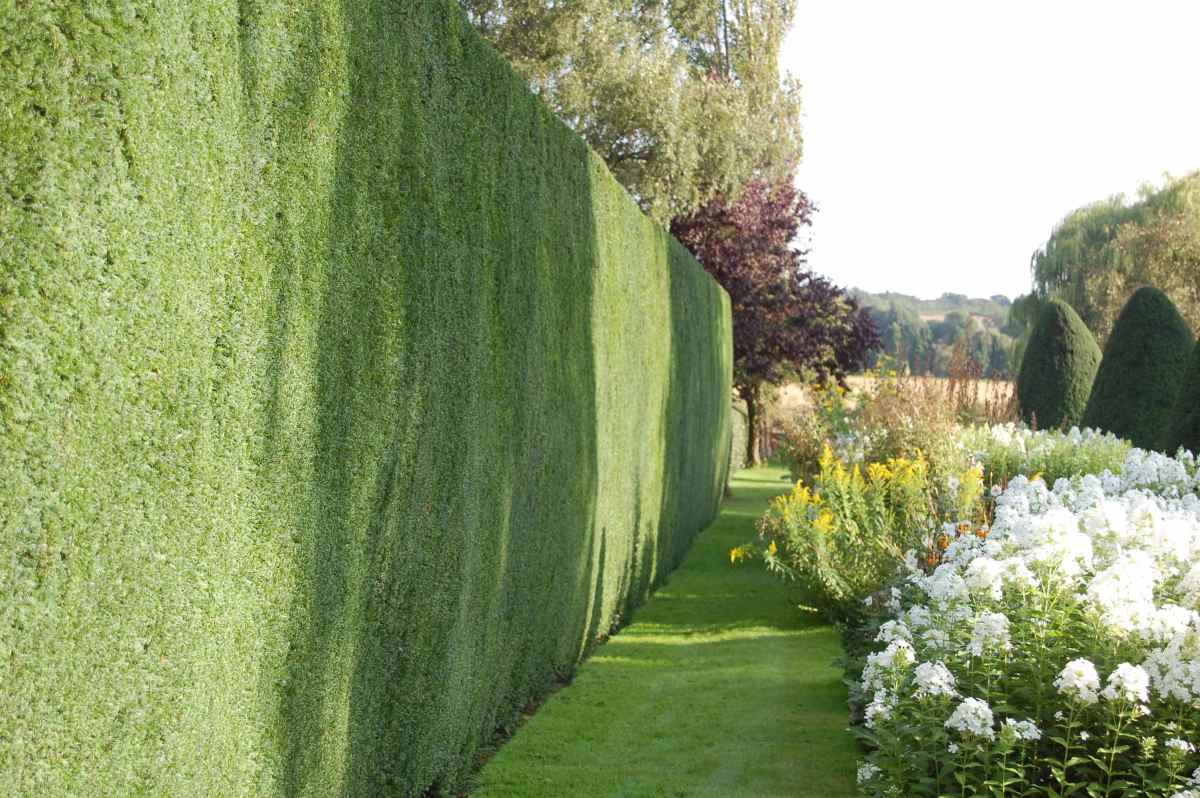
Choosing the Right Species for Maximum Privacy
The best boundary hedges for privacy should be dense and tall, ensuring they block the view from outside while still providing an attractive aesthetic. Some popular species known for their height and thickness include:
- Laurel - This evergreen option grows quickly and offers dense foliage.
- Privet - A traditional choice, privet grows rapidly and can be easily shaped to your desired height.
- Cypress - Known for their tall, narrow form, cypress trees provide excellent privacy with minimal space required.
Factors to Consider When Planting Hedges
When selecting a boundary hedge for privacy, consider several crucial factors that influence growth and effectiveness, including:
- Soil Type - Understanding whether your soil is sandy, clayey, or loamy can affect hedge health.
- Climate - Choose species that thrive in your local climate conditions, taking into account temperature fluctuations and rainfall.
- Space - Ensure there is enough room for the hedge to grow without obstruction from structures or neighboring plants.
Height Requirements for Optimal Privacy
The ideal height of a boundary hedge correlates with the level of privacy you desire from passersby or neighbors. Generally, hedges should be:
- 6 to 8 feet - This height typically provides a good level of privacy for residential areas.
- 8 to 10 feet - Taller hedges may be preferable in busy urban environments with higher foot traffic.
- 10+ feet - For complete privacy, especially near public spaces, investing in taller hedges is beneficial.
Maintenance Tips for Long-lasting Privacy Hedges
To maintain a healthy and effective boundary hedge, regular maintenance is essential. Key maintenance practices include:
- Trimming - Regularly trim the hedge to encourage thick growth and maintain your desired shape.
- Watering - Particularly during dry spells, ensuring your hedge receives adequate water will support its longevity.
- Pest Control - Check for common pests or diseases that could threaten your hedge’s health and act promptly to address any issues.
Creating a Natural Sound Barrier with Hedges
In addition to visual privacy, certain boundary hedges can also serve as effective sound barriers. Some species are particularly good at dampening noise, including:
- Alder - Its thick foliage can help absorb sound and create a tranquil environment.
- Boxwood - Often used for its dense nature, boxwood can block sound while adding aesthetic appeal to your garden.
- Holly - This dense and spiny plant can provide both beauty and functionality in noise reduction.
What is the best soundproof hedge?
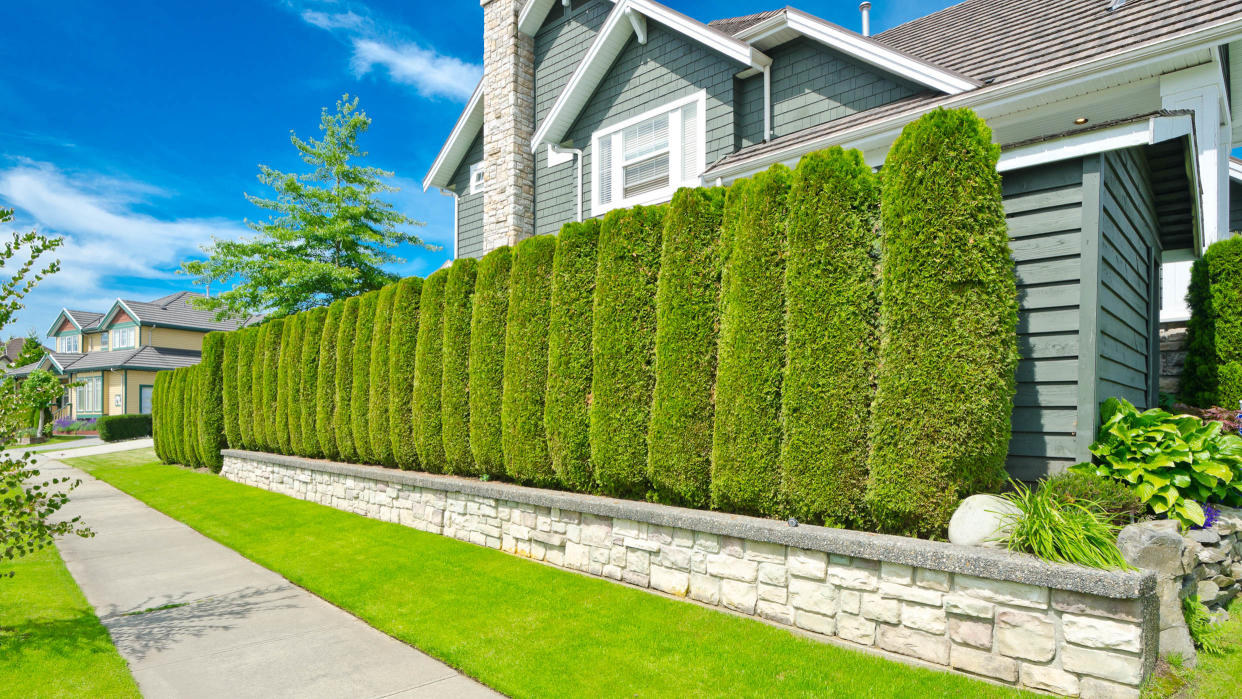
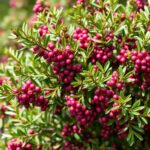
The best soundproof hedge combines dense foliage, height, and growth habits that effectively block noise. Certain types of hedges are particularly noted for their sound-dampening qualities due to their thick leaves and branches that can absorb and deflect sound waves. Among the top contenders for soundproof hedges are:
1. Leyland Cypress: This evergreen tree is known for its rapid growth and ability to create thick barriers, making it an excellent choice for soundproofing.
2. Boxwood: A popular shrub that can be shaped into various forms and heights, it provides a dense and durable sound barrier.
3. Holly: With its prickly leaves and denser growth, holly not only adds aesthetic value but also enhances sound insulation.
4. Laurel: This hedge is appreciated for its richness in foliage, which effectively dampens sound and provides a lush screen.
5. Privet: Known for its quick growth and ability to withstand harsh conditions, privet hedges can serve as effective sound barriers.
The Importance of Foliage Density
The density of foliage in a hedge plays a crucial role in its ability to block sound. Hedges with thicker leaves and branches can absorb sound waves better than those with sparse foliage.
- Thicker Leaves: Foliage that is broad and thick can trap sound vibrations, preventing them from traveling through the air.
- Layering: Plants that grow in layers can create multiple barriers, enhancing sound absorption directly.
- Growth Habit: Hedges that grow compactly will contribute significantly to overall density, aiding the soundproof quality.
Height of the Hedge
The height of a hedge is another critical factor in its effectiveness as a sound barrier. Taller hedges have a more significant impact on sound deflection.
- Minimum Height: Ideally, soundproof hedges should be at least 6 feet high to significantly reduce noise pollution.
- Vertical Growth: Hedges that naturally grow tall without requiring extensive pruning are preferable for ease of maintenance.
- Eyeline Barrier: A taller hedge helps block not just sound but also visual distractions, enhancing privacy.
Growth Rate and Maintenance
Considering the growth rate of your selected hedge is crucial. Rapidly growing hedges can provide quicker sound barriers.
- Fast Growth Species: Choosing species like Leyland Cypress allows for a more immediate noise reduction.
- Pruning Needs: Low-maintenance hedges will require less frequent trimming, retaining their soundproofing properties for longer.
- Resilience: Hedges that are hardy and thrive in your climate will grow consistently well, contributing to long-term sound reduction.
Types of Hedges for Soundproofing
Different types of hedges are better suited for soundproofing due to their specific characteristics.
- Evergreen Hedges: Evergreens maintain their leaves year-round, offering continuous protection against noise.
- Deciduous Hedges: While they lose foliage in winter, when in full leaf, they can still effectively deaden sound.
- Dense Shrubs: Choosing thick shrubs can create a compact barrier against noise, enhancing acoustic insulation.
Environmental Considerations
Environmental factors can affect the effectiveness of a hedge as a sound barrier.
- Planting Location: Hedges placed closer to noise sources, like roads, will create a better sound barrier.
- Soil Quality: Optimal growing conditions promote healthy, dense foliage, which contributes to soundproofing.
- Climate Adaptation: Selecting species suited to your local climate ensures longevity and effectiveness in sound dampening.
Questions from Our Readers
What types of hedges are best for blocking neighbors?
Evergreen hedges are often considered the best choice for blocking neighbors as they maintain their foliage all year round. Varieties such as arborvitae, boxwood, and laurel can provide a dense screen, offering privacy and visual appeal. Additionally, they grow relatively quickly, allowing for a quicker solution to privacy needs.
How tall should my hedge be to effectively block my neighbor's view?
For optimal privacy, a hedge should be at least 6 to 8 feet tall. This height prevents neighbors from easily seeing into your yard. However, any local regulations regarding plant height should also be considered to ensure compliance with building codes and neighborhood guidelines.
How far apart should I plant my hedges for the best coverage?
The recommended distance for planting hedges varies by species, but a general rule is to space them 2 to 3 feet apart. This spacing allows them to grow together and form a solid barrier over time while considering their individual growth habits. Dense coverage is essential for an effective privacy hedge.
See also:
When is the best time to plant hedges for optimal growth?
The ideal time to plant hedges varies by climate, but early spring or fall are typically the best seasons. Planting during these times allows for optimal root establishment before the stress of summer heat or winter cold sets in. Additionally, it provides the plants with the best chance to grow vigorously in their first growing season.
If you want to read more articles like What is the Best Hedge to Block Neighbors? Top Privacy Plants for Your Yard, we recommend you check out our Hedges category.
Leave a Reply
Related Articles