What Plants Should Not Go in a Greenhouse? Essential Tips for Successful Gardening
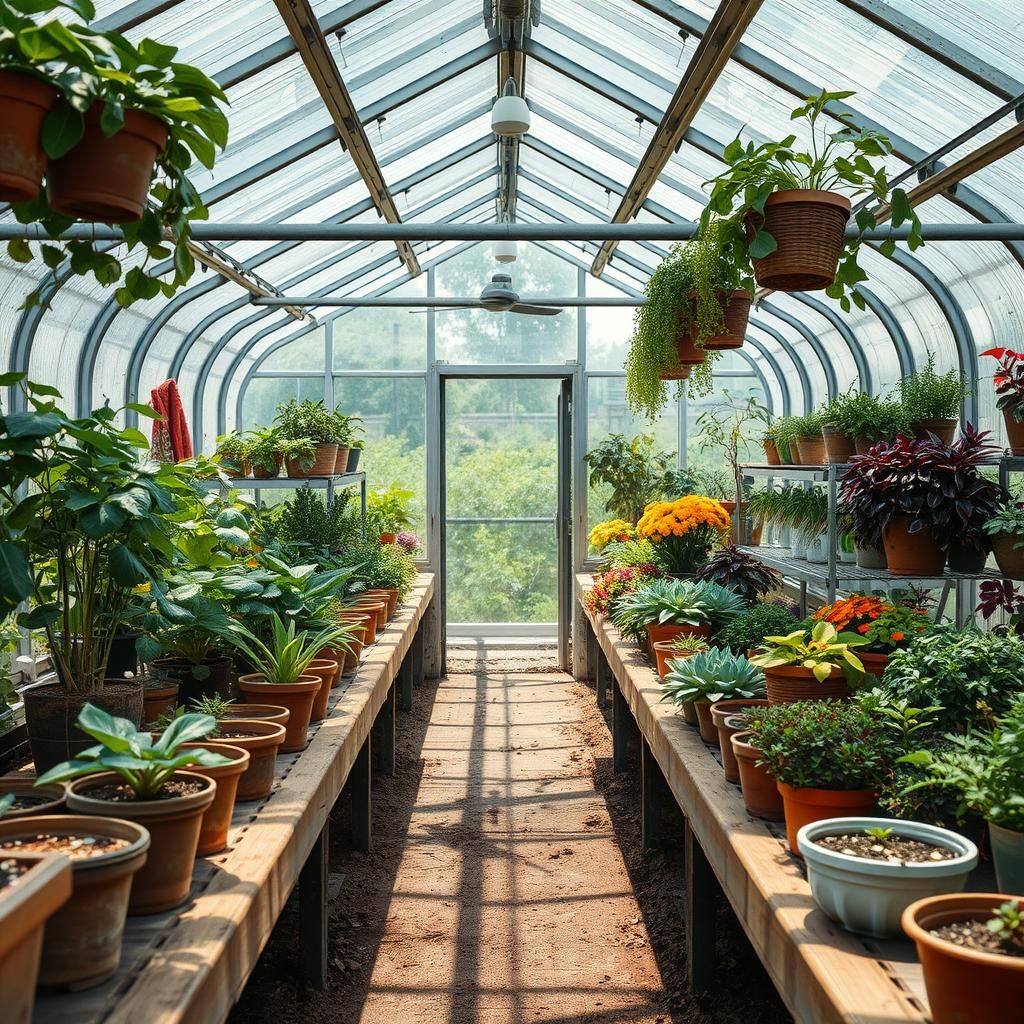
When it comes to greenhouse gardening, understanding which plants thrive in this controlled environment is crucial for success. However, not all plants are suited for greenhouse conditions, and selecting the wrong ones can lead to disappointment and wasted resources. In this article, we will explore a variety of plants that should be avoided in your greenhouse and the reasons behind their incompatibility. Whether it's due to humidity levels, temperature preferences, or space requirements, these essential tips will help you curate a thriving greenhouse environment, ensuring your gardening efforts yield the best possible results.
Plants That Should Not Go in a Greenhouse
Certain plants thrive best in open-air conditions rather than greenhouses, primarily due to their specific environmental needs. For instance, plants such as cacti and succulents prefer drier conditions with lower humidity, which can be hard to maintain inside a greenhouse. Additionally, plants that flourish in cooler climates, like many species of ferns, may suffer from excessive heat and humidity when placed in a greenhouse, leading to disease risks. Moreover, certain vegetables and herbs like carrots and basil might experience reduced quality and flavor when grown in greenhouse conditions, as they require direct sunlight and airflow that is more prevalent outside. Understanding the specific needs of each plant is crucial to ensure healthy growth and optimal yield.
Succulents
Succulents, known for their ability to store water, prefer arid conditions with plenty of sunlight and low humidity. In a greenhouse setting, the increased moisture levels can lead to root rot and mold, making them unsuitable for this environment. Instead, they thrive in well-draining soil and basking directly under the sun.
Cacti
Similar to succulents, cacti are adapted to desert climates where they can absorb sunlight without the interference of humidity. A greenhouse can create overly damp conditions that may harm these plants, leading to decay. Therefore, placing cacti outdoors, where they can get direct sunlight and dry air, is more beneficial.
Ferns
Many fern species prefer cooler temperatures and can be sensitive to heat. In a greenhouse, where temperatures often rise, ferns may struggle, becoming dried out or prone to diseases like fungal infections. Ideally, they should be grown in shaded areas with good airflow.
See also:
Root Vegetables
Root vegetables, such as carrots and radishes, often prefer to be grown directly in the ground where they can establish their roots deeply. The confined space of a greenhouse pot can limit their growth and negatively affect their taste and texture, making growing them outdoors a better option.
Hardy Herbs
Certain herbs, such as oregano and thyme, can be sensitive to the high humidity levels found in many greenhouses. These plants thrive in dryer conditions and may develop mildew or other issues in a humid setup. Cultivating them outside allows for better air circulation and sun exposure.
| Plant Type | Optimal Conditions | Risks in Greenhouse |
|---|---|---|
| Succulents | Low humidity, direct sunlight | Root rot, mold |
| Cacti | Dry, sunny environments | Decay due to humidity |
| Ferns | Cool, shaded areas | Drought, diseases |
| Root Vegetables | Open ground with direct sun | Limited growth, flavor loss |
| Hardy Herbs | Dry conditions, good airflow | Mildew, stunted growth |
Choosing the Right Plants for Your Greenhouse: What to Avoid
When planning a greenhouse, it's crucial to identify plants that may not thrive in this environment. Certain species, such as tropical plants that require high humidity levels, may struggle if the greenhouse is not properly ventilated or heated. Additionally, invasive species can outcompete desired plants for resources, leading to unbalanced ecosystems within your greenhouse. Therefore, understanding the specific needs and characteristics of each plant type is essential to prevent disappointment and ensure a successful gardening experience.
Top 5 Plants Unsuitable for Greenhouses
Some plants are better suited for outdoor gardening than greenhouse environments. Typically, cold-hardy crops such as kale or spinach may not thrive under the higher temperatures of a greenhouse. Additionally, perennial weeds can take over if not managed well, leading to reduced productivity. Learning about these types of plants is important to maintain an efficient and healthy gardening space.
The Role of Humidity in Greenhouse Gardening
Humidity levels play a significant role in plant health, yet some species do not tolerate high humidity. For example, plants like cacti and certain succulents prefer drier conditions and can suffer from rot if placed in a humid greenhouse environment. Understanding the humidity requirements of different plants ensures they are placed in compatible settings to support their growth.
See also:
Watering Needs for Greenhouse Plants
Watering requirements vary greatly among plants, and those that prefer low moisture may not do well in a greenhouse setting. For instance, Mediterranean herbs like rosemary or sage thrive in well-draining, dry conditions. Overwatering these plants could lead to issues like root rot, highlighting the necessity of matching watering routines to individual plant needs.
Temperature Preferences: Hot vs. Cold Plants
Many plants have specific temperature ranges in which they flourish, making them unsuitable for greenhouse conditions that may not align with their needs. Cool-weather crops, such as peas or lettuce, can be stressed by excessive heat found in greenhouses, particularly during summer months. Understanding the temperature preferences of each plant type will lead to better gardening outcomes.
Light Conditions and Plant Selection
Light conditions in a greenhouse can greatly differ from natural outdoor settings. Some shade-loving plants, like ferns, do not adapt well to the bright, direct light that greenhouses often provide. Conversely, plants that require direct sunlight might excel in a greenhouse, but if the light levels are too low, they can become leggy or fail to bloom. Knowing the light requirements of your plants is crucial for their successful cultivation.
Questions from Our Readers
What types of plants thrive outside rather than in a greenhouse?
Plants like hardy perennials, certain vegetables, and native flora often prefer to grow outside. They are adapted to the natural conditions of their environments and may suffer from the increased humidity and heat of a greenhouse.
Which plants can become too humid in a greenhouse?
Plants such as ferns and carnivorous species may experience excessive humidity in a greenhouse, leading to issues like mold or rot. These species often thrive in specific moisture conditions that can be difficult to maintain in a controlled environment.
See also:
Are there any trees that should not be kept in a greenhouse?
Large trees and some fruit-bearing varieties typically require more space and have extensive root systems that can be difficult to manage inside a greenhouse. They usually benefit from being planted in larger outdoor settings.
What annuals should be kept outside instead of in a greenhouse?
Many annual flowers, such as marigolds and zinnias, can grow well outdoors and often do not require the additional protection of a greenhouse. These plants thrive in natural light and conditions that can sometimes be overwhelming in a confined space.
If you want to read more articles like What Plants Should Not Go in a Greenhouse? Essential Tips for Successful Gardening, we recommend you check out our Greenhouse category.
Leave a Reply
Related Articles