Can You Attach a Greenhouse to Your House? A Complete Guide to Combining Indoor and Outdoor Spaces
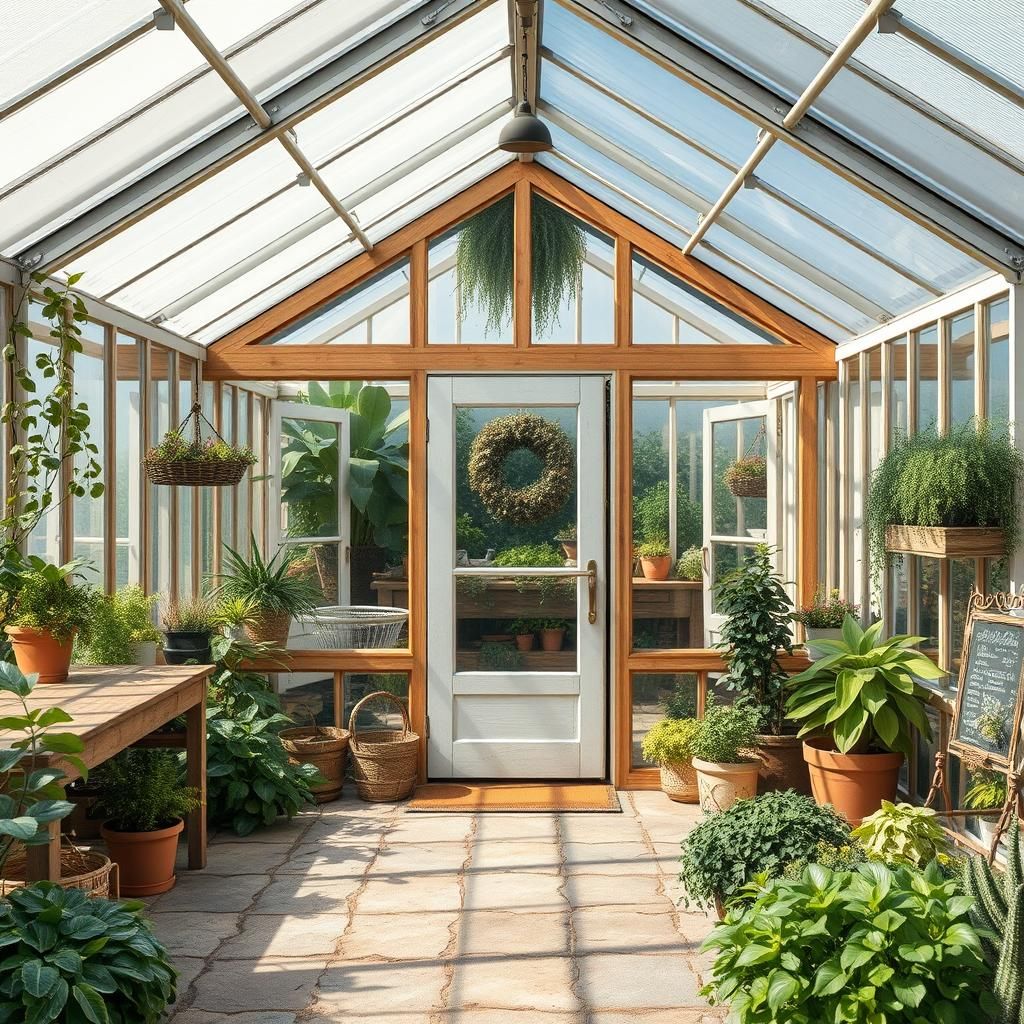
As homeowners increasingly seek to integrate nature into their living spaces, the idea of attaching a greenhouse to a house presents an appealing solution. This complete guide explores the benefits and considerations of merging indoor and outdoor environments through greenhouse additions. Whether for gardening enthusiasts or those wishing to enhance their home’s aesthetic, attaching a greenhouse can create a unique space for relaxation and cultivation. In this article, we will delve into the practical aspects, design options, and potential challenges involved in this endeavor, providing you with the insights needed to transform your home and lifestyle through a seamless indoor-outdoor connection.
- Can You Attach a Greenhouse to Your House?
- What are the disadvantages of attached greenhouses?
- Do I need a permit to build a greenhouse on my property?
- How much does it cost to build a greenhouse attached to your house?
- What is it called when you have a greenhouse attached to your house?
- Questions from Our Readers
Can You Attach a Greenhouse to Your House?
Yes, it is indeed possible to attach a greenhouse to your house, and many homeowners are opting for this modification to enhance their living space while enjoying the benefits of gardening. Attaching a greenhouse not only provides a convenient space for growing plants but also creates a stunning visual appeal to your property. However, before proceeding, it’s important to consider factors like local zoning regulations, the orientation of your greenhouse for optimal sunlight, and the structural integrity of your home to ensure compatibility. Additionally, you'll need to decide on the materials, size, and purpose of the greenhouse, whether it's for growing vegetables, flowers, or simply as a decorative feature.
Benefits of Attaching a Greenhouse
Attaching a greenhouse to your home offers numerous benefits. It allows for year-round gardening, creating an extended growing season that can greatly enhance your ability to cultivate plants. You can enjoy fresh produce and flowers even in the colder months, leveraging the warmth provided by your home. Moreover, having a greenhouse attached can improve energy efficiency as it can serve as an additional thermal mass, potentially lowering heating costs in the winter. This integration supports not just plant growth but also adds to the aesthetic and functionality of your living space.
Planning and Design Considerations
When planning to attach a greenhouse to your house, several design considerations must be addressed. The first step is to assess the location for maximum sunlight exposure, preferably with a southern orientation. This ensures that your greenhouse receives adequate light throughout the day. Additionally, consider access points for easy entry and maintenance. The design should harmoniously integrate with your home’s style and structure while choosing materials that ensure durability and functionality, such as tempered glass or polycarbonate panels.
Legal and Zoning Regulations
Before attaching a greenhouse to your home, it is crucial to check with local building codes and zoning regulations. Some areas may have restrictions on the size and placement of auxiliary structures. Additionally, obtaining the appropriate permits can be a necessary step to avoid potential fines or construction issues. Engaging with local authorities or a professional can help clarify what is permissible in your area, ensuring all modifications comply with regulations and standards.
Cost and Budgeting
Budgeting for an attached greenhouse involves a variety of costs, including materials, labor, and installation expenses. The overall price can vary based on the size and complexity of the structure. On average, homeowners may spend anywhere from a few hundred to several thousand dollars on their greenhouse project. It’s essential to create a detailed budget that accounts for construction costs, utilities, and any additional features such as heating or thermostatic controls. This will help you effectively manage your finances throughout the project.
Maintenance and Care for Your Greenhouse
Once your greenhouse is attached, regular maintenance is crucial to ensure optimal plant health and longevity of the structure. This includes monitoring humidity levels, maintaining adequate ventilation, and keeping the glass or panels clean for maximum light penetration. Additionally, be prepared to adjust environmental controls according to seasonal changes. Regular checks for pests and diseases will help sustain a healthy growing environment. Setting a maintenance schedule can effectively facilitate care and ensure your greenhouse remains a productive space for years to come.
| Consideration | Details |
|---|---|
| Location | Ensure maximum sunlight exposure, preferably south-facing. |
| Size | Choose a size that meets your gardening needs without violating zoning regulations. |
| Materials | Select durable materials like tempered glass or polycarbonate. |
| Permits | Check local building codes and obtain necessary permits for construction. |
| Budget | Create a detailed budget that includes all potential costs. |
What are the disadvantages of attached greenhouses?
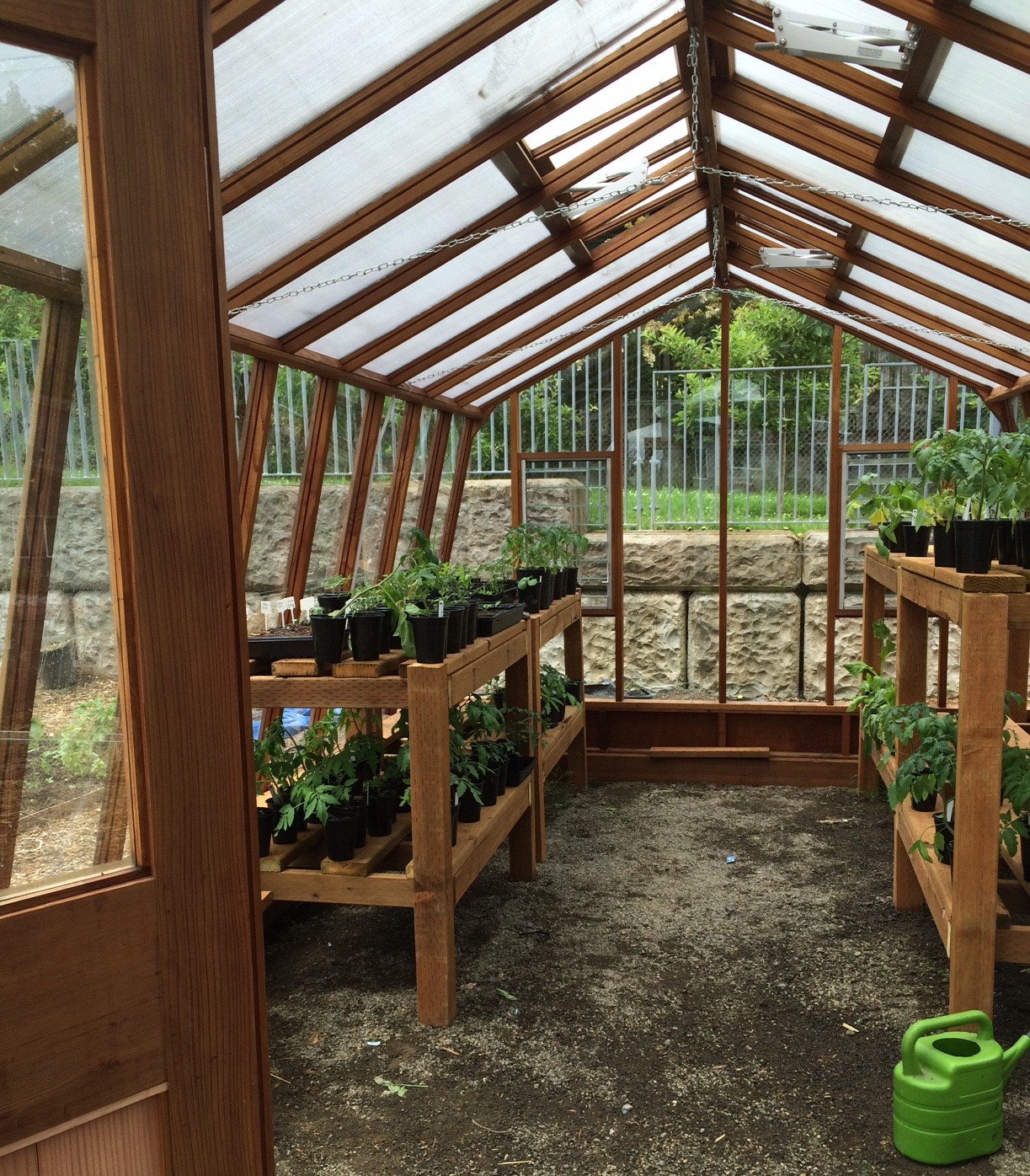
The disadvantages of attached greenhouses can vary based on several factors, but generally, they include limitations in design flexibility, heating and cooling challenges, pest management issues, and space constraints. Below are detailed explanations of each disadvantage.
Design Limitations
Attached greenhouses often lack flexibility in design compared to freestanding greenhouses. This can limit the creativity and functionality of the structure.
- The structure is typically bound by the architecture of the home, which can constrain the shape and height of the greenhouse.
- Modifications or expansions to the greenhouse can be difficult due to its integration with the main building.
- Aesthetic mismatches between the greenhouse and home can detract from the overall appearance of both structures.
Heating and Cooling Challenges
Managing the temperature within an attached greenhouse can be problematic. Since it shares a wall with the home, it may experience fluctuations in heat that are difficult to control.
- Hot air from the home can overheat the greenhouse during summer months.
- In winter, the greenhouse may not receive enough heat from the house, leading to potentially harmful cold temperatures for plants.
- Regulating humidity levels can become challenging, contributing to the risk of plant diseases.
Pest Management Issues
An attached greenhouse can present unique pest management challenges. The close proximity to the home can allow pests to move freely between the greenhouse and living spaces.
- Pests that thrive in the greenhouse may quickly infest the home, making control efforts more complex.
- Strategies effective in standalone greenhouses may not be as effective in an attached setting due to structural limitations.
- Increased exposure to human activity may elevate the risk of introducing pests and diseases into the greenhouse environment.
Space Constraints
The space available for an attached greenhouse is often limited, affecting the variety and amount of plants that can be grown.
- Limited square footage may not accommodate larger plants or a diverse range of species.
- Access around the greenhouse can be restricted, complicating maintenance tasks.
- Shared resources, such as light and ventilation, can lead to competition among plants for these essentials.
Structural Maintenance Issues
Attached greenhouses can impose additional maintenance challenges due to their connection to the home.
- Potential water leaks or issues from the greenhouse can impact the integrity of the home.
- Maintenance tasks may require access to the interior of the home, complicating routines.
- The need for insulation and protection from weather can increase maintenance demands over time.
Do I need a permit to build a greenhouse on my property?
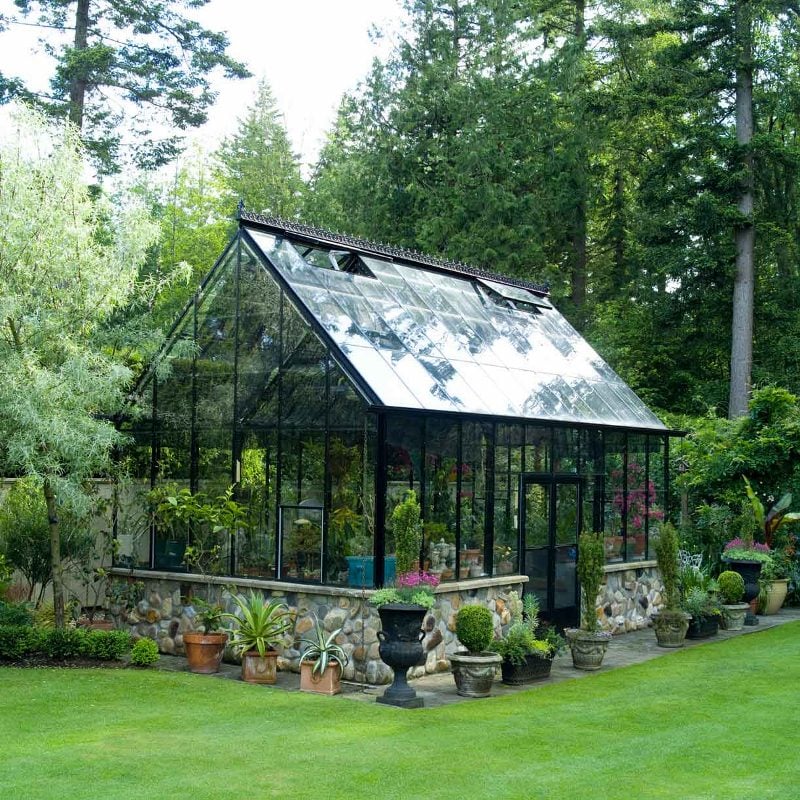
To determine whether you need a permit to build a greenhouse on your property, several factors must be considered, including local laws, the size and type of the greenhouse, and its intended use. Building regulations can vary significantly from one municipality to another, so it's essential to check the specific zoning laws and regulations applicable to your area.
Local Zoning Laws
Local zoning laws govern how land can be used and developed. These laws often include rules about building residential structures, such as a greenhouse. Here are some key points:
- Check Local Regulations: Each municipality has its own set of regulations regarding outdoor structures.
- Residential vs. Commercial: The rules may differ based on whether the greenhouse is intended for personal use or commercial purposes.
- Setbacks and Lot Lines: Zoning laws may dictate how far your greenhouse must be from property lines.
Building Codes
In addition to zoning laws, building codes dictate how structures must be built to ensure safety and health standards. Here's what to consider:
- Structural Integrity: Building codes may require specific materials and construction techniques to ensure your greenhouse is safe.
- Electrical and Plumbing: If your greenhouse includes electrical outlets or plumbing, permits may be necessary.
- Fire and Safety Regulations: Ensure compliance with safety regulations to mitigate fire hazards when using heating equipment.
Size of the Greenhouse
The size of the greenhouse can play a crucial role in whether a permit is required. Key considerations include:
- Square Footage: Smaller greenhouses may not require a permit, while larger structures often do.
- Height Restrictions: Taller structures may trigger additional permitting requirements due to local regulations.
- Temporary vs. Permanent Structures: Temporary greenhouses might have different requirements compared to permanent installations.
Intended Use
The purpose of your greenhouse can influence permit requirements significantly. Consider the following aspects:
- Personal Use: If you’re using the greenhouse for personal gardening, you may face fewer regulations.
- Commercial Farming: If you plan to sell plants or produce, you may require various permits.
- Educational Purposes: Greenhouses intended for educational uses may have specific requirements due to institutional guidelines.
Consultation and Resources
It’s advisable to consult with local authorities or resources when considering building a greenhouse. Here’s how to approach it:
- Visit Local Planning Office: This is the first stop for accurate information regarding permits.
- Online Resources: Many municipalities have websites with zoning ordinances and building codes available for public viewing.
- Seek Professional Advice: Consulting with a lawyer or a contractor can provide clarity on specific requirements for your project.
How much does it cost to build a greenhouse attached to your house?

To build a greenhouse attached to your house, the cost can vary significantly based on several factors. Typically, the price range for constructing such a structure can be anywhere from $5,000 to $30,000 or more. The total cost will depend on materials, size, design complexity, location, and whether you're hiring a contractor or undertaking a DIY project.
Design and Size Considerations
When planning how much your greenhouse will cost, the design and size play crucial roles. A larger, more intricate design will naturally result in higher costs. Some key considerations include:
- Square footage: Larger greenhouses require more materials and labor.
- Type of structure: Simple lean-to designs are cheaper than solarium-style greenhouses.
- Ventilation and insulation: Additional features to control humidity and temperature increase costs.
Materials Used
The choice of materials significantly impacts the overall price of your greenhouse. Common materials include:
- Frame materials: Wood, aluminum, and galvanized steel differ in cost and longevity.
- Covers: Polycarbonate, glass, or polyethylene film can affect both initial costs and long-term durability.
- Foundations: Depending on the type, a concrete slab will be more expensive than a simple gravel foundation.
Labor Costs
Whether you hire a contractor or do it yourself, labor costs are an essential factor in the overall expense. Consider the following:
- Hiring professionals: Costs may range from $50 to $100 per hour for skilled workers.
- DIY efforts: While you might save on labor, your time and the cost of tools should be factored in.
- Permits and inspections: Local regulations may require permits, adding to the total labor costs.
Heating and Cooling Systems
To maintain optimal conditions, efficient heating and cooling systems are necessary, which can add to the costs. Key components include:
- Heating systems: Options like electric heaters or radiant heating add significant upfront and operational costs.
- Cooling options: Fans, shutters, or automatic ventilation systems can vary greatly in price.
- Climate control technology: Advanced systems that monitor conditions in real-time might increase both initial and ongoing costs.
Ongoing Maintenance Costs
Once built, a greenhouse will require maintenance, which should be considered in your budget. Important factors include:
- Utilities: Regular electricity and water costs are necessary for heating, cooling, and irrigation.
- Repairs: Wear and tear on materials can lead to additional repair expenses.
- Seasonal preparations: Costs associated with preparing your greenhouse for winter or summer can add up.
What is it called when you have a greenhouse attached to your house?
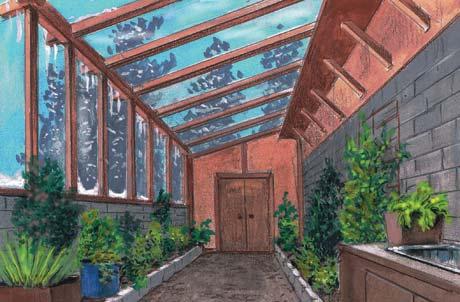
When you have a greenhouse attached to your house, it is commonly referred to as a sunroom or garden room. These spaces are designed to utilize natural sunlight for both aesthetic and functional purposes, often integrating aspects of gardening and relaxation. A sunroom acts as an extension of the living space, promoting a connection with nature while maximizing light and warmth.
Benefits of Having a Sunroom
A sunroom offers various advantages that enhance the living experience in a home:
- Increased Natural Light: Sunrooms can dramatically increase the amount of natural light in a home, creating a warm and inviting atmosphere.
- Gardening Opportunities: They provide a controlled environment for growing plants, allowing gardeners to enjoy their hobby year-round.
- Energy Efficiency: With proper insulation and glazing, sunrooms can help in energy conservation, reducing heating and cooling costs.
Design Considerations for Garden Rooms
When planning a garden room, several design aspects should be considered:
- Orientation: The compass orientation of the garden room affects sunlight exposure, which can enhance plant growth and comfort.
- Materials: Choosing the right materials for walls and windows is crucial for insulation and durability against outdoor elements.
- Ventilation: Proper airflow is necessary to maintain a comfortable temperature and humidity level for both plants and occupants.
Types of Greenhouse Attachments
There are various styles of greenhouse attachments to suit different preferences and home designs:
- Lean-to Greenhouses: These are attached to one wall of a house, utilizing the existing structure for support while maximizing sunlight.
- Victorian Greenhouses: Known for their ornate design, these structures can add a touch of elegance while providing ample space for plants.
- Geodesic Dome Greenhouses: Featuring a spherical design, these greenhouses optimize light capture and can be space-efficient.
Cost Considerations for Building a Sunroom
Building a sunroom is a significant investment that requires careful budgeting:
- Construction Costs: The price of materials and labor can vary, impacting the overall budget for the project.
- Utilities: Adding heating and cooling systems or electricity can increase initial costs but can lead to long-term savings.
- Maintenance: Consideration of ongoing maintenance costs like window cleaning and structural upkeep is essential for planning.
Regulations and Permits for Sunrooms
When constructing a sunroom or greenhouse attachment, certain regulations and permits may apply:
- Zoning Laws: Check local zoning regulations to ensure that the planned structure complies with residential building codes.
- Building Permits: Securing the appropriate permits is often necessary to ensure safety and compliance with local standards.
- Homeowners Association (HOA) Guidelines: If living in a community with an HOA, review their rules regarding exterior modifications and structures.
Questions from Our Readers
Can you attach a greenhouse to your house?
Yes, you can attach a greenhouse to your house, and many homeowners choose to do so to maximize space and facilitate gardening. It’s important to consider factors like local building codes, climate, and the design of the greenhouse to ensure it complements your home.
What are the benefits of attaching a greenhouse to your home?
Attaching a greenhouse provides several benefits, including having easy access to plants and vegetables, which can result in higher yield and a longer growing season. Furthermore, it can serve as an additional living space or a cozy retreat that adds value to your property.
What should you consider before building a greenhouse attachment?
Before building a greenhouse attachment, consider factors such as sunlight exposure, ventilation, and the materials used for the structure. Additionally, assess your local zoning regulations and whether you need a permit to ensure compliance with the law.
How do you maintain a greenhouse attached to your house?
Maintaining an attached greenhouse involves regular cleaning, monitoring of humidity levels, and ensuring proper ventilation. It's also crucial to check for any pest infestations and to schedule seasonal care for your plants to ensure they thrive throughout the year.

If you want to read more articles like Can You Attach a Greenhouse to Your House? A Complete Guide to Combining Indoor and Outdoor Spaces, we recommend you check out our Greenhouse category.
Leave a Reply
Related Articles