What are the disadvantages of greenhouses? Key Challenges and Limitations Explained
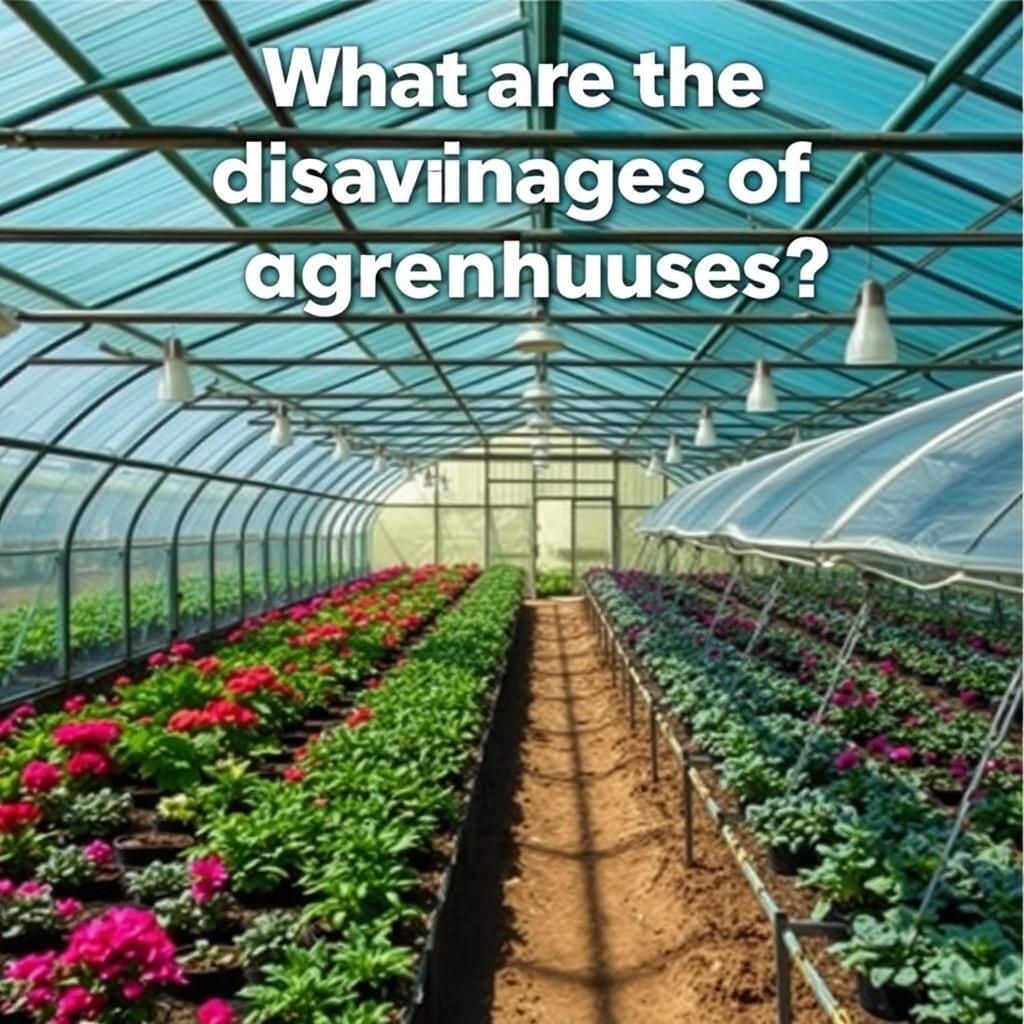
Greenhouses are often celebrated for their ability to create ideal growing conditions, allowing for year-round cultivation of plants. However, despite their advantages, they come with a set of significant disadvantages that can challenge even the most experienced gardeners and farmers. This article explores the key challenges and limitations associated with greenhouse cultivation, including issues such as high initial costs, energy consumption, and potential pest problems. By understanding these drawbacks, individuals and businesses can make informed decisions about whether greenhouse farming is the right choice for their agricultural endeavors.
Disadvantages of Greenhouses
Greenhouses offer a controlled environment for plant growth, but they come with several disadvantages that can impact gardeners and farmers. One of the primary issues is the high initial investment required for construction and setup, which can be a barrier for many. Additionally, maintaining a greenhouse can lead to increased production costs due to the need for climate control systems, such as heating and cooling, especially in extreme weather conditions. Moreover, the risk of pest infestations can be greater in a greenhouse setting, as the confined space can create an ideal environment for pests to thrive. Other concerns include potential structural damage from weather events and the need for ongoing maintenance to ensure the greenhouse remains effective.
High Initial Costs
Building a greenhouse requires a significant financial investment, which includes materials, labor, and necessary equipment. The cost can vary greatly depending on the size, materials used, and whether the greenhouse is a simple frame or a complex structure with technological advancements. This upfront expenditure can be a critical hurdle, particularly for small-scale farmers or hobby gardeners.
Increased Operational Costs
Once established, greenhouses incur additional operational expenses, especially in regards to energy consumption for heating, cooling, and lighting. Maintaining a stable climate inside the greenhouse is crucial for optimal plant growth, which often necessitates the installation of expensive climate control systems. These rising costs can affect the overall profitability of greenhouse operations.
Pest Management Challenges
Although greenhouses provide some protection from pests, they can inadvertently create a perfect environment for certain pests, making pest management a significant challenge. The enclosed space can encourage pests to reproduce more rapidly and infest plants without the presence of natural predators. Effective pest control methods are essential to mitigate this risk, and often involve the use of chemical insecticides, which can lead to additional costs and environmental concerns.
Structural Vulnerabilities
Greenhouses must withstand various weather conditions that can pose risks to their structural integrity. Heavy snow, strong winds, and severe storms can damage the glass or plastic materials used in greenhouse construction. Regular inspections and maintenance are required to address these vulnerabilities, which can result in additional time and financial investment.
Maintenance Requirements
Maintaining a greenhouse is not a one-time effort; it demands ongoing attention and care to remain effective. This includes cleaning surfaces, checking for leaks, monitoring equipment functionality, and replacing worn components. The time and effort required to keep the greenhouse functional can be considerable, especially for those balancing multiple agricultural responsibilities.
| Disadvantage | Description |
|---|---|
| High Initial Costs | Significant financial investment for setup and construction. |
| Increased Operational Costs | Ongoing expenses for climate control and energy consumption. |
| Pest Management Challenges | Increased risk of pest infestations requiring additional control methods. |
| Structural Vulnerabilities | Potential damage from weather events impacting greenhouse integrity. |
| Maintenance Requirements | Ongoing upkeep necessary to ensure functionality and plant health. |
What are the disadvantages of a greenhouse?
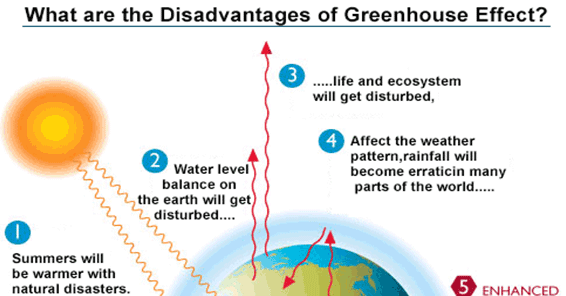
Greenhouses offer a controlled environment for growing plants, but they also come with a set of disadvantages that can impact their effectiveness and sustainability. These disadvantages include high initial costs, environmental concerns, pest management issues, maintenance challenges, and temperature control difficulties.
High Initial Costs
Establishing a greenhouse requires a significant financial investment. The costs associated with purchasing materials, building the structure, and installing necessary systems can be substantial. Some of the key financial factors include:
- Construction Costs: The expense of materials like glass or polycarbonate can be high.
- Climate Control Systems: Installing heating, cooling, and ventilation systems adds to the expense.
- Land Preparation: Preparing the land for greenhouse installation may require additional investment in landscaping or soil treatment.
Environmental Concerns
Although greenhouses can enhance plant growth, they also pose environmental challenges. The energy consumption and waste generated can be detrimental. Key concerns include:
- Energy Use: Greenhouses require energy for heating and lighting, contributing to fossil fuel consumption.
- Plastic Waste: The use of plastic materials for covering can lead to environmental pollution.
- Water Usage: High water consumption in some greenhouse operations can strain local water resources.
Pest Management Issues
While greenhouses can help control pests, they can also create an ideal environment for certain pests and diseases. The following factors can complicate pest management:
- Closed Environment: The lack of natural predators within a greenhouse can lead to pest outbreaks.
- Microclimate Creation: The specialized conditions in a greenhouse can encourage specific pests that thrive in those environments.
- Chemical Dependency: Managing pests often requires chemical treatments, which can lead to resistance and environmental harm.
Maintenance Challenges
Keeping a greenhouse in optimal condition requires continuous maintenance efforts. Various aspects of maintenance can become challenging, including:
See also:
- Structural Integrity: Over time, the greenhouse structure may require repairs and reinforcement.
- Cleaning: Regular cleaning of surfaces is necessary to prevent diseases and pests.
- System Upgrades: Updating climate control and irrigation systems can be costly and time-consuming.
Temperature Control Difficulties
Managing the temperature within a greenhouse can be a complex task. Fluctuations can lead to plant stress or damage. Some difficulties in temperature control include:
- Heat Build-Up: On sunny days, greenhouses can become excessively hot, requiring efficient ventilation systems.
- Temperature Drops at Night: At night, without proper heating, temperatures can drop significantly, affecting plant health.
- Seasonal Changes: Different seasons require adjustments in heating and cooling strategies, which can complicate management.
What are the 5 disadvantages of the greenhouse effect?
The greenhouse effect, while a natural process that warms the Earth, has significant disadvantages that can adversely affect the environment and human life. Here are five notable disadvantages:
1. Global Warming
Global warming is one of the most prominent consequences of the greenhouse effect. The accumulation of greenhouse gases in the atmosphere leads to an increase in average global temperatures. This rise in temperature has various implications:
- Melting Ice Caps: Polar ice caps and glaciers are melting, contributing to rising sea levels.
- Extreme Weather: Higher temperatures result in more frequent and severe weather events, such as hurricanes, droughts, and heatwaves.
- Temperature Extremes: Ecosystems and species may struggle to adapt to rapid changes in temperature, leading to loss of biodiversity.
2. Ocean Acidification
Increased levels of carbon dioxide due to the greenhouse effect are also causing the oceans to absorb more CO2. This results in ocean acidification, which harms marine life.
- Coral Reefs: Acidic waters weaken coral structures, jeopardizing marine biodiversity and habitats.
- Shellfish Populations: Mollusks and other shellfish find it harder to form shells, affecting the entire food chain.
- Fisheries Impact: Changes in marine life can lead to reduced fish stocks, impacting global food security and economies.
3. Rising Sea Levels
As glaciers and ice sheets continue to melt, sea levels are rising, which presents several disadvantages to coastal regions.
- Flooding: Increased flooding risks in coastal areas threaten homes and infrastructure.
- Saltwater Intrusion: Rising seas can contaminate freshwater supplies, impacting agriculture and drinking water.
- Ecosystem Damage: Coastal ecosystems, such as wetlands and mangroves, are at risk of disappearing, leading to loss of wildlife habitats.
4. Threat to Food Security
Changes in climate patterns due to the greenhouse effect can significantly disrupt agricultural practices, jeopardizing food security.
- Crop Yields: Higher temperatures and altered rainfall patterns can reduce crop productivity.
- Pest Infestations: Warmer climates can lead to increases in pest populations, further threatening crops.
- Soil Degradation: Extreme weather events can lead to soil erosion and nutrient loss, impacting agricultural health.
5. Health Issues
The greenhouse effect indirectly contributes to various health problems, raising concerns for public health.
- Heat-Related Illnesses: Increased temperatures can lead to more heat-related health issues like heatstroke.
- Respiratory Problems: Poor air quality due to increased pollution can exacerbate respiratory diseases.
- Vector-Borne Diseases: Changing climates can expand the habitats of disease-carrying vectors, like mosquitoes, increasing the spread of diseases.
What is the problem with greenhouses?

One of the significant problems with greenhouses is their environmental impact and resource consumption. While they are designed to create a controlled environment for plant growth, they can also contribute negatively to sustainability efforts. Here are some key issues associated with greenhouses:
1. Energy Consumption
Greenhouses can require a substantial amount of energy to maintain optimal growing conditions, especially in extreme weather. The need for heating, cooling, and artificial lighting leads to increased energy consumption.
- Heating systems during winter months can consume large amounts of fossil fuels.
- Cooling systems in hot weather demand electricity, which may not be sourced from renewable energy.
- Artificial lighting for extended grow seasons uses significant energy resources.
2. Water Usage
Water management in greenhouses can also pose issues. While they often use less water than traditional farming, the demand can still be high, especially during dry spells.
- Overuse of water for irrigation can lead to depletion of local water supplies.
- Pest control methods may require additional water resources.
- Suboptimal irrigation systems can lead to water wastage.
3. Pollution and Chemical Use
The intensive agricultural practices often employed in greenhouses can result in pollution due to the use of chemicals. Pesticides, herbicides, and fertilizers can have detrimental effects on the environment.
See also:
- Chemicals can leach into soil and water systems, harming local ecosystems.
- Excessive fertilizer use can lead to nutrient runoff and algal blooms.
- Indoor air quality can be compromised due to volatile organic compounds (VOCs) from chemicals.
4. Waste Management
Greenhouses may generate considerable amounts of waste, particularly from plant debris and packaging materials. Managing this waste effectively can be a challenge.
- Organic waste may not be composted properly, leading to landfill contributions.
- Synthetic materials used in construction and operation can create long-lasting waste issues.
- Proper recycling systems may not be established, increasing environmental footprint.
5. Land Use and Habitat Disruption
The establishment of greenhouses often requires significant land use, which can disrupt local habitats and ecosystems.
- Conversion of natural landscapes into greenhouse sites reduces biodiversity.
- Wildlife may be displaced due to land clearing for greenhouse construction.
- Intensive cultivation can lead to soil degradation over time.
Do plants grow better in a greenhouse or outside?
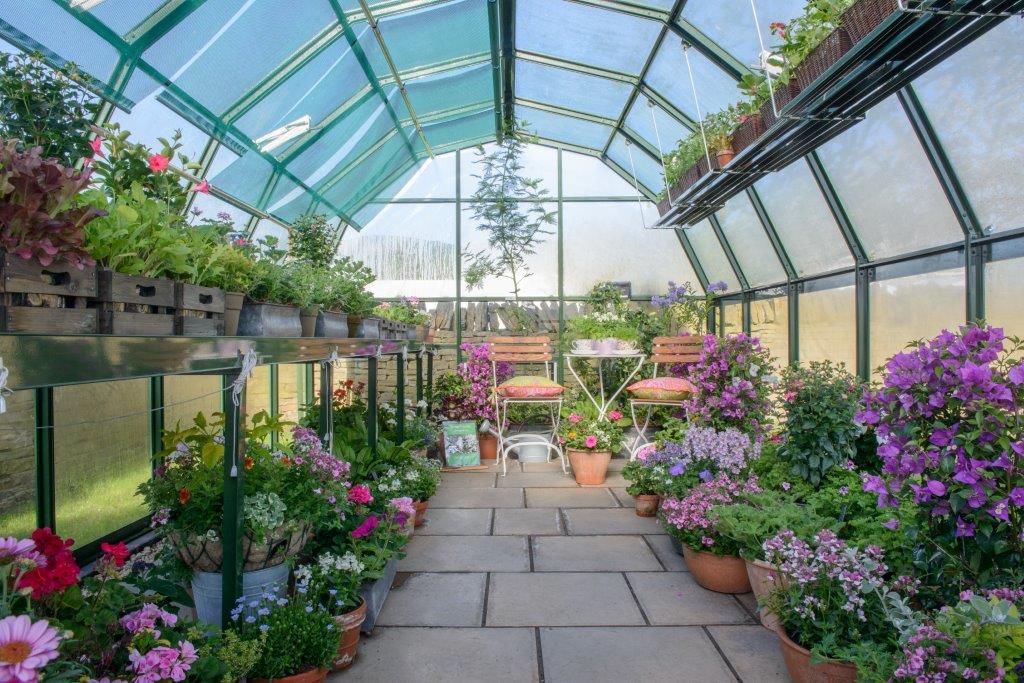
The growth of plants in a greenhouse compared to outdoor environments involves several factors that can significantly influence their health and productivity. A greenhouse offers a controlled environment which can be beneficial for growing various types of plants. On the other hand, outdoor conditions can vary greatly based on climate, weather, and soil quality. Below are some key aspects that distinguish the two growing environments.
Advantages of Greenhouse Growth
Plants in a greenhouse benefit from a controlled environment where temperature, humidity, and light levels can be optimized for their growth. This can lead to several advantages:
- Consistent Environment: Greenhouses maintain a stable climate, allowing plants to thrive without the stress of sudden weather changes.
- Pest Management: Enclosed spaces can reduce the risk of pests and diseases, making it easier to manage plant health.
- Extended Growing Season: Greenhouses allow for year-round gardening, providing the opportunity to grow plants that would not survive in seasonal climates.
Disadvantages of Greenhouse Growth
While there are many benefits, growing plants in a greenhouse also comes with its share of disadvantages:
- High Initial Costs: Setting up a greenhouse can require a significant investment in materials and construction.
- Ongoing Maintenance: Greenhouses need regular upkeep to manage temperature, humidity, and potential pest problems.
- Limited Space: Depending on size, a greenhouse may restrict the amount and variety of plants that can be cultivated.
Outdoor Growing Conditions
Growing plants outdoors presents a different set of conditions that can be both beneficial and challenging:
- Natural Resources: Outdoor plants have access to natural sunlight and rain, which are crucial for healthy growth without additional costs.
- Soil Diversity: Plants benefit from various soil types and the natural ecosystem, which can promote biodiversity and healthier plants.
- Wild Pollinators: Outdoor environments attract pollinators like bees and butterflies, which can enhance fruit and seed production.
Environmental Factors Affecting Growth
Both greenhouses and outdoor environments are influenced by several environmental factors that can affect plant growth. These include:
- Temperature Variability: Extreme temperature fluctuations can stress plants outside but can be managed in a greenhouse.
- Water Availability: Rainfall patterns are unpredictable outdoors, while greenhouse plants can be watered as needed.
- Seasonal Changes: Outdoor plants are subject to seasons, which can limit growth periods, unlike many greenhouse plants.
Plant Types and Growth Preferences
Certain plant species thrive better in either greenhouses or outdoor settings based on their growth preferences and requirements:
- Tropical Plants: Preferring warm, humid environments, many tropical plants may thrive best in greenhouses.
- Hardy Vegetables: Cold-resistant plants like kale or carrots can often be grown successfully outdoors in various climates.
- Flowers and Ornamentals: Many flowering plants can adapt to conditions and show robust growth either in greenhouses or outside, depending on their specific needs.
Questions from Our Readers
What are the main financial disadvantages of greenhouses?
The main financial disadvantages of greenhouses include high initial investment costs and ongoing maintenance expenses. Building a greenhouse requires significant funds for materials, heating, cooling, and irrigation systems, which can deter many potential growers. Additionally, operational costs can escalate, especially in regions with extreme temperatures.
How do environmental factors affect greenhouse efficiency?
Environmental factors such as temperature fluctuations and humidity levels can significantly impact greenhouse efficiency. If a greenhouse is not properly insulated or ventilated, it may require additional energy for heating or cooling, leading to increased energy consumption and potentially harming plant growth.
What pest and disease risks are associated with greenhouses?
Greenhouses can create a controlled environment that can also favor the rapid spread of pests and diseases. Since plants are often grown in close proximity, an outbreak can spread quickly, requiring constant monitoring and possibly expensive pesticide treatments or disease management strategies.
Are there any limitations on crops that can be grown in greenhouses?
Yes, there are limitations on the types of crops that can be efficiently grown in greenhouses. While many plants thrive, certain crops may require specific growing conditions or larger spaces, making them less suitable for greenhouse cultivation. Additionally, some crops may have higher humidity or light requirements that are challenging to meet inside a greenhouse.
See also:

If you want to read more articles like What are the disadvantages of greenhouses? Key Challenges and Limitations Explained, we recommend you check out our Greenhouse category.
Leave a Reply
Related Articles