Should You Close Your Greenhouse at Night? Essential Tips for Optimal Plant Care

As night falls, greenhouse owners often face the dilemma of whether to close their structures for the evening. The decision can significantly impact plant health, growth, and overall success in gardening. A well-managed greenhouse can provide an ideal environment for plants, but nighttime conditions differ from daytime. Understanding when to close your greenhouse and the benefits of doing so is essential for optimizing plant care. This article will explore the factors to consider, including temperature regulation, humidity levels, and pest control, offering essential tips to ensure your plants thrive while you rest.
Should You Close Your Greenhouse at Night?
Keeping your greenhouse open or closed at night depends largely on the climate and the plants you are cultivating. If you live in a region with cold temperatures, closing your greenhouse can help retain warmth, as the glass structure traps heat generated during the day. Conversely, in warmer climates, leaving the greenhouse open at night can allow for air circulation, preventing heat build-up and reducing humidity, which can lead to mold and other issues. Additionally, observing the specific needs of your plants is crucial; some may thrive with cooler nighttime temperatures while others may require a more stable environment.
Advantages of Closing Your Greenhouse
Closing your greenhouse at night can be highly beneficial, especially in colder months. This practice minimizes heat loss, maintaining a warmer environment for your plants. By trapping heat generated during the day, closed structures can prevent frost damage to delicate plants, allowing them to grow healthily despite the cooler night temperatures. Moreover, maintaining warmth can support photosynthesis and growth, particularly in young seedlings that are more sensitive to temperature fluctuations.
Disadvantages of Closing Your Greenhouse
While there are clear advantages to closing your greenhouse at night, there are also potential downsides. Humidity levels can increase rapidly when the greenhouse is closed, which can encourage disease and mold growth. Additionally, without adequate ventilation, the accumulation of stale air can harm plant health, leading to poor growth. In environments with high humidity or disease issues, a closed greenhouse might exacerbate these problems, making it crucial to balance heat retention with proper airflow.
Plants That Benefit from Night Closure
Certain plants thrive when the greenhouse is closed at night, particularly those that prefer warmer conditions. For instance, tropical plants and seedlings benefit greatly from consistent warmth, which helps them establish strong root systems. Additionally, during the growing season, shutting the greenhouse can help retain moisture levels, aiding in the overall health of these sensitive plants. Understanding the specific requirements of your crops will guide the decision on whether to close the greenhouse at night.
Plants That Prefer Open Greenhouses
On the other hand, some plants perform better when their greenhouse remains open during the night. Plants that are more tolerant of cooler temperatures often prefer the temperature fluctuation between day and night and can benefit from increased airflow. For example, certain vegetables and herbs, such as lettuce and basil, thrive in conditions that avoid excess humidity and reduce the risk of fungal diseases. These plants often require lower moisture levels that an open environment can help provide.
Tips for Managing Greenhouse Conditions at Night
To optimize your greenhouse conditions at night, consider implementing a few strategies. Start by investing in proper ventilation systems, such as exhaust fans or vents, to control temperature and humidity levels effectively. Implementing thermometers and hygrometers can help track conditions and make informed decisions about whether to open or close your greenhouse. Additionally, using thermal mass solutions, like water barrels, can help moderate temperature fluctuations.
| Aspect | Close at Night | Open at Night |
|---|---|---|
| Temperature Control | Retains heat | Allows cooling |
| Humidity Levels | May increase | Reduces risk of mold |
| Airflow | Limited ventilation | Improved circulation |
| Plant Types | Warm-loving plants | Cool-tolerant plants |
| Potential Risks | Frost damage | Disease outbreaks |
Does a greenhouse need to be airtight?

A greenhouse does not need to be completely airtight, but it is essential to maintain a certain level of insulation and control over the environment inside it. An airtight greenhouse could lead to several issues ranging from excessive humidity to a buildup of carbon dioxide, which might negatively affect plant growth. Instead, a well-designed greenhouse should allow for adequate ventilation while providing a controlled environment that shields plants from extreme weather conditions.
Importance of Ventilation
Good ventilation is crucial for the health of plants within a greenhouse. If a greenhouse is too airtight, it can create an environment that is overly humid and warm, which can result in:
- Fungal Diseases: High humidity levels promote fungal growth, leading to diseases that can devastate plant health.
- Pest Attraction: Certain pests thrive in stagnant and humid conditions, which can infest plants quickly.
- Oxygen Depletion: Plants require oxygen for respiration; inadequate ventilation can lead to low oxygen levels.
Thermal Regulation
A greenhouse must strike a balance between being insulated and well-ventilated to regulate temperature effectively. While heat retention is vital for plant growth, too much heat can lead to stress, thus proper airflow is necessary to manage temperature levels. This balance can be achieved by:
- Opening Windows: Installing vents that can be opened to allow hot air to escape.
- Mechanical Fans: Utilizing fans to circulate air can help in maintaining a stable temperature.
- Shade Cloths: Applying shade cloths can reduce heat buildup during sunny days.
Humidity Control
Maintaining the right level of humidity is critical in a greenhouse setting. Excessive humidity can lead to a variety of problems, as mentioned earlier. To control humidity levels, consider the following:
- Watering Practices: Adjust your watering schedule to prevent over-watering, which can raise humidity levels.
- Humidity Monitors: Use devices that monitor humidity levels to ensure they stay within an optimal range.
- Air Exchange: Allow fresh air to enter while letting stale air escape to maintain healthy humidity levels.
Gas Exchange
Gas exchange is a fundamental aspect of plant growth and development. Plants absorb carbon dioxide during photosynthesis and release oxygen, so a greenhouse must facilitate this gas exchange. Ensuring proper ventilation will:
- Enhance Photosynthesis: Sufficient carbon dioxide levels are necessary for optimal photosynthesis.
- Improve Air Quality: Maintaining a balance of gases prevents the buildup of harmful gases, promoting healthier plant growth.
- Support Respiration: Adequate airflow helps provide the oxygen necessary for plant respiration.
Design Considerations
Proper design is vital to achieving the right balance of airtightness and ventilation. When planning a greenhouse, consider these design factors:
- Material Selection: Choose materials that provide insulation while allowing for ventilation (like polycarbonate panels).
- Vent Size and Location: Ensure vents are large enough and positioned correctly to promote airflow.
- Orientation: Position the greenhouse to maximize sunlight exposure while still allowing for airflow.
Should I keep my greenhouse open or closed?

Deciding whether to keep your greenhouse open or closed depends on several factors, including the external climate conditions, the needs of your plants, and your greenhouse design. Here are some considerations to help you make an informed decision:
Keeping your greenhouse closed can provide benefits such as better temperature control, humidity retention, and protection from pests. Conversely, keeping it open can facilitate air circulation, reduce humidity levels, and prevent overheating during warmer months. Evaluating your specific situation is crucial to achieve optimal growing conditions.
Climate Conditions
The external climate significantly influences the decision to keep your greenhouse open or closed.
- Temperature: If outside temperatures are too cold, keeping your greenhouse closed can trap warmth. However, during hot summer days, it may be beneficial to open it to prevent overheating.
- Humidity: High humidity levels can lead to mold and disease. If it's humid outside, it might be necessary to open the vents or doors to promote air exchange.
- Wind and Rain: During heavy winds or rainfall, keeping the greenhouse closed protects plants from harsh elements.
Plant Requirements
Different plants have varying needs, which can affect whether you should keep the greenhouse open or closed.
- Tropicals and Subtropicals: These plants often prefer a warm and humid environment, suggesting that keeping the greenhouse closed might be best.
- Seeds and Seedlings: Young plants may benefit from increased airflow to prevent damping-off disease, so consider keeping the greenhouse open.
- Hardy Plants: Some plants thrive in cooler conditions and may do better with the greenhouse open during warmer months.
Greenhouse Design and Ventilation
The design of your greenhouse plays a crucial role in determining airflow and temperature management.
- Ventilation System: Greenhouses equipped with good ventilation systems can be effectively managed by opening vents to allow for air exchange.
- Size and Orientation: Larger greenhouses may retain more heat, while smaller ones can become too hot quickly, impacting the decision to keep them open or closed.
- Type of Covering: Some materials trap heat better than others; knowing the properties of your greenhouse covering can help decide the best approach.
Pest and Disease Management
Managing pests and diseases is a key consideration when deciding on greenhouse ventilation.
- Open Greenhouse Risks: Keeping your greenhouse open may expose plants to pests; ensure you have adequate pest control measures in place.
- Closed Conditions: While closing the greenhouse can limit pest entry, it may also create a favorable environment for disease if not monitored regularly.
- Integrated Pest Management: Implementing IPM strategies can help you manage both open and closed conditions effectively.
Seasonal Considerations
The time of year should guide your decision about greenhouse ventilation.
- Winter Months: Maintaining a closed greenhouse during winter helps conserve heat, essential for plant survival.
- Spring and Fall: Transitional seasons may require a balance; monitor temperatures and adjust accordingly.
- Summer Months: Hot summer days may necessitate keeping the greenhouse open, especially during peak sunlight hours.
Should a greenhouse be in full sun all day?
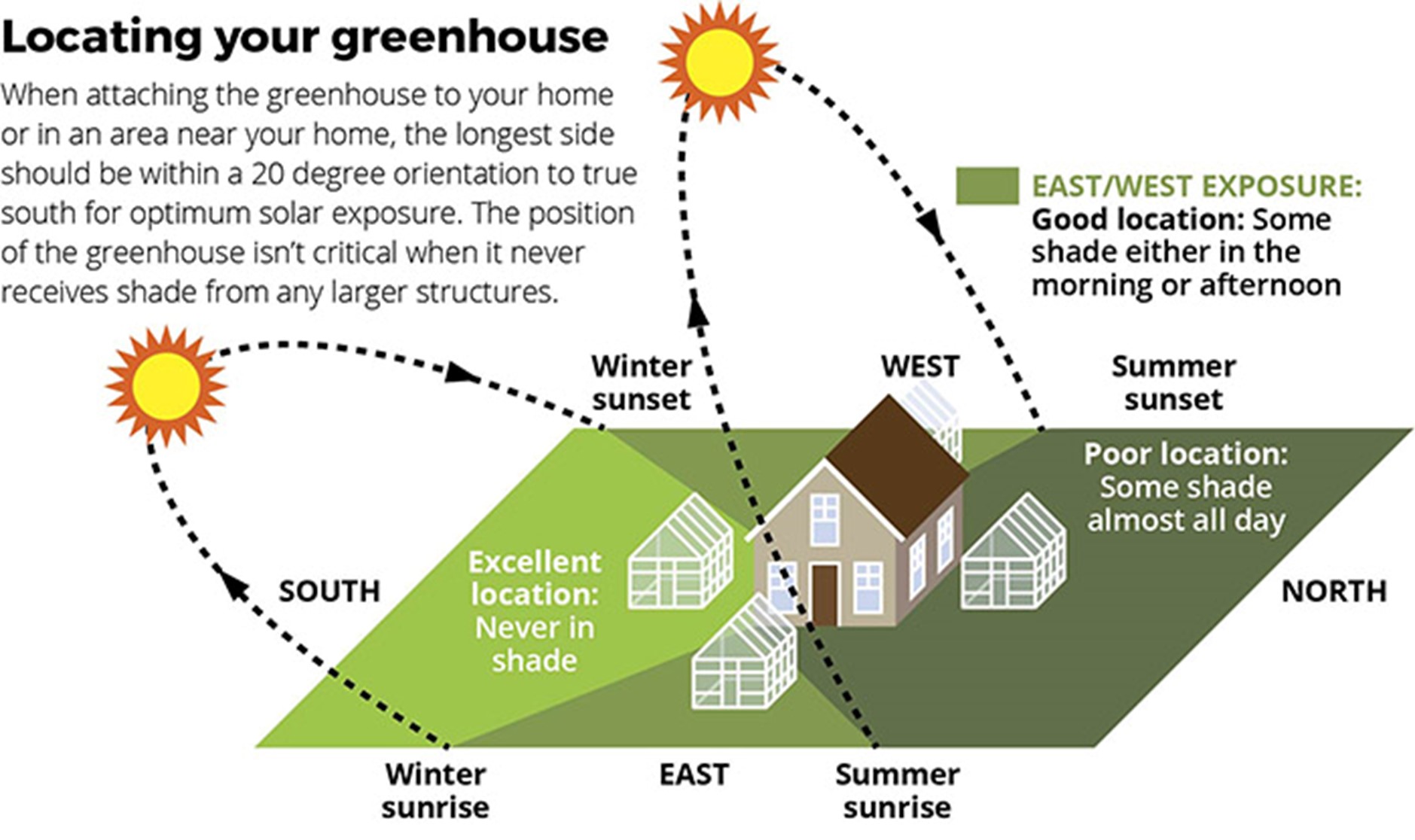
A greenhouse does not necessarily need to be in full sun all day. While it is important for a greenhouse to receive adequate sunlight to promote plant growth and photosynthesis, too much direct sunlight can lead to overheating and dehydration of plants. The ideal amount of sunlight can vary based on the types of plants being grown, the climate of the area, and the time of year.
Benefits of Full Sun in a Greenhouse
Having a greenhouse in full sun can provide several advantages:
- Increased Photosynthesis: Plants require light for photosynthesis, which is essential for their growth.
- Warmth Generation: Full sun helps maintain a warm temperature inside the greenhouse, which is especially beneficial in cooler climates.
- Enhanced Growth Rates: Adequate sunlight can lead to faster growth rates and larger yields for certain plants.
Risks of Full Sun Exposure
While there are benefits, there are also risks associated with full sun exposure:
- Overheating: High temperatures can stress plants and inhibit their growth.
- Water Loss: Excessive sunlight can lead to increased evaporation, requiring more frequent watering.
- Burning of Foliage: Some plants may suffer from leaf burn if they receive too much direct light.
Alternative Lighting Conditions
It is possible to create effective growing conditions without full sun:
- Partial Shade: Some plants thrive in partial shade, which can be provided naturally or through the use of shade cloths.
- Morning Sun, Afternoon Shade: This approach can protect plants from the intense afternoon sun.
- Supplemental Lighting: In low-light conditions, supplemental grow lights can help to ensure plants receive enough light.
Plant Selection Based on Sun Exposure
Choosing the right plants for your greenhouse is vital to its success:
- Sun-loving Plants: Vegetables like tomatoes and peppers thrive in full sun conditions.
- Shade-tolerant Varieties: Leafy greens and herbs often do well in less sunny conditions.
- Climate Considerations: Researching local climate patterns can help in selecting suitable plants.
Managing Temperature and Humidity
Proper management of temperature and humidity is crucial in a greenhouse:
- Ventilation: Ensure that the greenhouse has adequate ventilation to regulate temperature.
- Cooling Systems: Implement fans or cooling systems to combat overheating during hot days.
- Humidity Control: Use misters or humidifiers to maintain optimal humidity levels, especially in sunny conditions.
Do greenhouses stay warm overnight?

Greenhouses are designed to retain heat and create a controlled environment for plants. While they can stay warm overnight, the degree to which they maintain warmth largely depends on several factors, including the type of greenhouse, insulation, and external weather conditions.
Greenhouses capture solar energy during the day, which is then gradually released during the cooler nighttime hours. This ability to retain heat is influenced by the materials used in construction, the size and layout, and the presence of any additional heating systems, such as heating mats or thermal mass.
Factors Affecting Overnight Warmth
The effectiveness of a greenhouse in staying warm overnight can be impacted by various factors:
- Materials: The type of glazing used, such as glass, polycarbonate, or plastic, influences heat retention.
- Insulation: The insulation of the greenhouse structure helps minimize heat loss during colder nights.
- Weather Conditions: External temperatures and wind speed significantly affect heat retention.
Types of Greenhouses and Their Heat Retention
Different greenhouse types exhibit varying levels of heat retention:
- High tunnels: These typically have less insulation but can still retain heat effectively in moderate climates.
- Even-span and lean-to: These structures often feature better insulation and can be designed to capture more sunlight.
- Heated greenhouses: Incorporating heating systems enhances the ability to maintain temperatures even on the coldest nights.
Methods to Enhance Warmth During the Night
There are several methods to help maintain warmth in a greenhouse overnight:
- Use of thermal mass: Incorporating materials that absorb and store heat can help moderate temperature fluctuations.
- Weatherproofing: Ensuring all vents and openings are sealed can reduce heat loss.
- Heating systems: Utilizing portable heaters or electric mats can be beneficial in particularly cold conditions.
The Role of Plants in Temperature Regulation
Plants themselves can play a role in maintaining warmth:
- Transpiration: Evaporation from plants actually releases moisture that can help maintain warmth during the night.
- Soil temperature: Healthy soil can retain heat and release it slowly, warming the surrounding air.
- Humidity levels: Higher humidity can help moderate temperature swings, keeping the environment warmer at night.
Conclusion on Greenhouse Warmth
While not a conventional conclusion, it’s important to note that the maintenance of warmth in greenhouses overnight relies on specific design features, construction materials, and environmental factors. Adjusting these elements can help improve the overall thermal efficiency and ensure a more stable growing environment for plants.
Questions from Our Readers
Should you close your greenhouse at night?
It is generally advisable to close your greenhouse at night to maintain a stable temperature and protect your plants from cooler nighttime temperatures. Keeping the greenhouse closed helps to retain the heat accumulated during the day, preventing temperature fluctuations that can stress plants.
What are the benefits of closing the greenhouse at night?
Closing the greenhouse at night provides several benefits, such as temperature regulation, increased humidity, and protection from pests and harsh weather conditions. This controlled environment promotes healthier growth and can lead to better yields for your plants.
Are there any drawbacks to keeping the greenhouse closed overnight?
While closing the greenhouse at night has its advantages, there can be drawbacks, such as reduced air circulation, which may lead to humidity-related issues like mold or mildew. It's essential to monitor conditions and ensure that ventilation is adequate during the day to prevent these problems.
What should you consider before closing your greenhouse at night?
Before closing your greenhouse at night, you should consider factors like the outside temperature, humidity levels, and the specific needs of your plants. Some plants may require additional ventilation or may be sensitive to high humidity, so it's crucial to tailor your approach based on the conditions and plant types in your greenhouse.

If you want to read more articles like Should You Close Your Greenhouse at Night? Essential Tips for Optimal Plant Care, we recommend you check out our Greenhouse category.
Leave a Reply
Related Articles