Ultimate Guide: What Vegetable Grows Best in a Greenhouse? Discover the Top Options!
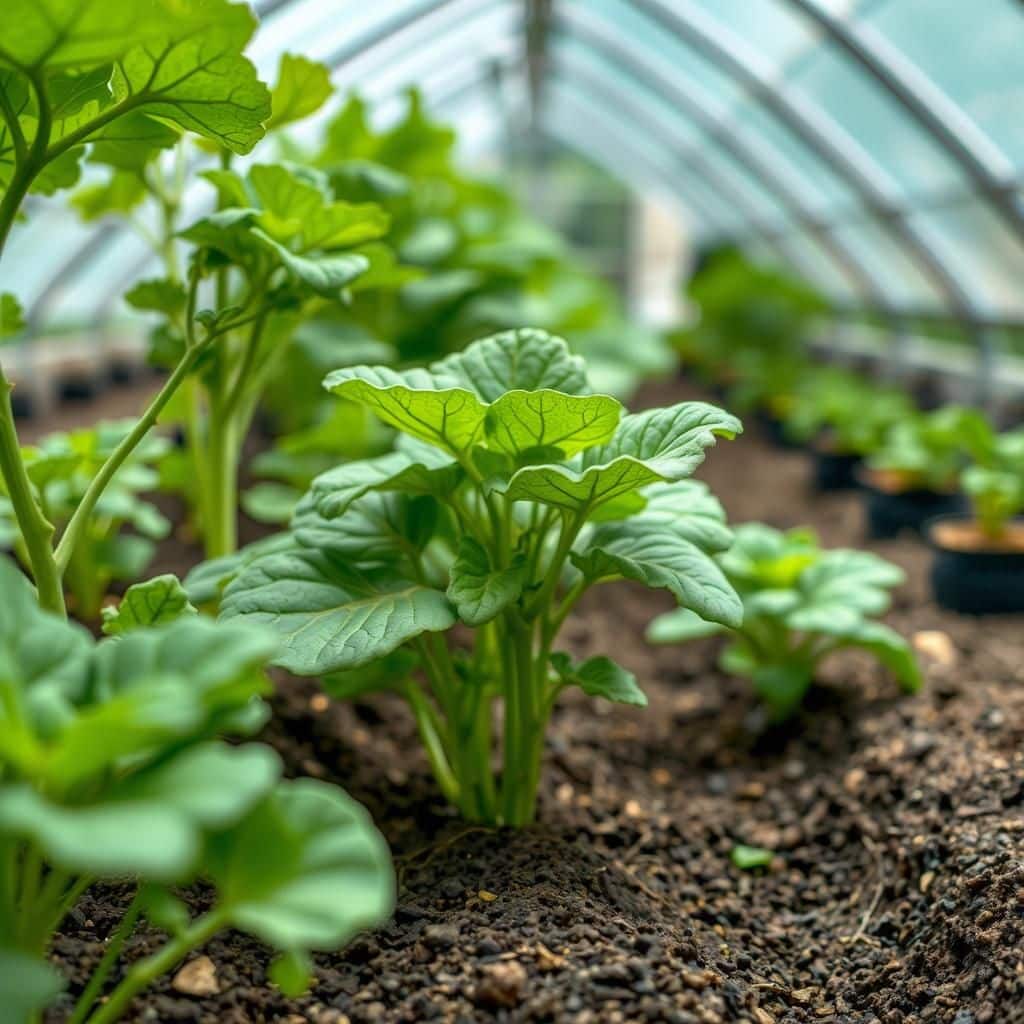
Growing vegetables in a greenhouse can be a rewarding and productive endeavor, allowing gardeners to extend their growing season and cultivate a diverse range of plants. However, not all vegetables thrive equally in greenhouse conditions. This ultimate guide will explore which vegetables are best suited for greenhouse cultivation, taking into account factors such as temperature, light, and humidity. From leafy greens to fruiting plants, you'll discover the top options that not only flourish but also yield impressive harvests. Whether you're a seasoned gardener or just beginning, find out how to maximize your greenhouse's potential with the right vegetable choices.
What Vegetable Grows Best in a Greenhouse?
A greenhouse provides an ideal environment for various vegetables, allowing for year-round production regardless of external weather conditions. Among the many options, one of the best vegetables to grow in a greenhouse is the tomato. Tomatoes thrive in warm temperatures and benefit from the controlled climate of a greenhouse, leading to earlier harvests and higher yields. Their quick growth cycle and diverse varieties make them particularly suited for this setting, and with proper care, they can continue producing until the end of the growing season.
Benefits of Growing Tomatoes in a Greenhouse
Growing tomatoes in a greenhouse provides numerous benefits, such as the ability to control temperature and humidity, protecting plants from pests and diseases. This controlled environment promotes healthier plants and increases the chances of harvesting ripe tomatoes earlier than those grown outdoors. Additionally, the protection from harsh weather improves yield rates, ensuring a more fruitful harvest.
Other Ideal Vegetables for Greenhouses
In addition to tomatoes, other vegetables such as peppers, cucumbers, and lettuce also perform exceptionally well in a greenhouse setting. Peppers enjoy the warm conditions, cucumbers grow quickly and require vertical space that greenhouses can accommodate, and lettuce benefits from the controlled moisture and temperature, which leads to crisp and tender leaves. Each of these vegetables can be grown in succession or simultaneously, maximizing greenhouse space.
Season Extension with Greenhouses
Greenhouses allow for season extension, enabling growers to cultivate crops outside of traditional growing seasons. For instance, vegetables like spinach and kale can be sown in early spring or late fall, thanks to the warmer temperatures inside the greenhouse. This extension not only increases the variety of vegetables grown but also allows farmers and gardeners to enjoy fresh produce for more months of the year.
Caring for Greenhouse Vegetables
Caring for vegetables in a greenhouse involves careful monitoring of their nutritional needs, lighting, and ventilation. Adequate watering and feeding schedules are crucial, along with ensuring that the plants receive enough light—whether through natural sunlight or supplemental grow lights. Proper ventilation is essential to prevent overheating and maintain humidity levels, creating an optimal growth environment for different vegetables.
Common Challenges in Greenhouse Vegetable Production
While greenhouses offer many advantages, growers often face challenges like maintaining pest management and potential disease outbreaks. The confined space can sometimes lead to increased humidity levels, making plants more susceptible to fungal infections. Implementing integrated pest management strategies and regularly monitoring plant health can help mitigate these challenges, ensuring successful greenhouse vegetable production.
| Vegetable | Optimal Temperature (°F) | Growth Period (Days) |
|---|---|---|
| Tomato | 70-80 | 60-85 |
| Peppers | 70-85 | 60-90 |
| Cucumber | 70-85 | 50-70 |
| Lettuce | 60-70 | 30-70 |
Optimal Conditions for Growing Vegetables in a Greenhouse
Growing vegetables in a greenhouse offers unparalleled control over the growing environment, allowing for optimum conditions that can significantly enhance plant health and yield. Factors such as temperature, humidity, and light can be closely monitored and adjusted to meet the unique needs of different vegetable species. Moreover, the use of a greenhouse can extend the growing season, providing even more opportunities for harvesting fresh produce year-round. Understanding the essential elements that contribute to a successful greenhouse environment is key to selecting the best vegetables to cultivate.
Temperature Regulation for Vegetable Growth
Temperature plays a critical role in the growth and development of vegetables in a greenhouse. Maintaining an ideal temperature range is essential; most vegetables thrive at temperatures between 70°F and 85°F (21°C to 29°C) during the day, while cooler temperatures at night can help improve flavor and reduce stress on the plants. Utilizing heating systems and ventilation strategies can help stabilize these temperatures, ensuring that plants are protected from both extreme heat and cold.
Humidity Control and Its Impact
Humidity levels significantly affect plant health in a greenhouse setting. High humidity can lead to fungal diseases, while low humidity can cause water stress. Ideal humidity levels typically range from 40% to 70%, depending on the specific vegetable species. Implementing regular watering schedules and using dehumidifiers or evaporative cooling systems can help maintain appropriate humidity levels, allowing for healthier plant growth and minimizing the risk of disease.
Choosing the Right Vegetables for Your Greenhouse
Selecting the most suitable vegetables for greenhouse cultivation depends on several factors, such as climate, available space, and desired yield. Popular options include tomatoes, peppers, cucumbers, and lettuce, as these vegetables adapt well to the controlled environment of a greenhouse. Researching each vegetable’s ideal growing conditions, such as light requirements and temperature preferences, will help ensure successful cultivation and maximize yields.
The Role of Lighting in Greenhouse Gardening
Proper lighting is essential for greenhouse vegetable growth, especially in regions with limited natural sunlight. Greenhouses should ideally receive at least 6 to 8 hours of direct sunlight per day for optimal plant development. In some cases, supplementary grow lights may be necessary to maintain adequate light levels, particularly during the winter months or for light-loving vegetables. Understanding the specific light requirements of each vegetable can help in planning effective light management strategies.
Pest Management Strategies in Greenhouses
Managing pests is crucial for maintaining a healthy greenhouse environment. Because greenhouses can create ideal conditions for certain pests, proactive measures must be taken to control their populations. This can include implementing integrated pest management techniques, utilizing natural predators, and employing physical barriers such as insect nets. Regular monitoring for signs of pest infestations allows for timely interventions, ensuring that vegetables remain healthy and productive throughout their growth cycle.
Questions from Our Readers
What vegetable grows best in a greenhouse?
The vegetable that often thrives best in a greenhouse is the tomato. Due to the controlled environment, tomatoes can benefit from ideal temperature and humidity levels, which promote healthy growth and fruit production.
Are there other vegetables that grow well in a greenhouse?
Yes, several other vegetables, such as cucumbers, peppers, and lettuce, also grow well in a greenhouse. These vegetables benefit from abundant sunlight and protection from harsh outdoor conditions.
How does a greenhouse affect the growing season of vegetables?
A greenhouse can extend the growing season of vegetables by providing a more stable climate, allowing for earlier planting in the spring and later harvesting in the fall. This controlled environment can significantly increase yield and help you grow varieties that may not survive outdoors.
What are the advantages of growing vegetables in a greenhouse?
The primary advantages of growing vegetables in a greenhouse include pest control, temperature regulation, and protection from weather fluctuations. A greenhouse helps to create optimal growing conditions, which can lead to healthier plants and higher yields.

If you want to read more articles like Ultimate Guide: What Vegetable Grows Best in a Greenhouse? Discover the Top Options!, we recommend you check out our Greenhouse category.
Leave a Reply
Related Articles