When Should I Add Cow Manure to My Garden? Essential Tips for Optimal Timing and Benefits
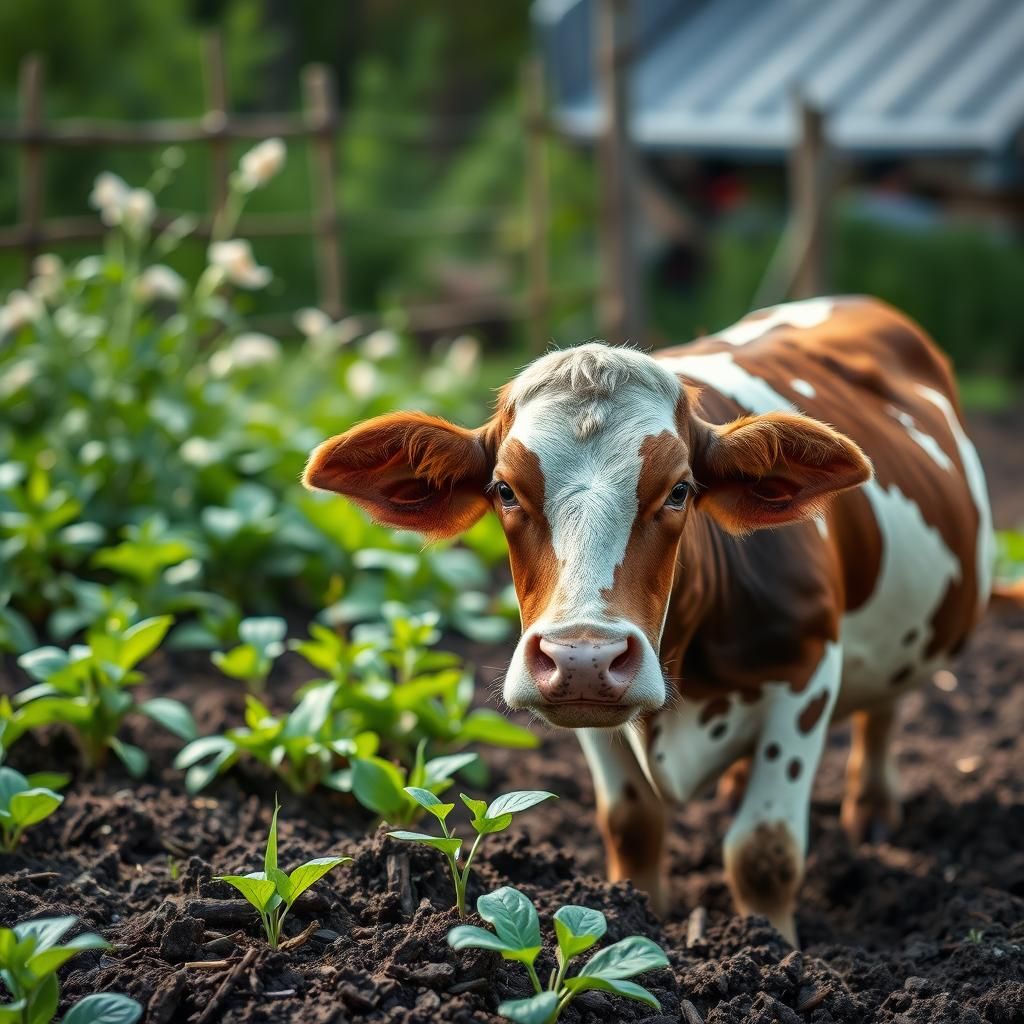
Adding cow manure to your garden can significantly enhance soil fertility and promote healthy plant growth. However, timing plays a crucial role in maximizing its benefits. Understanding when to incorporate this organic matter can prevent potential issues such as nutrient burn or slow decomposition. In this article, we will explore the essential tips for identifying the optimal timing to add cow manure to your garden, considering factors such as the type of plants being grown, seasonal changes, and soil conditions. By following these guidelines, you can ensure a thriving garden that reaps the full advantages of cow manure.
When Should I Add Cow Manure to My Garden?
Adding cow manure to your garden can significantly improve soil fertility and structure, but timing is crucial for maximizing its benefits. The best time to incorporate cow manure is during the fall after the harvest, allowing it to break down and enrich the soil before the growing season begins. Alternatively, you can also add it in the spring, a few weeks before planting, giving the nutrients time to become available to your plants. It is essential to make sure the manure is well-aged or composted, as this reduces the risk of pathogens and ensures that nitrogen is in a form that plants can absorb effectively.
Benefits of Adding Cow Manure
Adding cow manure brings numerous benefits to your garden, as it is rich in nutrients such as nitrogen, phosphorus, and potassium, which are essential for plant growth. This organic matter not only improves soil fertility but also enhances soil structure, promoting better drainage and aeration. Moreover, it encourages beneficial microbial activity in the soil, which is crucial for nutrient cycling and enhancing the overall health of the garden ecosystem.
Best Season for Application
The best season to apply cow manure is either in the fall or early spring. During the fall, adding it allows the manure to decompose and mix with the soil over the winter, making nutrients available when the growing season starts. In spring, it’s advisable to apply it a few weeks before planting, ensuring that the soil is enriched just in time for new growth. Timing is key for optimal plant uptake of nutrients.
How to Prepare Cow Manure
Proper preparation of cow manure is essential before adding it to your garden. It’s best to use well-composted manure that has aged for at least six months. This process reduces pathogens and makes the nutrients more accessible to plants. If using fresh manure, make sure it is applied well in advance of planting season, as fresh manure can generate excess heat and burn plants due to its high nitrogen content.
Application Methods
There are several ways to apply cow manure to your garden, with methods including top dressing, mixing into the soil, or creating compost tea. For top dressing, spread a layer of well-aged manure over the surface of the soil, which allows nutrients to percolate down. Alternatively, mixing it directly into the soil can provide immediate access to nutrients for young plants. Compost tea made from cow manure can be used as a liquid fertilizer, providing a nutrient boost without the potential risks associated with direct application of fresh manure.
Potential Risks of Using Cow Manure
While cow manure offers many benefits, there are also potential risks involved in its use. Fresh manure can carry pathogens that may pose a risk to human health if not handled properly. Moreover, applying too much manure can lead to nutrient runoff, polluting nearby waterways. To mitigate these risks, always use composted manure, apply it in moderation, and adhere to local regulations regarding organic waste applications in gardens.
| Aspect | Details |
|---|---|
| Timing | Fall or early Spring |
| Preparation | Well-composted for at least six months |
| Application Methods | Top dressing, mixing, compost tea |
| Benefits | Improves fertility, structure, and microbial activity |
| Risks | Pathogen presence, nutrient runoff |
When to put cow manure on garden?

When to Put Cow Manure on Garden?
Cow manure is an excellent organic fertilizer that can provide essential nutrients for plants and improve soil structure. The timing of applying cow manure to the garden is crucial to maximize its benefits and minimize potential problems.
Best Seasons for Application
Applying cow manure at the right time of year enhances its effectiveness. The optimal seasons for application are:
See also:
- Spring: In spring, as the soil begins to warm, applying cow manure helps to nourish plants as they start to grow. This is particularly beneficial for vegetables and flowering plants.
- Fall: In the fall, cow manure can be added to the garden during the off-season. This allows nutrients to break down over winter, enriching the soil for spring planting.
- During the Growing Season: For established plants, using cow manure as a side dressing during the growing season can provide necessary nutrients and maintain soil moisture.
Age of the Manure
The age of the cow manure plays a vital role in its application. Fresh manure can be too strong and may harm plants, so consider the following:
- Composted Manure: Using composted cow manure is advisable as it's aged, reducing the risk of pathogens and nutrient burn.
- Fresh Manure: If using fresh cow manure, apply it at least several months before planting to allow it to decompose and minimize odors.
- Storage Time: Keeping cow manure for at least six months before using it can lead to better results, as it allows for proper breakdown of nutrients.
Soil Temperature and Moisture
The condition of the soil also factors into when you should apply cow manure. Check these conditions before application:
- Soil Temperature: When the soil temperature reaches above 50°F (10°C) in spring, it's a good time to apply cow manure as plants will be actively growing.
- Moisture Level: Ensure the soil is moist but not saturated. Too much water can cause nutrients to leach away, while dry soil may not allow proper incorporation of manure.
- Soil Testing: Conduct a soil test before applying manure, as it helps determine existing nutrient levels, allowing for balanced fertilization.
Type of Crops Being Grown
The types of crops in your garden influence when to apply cow manure. Different plants have different requirements:
- Fruiting Plants: Apply manure before planting or early in the growth stage to ensure that fruiting plants have the necessary nutrients to develop.
- Leafy Greens: Leafy vegetables benefit from manure applied in early spring as they require high nitrogen content for lush growth.
- Root Vegetables: For root crops, apply cow manure in the fall, allowing it to decompose and enrich the soil for the planting season.
Application Methods
There are various methods to apply cow manure effectively. Choosing the right method can enhance its benefits:
- Broadcasting: This involves spreading the manure evenly over the garden and tilling it into the soil, promoting even nutrient distribution.
- Row Application: For specific crop rows, placing manure directly in the planting trenches can concentrate nutrients where they are most needed.
- Top Dressing: Applying manure on top of the soil during the growing season can provide ongoing nutrition and improve soil moisture retention.
What vegetables don't like cow manure?

Cow manure is a popular organic fertilizer that is rich in nutrients; however, not all vegetables thrive when grown in soil enriched with it. Some crops are sensitive to certain elements found in cow manure, particularly in its fresh form, which can lead to undesirable effects on their growth and flavor.
Vegetables Sensitive to High Nitrogen Levels
Many vegetables are sensitive to the high nitrogen levels present in fresh cow manure. Excessive nitrogen can lead to lush green foliage at the expense of fruit or root development.
- Tomatoes: High nitrogen can cause tomato plants to produce more leaves than fruits.
- Peppers: Similar to tomatoes, peppers may also experience poor fruit set due to excess nitrogen.
- Cucumbers: These tend to grow too fast and may develop a high water content with less flavor.
Root Vegetables Affected by Cow Manure
Root vegetables, in particular, can struggle in soil that has not been well-composted or that contains too much nitrogen from fresh manure. The risk is that they may become malformed or not develop properly.
- Carrots: Fresh cow manure can lead to forked or stunted carrot roots.
- Beets: Beets may also suffer from poor rooting in nutrient-rich, fresh manure.
- Radishes: These can become pithy and hollow, rather than crisp.
Leafy Greens and Manure
While leafy greens generally enjoy nutrient-rich soils, the application of fresh cow manure can lead to excessive growth and a decline in flavor.
- Lettuce: Can grow too quickly, resulting in less taste and a more bitter profile.
- Spinach: Often produces large, nitrogen-rich leaves that lack flavor.
- Kale: Similar issues with overly lush leaves that can become tough.
Fruit-Bearing Vegetables and Cow Manure
For fruit-bearing vegetables, the timing and type of fertilizer application is crucial to ensure successful yield. Fresh cow manure can negatively impact their development.
- Squash: May produce more vines and leaves than fruit if too much nitrogen is present.
- Eggplant: Can build lush foliage and reduce flowering.
- Melons: Excess nutrients can result in poor fruit sizing and sweetness.
Best Practices for Using Cow Manure
To maximize the benefits while minimizing negative impacts, it's important to manage how cow manure is applied to your garden. Proper handling can lessen risks associated with fresh manure.
See also:
- Composting: Always compost cow manure before adding it to the garden to reduce nutrient levels.
- Timing: Apply manure during off-seasons to allow nutrients to settle into the soil.
- Soil Testing: Regular soil tests help determine specific nutrient needs and avoid excessive fertilization.
What is the best month to add manure to soil?

The best month to add manure to soil largely depends on the type of manure being used and the specific agricultural practices of a region. However, many farmers and gardeners generally recommend adding manure in the fall or spring, as these seasons provide optimal conditions for nutrient absorption and microbial activity.
Importance of Timing When Applying Manure
Applying manure at the right time is crucial for maximizing its benefits. Timing ensures that the nutrients in the manure are available when plants need them most. The two main seasons, fall and spring, are preferred due to:
- Nutrient Release: Manure can decompose and release nutrients before the growing season.
- Soil Condition: Cooler autumn temperatures help nutrients remain in the soil longer.
- Microbial Activity: Higher activity rates in the spring support nutrient cycling.
Benefits of Adding Manure in Fall
Applying manure in the fall allows it to integrate into the soil before winter. This has several benefits:
- Soil Structure: Fall application improves soil structure by enhancing organic matter content.
- Reduced Runoff: Nutrients are less likely to be washed away with snowmelt or heavy rains.
- Microorganism Development: Beneficial microorganisms have time to break down nutrients over winter.
Advantages of Spring Manure Application
Spring application of manure is also widely practiced and offers unique advantages:
- Immediate Nutrient Availability: Nutrients in manure are readily available when plants begin to grow.
- Increased Plant Demand: As plants start to leaf out, they require more nutrients.
- Temperature Conditions: Warmer temperatures promote faster decomposition and nutrient release.
Type of Manure and Its Effects
The type of manure used can also influence the best timing for application. Different manures have varying decomposition rates and nutrient profiles:
- Animal Manure: Chicken, horse, and cow manure each provide different nutrient levels and breakdown speeds.
- Compost vs. Raw Manure: Compost is often safer to apply in any season as it’s broken down, whereas raw manure may require caution.
- Liquid Manure: Typically needs immediate incorporation into the soil to prevent nutrient loss.
Local Climate Considerations
Local climate conditions heavily influence when to add manure. Factors such as rainfall, temperature, and growth cycles can change optimal periods:
- Rainfall Patterns: Regions with heavy rainfall might benefit from fall applications to minimize nutrient runoff.
- Frost Dates: Knowing the local last frost date can help determine the safest spring application time.
- Growing Seasons: Areas with shorter growing seasons may require earlier applications for nutrient preparation.
Questions from Our Readers
When is the best time to add cow manure to my garden?
Adding cow manure to your garden is best done in the spring or fall. Applying it in the spring allows nutrients to be available for the growing season, while fall application gives it time to decompose and enrich the soil before planting.
How should I prepare cow manure before using it in my garden?
Before using cow manure, it’s important to compost it to kill any pathogens and weed seeds. Allow the manure to decompose for at least several months to ensure it is safe and beneficial for your garden plants.
What benefits does cow manure provide to my garden?
Cow manure acts as a natural fertilizer, providing essential nutrients like nitrogen, phosphorus, and potassium. It also improves soil structure, enhances water retention, and promotes beneficial microbial activity in the soil.
Can I use fresh cow manure directly in my garden?
Using fresh cow manure directly in your garden is not recommended, as it may contain harmful pathogens and can lead to nutrient burn. It's best to allow it to age or compost it first for safer and more effective use.
See also:

If you want to read more articles like When Should I Add Cow Manure to My Garden? Essential Tips for Optimal Timing and Benefits, we recommend you check out our Compost category.
Leave a Reply
Related Articles