Can I Fill a Raised Bed with Just Compost? Essential Tips for Optimal Gardening
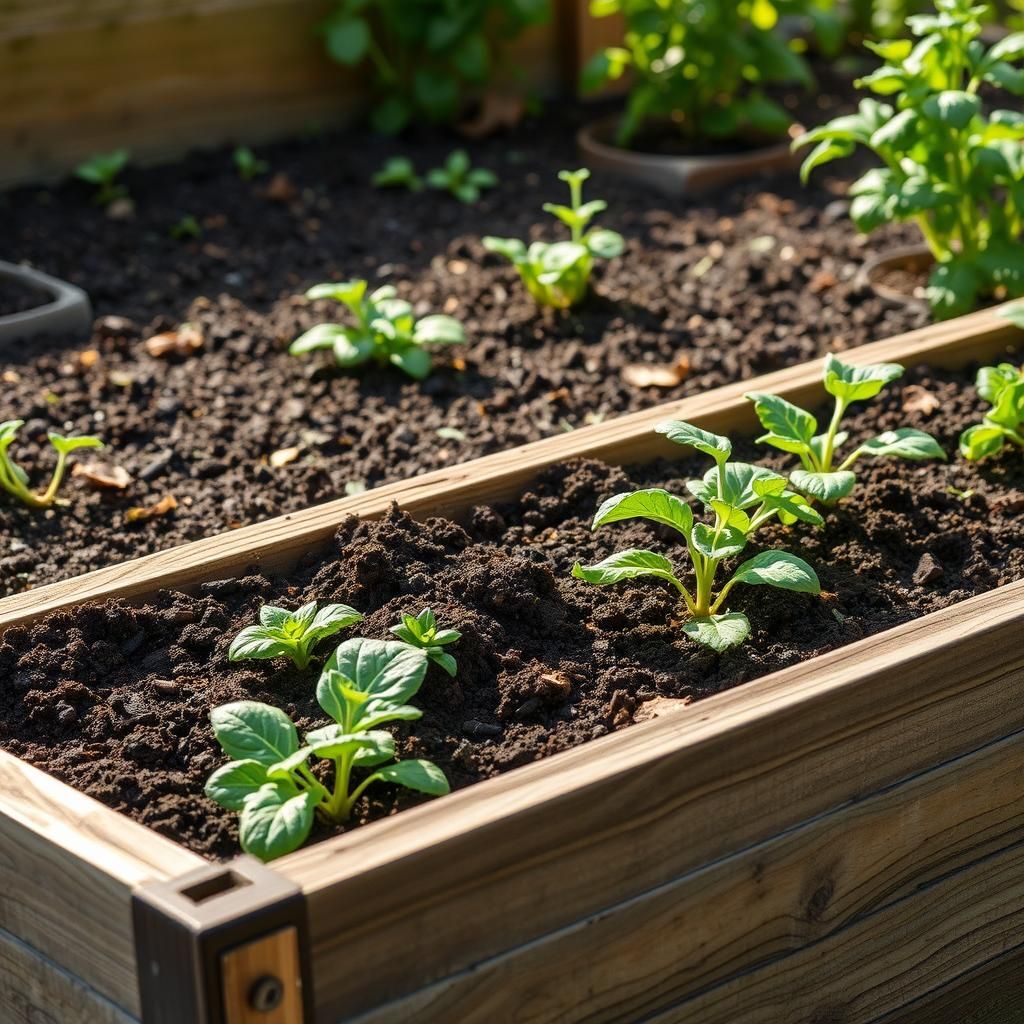
Growing a productive garden in raised beds is a popular choice among gardeners, but the soil composition can significantly impact plant health and yield. One common question arises: Can I fill a raised bed with just compost? While compost is an excellent amendment that enriches soil with nutrients, relying solely on it may not provide the balance needed for optimal plant growth. This article will explore the benefits and drawbacks of using only compost, and offer essential tips for creating a well-rounded growing medium that supports healthy plants and thriving gardens. Discover the best practices for achieving gardening success!
Can I Fill a Raised Bed with Just Compost?
Filling a raised bed entirely with compost may not be the best option for plant growth and soil health. While compost provides essential nutrients and improves soil structure, using it alone can lead to issues such as nutrient leaching and the compaction of the material over time. It is usually recommended to mix compost with other materials, like topsoil or coconut coir, to create a well-balanced growing medium that retains moisture, enables adequate drainage, and sustains healthy root development.
Benefits of Using Compost in Raised Beds
Using compost in raised beds offers several advantages, including enhanced soil fertility due to its rich nutrient content. It improves the soil structure, increases water retention, and encourages beneficial microbial activity that helps plants thrive. Additionally, compost can suppress certain plant diseases and pests, making it a valuable amendment for organic gardening.
Potential Issues with Using Only Compost
While compost is beneficial, relying solely on it can create problems. Over time, it can compress, reducing aeration and limiting root growth. Furthermore, without the mix of other materials, the soil may lack critical components, such as minerals present in topsoil, which are necessary for plant health. This can lead to nutrient imbalances and deficiencies that affect plant vigor.
Best Practices for Filling Raised Beds
To achieve the best results when filling a raised bed, consider layering different materials rather than using only compost. A popular approach is to mix one-third compost with two-thirds topsoil or another inert material like perlite or vermiculite. This combination not only provides a balanced nutrient profile but also enhances drainage and air circulation, essential for healthy root systems.
Alternatives to Pure Compost
If avoiding pure compost, consider mixing it with alternatives like well-rotted manure, coconut coir, or leaf mold. Each of these materials contributes unique benefits, such as improving moisture retention and supplying a broader range of nutrients. Creating a blend can significantly enhance the soil quality and promote robust plant growth and sustainability.
How to Maintain Soil Quality in Raised Beds
Maintaining soil quality in raised beds requires regular attention to amendments and soil health. Add organic matter, such as compost, annually, and consider incorporating cover crops during the off-season to prevent soil erosion and maintain nutrient levels. Regular checks for pH and nutrient content will also help ensure that the growing medium remains conducive to producing vibrant and healthy plants.
| Material | Benefits |
|---|---|
| Compost | Rich in nutrients, enhances microbial activity |
| Topsoil | Provides essential minerals and physical structure |
| Coconut coir | Improves moisture retention and aeration |
| Perlite | Increases drainage and aeration |
| Leaf mold | Enhances soil structure and moisture retention |
Can I fill my raised garden beds with compost?
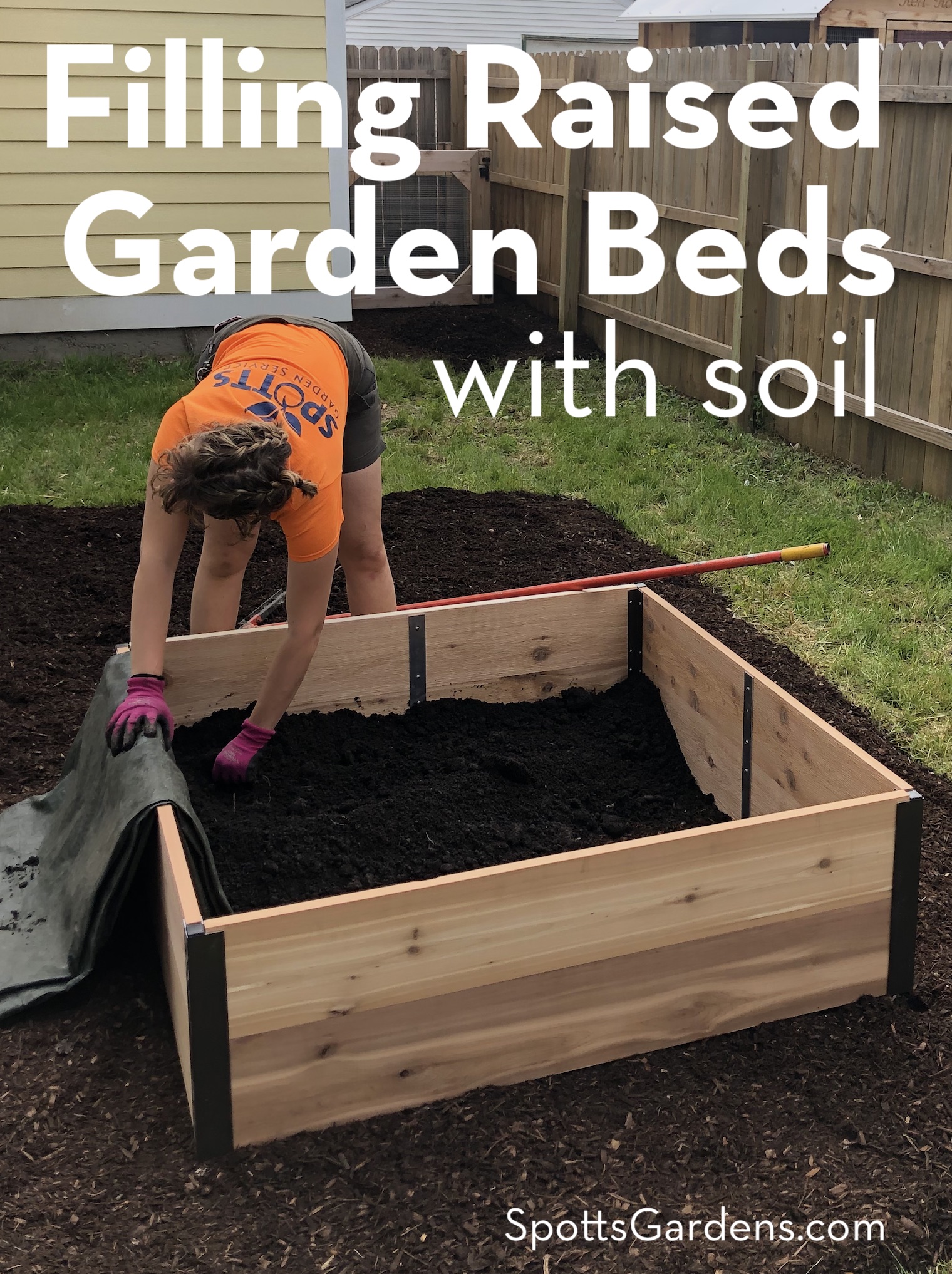
Yes, you can fill your raised garden beds with compost. In fact, compost is an excellent addition to raised garden beds as it provides essential nutrients, improves soil structure, and promotes healthy plant growth. However, there are several important factors to consider regarding the composition of the compost and the overall soil structure in your raised beds.
Benefits of Using Compost in Raised Garden Beds
Using compost in raised garden beds offers numerous benefits that can enhance your gardening experience:
See also:
- Nutrient-Rich: Compost is full of essential nutrients that plants need to thrive, including nitrogen, phosphorus, and potassium.
- Improved Soil Structure: Incorporating compost improves soil texture, making it easier for roots to penetrate the soil while also improving water retention.
- Microbial Activity: Compost encourages beneficial microbial activity, which helps break down organic matter and suppresses soil-borne diseases.
Choosing the Right Compost
Not all compost is created equal, so it's essential to choose the right type for your raised garden beds:
- Quality Ingredients: Opt for compost made from high-quality organic materials such as kitchen scraps, yard waste, and manure.
- Decomposed Matter: Ensure the compost is fully decomposed, as unfinished compost can introduce harmful organisms and heat that may damage plants.
- pH Balance: Check the pH level of the compost. Ideally, it should be around 6.0 to 7.0 for most garden plants.
How to Incorporate Compost into Your Raised Beds
Incorporating compost into your raised beds requires a thoughtful approach:
- Layering Method: Create layers by mixing compost with existing soil or adding it on top of the soil as a mulch.
- Soil-to-Compost Ratio: A good mix is about one-third compost to two-thirds existing soil, which helps maintain structure and prevents compaction.
- Regular Refreshing: Top-dress your beds with compost annually to replenish nutrients and maintain soil health.
Potential Issues with Too Much Compost
While compost is beneficial, using too much can lead to issues in your raised garden beds:
- Nutrient Imbalance: Excess compost may result in an oversupply of nutrients, leading to nutrient lockout or imbalanced growth.
- Compaction: Adding too much compost can make the soil too dense, reducing aeration and water infiltration.
- Moisture Retention: High compost content can hold too much moisture, potentially causing root rot or fungal diseases.
Best Practices for Compost Maintenance
Maintaining your compost wisely will ensure its effectiveness for your raised beds:
- Aerate Regularly: Turn your compost pile periodically to provide oxygen, which enhances decomposition.
- Moisture Control: Keep the compost pile moist but not soggy; it should be damp like a wrung-out sponge.
- Add Diverse Materials: Mix different organic materials such as greens and browns to create a balanced compost composition.
Can you just use compost as soil?

Using compost as soil is a common question among gardeners and landscapers. While compost is a valuable organic material that can greatly improve soil quality, using it as the sole medium for planting is not always advisable. Here are several factors to consider when thinking about using compost exclusively as soil.
What is Compost?
Compost is a decomposed organic material that enriches the soil. It is created through the breakdown of various organic matter such as kitchen scraps, yard waste, and other plant materials. The resulting product is a nutrient-rich substance that can improve soil structure, moisture retention, and overall fertility. However, compost alone may lack the necessary physical structure required for healthy plants.
- Nutrient Composition: Compost contains nitrogen, phosphorus, and potassium, but the levels may vary.
- Microbial Activity: Compost is rich in beneficial microbes that enhance soil health, but it's essential to maintain balance.
- Physical Characteristics: Pure compost can become compacted and affect root development if not mixed with other materials.
Benefits of Using Compost
Using compost can provide numerous benefits for your plants and garden soil. It enhances soil fertility and promotes healthier plant growth. When mixed with existing soil, compost helps to create a balanced medium.
- Improves Soil Structure: Compost helps aerate soil and enhances drainage.
- Increases Water Retention: It retains moisture, which is beneficial in dry conditions.
- Promotes Healthy Microbial Life: Compost introduces and sustains beneficial microorganisms essential for plant health.
Disadvantages of Using Only Compost
While the advantages of compost are substantial, relying on it entirely can lead to several issues. Understanding these drawbacks is crucial for successful gardening.
- Potential Imbalance: Using only compost can lead to nutrient imbalances, affecting plant growth.
- Compaction Issues: Pure compost can compact over time, leading to root problems and poor drainage.
- Resource Limitation: High-quality compost may be limited, making it less practical for large areas.
Ideal Ratios for Mixing Compost with Soil
For optimal results, it’s advisable to mix compost with existing soil rather than using it alone. Often, a ratio of compost to soil is recommended for balanced nutrient availability and structure.
See also:
- 20-30% Compost: This mixture allows plants to benefit from nutrients while retaining good soil structure.
- 50% Compost for Garden Beds: For raised beds, a mix with a higher percentage can be beneficial.
- Adjust Based on Plant Needs: Vegetable gardens may require different ratios than flower beds.
Best Practices for Using Compost in Gardening
When applying compost in your garden, certain practices can maximize its benefits while mitigating potential issues. Understanding these methods can lead to better results.
- Test Soil Before Application: Conduct a soil test to determine nutrient levels and deficiencies.
- Layering Technique: Incorporate compost into the top layers rather than using it solely.
- Regularly Turn Your Compost: Ensure even decomposition and prevent compaction in your compost pile.
Can you fill a planter with just compost?

Yes, you can fill a planter with just compost, but there are several considerations to keep in mind to ensure that your plants remain healthy and thrive. Compost is rich in organic matter and nutrients, making it an excellent choice for enhancing soil quality. However, using compost alone may lead to certain issues, such as drainage and nutrient availability.
Understanding Compost
Compost is a decomposed organic material that provides essential nutrients for plants. It is created from kitchen scraps, yard waste, and other biodegradable materials. The process of decomposition breaks down these materials, resulting in a rich, dark substance that resembles soil. The benefits of using compost include:
- Improved soil structure
- Enhanced moisture retention
- Increased nutrient availability
Drainage Concerns
One significant issue with using only compost in planters is the potential for poor drainage. If compost retains too much moisture, it can lead to root rot and other issues. To mitigate this, consider the following tips:
- Mix compost with coarse materials like perlite or sand.
- Ensure the planter has adequate drainage holes.
- Monitor water levels to prevent over-saturation.
Nutrient Balance
While compost is nutrient-rich, it may not provide a balanced nutrient profile for all plants. Some plants may require additional nutrients that compost alone cannot fulfill. Here are steps to maintain nutrient balance:
- Test your compost for nutrient levels.
- Incorporate slow-release fertilizers if necessary.
- Choose plants that are suitable for nutrient levels in compost.
Plant Selection
Certain plants may perform better in pure compost than others, making plant selection crucial. When choosing plants, consider:
- Opt for heavy feeders that thrive in nutrient-rich environments.
- Choose plants that require less drainage and can tolerate moisture.
- Research specific requirements of the plants you intend to grow.
Long-Term Sustainability
Using compost alone in a planter can lead to an eventual decline in soil health over time. As plants use the nutrients, they may become depleted. To ensure long-term sustainability:
- Regularly replenish the compost as it breaks down.
- Rotate crops to allow for soil recovery.
- Incorporate other organic matter to maintain nutrient levels.
Questions from Our Readers
Can I fill a raised bed with just compost?
Filling a raised bed with just compost is not recommended, as compost alone may not provide the necessary structure for plant growth. While compost is rich in nutrients, it can compact over time, leading to poor drainage and aeration. A mix of compost with other materials like topsoil or peat moss is ideal for optimal plant health.
What are the benefits of mixing compost with soil in a raised bed?
Mixing compost with soil in a raised bed enhances nutrient availability while improving soil texture and structure. This combination promotes better drainage and aeration, which are crucial for healthy root development. Furthermore, it helps to sustain the soil's moisture levels, making it more resilient to temperature fluctuations.
See also:
How often should I add compost to my raised bed?
It's generally advisable to add compost to your raised bed once a year, ideally in the spring before planting. This ensures that the soil remains rich in nutrients and helps replenish the organic matter that may have broken down over time. Regularly assessing your soil will help you determine if more compost is needed throughout the growing season.
Can I use store-bought compost for my raised bed?
Yes, you can use store-bought compost for your raised bed, but ensure it's from a reputable source and meets quality standards. Look for compost that is free from contaminants and has been properly aged or processed to avoid introducing pathogens or weed seeds. Mixing it with other components like soil or mulch can optimize its effectiveness.

If you want to read more articles like Can I Fill a Raised Bed with Just Compost? Essential Tips for Optimal Gardening, we recommend you check out our Compost category.
Leave a Reply
Related Articles