Ultimate Vegetable Planting Guide Western Australia: Tips for Successful Gardening

Gardening in Western Australia presents unique challenges and opportunities due to its diverse climate and soil types. This ultimate vegetable planting guide is designed to equip both novice and experienced gardeners with essential tips for successful gardening in the region. From selecting the right seedlings to understanding local growing conditions, this guide will provide valuable insights to help you cultivate a thriving vegetable garden. Whether you're aiming for a bountiful harvest or simply wanting to enhance your outdoor space, these strategies will ensure your gardening efforts are fruitful and enjoyable. Get ready to dig in and grow!
Vegetable Planting Guide for Western Australia
In Western Australia, climate and soil conditions vary significantly across regions, making it essential for gardeners to tailor their vegetable planting strategies accordingly. The Mediterranean climate experienced in many areas allows for a wide variety of vegetables to be grown effectively throughout the year, particularly in temperate seasons. In coastal regions, the milder temperatures provide excellent growing conditions for a diverse array of vegetables such as tomatoes, cucumbers, and zucchinis. It's important to consider local microclimates, soil types, and rainfall patterns when planning your planting schedule to ensure the best possible yield and crop success.
Best Time to Plant Vegetables
The optimal planting time varies by vegetable type and is influenced by seasonality in Western Australia. Generally, spring is ideal for planting warm-season crops like tomatoes and corn, while cooler-season crops, such as peas and broccoli, thrive during the autumn and winter months. Understanding the frost dates specific to your region will help determine the best time frames for planting different types of vegetables and ensure a successful harvest.
Soil Preparation Techniques
Proper soil preparation is crucial for successful vegetable gardening in Western Australia. Begin by testing your soil pH and nutrient levels to identify any deficiencies. Adding organic matter, such as compost or well-rotted manure, can significantly improve soil texture and fertility. Incorporating mulch can help retain moisture and suppress weeds, making it easier to maintain healthy plants throughout their growing season.
Choosing the Right Varieties
Selecting the right vegetable varieties suited to the local climate enhances the chances for a fruitful garden. In Western Australia, consider varieties that are known for their drought tolerance and heat resistance, such as eggplants and sweet potatoes. Furthermore, choosing local cultivars that have adapted to the region's conditions can improve pest resistance and overall yields, allowing for a more sustainable gardening approach.
Watering Practices
Effective watering practices are vital for maintaining healthy vegetables in Western Australia’s varied climates. Drip irrigation or soaker hoses can deliver water directly to the root zone, minimizing evaporation losses and promoting deep root growth. It's essential to water early in the morning or late in the afternoon to reduce evaporation and ensure that your plants receive adequate moisture, especially during the hot summer months.
Pest and Disease Management
Pest and disease management is important in ensuring that your vegetable garden thrives in Western Australia. Implementing integrated pest management (IPM) strategies can minimize the impact of pests without overly relying on chemicals. This includes crop rotation, companion planting, and encouraging beneficial insects. Regular diagnosis and monitoring of your plants will help identify any issues early, thus allowing for timely and effective interventions.
| Vegetable | Planting Time | Harvest Time |
|---|---|---|
| Tomatoes | Spring | Summer |
| Broccoli | Autumn | Winter |
| Carrots | Spring | All Year |
| Cucumbers | Spring | Summer |
| Peas | Autumn | Winter |
What is the best layout for a vegetable garden in Australia?

The best layout for a vegetable garden in Australia takes into account various factors such as climate, available space, soil type, and the specific vegetables you wish to grow. Different regions in Australia have varied climates ranging from tropical to temperate, which influences which vegetables grow best and how they should be arranged. Below is a comprehensive guide to the best layout for a vegetable garden in Australia.
Understanding Climate Zones
Understanding the different climate zones across Australia is crucial in planning your vegetable garden layout. Regions like Queensland have a subtropical climate, while Victoria is more temperate. Here are some considerations:
- Subtropical Zones: Plant heat-tolerant vegetables like tomatoes, peppers, and eggplants.
- Temperate Zones: Grow cooler-season crops such as broccoli, spinach, and carrots.
- Desert Areas: Emphasize drought-resistant varieties and employ a drip irrigation system.
Choosing the Right Garden Layout
Selecting the ideal garden layout is pivotal for maximizing space and ensuring healthy plant growth. The following layouts are popular in Australia:
- Raised Beds: Ideal for improving drainage and soil quality, raised beds are easy to manage and can be constructed to any size.
- Square Foot Gardening: Perfect for small spaces, this method divides the garden into square sections for efficient planting.
- Row Gardening: Traditional but effective, rows allow for easy access and maintenance for larger areas.
Soil Preparation Techniques
Preparing the soil is essential for a successful vegetable garden. Proper soil preparation contributes to healthy plant growth and higher yields. Important techniques include:
See also:
- Soil Testing: Determine pH and nutrient levels to amend the soil appropriately.
- Add Organic Matter: Incorporate compost or well-rotted manure to enrich the soil.
- Mulching: Apply a layer of organic mulch to retain moisture and suppress weeds.
Ideal Plant Groupings
Grouping plants based on their needs can enhance growth and yield. Companion planting can also deter pests. Consider these groupings:
- Herbs with Vegetables: Plant basil with tomatoes or carrots with onions to improve growth.
- Leafy Greens: Group lettuces and spinach together, as they share similar watering needs.
- Root Vegetables: Carrots, beets, and radishes can be planted in close proximity as they utilize the soil differently.
Watering and Irrigation Systems
In Australia, managing water use is critical, especially in drier regions. Efficient watering methods help sustain your vegetable garden. Recommended practices include:
- Drip Irrigation: This system delivers water directly to the roots, reducing evaporation and wastage.
- Rainwater Harvesting: Collect rainwater for irrigation, which is eco-friendly and cost-effective.
- Timing: Water your garden early in the morning or late in the afternoon to minimize evaporation.
In what order should you plant a vegetable garden?
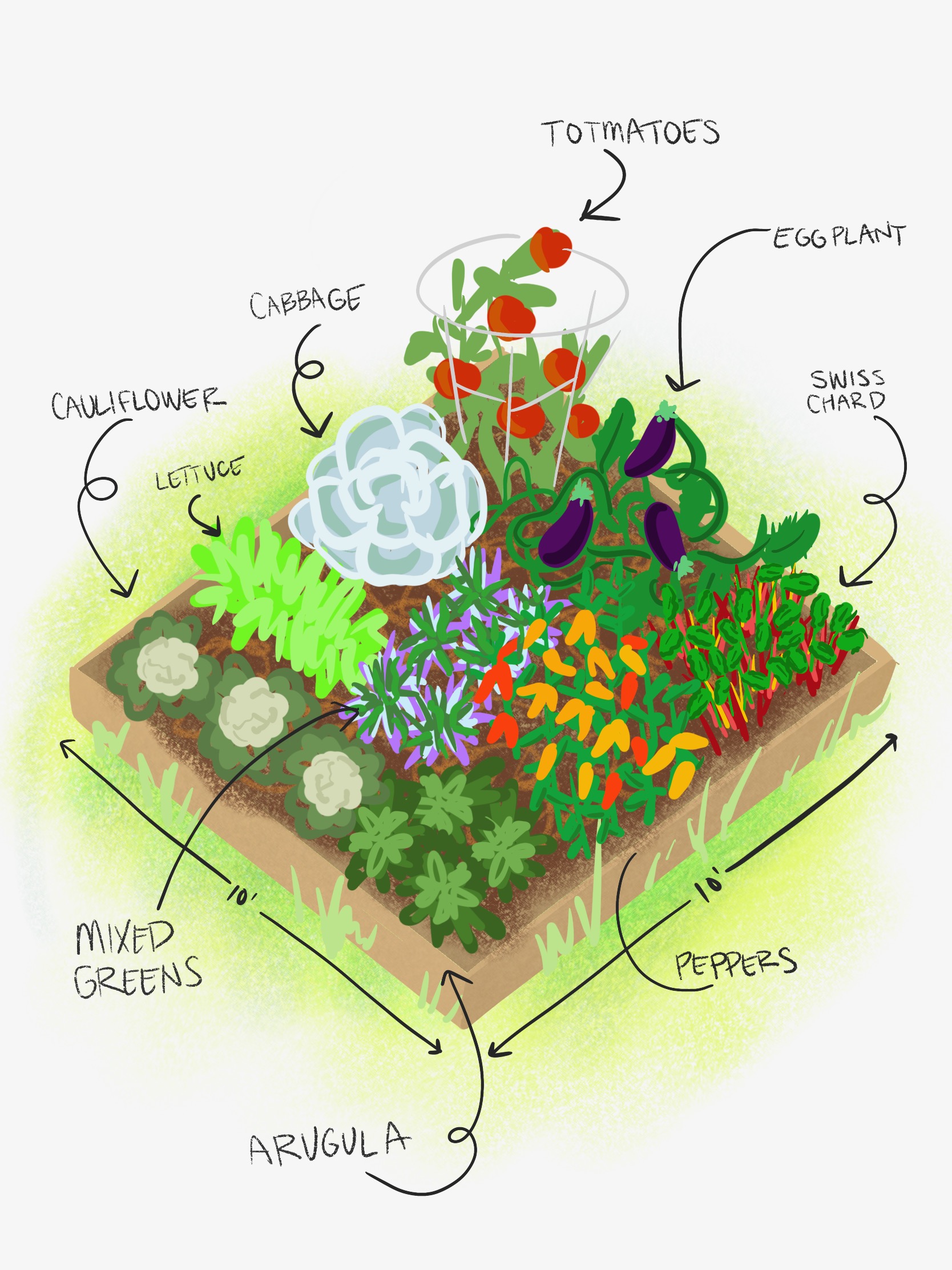
To plant a vegetable garden effectively, it’s essential to follow a specific order that considers the growth patterns, compatibility, and needs of different plants. Here’s a detailed breakdown of the steps to follow, categorized into five key phases.
1. Plan Your Garden Layout
Planning is crucial before planting anything. A well-thought-out layout ensures that each vegetable gets the proper sunlight, space, and access to nutrients.
- Determine the garden size: Assess how much space you have and how many plants you want.
- Choose sun exposure: Most vegetables need at least 6 to 8 hours of direct sunlight.
- Consider plant compatibility: Group plants that grow well together and can benefit from each other, such as tomatoes and basil.
2. Prepare the Soil
Soil preparation is a fundamental step that promotes healthy vegetable growth. Properly prepared soil will ensure that plants receive adequate water and nutrients.
- Test the soil: Conduct a soil test to check pH and nutrient levels.
- Amend the soil: Add organic matter such as compost or well-rotted manure.
- Till the soil: Break up the soil to improve aeration and drainage.
3. Plant Cool-Weather Crops First
Timing is essential in gardening. Cool-weather crops can be planted early in the season, taking advantage of spring’s cooler temperatures.
- Choose early varieties: Opt for crops like peas, lettuce, and radishes.
- Sow seeds directly: Many cool-weather crops can be seeded directly into the ground.
- Monitor frost dates: Be aware of the last frost date in your area to ensure proper planting times.
4. Introduce Warm-Weather Crops
Once the threat of frost has passed, it's time to plant warm-weather crops that thrive in hotter conditions.
- Select suitable crops: Choose plants like tomatoes, peppers, and cucumbers.
- Transplant as needed: If you’ve started seeds indoors, harden them off before placing them in the garden.
- Space adequately: Ensure proper spacing to facilitate airflow and reduce the risk of disease.
5. Maintain Your Garden
Once your garden is planted, ongoing maintenance is crucial for a successful harvest. Regular attention to your plants will help you achieve optimal growth.
- Water consistently: Ensure even moisture, especially in the initial growth stages.
- Weed regularly: Remove weeds that compete with your vegetables for nutrients and water.
- Fertilize appropriately: Use organic fertilizers based on the needs of your plants throughout the growing season.
What is the easiest vegetable to grow in Australia?

The easiest vegetable to grow in Australia is generally considered to be lettuce. It thrives in the temperate climate of many regions across the country and can be grown in a variety of conditions. Lettuce is a fast-growing crop that doesn't require extensive care, making it a great option for both novice and experienced gardeners. The following sections will outline further details about growing lettuce and other easy vegetables in Australia.
Benefits of Growing Lettuce
Growing lettuce offers several benefits that make it an attractive option for gardeners. These benefits include:
See also:
- Fast growth: Lettuce can mature in as little as 6-8 weeks, allowing for quick harvests.
- Minimal space requirements: Lettuce can be grown in small gardens, containers, or even hanging pots.
- Variety of types: There are many varieties of lettuce, such as romaine, butterhead, and leaf lettuce, catering to different tastes and uses.
Ideal Growing Conditions for Lettuce
Understanding the ideal growing conditions for lettuce is crucial to its success. These conditions include:
- Cool temperatures: Lettuce grows best in temperatures between 15-20°C (59-68°F), making it suitable for Australia's cooler months.
- Well-drained soil: It's important to plant lettuce in soil that retains moisture but drains well to prevent root rot.
- Full sun: Lettuce prefers at least 6 hours of sunlight per day to thrive and produce healthy leaves.
Common Varieties of Easy-to-Grow Vegetables in Australia
In addition to lettuce, there are several other vegetables that are easy to grow in Australia. Some common varieties include:
- Radishes: Radishes are quick to germinate and can be harvested within 3-4 weeks.
- Spinach: Spinach grows well in cool weather and can be harvested multiple times throughout the season.
- Beans: Various bean varieties, including bush and climbing types, are easy to grow and yield bountifully.
Pest and Disease Management
Effective management of pests and diseases is essential for growing healthy vegetables. Tips for preventing issues include:
- Regular inspection: Routinely check plants for pests and signs of disease to address problems early.
- Organic remedies: Use organic methods like neem oil or insecticidal soap to control pests without harming beneficial insects.
- Crop rotation: Rotate crops each season to help prevent soil-borne diseases and nutrient depletion.
Harvesting and Storage of Lettuce
Timing and technique are key when it comes to harvesting and storing lettuce. Important practices include:
- Timing: Harvest lettuce before it bolts (flowers) for the best flavor and texture.
- Cutting technique: Use a sharp knife to cut the whole head or individual leaves, ensuring clean edges.
- Storage: Store harvested lettuce in the refrigerator wrapped in a damp paper towel to keep it fresh longer.
What vegetables can and cannot be planted next to each other?
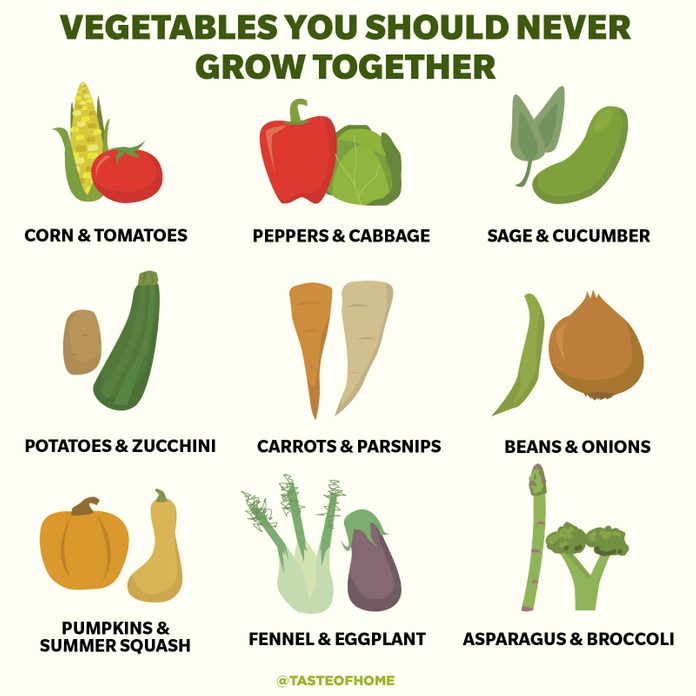
Understanding Companion Planting
Companion planting is the practice of growing different types of plants together for mutual benefits. Certain vegetables can enhance each other's growth, deter pests, and improve soil health when planted together. However, some vegetables can compete with each other for resources or may even be harmful to one another. Here are some key advantages of companion planting:
- Disease prevention: Some plants can repel pests that typically affect nearby crops.
- Space utilization: Plants can be arranged to maximize light and nutrient absorption.
- Soil enhancement: Certain plants can fix nitrogen in the soil, benefitting neighboring crops.
Vegetables That Grow Well Together
Many vegetables thrive when planted alongside certain companions. These combinations can lead to a healthier garden and increased yields. Here are a few well-known partnerships:
- Tomatoes and Basil: Basil can enhance the flavor of tomatoes and help repel insects.
- Cabbage and Dill: Dill attracts beneficial insects that prey on cabbage pests.
- Carrots and Onions: Onions can help deter carrot flies, while carrots have minimal competition for space.
Vegetables That Should Not Be Planted Together
Certain vegetables are detrimental neighbors and should be avoided in close proximity. This can lead to reduced yields and increased vulnerability to pests or diseases. Common pairs to avoid include:
- Tomatoes and Potatoes: Both are susceptible to the same diseases, increasing the risk of disease spread.
- Cabbage and Strawberries: Strawberries can stunt the growth of cabbage.
- Beans and Onions: Beans are inhibited by the presence of onion plants, which can stunt their growth.
The Role of Pest Control in Companion Planting
Companion planting can play a significant role in natural pest management. By strategically planting certain vegetables together, gardeners can reduce their reliance on chemical pesticides. Here are some benefits of utilizing companion planting for pest control:
- Natural repellents: Some plants emit fragrances that deter pests.
- Beneficial insects: Certain companion plants attract predatory insects that combat pests.
- Minimized competition: Healthy diversity can weaken the effect of pest populations on individual crops.
Additional Considerations in Crop Rotation
Crop rotation is an important aspect of maintaining garden health, as it prevents soil depletion and reduces the buildup of pests and diseases. Understanding the relationship between previous and current crops can maximize the benefits of companion planting. Here are some rotating strategies:
- Cycle families: Rotate crops within the same family to minimize disease.
- Soil enrichment: Follow heavy feeders with nitrogen-fixing plants to rejuvenate the soil.
- Timing and growth rates: Alternate fast-growing crops with slower ones to manage space efficiently.
Questions from Our Readers
What are the best vegetables to plant in Western Australia?
In Western Australia, ideal vegetables to plant include tomatoes, carrots, spinach, and zucchini. Depending on the season, these vegetables offer optimal growth and yield, taking advantage of the local climate. Always consider local conditions and choose varieties that thrive in specific regions of Western Australia.
When is the best time to plant vegetables in Western Australia?
The best time to plant vegetables in Western Australia varies by region but generally falls between spring and autumn. It is important to consider the frost dates and temperature ranges for your specific area to ensure a successful growing season. Timing is crucial for achieving maximum harvests of your chosen crops.
See also:
How can I prepare my soil for vegetable planting in Western Australia?
To prepare your soil for vegetable planting in Western Australia, start by testing the soil pH to ensure it is suitable for vegetable growth. Incorporate organic matter, such as compost or well-rotted manure, to improve soil fertility and texture. Proper drainage and aeration are also essential for establishing a healthy growing environment.
What are common pests and diseases affecting vegetable gardens in Western Australia?
In Western Australia, some common pests include aphids, caterpillars, and snails, while diseases such as powdery mildew and root rot can also affect vegetable gardens. Implementing integrated pest management strategies, including crop rotation and natural predators, can help manage these issues effectively. Regular monitoring and maintenance are key to achieving a healthy garden.

If you want to read more articles like Ultimate Vegetable Planting Guide Western Australia: Tips for Successful Gardening, we recommend you check out our Gardeners category.
Leave a Reply
Related Articles