The Best Time to Plant Lemon Tree in Melbourne: A Complete Guide for Gardeners
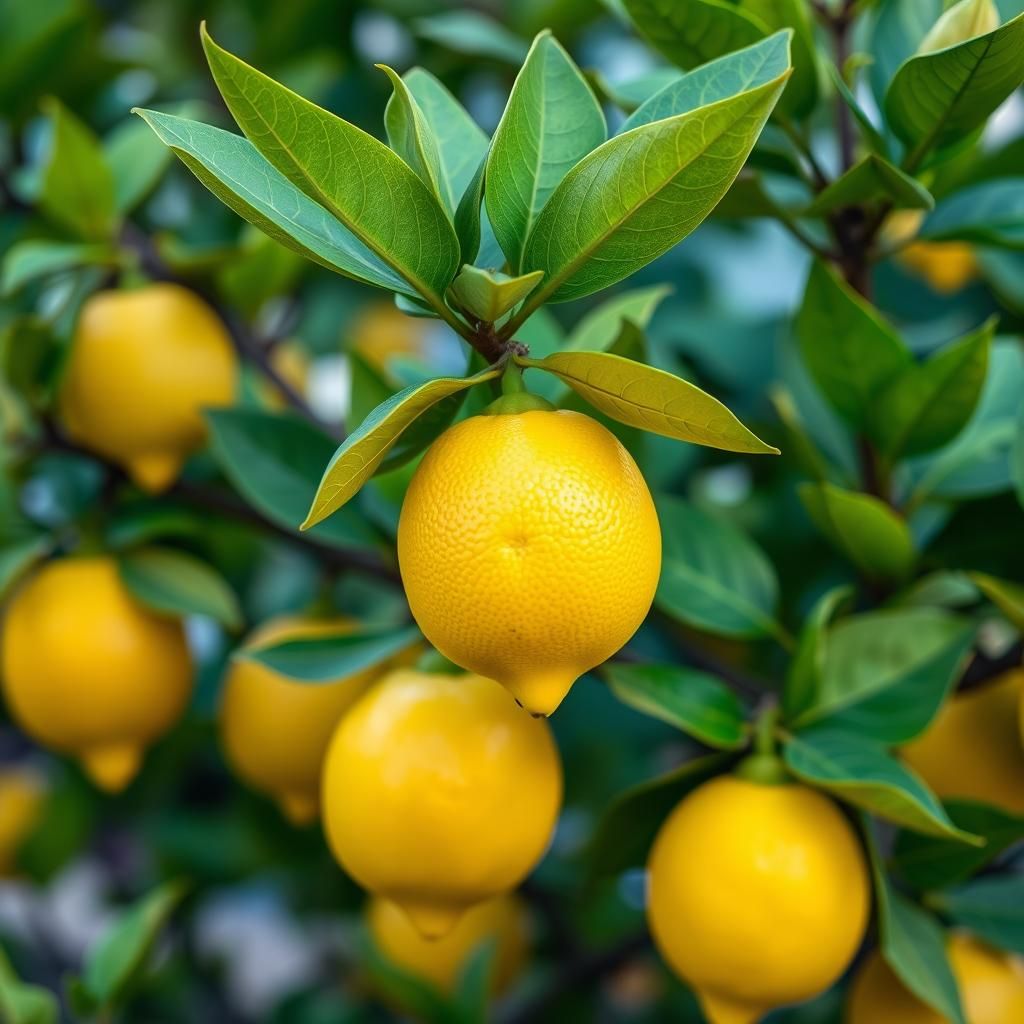
Planting a lemon tree can be a rewarding endeavor for gardening enthusiasts in Melbourne. However, understanding the optimal time to plant is crucial for ensuring a healthy, fruitful tree. This guide aims to provide comprehensive insights into the best planting period, taking into account Melbourne's unique climate, seasonal variations, and specific care requirements for lemon trees. Whether you're a seasoned gardener or a novice looking to enhance your garden, knowing when to plant is the first step towards enjoying home-grown lemons in the future. Let's explore the ideal timing and tips to help you succeed in your lemon-growing journey.
Best Time to Plant a Lemon Tree in Melbourne
Planting a lemon tree in Melbourne is best done during the early spring months, specifically between September and October. This timing allows the tree to establish roots and thrive during the warmer seasons. The relatively mild temperatures and increased sunlight during these months create optimal conditions for growth and fruit development. It's also important to consider the frost risk, as young lemon trees are sensitive; planting them once the chance of frost has passed ensures a healthier start for the trees. Additionally, providing adequate soil preparation and watering will greatly contribute to their successful establishment.
Understanding Melbourne's Climate
Melbourne's temperate oceanic climate features warm to hot summers and mild winters, which significantly influences the optimal planting times for a lemon tree. The average summer temperature can reach up to 30°C (86°F), while winter temperatures rarely drop below 0°C (32°F). These conditions support the growth of citrus plants, which prefer sunny locations and well-drained soil. Knowing the local climate helps gardeners to anticipate weather patterns that could affect their lemon trees.
Soil Preparation for Lemon Trees
Before planting a lemon tree, ensuring that the soil is well-prepared is essential for its growth. The soil should be well-drained, as lemon trees do not thrive in waterlogged conditions. It's advisable to amend the soil with organic matter, such as compost, to improve nutrient content and drainage. Testing the soil's pH can also provide helpful information; lemon trees prefer slightly acidic to neutral soil (pH 6.0 to 7.0) for optimal growth.
Frost Considerations
Frost can be detrimental to young lemon trees, which are sensitive to cold temperatures. In Melbourne, the risk of frost tends to recede around late September, making early spring the most suitable time for planting. To protect newly planted trees from unexpected frosts, consider implementing frost cloths or planting in a location that is less exposed to cold winds. Being vigilant in monitoring local weather forecasts can help in making timely decisions regarding frost protection.
Watering and Maintenance Tips
After planting, proper watering practices play a crucial role in the health of lemon trees. Newly planted trees require regular watering to establish their roots, particularly during the first few months. It's important to keep the soil moist but not soggy. Once established, lemon trees can withstand short periods of drought; however, consistent watering during the fruiting season is essential for producing juicy lemons. Pruning and fertilizing at appropriate times will also support ongoing growth and fruit production.
Choosing the Right Variety
Selecting the right variety of lemon tree can impact your success with planting and growing them in Melbourne. Popular varieties include the Eureka and Lisbon lemons, both of which are well-suited for the climate. The Improved Meyer lemon is another excellent choice, known for being more cold-tolerant and producing fruit with a sweeter taste. Understanding the characteristics of each variety will help you make an informed decision based on your garden's specific conditions and your preferences.
| Aspect | Detail |
|---|---|
| Optimal Planting Time | September to October |
| Preferred Climate | Temperate with no harsh frost |
| Soil Type | Well-drained with pH 6.0 to 7.0 |
| Watering Needs | Regularly, especially for young trees |
| Popular Varieties | Eureka, Lisbon, Improved Meyer |
What is the best month to plant a lemon tree?

The best month to plant a lemon tree typically varies depending on the climate and region, but generally, spring is considered the optimal season. In many areas, especially those with mild winters, planting a lemon tree in March or April allows the tree to establish roots before the heat of summer. It's important to avoid planting during the colder months or the peak of summer heat, as these conditions can stress the young tree.
Optimal Climate Conditions
Planting a lemon tree requires understanding the climate it thrives in. Lemon trees prefer:
- Warm Temperatures: Ideal temperatures range from 70°F to 85°F (21°C to 29°C).
- Full Sunlight: At least 8 hours of direct sunlight daily is necessary for healthy growth.
- Protection from Frost: Lemon trees should be planted when the risk of frost is minimal, typically after the last frost date.
Soil Preparation
Proper soil preparation is crucial for the healthy growth of lemon trees. The soil should be:
- Well-Drained: Lemon trees do not tolerate waterlogged soils; amend heavy soils with organic matter.
- Rich in Nutrients: Use a soil mix that includes compost or a balanced fertilizer to promote growth.
- Acidic to Neutral pH: Ideally, the soil pH should be between 5.5 and 6.5 for optimal nutrient availability.
Watering Practices
Correct watering practices are essential once the lemon tree is planted. Guidelines include:
- Initial Watering: Water the newly planted lemon tree deeply to help establish roots.
- Regular Monitoring: Ensure the soil remains moist but not soggy; check moisture levels frequently.
- Drip Irrigation: Consider using a drip irrigation system to maintain consistent moisture levels without overwatering.
Pest and Disease Management
Managing pests and diseases early can ensure a healthy lemon tree. Considerations are:
- Regular Inspections: Check for signs of pests such as aphids and spider mites.
- Preventive Measures: Use neem oil or insecticidal soap to deter pests.
- Fungicide Application: If fungal issues arise, apply fungicides specifically designed for citrus trees.
Transplanting Considerations
If you are transplanting a lemon tree, there are important points to note:
See also:
- Timing: The best time to transplant is during spring, aligning with the tree's natural growth period.
- Size of the Root Ball: Ensure you have a sizable root ball to reduce shock to the tree.
- Aftercare: Post-transplant care includes mulching and consistent watering to help the tree recover.
What is the best lemon tree for Melbourne?

The best lemon tree for Melbourne is the Eureka lemon tree. This variety is particularly well-suited for Melbourne’s climate, which features cool winters and warm to hot summers. The Eureka lemon tree is known for its ability to produce fruit year-round, making it a favorite among gardeners.
Climate Suitability
Melbourne’s temperate climate is ideal for growing lemon trees, particularly the Eureka variety. Here are some aspects to consider regarding climate suitability:
- Temperature tolerance: Eureka lemon trees thrive in temperatures ranging from 15°C to 30°C.
- Frost resistance: While they are somewhat frost-tolerant, protection is needed for young trees during cold snaps.
- Sunlight requirements: These trees require full sun, ideally 6-8 hours of direct sunlight daily.
Soil Requirements
For optimal growth, the soil quality should be considered when planting a Eureka lemon tree. Here are the essential factors:
- Drainage: Well-draining soil is critical to prevent root rot.
- pH level: The ideal pH for lemon trees is between 5.5 and 6.5.
- Organic matter: Incorporating compost can enhance soil fertility and improve moisture retention.
Pest and Disease Management
Like any fruit tree, the Eureka lemon tree is susceptible to certain pests and diseases. Here are some common issues and management strategies:
- Citrus leaf miner: Regularly inspect leaves and use organic pesticides to control this pest.
- Scale insects: Natural predators or horticultural oils can effectively manage scale infestations.
- Root rot: Ensure proper watering methods to prevent overwatering, which can lead to root disease.
Watering and Fertilization
Proper watering and fertilization are crucial for healthy growth and fruit production of your lemon tree. Here are some guidelines:
- Watering frequency: Water deeply every 1-2 weeks, depending on rainfall and temperature.
- Fertilization schedule: Use a balanced fertilizer designed for citrus trees during the growing season.
- Mulching: Apply a layer of mulch around the base to help retain soil moisture and suppress weeds.
Harvesting and Maintenance
Regular maintenance and proper harvesting techniques will ensure a productive lemon tree. Here's what to keep in mind:
- Harvesting time: Lemons can be harvested when they have reached full size and the skin has turned yellow.
- Pruning: Prune annually to encourage new growth and remove any dead or diseased branches.
- Support structures: If grown in pots, ensure the pot has adequate support and is sized appropriately as the tree grows.
Where is the best place to plant a lemon tree?
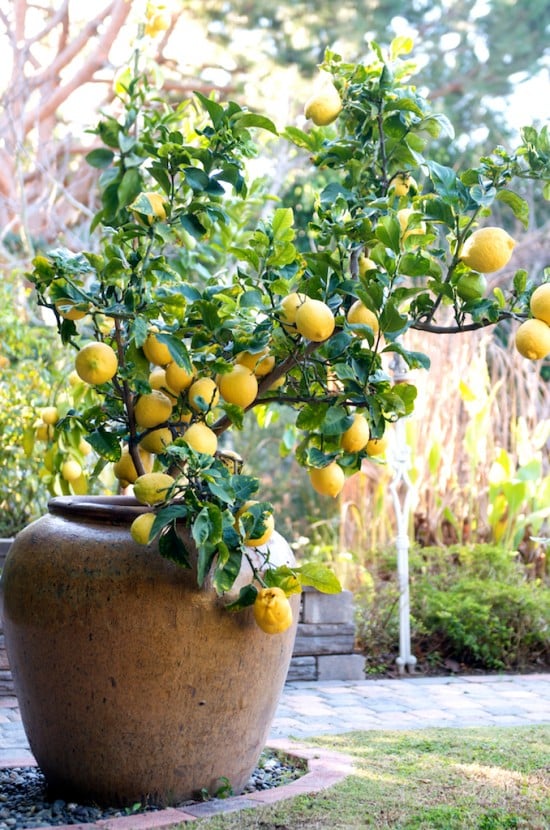
The best place to plant a lemon tree is in an area that provides optimal growing conditions to ensure healthy growth and fruitful yields. Lemon trees thrive in warm, sunny locations with well-drained soil, allowing for proper air circulation and sunlight exposure. Here are several factors to consider when choosing the best planting spot:
Sunlight Exposure
Lemon trees require a significant amount of sunlight to thrive. Ideally, they should receive at least 8 to 10 hours of direct sunlight each day. Choosing a spot that is unobstructed by buildings, trees, or other structures will optimize sunlight exposure.
- Assess the sunny hours available in your chosen location.
- Avoid areas that are shaded for most of the day.
- Consider using reflective surfaces like walls to increase sunlight absorption.
Soil Quality
The quality of soil is crucial for the health of lemon trees. They prefer well-drained soil that is slightly acidic. The right soil ensures proper drainage, which helps prevent root rot and other issues.
- Test the pH level of your soil; it should be between 5.5 and 6.5.
- Incorporate organic matter or compost to improve soil structure.
- Ensure the drainage is adequate to avoid waterlogging.
Space and Air Circulation
Lemon trees need adequate space to grow without competition from nearby plants. Proper air circulation is also essential to reduce the risk of plant diseases.
- Plant lemon trees at least 5 to 6 feet apart from other trees or bushes.
- Ensure that there is enough room around the tree for air to circulate.
- Avoid planting in crowded or enclosed areas.
Protection from Frost
Lemon trees are sensitive to frost and extreme cold. It's crucial to plant them in a location that offers some protection from cold winds and frost.
- Choose a spot that is sheltered from strong winds.
- Consider planting near a south-facing wall, which can provide extra warmth.
- If planting in a colder area, consider using frost cloths during freezing nights.
Container vs. Ground Planting
Depending on your location, you might consider planting lemon trees in pots instead of directly in the ground. This provides versatility in placement and easier management.
See also:
- Potted lemon trees can be moved to the sunniest location or indoors during cold months.
- Select containers with good drainage to prevent water buildup.
- Ensure the size of the pot is appropriate for the tree's expected growth.
What does Epsom salt do for lemon trees?

Epsom salt, which is magnesium sulfate, can be beneficial for lemon trees in several ways. It primarily provides magnesium and sulfur, essential nutrients that promote healthy growth. Here's how Epsom salt works for lemon trees:
1. Improved Nutrient Absorption: Epsom salt enhances the plant's ability to uptake other nutrients such as nitrogen and phosphorus. This is crucial for lemon trees, as these nutrients are vital for overall tree health and fruit production.
2. Enhanced Chlorophyll Production: Magnesium, one of the components of Epsom salt, is a key element in the formation of chlorophyll. Better chlorophyll production leads to improved photosynthesis, boosting the tree's growth and fruit quality.
3. Stronger Fruits: The application of Epsom salt can lead to an increase in the size and quality of the lemons produced. A stronger fruit can have a better flavor and a longer shelf life.
4. Reduced Disease Susceptibility: By ensuring that lemon trees receive adequate magnesium, Epsom salt helps strengthen their immune systems. This makes them more resistant to diseases and pests, promoting a healthier crop.
5. Acidity Regulation: Epsom salt can help in maintaining the soil pH balance. Lemon trees thrive in slightly acidic soils, and by using Epsom salt, you can help facilitate a more suitable growing environment.
Benefits of Magnesium for Lemon Trees
Magnesium plays a crucial role in the health of lemon trees. It aids in various physiological functions, making it essential for robust growth:
- Chlorophyll Production: Magnesium is necessary for building chlorophyll, which helps trees perform photosynthesis.
- Flowering and Fruiting: Adequate magnesium levels improve flowering and increase fruit yield.
- Stress Resistance: Magnesium helps lemon trees cope with environmental stressors like drought or high salinity.
Application Methods of Epsom Salt
There are several ways to apply Epsom salt effectively. Choosing the method can depend on the specific needs of the lemon tree:
- Dissolving in Water: Mix Epsom salt in water to create a nutrient-rich solution.
- Soil Application: Sprinkle Epsom salt directly around the base of the tree for gradual absorption.
- Foliar Spray: Use a spray mixture to provide quick nutrient access through the leaves.
Timing for Application
The timing of Epsom salt application is vital for optimal results. Proper timing ensures that the lemon tree benefits the most from the nutrients:
- Early Spring: Apply Epsom salt when new growth begins to encourage healthy development.
- During Flowering: Another application during the flowering period can boost fruit setting.
- Before Harvest: A final dose before harvest can enhance fruit quality and size.
Signs of Magnesium Deficiency
Identifying magnesium deficiency in lemon trees is crucial for timely intervention. Here are some common signs:
- Yellowing Leaves: Lower leaves may become yellow while veins remain green.
- Leaf Curling: Leaves may curl inward, indicating stress or nutrient deficiency.
- Poor Fruit Development: An evident decline in fruit size and quality may occur.
Potential Risks of Overapplication
While Epsom salt can be beneficial, overapplication can lead to problems. Awareness of these risks is important for successful management:
- Soil Imbalance: Excess magnesium can lead to nutrient imbalances in the soil.
- Salt Build-up: High concentrations can lead to salt build-up, harming root health.
- Soil pH Changes: Overuse may disturb soil pH, affecting overall plant health.
Questions from Our Readers
What is the best time to plant a lemon tree in Melbourne?
The best time to plant a lemon tree in Melbourne is during the spring months, specifically from September to November. This timing allows the tree to establish roots before the warm summer months, ensuring better growth and fruit production.
Can I plant a lemon tree in Melbourne during winter?
While it is possible to plant a lemon tree during winter, it is not recommended due to the cold temperatures that can hinder root establishment. It's best to wait until the frost risk has passed to give the tree the best chance for survival and growth.
See also:
How do I care for a newly planted lemon tree?
After planting, a newly planted lemon tree requires regular watering, especially in the first few months, as well as mulching to retain moisture and suppress weeds. It's important to monitor the tree for signs of stress and to provide proper fertilization during its growing season.
What variety of lemon tree is best suited for Melbourne?
The Eureka and Lisbon lemon tree varieties are best suited for Melbourne's climate, as they are hardy and can thrive in variations of temperature. These varieties also produce fruit year-round, making them a popular choice among local gardeners.

If you want to read more articles like The Best Time to Plant Lemon Tree in Melbourne: A Complete Guide for Gardeners, we recommend you check out our Gardeners category.
Leave a Reply
Related Articles