Should a Trellis Be Vertical or Horizontal? Explore the Best Options for Your Garden
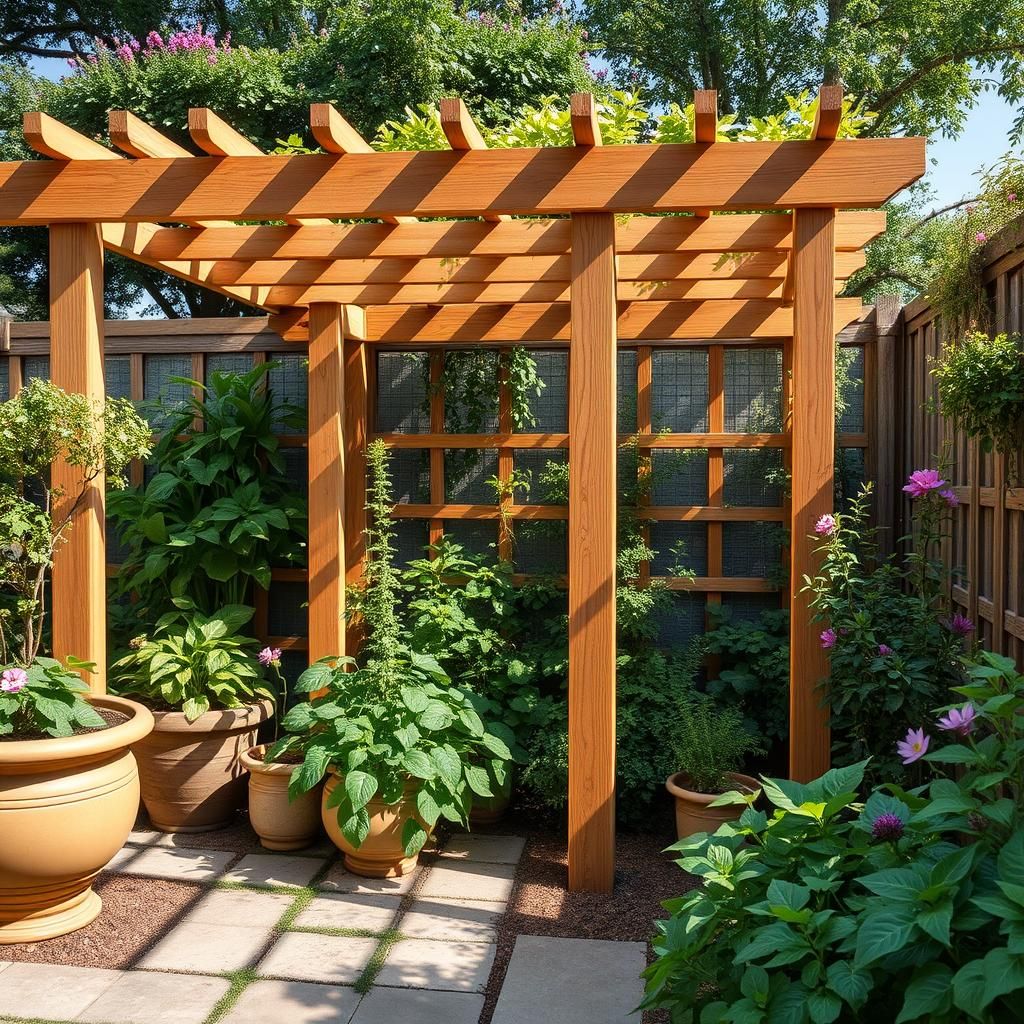
When designing a garden, choosing the right orientation for a trellis is a critical decision that can influence both aesthetics and plant growth. Trellises serve as essential structures for climbing plants, providing support and enhancing vertical space. However, the debate between vertical and horizontal configurations can leave gardeners pondering the best option. Each orientation has unique benefits and drawbacks, impacting not only the plant’s health but also the garden's overall look. This article delves into the pros and cons of vertical versus horizontal trellising, offering insights to help you make an informed decision tailored to your gardening goals.
Should a Trellis Be Vertical or Horizontal?
When considering whether a trellis should be vertical or horizontal, several factors come into play, including the type of plants you wish to support, available space, and aesthetic preferences. Vertical trellises are ideal for climbing plants, allowing them to grow upwards and maximize light exposure, which is crucial for plant health and productivity. On the other hand, horizontal trellises can provide a sturdy framework for sprawling plants, helping to manage their growth and often allowing for easier access to fruits and flowers. Ultimately, the decision will depend on how you intend to use the trellis in your garden design and what will best suit your plant varieties.
Advantages of Vertical Trellises
Vertical trellises offer several advantages for gardeners. They make efficient use of space by allowing plants to grow upwards, which is particularly beneficial for smaller gardens. This height not only provides better air circulation and light access to the plants but also creates an attractive visual element in the landscape. Additionally, vertical trellising can help reduce issues with soil pests by keeping plants off the ground, which in turn promotes healthier growth.
Advantages of Horizontal Trellises
Horizontal trellises can serve a different purpose, focusing on supporting spreading or bushy plants. They can provide an extensive area for plants to grow and can often be easier to manage since fruits and flowers remain at a more accessible height. This configuration is especially useful for gardeners who prefer a low-maintenance approach, as horizontal trellises facilitate easier pruning, harvesting, and plant observation without the need for ladders or elevation.
Choosing the Right Plants
When deciding between a vertical or horizontal trellis, it’s essential to consider the types of plants you intend to grow. Climbing varieties such as peas, beans, and certain types of vines thrive on vertical structures. Conversely, plants that spread out, such as tomatoes or some flowering herbs, may perform better on horizontal trellises that allow them to sprawl while still being supported. Matching the trellis style with your chosen plants will lead to a more flourishing garden.
See also:
Space Considerations
The amount of available space is a crucial consideration when choosing between vertical and horizontal trellises. In smaller gardens, vertical trellises can help maximize vertical growing space, thereby freeing up precious ground area for additional planting. In contrast, if your garden has more length than height, horizontal trellises can optimize the available space, allowing plants to grow along a fence or wall without interfering with neighboring plants.
Aesthetic Appeal
The aesthetic aspect of garden design should not be overlooked when deciding on a trellis configuration. Vertical trellises often create dramatic vertical lines in a garden, providing a striking backdrop or focal point. Meanwhile, horizontal trellises can create a more relaxed and sprawling look, encouraging ground coverage. Depending on the overall theme of your garden, one style may harmonize better with your design vision than the other.
| Aspect | Vertical Trellis | Horizontal Trellis |
|---|---|---|
| Space Efficiency | Maximizes vertical space | Uses horizontal area effectively |
| Plant Types | Ideal for climbing plants | Best for spreading or bushy plants |
| Maintenance | May require height access | Easier access for pruning |
| Aesthetic | Creates vertical lines | Encourages a sprawling look |
| Sunlight Access | Improves light exposure | Can shade lower plants |
Understanding the Benefits of Vertical vs Horizontal Trellising
When deciding whether a trellis should be vertical or horizontal, it's important to consider the type of plants you are cultivating and the space available in your garden. A vertical trellis can help maximize growing space while promoting better air circulation and sunlight exposure for climbing plants. This method is particularly effective for vines and some fruiting plants, as it allows them to grow upward, reducing the risk of disease associated with ground-level growing. On the other hand, a horizontal trellis might offer a more spacious support system suitable for heavy crops or creating privacy screens. Ultimately, each style serves distinct purposes and can enhance your garden's overall aesthetic and productivity, depending on your gardening goals.
Advantages of Vertical Trellising
Vertical trellising offers numerous benefits, including an efficient use of vertical space, which is particularly beneficial for small gardens. Using this method, plants can grow upward, making it easier to harvest and providing better airflow, which reduces the chance of fungal diseases. Additionally, a vertical trellis can enhance the visual appeal of your garden by drawing the eye upward, showcasing colorful blooms or fruits in a more striking manner.
Advantages of Horizontal Trellising
Horizontal trellising can provide a sturdy and spacious framework ideal for larger, heavy-bearing plants. This method allows for ease of access when it comes to harvesting and maintaining plants. By spreading plants out, horizontal trellises can improve sunlight distribution and reduce shade competition, allowing multiple plants to grow together more effectively. Furthermore, this style can create a more decorative feature in your garden while providing privacy or shade in outdoor spaces.
See also:
Choosing the Right Material for Your Trellis
Selecting the appropriate material for your trellis is crucial regardless of whether it is vertical or horizontal. Common materials include wood, metal, and plastic, each with their unique advantages. Wooden trellises offer an appealing, natural look and can be customized, while metal trellises provide robust support and durability against the elements. Plastic options are often lightweight and resistant to decay, making them a low-maintenance choice, especially in regions with high humidity or extreme weather conditions.
Plant Types for Vertical vs Horizontal Trellising
When deciding between vertical and horizontal trellising, it's essential to assess the growth habits of the plants you want to grow. Climbing plants like beans or cucumbers typically thrive with vertical supports, as they naturally seek to grow upward. Conversely, more bushy plants like tomatoes may benefit from a horizontal design that allows them to spread out and support their often heavy fruit loads. Understanding the nature of your plants will help you make an informed choice about the most suitable trellising method.
Design Considerations for Your Trellis
Designing your trellis involves careful thought about both aesthetics and functionality. Consider the height, width, and style of the trellis to ensure it matches the overall theme of your garden. Also, think about factors such as stability and the ease of access for maintenance and harvesting. A well-designed trellis not only supports plant growth but also enhances the visual dynamics of your garden, making it a delightful space to spend time in and enjoy.
Questions from Our Readers
Should a trellis be vertical or horizontal?
A trellis can be both vertical and horizontal depending on the aesthetic and functional goals of your garden. Vertical trellises are commonly used for climbing plants, maximizing space while providing support. Horizontal trellises can also be beneficial, particularly for certain types of vining plants or as a design feature, but the choice ultimately depends on the plant species and the look you want to achieve.
What types of plants benefit from a vertical trellis?
Vertical trellises are ideal for climbing plants such as vines, tomatoes, and cucumbers, which naturally cling to surfaces for support. By utilizing a vertical format, these plants can grow upward, allowing for better air circulation, light exposure, and ultimately leading to healthier growth and higher yields.
See also: Can a Trellis Be Free Standing? Exploring the Benefits and Design Ideas
Are there specific advantages to using a horizontal trellis?
Yes, horizontal trellises can offer specific advantages, such as providing a stable base for plants that may not climb as effectively, like some berry bushes. They can also create defined areas of growing space and are often easier to maintain since plants may spread out, making it simpler to access fruits and flowers.
Can a trellis be adjusted after installation?
While it is possible to adjust a trellis after installation, it may require significant effort depending on how deeply it is anchored and the type of materials used. If adjustments are needed, ensure that the structural integrity of the trellis is maintained, especially if it is supporting growing plants, to prevent damage or collapse.
If you want to read more articles like Should a Trellis Be Vertical or Horizontal? Explore the Best Options for Your Garden, we recommend you check out our Trellis category.
Leave a Reply
Related Articles