What Month Do You Prune Hedges in Australia? Your Ultimate Guide to Timing and Techniques

Pruning hedges is a crucial aspect of garden maintenance, ensuring healthy growth and an attractive appearance. However, timing is key, especially in Australia's diverse climate. Different regions and hedge types may require distinct pruning schedules to thrive. This article serves as your ultimate guide to understanding when to prune hedges across Australia, exploring the optimal months, essential techniques, and tips for various species. Whether you're a seasoned gardener or a beginner, mastering the art of hedge pruning can enhance your landscape and promote robust plant health. Get ready to dig into the details and learn how to keep your hedges in top condition!
When to Prune Hedges in Australia
In Australia, the ideal month for pruning hedges largely depends on the specific type of hedge and the climate of the region, but generally, it is recommended to prune during the late summer to early autumn months, particularly in March and April. During this period, the hedges are less actively growing, which reduces the risk of damaging new growth and allows for a healthier regrowth in the following spring. In warmer areas, pruning can be done in late winter as well, ensuring the hedge maintains its shape and encourages bushier growth once the growing season begins. Understanding the local climate and the growth cycle of the specific hedge species is crucial for optimal pruning timing.
Understanding the Best Time for Pruning
In Australia, knowing the best time for pruning hedges is essential to promote their health and appearance. Late summer to early autumn is typically when many hedges begin to slow their growth, making it a favorable time for pruning. This timing helps to ensure that the hedge can recover quickly before the cooler months set in, while also preparing it for vigorous growth in the spring when ideal weather conditions return.
Regional Differences in Pruning Times
Due to Australia's diverse climate, specific regional differences can affect when hedges should be pruned. In cooler southern regions, it may be advisable to prune in March and April, whereas in warmer northern areas, pruning in late winter or even early spring can be more appropriate. Being aware of local weather patterns and seasonal changes can greatly influence the success of pruning efforts.
Types of Hedges and Their Pruning Needs
Different types of hedges have varying pruning needs and schedules. For example, flowering hedges might require pruning after they bloom to ensure you do not cut off potential flowers for the next season. Meanwhile, evergreens can typically tolerate more aggressive pruning at the end of winter or just before they start to grow vigorously in spring. Understanding the specific requirements of your hedge type will enhance its health and visual appeal.
The Role of Seasonal Growth Cycles
The seasonal growth cycles of hedges play a critical role in determining when to prune. Most hedges experience periods of active growth and dormancy throughout the year. Pruning during their dormant phase can minimize stress on the plant and encourage dense growth when the warmer season approaches. Timing your pruning to align with these natural cycles can lead to more vigorous and healthier hedges.
Tools and Techniques for Effective Pruning
Utilizing the right tools and techniques when pruning hedges is just as important as timing. Sharp shears or power tools should be used to make clean cuts, which helps prevent damage to the plant. Techniques such as thinning out older wood and shaping the hedge can enhance sunlight penetration and air circulation, promoting healthier growth. Knowing how to properly prune based on the hedge's growth patterns will yield the best results.
| Month | Activity | Notes |
|---|---|---|
| February | Initial light pruning | Prepare for upcoming growth season |
| March | Major pruning | Best for many hedge types |
| April | Shaping and trimming | Final touch-ups before winter |
| August | Winter pruning (northern areas) | Prepare for spring growth |
| September | Post-flowering pruning | Remove spent blooms and shape hedges |
What month is best to trim hedges?
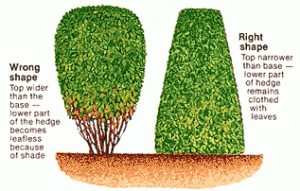
The best month to trim hedges generally depends on the type of plants you have and your local climate. However, for most regions, late winter to early spring, typically around March to April, is considered ideal. This timing allows you to prune before the new growth starts, promoting healthier plants and better shaping without risking damage to blossoming flowers that may occur if trimmed too late.
Optimal Timing for Different Types of Hedges
The type of hedge you are dealing with plays a crucial role in determining the best timing for trimming. Generally, you may consider the following:
See also:
- Deciduous Hedges: Trim these in early spring, just before growth begins.
- Evergreen Hedges: Late spring, after new growth emerges, is safe for these.
- Flowering Shrubs: It's essential to know if they bloom on old or new wood to time trimming correctly.
Climate Considerations
Your local climate greatly impacts the best month for hedge trimming. Here are important factors to consider:
- Frost Risks: If your area has late frosts, prune only after the risk has subsided.
- Growing Season Length: In warmer climates, you may trim earlier in the year, while colder regions may wait until late spring.
- Rainfall Patterns: Avoid trimming just before wet seasons to ensure the hedges are not stressed.
Benefits of Trimming Hedges in Spring
Trimming hedges in spring provides several advantages, including:
- Pest Management: Pruning can help reduce the risk of pests that may overwinter in hedges.
- Healthier Growth: Removing dead or diseased wood promotes robust new growth.
- Improved Aesthetics: Spring trimming helps maintain the desired shape before the foliage fills in.
Signs Your Hedges Need Pruning
Recognizing when your hedges are ready for a trim is essential. Look for these indicators:
- Overgrowth: If your hedges appear unruly or are encroaching on pathways.
- Dead Branches: Noticeable dead or diseased sections indicate pruning is needed.
- Reduced Flowering: Lack of blooms can signify that your hedges require rejuvenation.
Best Practices for Hedge Trimming
To ensure effective and healthy trimming, follow these best practices:
- Use Sharp Tools: Always use well-maintained pruning shears or hedge trimmers to make clean cuts.
- Aim for Shape: Trim to maintain the natural form and avoid excessive cutting.
- Clean Up: Remove debris after trimming to prevent diseases from affecting your plants.
When should you not use a hedge trimmer?

When using a hedge trimmer, it is essential to understand the scenarios where its usage may not be appropriate. This can help prevent accidents, promote equipment longevity, and ensure optimal performance. Below are some critical situations when you should avoid using a hedge trimmer.
1. Wet or Rainy Conditions
Using a hedge trimmer in wet conditions is not advisable due to several reasons:
- Slippery Surfaces: Wet surfaces can make footing unstable, increasing the risk of falls.
- Electrical Hazards: For electric or battery-operated trimmers, moisture exposure can create a significant risk of electrical shock.
- Damage to Plants: Wet foliage can be more brittle, and cutting them may lead to damage or disease.
2. During Extreme Weather Conditions
Extreme weather can pose various dangers when operating a hedge trimmer:
- High Winds: Windy conditions can cause branches to sway unpredictably, making it challenging to cut safely.
- Thunderstorms: Using any electrical equipment during a storm increases the risk of lightning strikes and other hazards.
- Extreme Heat: High temperatures can lead to heat exhaustion, making it difficult to operate machinery safely.
3. When Pruning Large Branches
Hedge trimmers are not designed for cutting large branches. Inappropriate use can lead to:
- Equipment Damage: Attempting to trim large branches can dull the blades or cause them to jam.
- Injury Risks: Larger branches can cause the trimmer to rebound or kick back, posing a significant risk of injury.
- Improper Cuts: Non-uniform cuts made on large branches can harm the plant's health.
4. When Not Wearing Proper Safety Gear
Failing to wear appropriate safety gear can lead to significant injuries. Essential gear includes:
See also:
- Protective Eyewear: Debris can fly up during trimming, posing a risk to your eyes.
- Gloves: Gloves help protect your hands from cuts and blisters while handling the trimmer.
- Sturdy Footwear: Proper footwear with good grip reduces the risk of slipping and falling.
5. If You Are Not Familiar with the Equipment
Lack of familiarity with a hedge trimmer can lead to misuse and dangerous situations:
- Inadequate Training: Understanding how to operate the trimmer safely is essential for avoiding accidents.
- Unawareness of Features: Knowing how to use the trimmer’s features, like safety locks, is essential for safe operation.
- Failure to Inspect: Not checking the equipment for damages prior to use can lead to malfunctions during operation.
What month should I trim my hedges?
The ideal month to trim your hedges largely depends on the specific type of hedge and your local climate conditions. However, many gardeners and landscaping experts recommend trimming hedges in late winter or early spring, typically between February and March. This timing allows you to shape the plants before they start their active growth period, which usually occurs in spring. Trimming during this time can promote healthier growth and maintain an attractive appearance.
Types of Hedges
Different hedge species have varying growth rates and flowering times, making it important to identify the specific type of hedge you own. Common hedge types include:
- Deciduous hedges: These lose their leaves in winter. Trimming in late winter is best.
- Evergreen hedges: Maintain year-round foliage. Late winter or early spring works well for these.
- Flowering hedges: Some may require trimming right after flowering to avoid cutting off blooms.
Climate Considerations
Your local climate significantly influences the optimal time for hedge trimming. In regions with distinct seasons, the timing may vary:
- Warm climates: Some hedges may need trimming in late winter to prepare for early spring growth.
- Cold climates: Wait until the threat of frost has passed, typically late March or early April.
- Transitional climates: Consider local examples and adjust timing to suit your specific environment.
Hedge Maintenance Tips
Maintaining your hedges properly involves more than just trimming. Here are essential tips:
- Regular watering: Hedges require consistent moisture to thrive. Water deeply post-trim.
- Fertilization: Apply a balanced fertilizer in early spring to promote healthy growth.
- Pest and disease management: Regularly inspect for issues and treat them promptly.
Tools for Trimming Hedges
Using the right tools can make a significant difference in the quality of your trimming. Consider these:
- Pruning shears: Ideal for small branches and precise cutting.
- Hedge trimmers: Electric or manual, perfect for larger hedges.
- Loppers: Useful for thicker branches that need cutting.
Safety Precautions While Trimming
Safety should always be a priority when working with garden tools. Here are important precautions to follow:
- Wear protective gear: Use gloves and safety glasses to protect from debris.
- Check tools for safety: Inspect your equipment for any damage before use.
- Be mindful of surroundings: Ensure there are no obstacles or hazards where you are working.
Questions from Our Readers
What month is best for pruning hedges in Australia?
Pruning hedges in Australia is typically best done in the late winter or early spring, around August to September. This timing allows hedges to recover quickly and promotes healthy growth during the upcoming growing season.
Can I prune hedges during summer in Australia?
While it is possible to prune hedges during summer, it is generally not recommended due to the heat stress that can occur. Hedges are best pruned when they are not under stress from high temperatures, which can lead to poor recovery.
See also:
Should I prune hedges in autumn in Australia?
Pruning hedges in autumn is usually not advised as it can stimulate new growth that may not have time to harden before the cold winter weather. This can leave hedges vulnerable to frost damage and hinder their health.
What tools do I need for pruning hedges in Australia?
To effectively prune hedges, you will need essential tools such as sharp shears, pruning saws, and possibly loppers for thicker branches. Keeping tools in good condition ensures a clean cut, which helps the plants heal faster and promotes better growth.

If you want to read more articles like What Month Do You Prune Hedges in Australia? Your Ultimate Guide to Timing and Techniques, we recommend you check out our Pruning category.
Leave a Reply
Related Articles