Top 10 Hardy Plants for Pots for Outdoors Australia: Your Ultimate Guide

When it comes to outdoor gardening in Australia, choosing the right plants for pots can make all the difference. With a diverse climate ranging from coastal regions to arid deserts, selecting hardy plants that can thrive in various conditions is essential. This guide presents the top 10 hardy plants for pots that are not only resilient but also add beauty to your outdoor spaces. Whether you're an experienced gardener or a beginner, these selections will help you create a vibrant and sustainable garden that can withstand Australia's unique environmental challenges. Discover the best options to enhance your outdoor garden with ease.
Hardy Plants for Outdoor Pots in Australia
When selecting hardy plants for outdoor pots in Australia, it's essential to consider the climate and specific conditions of your region. Many areas experience extreme temperatures, either hot or cold, and choosing the right plants will ensure their survival and vibrancy. Some popular options include succulents, which are well-suited for dry conditions, and native Australian species like kangaroo paws or wattles, which are adapted to the local environment. The pots should also provide adequate drainage to prevent root rot, and using a good potting mix that retains moisture while allowing for airflow can enhance the health of your plants. With the right care and selection, hardy potted plants can thrive and bring a touch of life to your outdoor space.
1. Best Native Australian Plants for Pots
Native plants are particularly beneficial as they have evolved to thrive in the Australian climate. Some of the best options include gorham marigold, which boasts attractive yellow flowers, and dianella, known for its striking foliage and resilience. These plants require minimal watering and offer a burst of color, attracting native birds and pollinators. Additionally, plants like the Australian bush lily provide excellent ground cover and are adaptable to various pot sizes, making them perfect for containers.
2. Succulent Varieties Perfect for Containers
Succulents are an ideal choice for pots, especially in arid regions of Australia. Varieties such as Echeveria, Aloe vera, and Sedum are not only visually appealing but also thrive in sunny spots with good drainage. They require little maintenance and are drought-resistant, making them excellent for busy gardeners or those new to planting. These hardy plants come in various shapes and colors, adding visual interest to any outdoor setting.
3. Tips for Choosing the Right Pot
When selecting pots for hardy plants, consider materials that offer durability while also providing aesthetics. Clay pots are excellent for breathability, while ceramic containers can retain heat. Ensure that your pots have suitable drainage holes to prevent water accumulation, which can lead to root diseases. Additionally, choose pots that complement the surrounding decor and enhance the overall look of your outdoor area.
4. Watering and Care for Potted Plants
While hardy plants are resilient, proper watering techniques are crucial. Most potted plants prefer their soil to dry out between waterings; thus, it's essential to monitor the moisture levels. During the hotter months, be vigilant as potted plants may require more frequent watering, while cooler months may necessitate less. Utilizing a moisture meter can aid in determining the correct watering frequency, helping to keep your plants healthy.
5. Seasonal Considerations for Outdoor Pots
Seasonal changes significantly impact the care of outdoor potted plants. In summer, ensure they receive adequate sunlight to boost growth but be mindful of heat stress. On the other hand, during winter, some hardy plants may need protection from frost, which could involve moving them to a sheltered location or providing temporary coverings. Understanding the seasonal needs of your plants can enhance their longevity and visual appeal throughout the year.
| Plant Type | Water Requirements | Sunlight Needs | Hardiness Zone |
|---|---|---|---|
| Gorham Marigold | Low | Full Sun | 8-10 |
| Echeveria | Low | Full Sun | 10-11 |
| Dianella | Medium | Part Sun | 9-11 |
| Aloe Vera | Low | Full Sun | 10-11 |
| Kangaroo Paw | Medium | Full Sun | 9-11 |
What are the best low maintenance plants for pots outside?
:strip_icc()/short-yellow-pot-with-flowers-c9c7ce59-81014eb049f84cc284807c563334343a.jpg)
Choosing the right plants for outdoor pots that require minimal care can enhance your garden without overwhelming you with maintenance tasks. Here are some of the best low maintenance plants perfect for pots outside:
- Sedum: These succulent plants are notorious for their resistance to drought and poor soil. Varieties like Stonecrop thrive in sunny spots and require very little watering.
- Lavender: Known for its aromatic flowers, lavender can tolerate dry conditions and doesn’t need frequent watering. It prefers full sun and can produce beautiful blooms throughout summer.
- Ornamental Grasses: Grasses like Blue Fescue or Japanese Blood Grass are hardy and require minimal care. They provide texture and movement to your outdoor pots.
- Marigolds: Bright and colorful, marigolds are resilient flowers that can withstand different weather conditions. They bloom profusely and only need occasional watering.
- Hens and Chicks: These compact succulents thrive in poor soil and require little water. They are perfect for containers, especially in sunny locations.
Advantages of Low Maintenance Plants
Low maintenance plants offer many benefits for gardeners, especially those with busy lifestyles or less gardening experience. These advantages include:
- Time-efficient: Less frequent watering and care routines save time.
- Cost-effective: Low maintenance plants often require fewer resources in terms of fertilizers and other gardening supplies.
- Durability: These plants tend to be more resilient to pests and diseases, reducing the need for chemical treatments.
Best Soil for Pots
The type of soil you use in your pots significantly influences the success of low maintenance plants. Ideal soils include:
- Well-draining potting mix: This prevents waterlogging and promotes healthy root systems.
- Cactus mix: Perfect for succulents, cactus mix encourages minimal moisture retention.
- Organic matter: A mix of compost can enrich the soil while still being low maintenance.
Watering Tips for Container Plants
Understanding how to properly water your container plants can ensure their longevity. Here are some tips:
- Water deeply: Ensure that water reaches the roots rather than just moisten the surface.
- Monitor moisture levels: Use your finger or a moisture meter to determine when to water.
- Time of day: Watering in the early morning or late afternoon helps reduce evaporation.
Sunlight Requirements
Different plants have varying sunlight needs. When selecting low maintenance plants for pots, consider their light requirements:
- Full sun plants: Varieties like lavender and sedum require 6-8 hours of direct sunlight.
- Partial shade plants: Some marigolds and ornamental grasses can thrive with a few hours of direct sun and some shade.
- Shade-loving plants: If your pots are in shaded areas, options like ferns can be great choices.
Fertilization for Outdoor Pot Plants
Using the right fertilizers can enhance growth while keeping maintenance low. Consider the following:
See also:
- Slow-release fertilizers: Applying these at the start of the growing season offers continual nourishment.
- Organic fertilizers: Options like compost or fish emulsion can bolster soil health with minimal effort.
- Avoid over-fertilizing: Many low maintenance plants thrive without excessive nutrients.
What are the best hardy plants for pots outdoor?
:max_bytes(150000):strip_icc()/SPR-the-best-tall-plants-for-containers-4142017-7d2546e332fb46d6aacfc3d7d6343031.png)
When selecting the best hardy plants for outdoor pots, it's essential to consider species that can withstand varying weather conditions, including cold temperatures, heat, and drought. Here are some of the top hardy plants suitable for outdoor container gardening.
Perennials for Outdoor Pots
Perennials are an excellent choice for outdoor pots because they can thrive year after year. They typically require less maintenance than annuals and can handle different environmental conditions.
- Lavender: Known for its beautiful purple flowers and aromatic fragrance, lavender is drought-resistant and tolerates poor soil.
- Hostas: Perfect for shaded areas, hostas offer a variety of leaf colors and textures.
- Daylilies: These vibrant flowers bloom throughout the summer and require minimal care.
Succulents and Cacti
Succulents and cacti are among the hardiest plants, ideal for those in hotter climates or who may forget to water their plants regularly. They store water in their leaves and can thrive in arid conditions.
- Aloe Vera: Not only is it hardy, but it also has medicinal properties, making it a practical choice.
- Agave: This striking plant adds architectural interest and requires little water.
- Jade Plant: Known for its round, fleshy leaves, the jade plant signifies good luck and prosperity.
Seasonal Color with Annuals
While annuals only last for one growing season, choosing hardy varieties can provide a burst of color that is both vibrant and resilient.
- Petunias: These flowers can endure a variety of conditions and come in many colors.
- Marigolds: Hardy and easy to grow, marigolds can tolerate poor soil and deter pests.
- Pansies: These flowers provide beautiful blooms in cooler temperatures, making them great for early spring pots.
Herbs for Culinary Enthusiasts
Herbs are not just for cooking; they can also add beauty and fragrance to your outdoor pots. Many herbs are quite hardy and can survive outdoor conditions.
- Rosemary: This Mediterranean herb thrives in full sun and adds a wonderful scent to your garden.
- Thyme: Low-growing and drought-resistant, thyme is perfect for pots.
- Chives: With their fragrant green shoots and purple flowers, chives are a hearty choice for pots.
Foliage Plants for Evergreen Appeal
Foliage plants provide year-round interest and can withstand various conditions, ensuring that your pots remain attractive even in off-seasons.
- Boxwood: Commonly used for formal gardens, boxwood adds structure and can be shaped easily.
- Ferns: Hardy ferns provide a lush, green look and thrive in shaded areas.
- Carex: This ornamental grass is versatile and can tolerate wet or dry conditions.
What are the best plants to grow in pots outside?
:max_bytes(150000):strip_icc()/best-plants-container-garden-lead-getty-0823-24d72e282def4ad6bc6f957c3c721c34.jpg)
When considering the best plants to grow in pots outside, it is essential to factor in the climate, sunlight, and maintenance level. Here are some plants that thrive in outdoor pots:
Herbs
Herbs are an excellent option for container gardening due to their compact size and the ability to enhance your culinary creations. They can be grown in smaller pots and enjoy full sun, making them perfect for outdoor conditions. Some of the best herbs for pots include:
- Basil: Thrives in warm weather and needs plenty of sunlight.
- Parsley: Prefers partial shade in hotter climates but can adapt.
- Thyme: A hardy herb that requires minimal care and well-drained soil.
Flowering Plants
Flowering plants add beauty and color to your outdoor space. Many varieties bloom throughout the growing season and can thrive in pots. Some popular options include:
- Pansies: Known for their vibrant colors and ability to bloom in cooler temperatures.
- Petunias: Versatile and come in a wide range of colors, they prefer full sun.
- Geraniums: Easy to care for and bloom profusely, making them a classic choice.
Vegetables
Growing vegetables in pots allows you to enjoy fresh produce even in limited spaces. Some vegetables adapt well to container life, such as:
- Tomatoes: Require deep pots to accommodate their root system and need full sun.
- Bell Peppers: Compact and produce well in pots, needing similar conditions to tomatoes.
- Leafy Greens: Varieties like spinach and lettuce grow quickly and thrive in moderate sun.
Shrubs
Shrubs provide structure and can be attractive in outdoor pots. They can be placed as focal points or grouped for visual interest. Some great choices for pot cultivation include:
- Boxwood: A classic evergreen that can be shaped easily and does well in pots.
- Hydrangeas: Beautiful blooms that can thrive in containers, needing sufficient moisture and sunlight.
- Lavender: Fragrant and drought-tolerant, it requires well-drained soil and full sun.
Tropical Plants
Tropical plants can add an exotic flair to your outdoor space and are often quite resilient. Many can adapt to pot life, giving your garden a lush look. Consider these options:
See also:
- Palms: Various types can thrive in pots; they require sunlight and regular watering.
- Bougainvillea: Vibrant climbing flowers that need plenty of suns and regular pruning.
- Ferns: These prefer partial shade and maintain vibrant foliage if kept moist.
What plant pots can stay outside in winter?
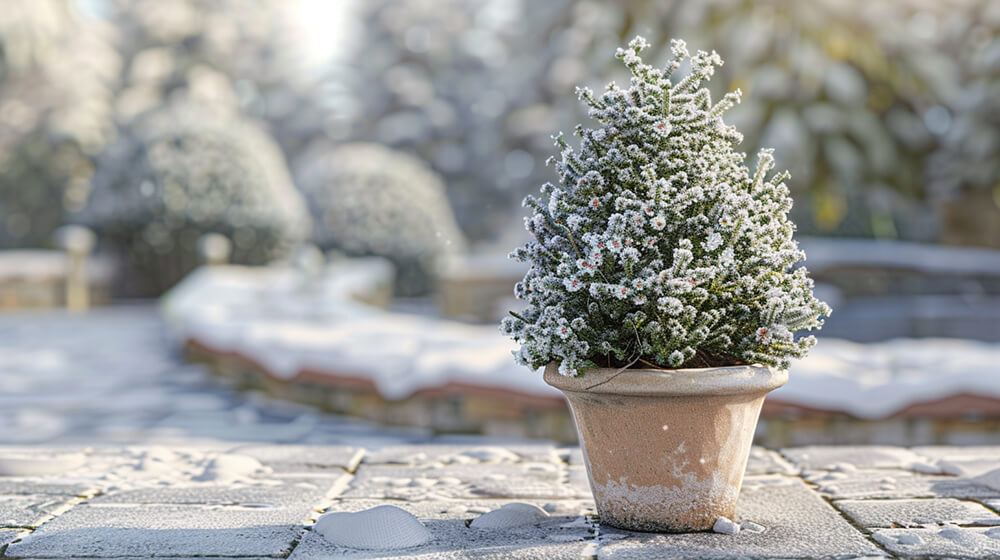
To determine which plant pots can stay outside during winter, it’s essential to consider the materials and their resistance to the elements. Some pots are designed to withstand cold temperatures without cracking or becoming damaged, while others may be more susceptible to frost and moisture issues.
1. Frost-resistant Materials
Pots made from frost-resistant materials are ideal for outdoor use in winter. These pots typically include:
- Terracotta (if treated with frost-resistant sealants)
- Plastic (especially high-quality types)
- Fiberglass (lightweight and durable)
These materials can handle temperature fluctuations without cracking, making them suitable for winter use.
2. Choose the Right Size
The size of the pot plays a crucial role in its ability to survive winter conditions. Larger pots tend to insulate plant roots better than smaller ones. Here’s why size matters:
- Greater insulation against cold temperatures
- More soil volume retains heat
- Reduced risk of frost heaving
Choosing larger pots can significantly improve the chances of your plants surviving winter.
3. Pot Drainage
Ensuring proper drainage in your pots is vital during winter. Poor drainage can lead to water accumulation, which, when frozen, can damage the pot and the plant inside. To facilitate drainage, consider:
- Using pots with multiple drainage holes
- Elevating pots slightly above the ground
- Incorporating gravel or rocks at the bottom for better drainage
Implementing these strategies can help prevent water-related damage during winter.
4. Insulating Your Pots
Insulation can enhance the ability of a pot to withstand cold temperatures. You can insulate your pots by:
- Wrapping them in burlap or foam
- Placing them inside larger pots filled with straw or leaves
- Grouping pots together to provide mutual insulation
These methods help to retain heat and protect plants from harsh winter conditions.
5. Selecting Plants for Winter Pots
Not all plants can survive the winter, so it’s essential to select hardy varieties. When choosing plants for winter pots, consider:
- Evergreens for year-round greenery
- Perennials that can withstand frost
- Drought-resistant plants that need less maintenance
Using the right plants in your pots can ensure that your outdoor garden remains vibrant even during winter months.
Questions from Our Readers
What are some hardy plants suitable for outdoor pots in Australia?
Many hardy plants thrive in pots outdoors in Australia, such as succulents, lavender, and native Australian flora like kangaroo paws and bottlebrushes. These plants are well-adapted to the Australian climate and can withstand various environmental conditions, making them perfect for pots.
How can I care for hardy plants in pots during extreme weather?
To care for hardy plants in pots during extreme weather, ensure they have adequate drainage by using pots with holes and avoid over-watering. If conditions are too hot or sunny, consider moving them to a more shaded location, and during very cold temperatures, you might want to wrap the pots or move them to a more protected area.
See also:
Can I use any potting mix for hardy outdoor plants?
It’s best to use a well-draining potting mix specifically designed for outdoor plants. Look for mixes that contain materials like perlite or coconut coir to improve drainage, which is crucial for the health of your hardy plants and preventing root rot.
Are there any specific pests or diseases to watch for with hardy pot plants?
Yes, while hardy plants are generally resilient, they can still be susceptible to pests like aphids, spider mites, and fungal diseases. Regular inspection of your plants and maintaining good air circulation can help prevent these issues, ensuring your outdoor pots remain healthy and flourishing.
If you want to read more articles like Top 10 Hardy Plants for Pots for Outdoors Australia: Your Ultimate Guide, we recommend you check out our Pots category.
Leave a Reply
Related Articles