How to Get Rid of Slaters in My Veggie Patch: Effective Tips and Tricks for a Healthy Garden

Slaters, also known as pill bugs or woodlice, can be a nuisance in your vegetable garden, feeding on leaves and roots and potentially harming your plants. If you're struggling to keep these tiny invaders at bay, you're not alone. This article provides effective tips and tricks to help you get rid of slaters in your veggie patch, ensuring a healthier and more productive garden. From natural deterrents to strategic gardening practices, we’ll explore various methods that will help you reclaim your space and promote thriving vegetables. Let’s dive into the best solutions to protect your garden from these pesky pests!
Effective Methods to Eliminate Slaters from Your Veggie Patch
To effectively get rid of slaters in your veggie patch, you can employ several strategies that target their habitat and disrupt their life cycle. Start by ensuring your garden is clean and free of debris, as slaters thrive in damp and dark environments. You can introduce natural predators like birds or beneficial insects, or use barriers such as copper tape to deter them from entering your plant beds. Applying diatomaceous earth around your garden can also help, as it dehydrates and kills slaters upon contact. Regular monitoring and maintaining optimal soil moisture can further prevent their population from escalating.
Understanding Slaters and Their Behavior
Slaters, also known as pill bugs or roly-polies, are crustaceans that thrive in moist environments. They are nocturnal and primarily feed on decaying organic matter, making your rich veggie patch an appealing habitat. Understanding their behavior can help you create an environment that is less hospitable to these pests. They prefer dark, damp areas, so ensuring good drainage and reducing moisture levels can significantly limit their population.
Preventative Measures to Keep Slaters at Bay
To prevent slaters from infesting your veggie patch, you should implement preventative measures that target their conditions for survival. Regularly cleaning your garden and removing fallen leaves and plant debris will minimize their food sources and hiding spots. Additionally, consider staggering your planting times to reduce the chances of attracting slaters during periods when conditions are favorable for them.
Using Organic Remedies Against Slaters
You can use several organic remedies to combat slater infestations without resorting to harsh chemicals. Sprinkling diatomaceous earth around your garden acts as a mechanical pesticide, as the tiny particles can damage the slaters' exoskeleton and lead to dehydration. Similarly, creating a mixture of water and liquid soap can be sprayed directly onto slaters to suffocate them and disrupt their reproductive cycle, reducing their numbers over time.
Encouraging Natural Predators
Introducing and encouraging natural predators in your veggie patch can be an effective method to manage slater populations. Birds, frogs, and certain insects such as ground beetles are known to feed on slaters. Planting diverse flora, providing shelter, and maintaining a balanced ecosystem within your garden can attract these beneficial species. Creating habitats like birdhouses or insect hotels can also help attract more predators, leading to natural control of slater populations.
Utilizing Barriers and Traps
Setting up barriers and traps can be a proactive approach to manage slater populations effectively. Installing copper tape or physical barriers around your garden beds can deter slaters from crossing due to their sensitivity to copper. Additionally, setting traps using damp cardboard or wooden planks can lure slaters away from your plants. Collect these traps regularly to remove the trapped slaters and reduce their overall numbers in your veggie patch.
| Method | Description | Effectiveness |
|---|---|---|
| Diatomaceous Earth | Sprinkled around plants, dehydrates slaters | High |
| Physical Barriers | Copper tape or mesh to prevent entry | Moderate |
| Natural Predators | Encouraging species that feed on slaters | High |
| Organic Sprays | Soapy water solution to suffocate slaters | Moderate |
| Traps | Damp cardboard to attract and collect slaters | High |
What is the best thing to kill slaters?
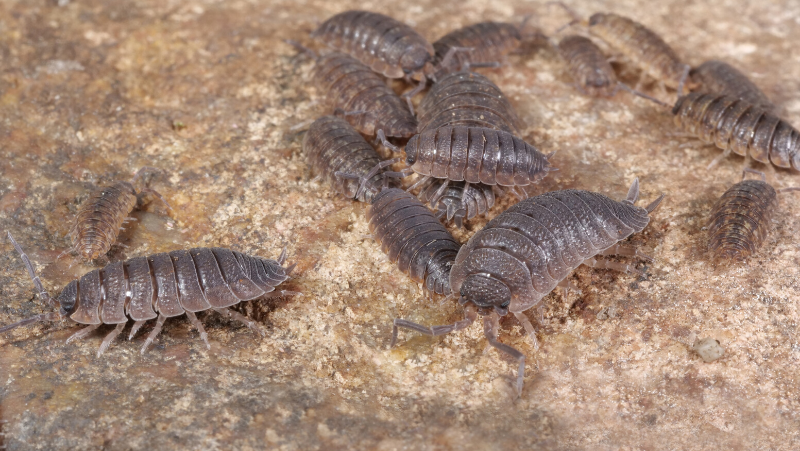
To effectively eliminate slaters, also known as pill bugs or roly-polies, several methods can be used. The best approach typically combines a few strategies to ensure thorough eradication. Here are some of the most effective methods:
Understanding Slaters
Slaters, or pill bugs, are small, terrestrial crustaceans that thrive in damp environments. Understanding their behavior and habitat is essential for effective control. They prefer decaying organic matter and high humidity, which makes gardens and moist areas their preferred home. To effectively target them, consider the following:
- Location: Identify areas where slaters are abundant.
- Environment: Know that they thrive in damp, shady places.
- Diet: Recognize that they feed on decaying plant material.
Natural Predators
Encouraging natural predators can be an effective and environmentally friendly way to control slater populations. Certain species feed on slaters, helping to keep their numbers in check. Consider these predators:
- Birds: Many bird species enjoy a slater as part of their diet.
- Frogs: Frogs and toads can be beneficial in gardens.
- Beneficial Insects: Predatory insects like ground beetles also help control slater numbers.
Cultural Control Methods
Implementing cultural control methods can vastly reduce slater populations in gardens and yards. These methods focus on modifying the environment to make it less hospitable for slaters. Consider the following practices:
See also:
- Drying Out Areas: Reduce moisture by improving drainage.
- Removing Debris: Clear away decaying plant material that provides food and shelter.
- Crop Rotation: Changing plant types can disrupt their lifecycle.
Homemade Traps and Baits
Using homemade traps can effectively capture and kill slaters without resorting to harmful chemicals. Simple traps can be made using materials found around the house. Here are some options:
- Beer Traps: Bury a container filled with beer; slaters will be attracted and drown.
- Soapy Water: A mixture of water and dish soap can incapacitate slaters when sprayed.
- Eggshells: Scatter crushed eggshells around plants; it can deter slaters as they prefer not to crawl over jagged surfaces.
Chemical Control Options
If slater populations are overwhelming and natural methods are insufficient, chemical solutions may be needed. It's crucial to use these responsibly to avoid harming beneficial insects and the environment. Consider these chemical options:
- Pesticides: Look for those specifically targeting slaters but use with caution.
- Granular Insecticides: These can be spread around affected areas for targeted application.
- Follow Label Instructions: Always read and adhere to the guidelines on pesticide labels for safe application.
What is the best way to kill earwigs in a vegetable garden?
:max_bytes(150000):strip_icc()/how-to-i-get-rid-of-earwigs-1402695_v3-d71fbb62cc6f4518a3924da1b2d5be9d.png)
To effectively manage and eliminate earwigs in a vegetable garden, consider the following strategies. Earwigs can become pests as they may feed on young plants and seedlings, so it's important to control their population without harming your garden's health.
Understanding Earwigs
Earwigs, characterized by their pincers, are typically nocturnal and hiding in damp, dark areas during the day. Knowing their behavior can help in targeting them effectively. Pay attention to the following aspects:
- Habitat: They thrive in moist environments, often under leaves or in mulch.
- Feeding habits: They feed on decaying organic matter, plants, and sometimes fruits.
- Life cycle: Understanding their reproductive cycle is important for timing interventions.
Physical Barriers
Using physical barriers can significantly reduce earwig populations in your garden. Here are some methods:
- Row covers: These can prevent earwigs from accessing vulnerable plants.
- Handpicking: Regularly inspect plants and remove earwigs manually during the early morning.
- Traps: Set up simple traps using rolled-up newspaper or cardboard to catch them overnight.
Natural Predators
Encouraging the presence of natural predators can help control earwig populations. Consider these approaches:
- Encourage birds: Attract birds by installing birdhouses or feeders.
- Beneficial insects: Introduce ladybugs and lacewings, which prey on various pests.
- Frogs and toads: Creating a habitat can attract these creatures, which consume earwigs.
Homemade Remedies
Several homemade remedies can deter or kill earwigs in the garden. Here are some popular options:
- Soap and water spray: Mix soap with water to create a spray that suffocates earwigs on contact.
- Neem oil: Diluted neem oil can disrupt their life cycle and repel them.
- Coffee grounds: Sprinkling coffee grounds around plants may deter earwigs, as they dislike the caffeine.
Chemical Solutions
While chemical solutions should be a last resort, there are options available for more serious infestations. Consider these aspects:
- Insecticidal soaps: These are less harmful to beneficial insects and can alleviate earwig problems.
- Granular insecticides: Products specifically targeting earwigs can be applied according to label instructions.
- Timing: Apply these treatments in the evening when earwigs are most active for better results.
How to get rid of vegetable weevils?
:max_bytes(150000):strip_icc()/what-is-a-weevil-2656439-ADD-COLOR-440b669ff6cc4d6aa6c6cb60a9faa733.png)
To get rid of vegetable weevils, it's essential to employ a combination of preventive measures and treatment strategies. These pests can significantly damage your vegetable crops if left unchecked. Here are several effective methods to manage and eliminate them from your garden.
Identification of Vegetable Weevils
Identifying vegetable weevils is the first step in managing their presence. These pests typically have distinctive characteristics that can help you determine their species.
See also:
- Physical appearance: Vegetable weevils usually have elongated bodies with a snout-like projection. The coloration can vary from dark brown to black or gray.
- Signs of damage: Look for small holes in leaves, which may indicate feeding, or the presence of larvae that can cause more extensive damage.
- Life cycle awareness: Understanding their life cycle can help pinpoint the best times for intervention.
Prevention Strategies
Preventing an infestation is the most effective way to manage vegetable weevils. Implement these strategies to deter them from your garden.
- Crop rotation: Change the location of your crops each season to disrupt the life cycle of weevils.
- Companion planting: Utilize plants that repel weevils, such as marigolds or garlic, alongside your vegetables.
- Remove debris: Keep your garden area clean of fallen leaves and debris that may harbor pests.
Natural Remedies
If you already have a weevil problem, natural remedies can help you control their population.
- Neem oil: This natural pesticide disrupts the insects' life cycle and is safe for plants and humans.
- Diatomaceous earth: Sprinkle this fine powder around affected areas to physically damage the weevils.
- Soap solution: A mixture of water and dish soap can suffocate and kill adult weevils on contact.
Chemical Control Methods
If natural remedies are not effective, consider using chemical pesticides as a last resort. Ensure you follow safety guidelines and application instructions carefully.
- Insecticidal sprays: Use targeted insecticides that are effective against weevils, making sure they are safe for edible plants.
- Granular insecticides: Applying these can provide longer-lasting control but be cautious with usage near beneficial insects.
- Timing of application: Apply pesticides at the right time in the weevil life cycle for maximum effectiveness.
Regular Monitoring and Maintenance
Continuous monitoring is vital to keep weevils at bay. Incorporate these practices into your routine.
- Frequent inspections: Regularly check your plants for signs of weevils or their damage.
- Use traps: Set up sticky traps to catch adult weevils and monitor their presence.
- Record-keeping: Maintain a log of pest populations and damage levels to make informed decisions about control measures.
How to get rid of slaters outside?
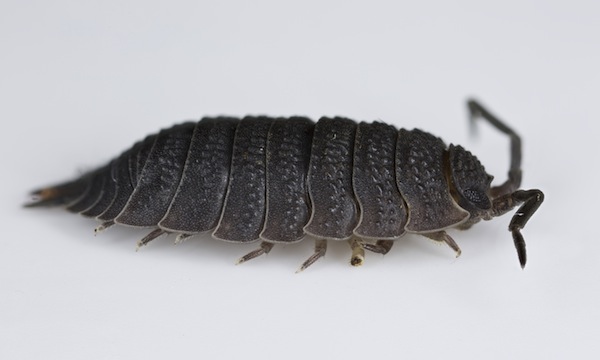
Identify Slaters and Their Habitats
Understanding the habitat of slaters, also known as pill bugs or roly-polies, is crucial to effectively manage them in your yard. Slaters thrive in damp, dark environments, often found under rocks, logs, or decaying leaves. Recognizing where they congregate will help in targeting these areas during removal efforts.
- Check under debris, such as logs or garden waste.
- Inspect moist areas in your garden, as slaters prefer to stay hydrated.
- Look for them in the shaded spots where the soil remains cool and damp.
Create a Drier Environment
One effective way to deter slaters is to create a drier environment around your home and garden. Reducing moisture levels can discourage their presence. You can achieve this by improving drainage and minimizing excess water accumulation.
- Regularly rake leaves and remove plant debris to allow soil to dry.
- Adjust your watering schedule to avoid overwatering plants.
- Install drainage systems or use gravel in areas where water tends to pool.
Utilize Natural Predators
Introducing natural predators can significantly help manage slater populations. Beneficial insects such as certain types of beetles or birds commonly feed on slaters, keeping their numbers in check.
- Encourage birds by putting up birdhouses in your garden.
- Introduce beneficial insects that prey on slaters, like ground beetles.
- Avoid using pesticides that kill predators as well.
Employ Traps and Barriers
You can set up traps and barriers to restrict slater movement in your outdoor space. Using homemade traps or buying commercial varieties can help capture them effectively.
- Use a simple trap with a container filled with beer or soapy water to attract and capture slaters.
- Place barriers like copper tape around the base of plants to deter slaters from reaching them.
- Install mesh or screens to cover soil areas where slaters typically enter the garden.
Consider Chemical Solutions
When other methods fail, you might consider using chemical solutions specifically designed for slater control. However, it's essential to use them responsibly to protect beneficial insects and the environment.
- Choose targeted insecticides that specifically mention slaters in their usage.
- Apply chemicals in the evening when slaters are most active.
- Follow all instructions on the product label to ensure safety and effectiveness.
Questions from Our Readers
How can I naturally reduce slater populations in my veggie patch?
To naturally reduce slater populations, consider introducing beneficial predators like birds or insects, and use organic repellents such as diatomaceous earth or coffee grounds. Additionally, maintaining good garden hygiene by removing debris and ensuring proper drainage can help minimize their habitat.
What plants can deter slaters from my vegetable garden?
Certain plants, such as lavender, rosemary, and thyme, are known to deter slaters due to their strong scents. Incorporating these companion plants around your veggies can create a more unfriendly environment for slaters.
See also:
Are commercial pesticides effective against slaters?
Yes, commercial pesticides can be effective against slaters; however, it's crucial to choose ones that are safe for use in vegetable gardens. Always read the label instructions carefully to ensure they won't harm your plants or beneficial insects.
How do I manually remove slaters from my veggie patch?
Manually removing slaters can be done by checking your plants regularly, particularly at night when they are most active. You can hand-pick them off or use a trapping method, such as placing a damp newspaper on the ground overnight and collecting them in the morning.

If you want to read more articles like How to Get Rid of Slaters in My Veggie Patch: Effective Tips and Tricks for a Healthy Garden, we recommend you check out our Weeds category.
Leave a Reply
Related Articles