The Best Time to Spray Broadleaf Weeds in Australia: A Seasonal Guide for Effective Weed Control

Effective weed control is a critical aspect of maintaining healthy lawns and gardens, particularly when dealing with broadleaf weeds. In Australia, the timing of herbicide application can significantly influence the success of weed management strategies. Understanding the seasonal patterns of broadleaf weed growth is essential for optimizing the effectiveness of spraying. This guide will provide you with insights into the best times of year to target these persistent weeds, considering factors such as climate variations across regions, the life cycle of various weed species, and the best practices for herbicide application. Stay ahead in your weed control efforts with this seasonal approach.
Best Time to Spray Broadleaf Weeds in Australia
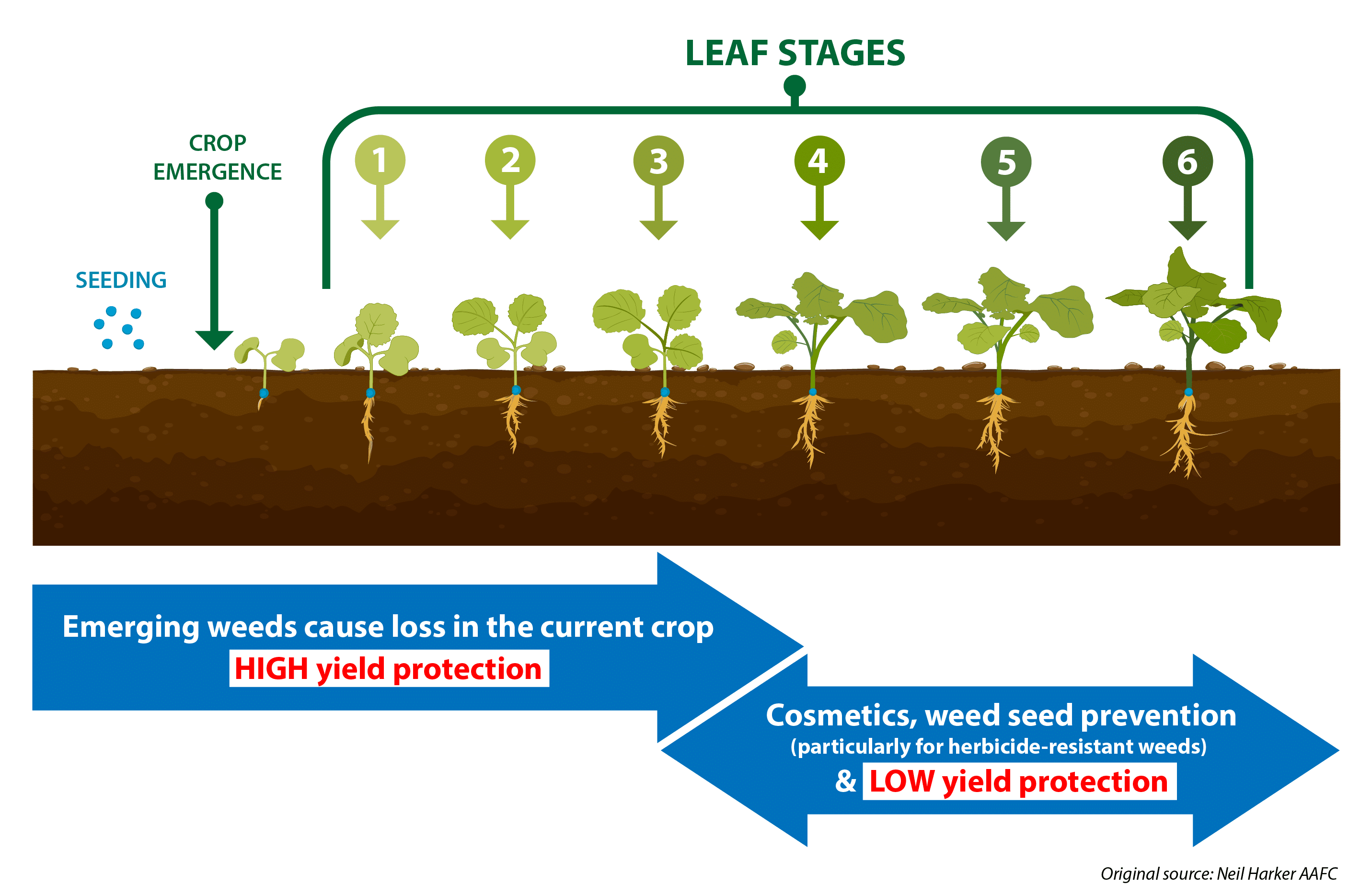
The best time to spray broadleaf weeds in Australia largely depends on the specific species of weeds present and the climatic conditions of the region. Generally, the most effective period for herbicide application is during the active growth phase of the weeds, which typically occurs in spring or early autumn when temperatures are moderate, and moisture levels are sufficient. Spraying during these times ensures that the herbicides are absorbed more efficiently by the weeds, leading to better control. It's essential to monitor local conditions and follow the label recommendations of the products used to achieve optimal results.
Understanding Broadleaf Weeds
Broadleaf weeds are often characterized by their broad leaves and can outcompete native and desirable plants for nutrients, water, and light. They typically thrive in a variety of environments from gardens to agricultural fields in Australia. Recognizing the different types of broadleaf weeds, such as dandelions, clover, and thistles, can help determine the appropriate control measures and herbicide applications needed for effective treatment.
Best Time of Year for Spraying
The ideal time for spraying broadleaf weeds is usually in spring just as the weeds begin to emerge or during early autumn before they enter dormancy. Spraying during these seasons maximizes the efficacy of the herbicides as the plants are actively growing. It's crucial to apply when temperatures are mild, typically between 15-25°C, to reduce stress on both plants and the effectiveness of the herbicides.
Weather Conditions for Effective Spraying
For successful herbicide application, weather conditions play a critical role. It is best to spray when there is no rain forecasted for at least 24 hours afterward, allowing time for the product to be absorbed fully. Additionally, avoid spraying during extreme heat (over 30°C) or wind, which can cause drift and affect neighboring plants, leading to unintended damage.
Types of Herbicides for Broadleaf Weeds
There are several types of herbicides specifically designed for controlling broadleaf weeds, including selective and non-selective options. Selective herbicides, such as 2,4-D, target broadleaf weeds while leaving grasses unharmed, making them ideal for lawns and pastures. Non-selective herbicides, like glyphosate, will kill all vegetation they contact and should be used with caution. Understanding the right product for your specific situation is key to effective weed management.
Post-Spray Care and Recommendations
After spraying broadleaf weeds, it is recommended to monitor the treated area for any regrowth and to avoid mowing or disturbing the soil for a period of time, usually 2-4 weeks. This allows the herbicide to effectively work through the weed's system. Additionally, maintaining a healthy lawn or garden with proper fertilization and watering can help prevent future weed infestations and promote the growth of desired plants.
| Time of Year | Conditions | Herbicide Type | Application Notes |
|---|---|---|---|
| Spring | Mild temperatures (15-25°C), no rain | Selective (e.g., 2,4-D) | Monitor for adequate absorption |
| Early Autumn | Cooler conditions, no frost | Non-selective (e.g., glyphosate) | Avoid mowing for 2-4 weeks |
When should you spray for broadleaf?

Understanding Broadleaf Weeds
Broadleaf weeds are a common issue in many landscapes and gardens. They are characterized by their wide leaves and can often outcompete more desirable grasses and plants for resources. Effective management of these weeds is crucial for maintaining a healthy lawn or garden. The timing of application is essential for successful control, as it impacts the effectiveness of herbicides. Considerations such as the growth stage of the weeds and environmental conditions can greatly influence the outcome of your spraying efforts.
- Identify the Type of Broadleaf Weeds: Recognizing the specific species you are dealing with can influence the herbicide choice and timing.
- Observe Growth Stages: Different stages of growth (early, mid, or late) may require different treatment approaches.
- Check for Environmental Conditions: Weather can play a critical role in the effectiveness of herbicides; unfavorable conditions can hinder results.
Optimal Timing for Spraying
The most effective time to spray for broadleaf weeds is during their active growth periods, typically in the spring and fall. This is when the weeds are taking in nutrients and are more susceptible to herbicides. Early spring, just as the weeds start to emerge, provides an ideal opportunity as they can be targeted before they fully establish themselves. Similarly, fall treatments can help eliminate weeds before they go dormant for winter.
- Early Spring Applications: Target allows for effective control before weeds mature.
- Late Summer to Early Fall: A second opportunity to suppress weeds before winter.
- Avoid Hot Summer Days: High temperatures can stress plants and reduce the efficacy of the herbicides.
Spot Treatments vs. Broadcast Spraying
Deciding between spot treatments and broadcast spraying largely depends on the extent of the infestation. For minor or isolated patches of broadleaf weeds, spot treatments can be more efficient and less harmful to surrounding plants. On the other hand, if the weeds are widespread throughout the lawn or garden, a broadcast spray may be necessary for uniform control. Both methods have their advantages and should be chosen based on the specific circumstances of the garden or lawn.
- Spot Treatments: Economical and targeted; minimizes impact on desirable plants.
- Broadcast Spraying: Ensures comprehensive coverage for extensive infestations.
- Follow-up Monitoring: Check for weed resurgence after treatment to decide if reapplication is needed.
Choosing the Right Herbicide
It's essential to select the correct herbicide based on the type of broadleaf weeds you want to control. Pre-emergent herbicides are best for preventing new weed seeds from germinating, while post-emergent herbicides are effective on weeds that are already established. When choosing a product, consider factors like the specific weed species, the time of year, and the safety of the herbicide for surrounding plants and the environment.
- Pre-emergent Options: Best for proactive weed management when applied before seeds germinate.
- Post-emergent Options: Effective for tackling actively growing weeds upon application.
- Read Labels Carefully: Different herbicides come with specific instructions regarding effective timing and application rates.
Environmental Considerations for Spraying
Environmental factors such as temperature, humidity, and wind conditions can significantly affect the efficacy of herbicide applications. Ideal conditions typically involve mild temperatures and moderate humidity, which help enhance the absorption and effectiveness of the chemicals. Windy conditions can lead to drift, causing the herbicide to affect unintended areas. Therefore, checking the weather before spraying is crucial to ensure the best results.
- Optimal Weather Conditions: Aim for calm, cool, and slightly humid days for better absorption.
- Avoid Rainy Days: Rain shortly after application can wash away herbicide, reducing its effectiveness.
- Monitor Upcoming Weather Patterns: Ensure that conditions remain stable for a day or two after spraying to enhance effectiveness.
What is the best month to spray for weeds?

The best month to spray for weeds typically depends on the specific type of weeds you are targeting, your geographic location, and the local climate. Generally, spring is considered one of the most effective times for weed control, particularly from late March to early May. During this period, many weeds are just starting to germinate, making them more susceptible to herbicides. However, fall applications can also be beneficial for certain perennial weeds.
Factors Influencing the Best Time to Spray
The effectiveness of weed control can be influenced by various factors, including:
See also:
- Types of Weeds: Different species have varying growth patterns and vulnerabilities. For example, annual weeds often thrive in the spring, whereas perennial weeds may require treatment in the fall.
- Local Climate: Temperature and moisture levels in your area significantly impact weed germination and growth. Understanding your local climate can optimize the timing of your applications.
- Herbicide Type: Different herbicides have specific application windows based on their effectiveness. Some are best applied pre-emergent, while others work better post-emergent.
Spring vs. Fall Application
Both spring and fall applications have their merits, depending on the weeds you are targeting:
- Spring Application: Spraying in the spring targets young, tender weeds that are just beginning to grow, making them easier to kill.
- Fall Application: Some perennial weeds strengthen their root systems during the fall. Applying herbicides at this time can inhibit their growth before winter.
- Timing: Applying in the early morning or late afternoon when temperatures are cooler can enhance the herbicide's effectiveness.
Regional Considerations
Different regions may require tailored approaches based on local environmental conditions:
- North vs. South: Northern regions often see a different weed emergence timeline compared to southern regions, necessitating different timing for applications.
- Humidity Levels: High humidity can affect the performance of certain herbicides, so regional humidity patterns should be considered.
- Frost Dates: Knowing the last frost date in your area helps determine the safest application times to avoid damage to desirable plants.
Weather Conditions
Weather conditions at the time of application can also affect the success of weed control:
- Rainfall: Spraying right before a heavy rainfall can wash away herbicides, reducing their effectiveness.
- Temperature: Ideal temperatures for applying herbicides are generally between 60°F to 85°F, as extreme temperatures can affect their potency.
- Wind: Windy conditions can cause herbicide drift to non-target plants, leading to potential damage when spraying.
Maintenance After Application
Post-application care is crucial for the effectiveness of weed control:
- Watering Guidelines: Avoid watering the area for a specified time post-application to allow the herbicide to soak into the weeds.
- Monitoring: Keep an eye on the treated area for any signs of regrowth or resistance to the herbicide.
- Reapplication: Some weeds may require multiple treatments, so understanding when and how to reapply is key to successful weed management.
Questions from Our Readers
What is the best time to spray broadleaf weeds in Australia?
The best time to spray broadleaf weeds in Australia is typically during the active growth stage of the weeds, which is usually in spring and early autumn. During these periods, the plants are more susceptible to herbicides, ensuring a higher rate of effectiveness.
Why is timing important when spraying for broadleaf weeds?
Timing is crucial when spraying for broadleaf weeds because applying herbicides at the wrong time can lead to ineffective control. Weeds need to be actively growing for the chemicals to be absorbed efficiently, so spraying during dormant periods can result in poor outcomes.
What weather conditions are ideal for spraying broadleaf weeds?
Ideal weather conditions for spraying broadleaf weeds include mild temperatures, low humidity, and no wind. Spraying under these conditions helps to ensure that the herbicide remains effective on the target plants and reduces the risk of drift to non-target species.
Can I spray broadleaf weeds during a drought?
It's generally not recommended to spray broadleaf weeds during a drought because the stress on the plants can reduce herbicide effectiveness. Instead, it’s better to wait until there is adequate moisture, allowing for enhanced absorption and improved weed control.
See also:

If you want to read more articles like The Best Time to Spray Broadleaf Weeds in Australia: A Seasonal Guide for Effective Weed Control, we recommend you check out our Weeds category.
Leave a Reply
Related Articles