How Do You Train Zucchini to Climb a Trellis? A Step-by-Step Guide for Gardeners
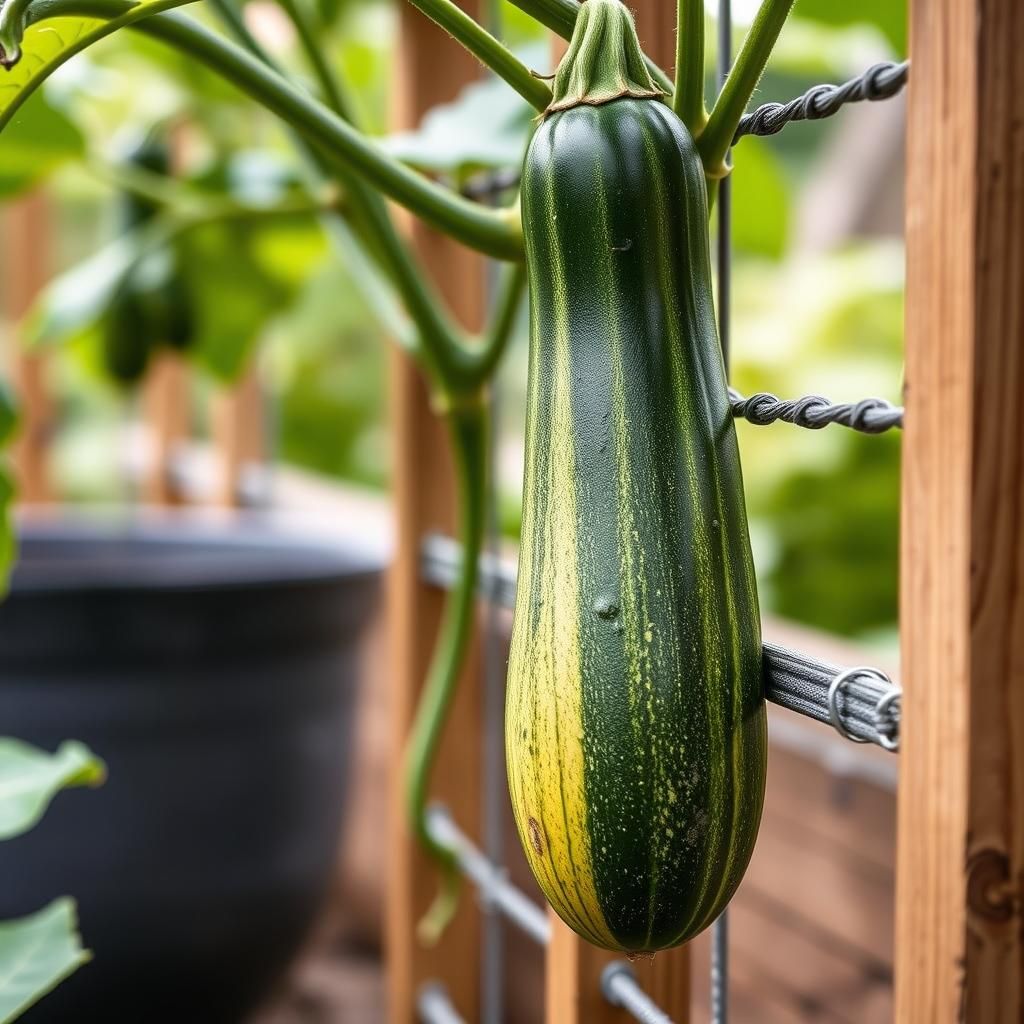
Growing zucchini can be a rewarding experience, especially when you harness the vertical space in your garden by training these plants to climb a trellis. This method not only saves ground space but also promotes better air circulation and reduces the risk of pests and diseases. In this step-by-step guide, we'll explore effective techniques for training zucchini to ascend a trellis, ensuring healthier plants and a bountiful harvest. Whether you are a seasoned gardener or a beginner, this guide will provide you with the knowledge and confidence needed to elevate your zucchini growing game.
How to Train Zucchini to Climb a Trellis
Training zucchini to climb a trellis is an effective way to maximize garden space and improve air circulation around the plants. To begin, select a sturdy trellis that is at least 5 to 6 feet tall. Start by planting zucchini seeds or seedlings at the base of the trellis, ensuring they have enough room to grow. As the plants begin to grow, gently guide their stems towards the trellis and use soft ties or cloth strips to secure them in place. Be sure to regularly check the plants, adjusting the ties as necessary to accommodate their growth. This method not only keeps the zucchini off the ground, reducing the risk of rot and pests, but also makes harvesting the fruits easier and more accessible.
Choosing the Right Trellis
Selecting an appropriate trellis is crucial for the successful growth of climbing zucchini. Ideal trellises are made from materials like wood, metal, or strong plastic, and should have a grid or lattice design to provide support. The trellis should be sturdy enough to handle the weight of growing zucchini and tall enough to allow for vertical growth, ideally around 5 to 6 feet in height. Additionally, positioning the trellis in a location with ample sunlight will further enhance the growth of the plants.
Preparing the Soil
Before planting your zucchini, it is essential to prepare the soil adequately. Zucchini plants thrive in rich, well-drained soil that is high in nutrients. To prepare, amend the soil with compost or well-rotted manure to improve fertility and structure. Ensure the soil has a slightly acidic to neutral pH level (between 6.0 and 7.0) for optimal growth. Conducting a soil test can help you determine the exact amendments needed, setting the stage for robust zucchini growth.
Planting Zucchini Seedlings
When planting zucchini seedlings, it’s important to follow proper techniques to encourage climbing. Plant the seedlings directly at the base of the trellis, spacing them about 2 to 3 feet apart to allow room for growth. Ensure that you plant them deep enough, covering their roots well in the prepared soil. Water the seedlings thoroughly after planting to help establish them, and consider applying a layer of mulch around the base to retain moisture and suppress weeds.
Guiding the Zucchini Vines
As the zucchini plants grow, guiding their vines towards the trellis is critical for successful training. Monitor the plants frequently, gently lifting the vines and placing them against the trellis. Secure them with soft ties to avoid damaging the stems. It’s beneficial to guide the vines upwards in a gentle loop, rather than forcing them, which can stress the plant. Regularly adjusting the ties as the vine grows will support vertical growth and prevent any breakage.
Maintaining Your Climbing Zucchini
To ensure your climbing zucchini continues to thrive, maintenance is key. Regularly check for pests and diseases, removing any affected leaves promptly. Keep the base of the trellis clear of debris to prevent fungal infections. Water consistently, aiming for at least 1 inch of water per week, especially during dry spells. Additionally, applying a balanced organic fertilizer every few weeks will provide essential nutrients, promoting healthy vine growth and fruit production.
| Task | Description |
|---|---|
| Choosing a Trellis | Select sturdy, tall trellis with a supportive structure. |
| Preparing Soil | Ammend with compost for rich, nutrient-dense soil. |
| Planting | Set seedlings at the base, allow space for growth. |
| Guiding Vines | Regularly direct and secure vines to the trellis. |
| Maintenance | Monitor for pests, keep soil moist, and fertilize. |
How to encourage zucchini to climb?
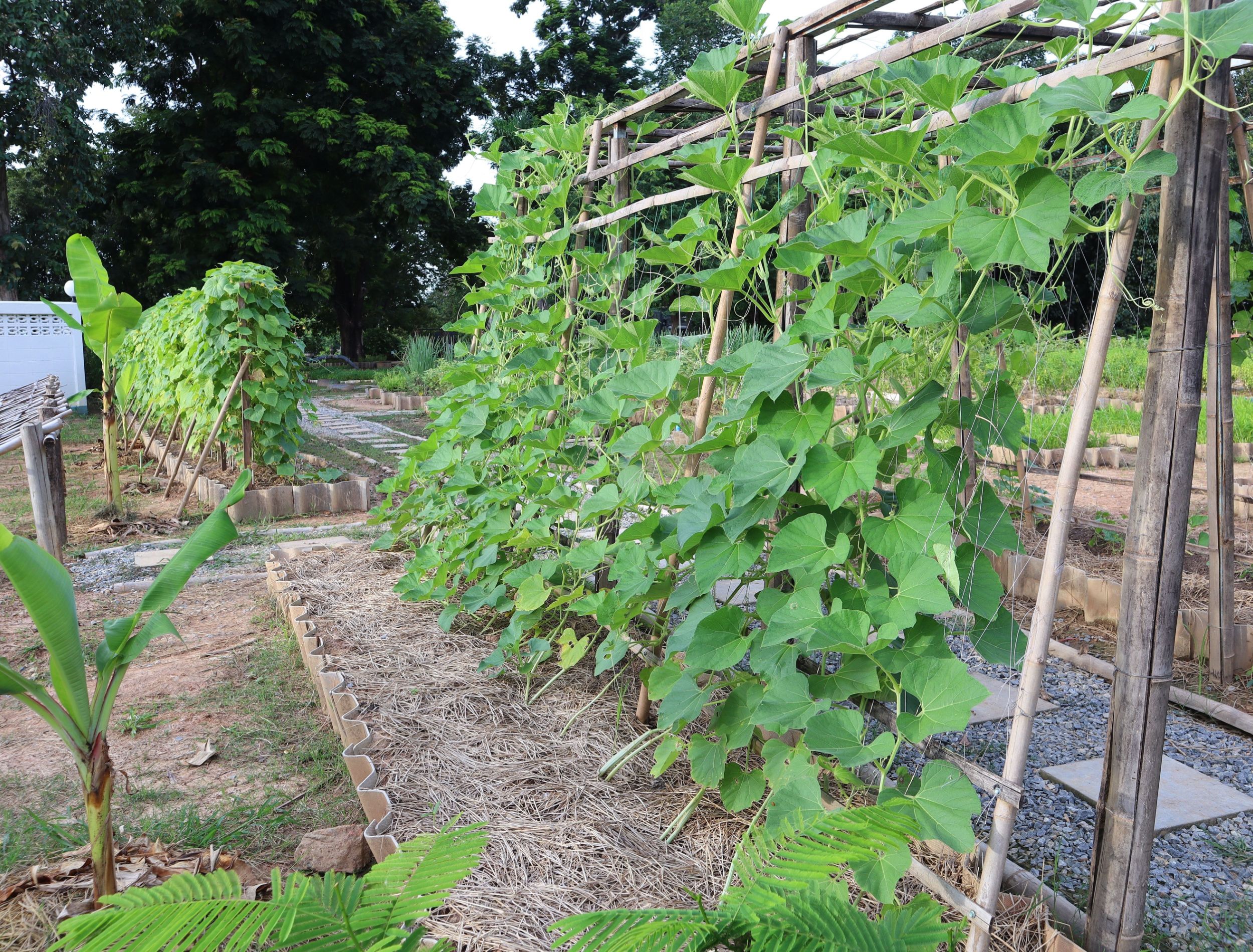
To encourage zucchini to climb, you can implement several techniques to support their growth and maximize space in your garden. Zucchini plants are generally bush-type, but with the right care and structure, you can train them to climb, which can help prevent disease and improve air circulation. Here are some detailed methods to encourage zucchini to climb effectively.
Provide Adequate Support
Providing a sturdy support system is essential for helping zucchini climb. This can be achieved in several ways:
See also:
- Install Trellises: Use wood, metal, or plastic trellises that are at least 5-6 feet tall. Ensure the structure is stable enough to hold the weight of the growing zucchini.
- Use Fences: If you have a fence in your garden, consider training your zucchini to climb along it. This utilizes existing structures and can save space.
- Create A-Frames: An A-frame made from bamboo poles or other materials can provide a robust climbing surface and can easily be moved as needed.
Utilize Proper Planting Techniques
Planting zucchini with proper spacing and techniques can encourage them to climb. Consider these steps:
- Space Your Plants: Ensure that zucchini plants are spaced adequately, about 3 to 4 feet apart. This gives them enough room to spread and access support structures.
- Plant Near The Support: Place zucchini plants at the base of your climbing structure to encourage immediate upward growth.
- Positioning: Position plants so that their natural growth direction is towards the support. Semi-shade areas can also enhance leaf growth, further aiding climbing.
Train Your Zucchini
Training the zucchini to climb is a crucial step. Here’s how to do it:
- Guide Vines: As the zucchini starts to grow, gently guide the vines towards the support structure. You can do this by tying them lightly with soft ties.
- Prune Wisely: Prune excess leaves and branches from the base to focus the plant's energy on climbing and fruit production.
- Rotate Growth: Rotate the plant’s growth around the frame or trellis periodically to promote even climbing and prevent overcrowding.
Encourage Healthy Growth
Healthy zucchini plants will be more eager to climb. Focus on these key aspects:
- Soil Quality: Ensure the soil is rich in organic matter and has good drainage to promote vigorous growth.
- Water Regularly: Zucchini requires consistent moisture, especially during warm weather. Regular watering encourages strong, healthy vines.
- Use Fertilizers: Apply a balanced fertilizer to provide essential nutrients that support growth and climbing abilities.
Monitor for Pests and Disease
Keeping your zucchini free from pests and diseases is crucial for climbing success. Here are some tips:
- Inspect Regularly: Regularly check the leaves and stems for signs of pests, such as aphids or squash bugs, and take action promptly.
- Use Organic Treatments: Use neem oil or insecticidal soap as organic treatment options to keep pests at bay.
- Maintain Good Air Circulation: Prune overcrowded areas to allow airflow, which helps prevent fungal diseases and keeps the plants healthy for climbing.
What not to plant around zucchini?
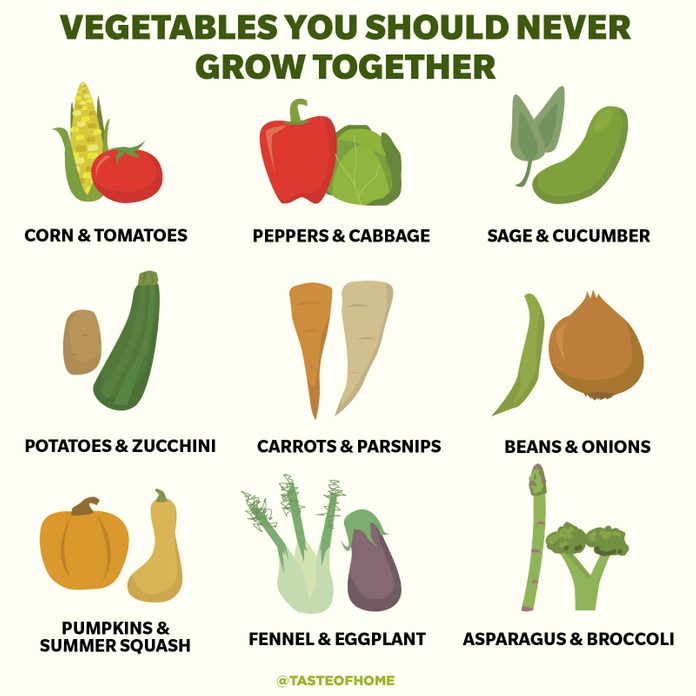
Zucchini, or courgette, is a popular vegetable in home gardens. However, when planning a garden, it's important to know which plants should not be grown near zucchini. Certain plants can compete for resources, attract pests, or hinder each other’s growth due to their characteristics.
Companion Planting Considerations
Companion planting is the practice of planting different crops in proximity for mutual benefit. In the case of zucchini, there are certain plants that should be avoided due to their negative impact on zucchini's growth:
- Squash Bugs: These insects are highly attracted to zucchini and will thrive near other squash family members.
- Potatoes: They can harbor pests like the Colorado potato beetle that will also target zucchini.
- Sunflowers: While they may look beautiful, they can draw aphids that can affect zucchini plants.
Plants That Attract Pests
Certain plants can attract pests that specifically target zucchini. Keeping these plants away can help minimize pest problems:
- Marigolds: Although often recommended for pest control, marigolds can accidentally attract pests that harm zucchini.
- Sage: This herb has a strong aroma that can attract certain pest species.
- Cucumbers: They can attract aphids and cucumber beetles, which may spread to zucchini.
Negative Nutrient Interactions
Some plants compete with zucchini for nutrients and can negatively impact their growth. Avoid planting the following:
- Tomatoes: Both tomatoes and zucchini require similar nutrients, leading to potential deficiencies for one of the crops.
- Corn: Corn can overshadow zucchini, limiting sunlight and affecting its growth.
- Peppers: Both peppers and zucchini can compete for water and soil nutrients, which can limit their vitality.
Space Requirements
Zucchini plants need ample space to thrive, and crowded conditions can lead to poor air circulation and increased disease susceptibility. Avoid planting:
See also:
- Beans: They can grow rapidly and may overshadow zucchini, leading to a reduced yield.
- Beets: Their growth habit can limit the air circulation around zucchini plants.
- Brassicas: Such as broccoli or cabbage, which require similar space but can dominate the area.
Allelopathic Plants
Certain plants release chemicals that can inhibit the growth of nearby plants, a phenomenon known as allelopathy. For zucchini, avoid:
- Carrots: They can inhibit zucchini growth through their root exudates.
- Celery: Similar to carrots, celery can release compounds harmful to zucchini.
- Onions: They can produce substances that are detrimental to zucchinis and interfere with their growth.
What is the best support for zucchini plants?

The best support for zucchini plants largely depends on the growing method and space available. However, one effective solution is to use vertical gardening techniques that allow zucchini plants to grow upwards, reducing the risk of disease and improving air circulation. Here are some of the best options for supporting zucchini plants:
Using Trellises
Trellises are an excellent choice for supporting zucchini plants. By utilizing a trellis, you can encourage the plants to grow vertically. This not only saves space but also helps in reducing the incidence of rot by keeping the fruits off the ground. When using a trellis, consider the following:
- Material: Choose sturdy materials like wood, metal, or plastic that can withstand the weight of the growing zucchini.
- Height: Ensure the trellis is at least 4-6 feet tall to accommodate the plant's growth.
- Securing Plants: Use soft ties or plant clips to gently secure the zucchini vines to the trellis as they grow.
Staking
Staking is another reliable method of support for zucchini plants. By inserting stakes into the ground next to the plants, you can tie the vines to the stakes, keeping them upright. This method is particularly useful for bush varieties. Consider the following when staking:
- Choosing Stakes: Use strong wooden or metal stakes that can support the weight of the zucchini.
- Tie Method: Employ soft twine or fabric strips to avoid damaging the plant stems.
- Placement: Insert stakes early in the growing season to avoid disturbing the roots later.
Using Cages
Cages are an effective support option for zucchini plants, providing a rounded structure for the plants to grow around. This keeps the plants organized and reduces ground contact. When selecting or creating cages:
- Diameter: Ensure the cage is wide enough (at least 24 inches) to accommodate the spreading nature of zucchini plants.
- Height: A minimum height of about 4 feet is recommended for ample space.
- Material: Use sturdy wire or fencing materials that can withstand the weight of the plant and fruit.
Using Hoops and Netting
Horticultural hoops covered with netting can provide both support and protection for zucchini plants, especially in areas prone to pests. This can also promote upward growth. When using hoops and netting:
- Hoop Material: Opt for flexible materials that can easily be shaped into arches or domes.
- Netting Type: Use lightweight netting to prevent birds and insects from reaching the plants.
- Stability: Secure the base of the hoops firmly in the ground to prevent them from falling over.
Mulch and Ground Cover
While not a traditional support method, using mulch and ground cover can help prevent the zucchini from direct contact with the soil, thus minimizing rot. This method is often used in conjunction with other support systems. Consider the following points:
- Material: Use organic materials like straw, wood chips, or grass clippings to create a protective layer.
- Thickness: Apply a layer of at least 3 inches to effectively suppress weeds and retain soil moisture.
- Benefits: Ground cover promotes healthier plants and can improve soil quality over time.
Questions from Our Readers
How do you start training zucchini to climb a trellis?
To begin training zucchini to climb a trellis, you should first select a sturdy trellis that fits your garden space. Once your seeds or seedlings are a few inches tall, gently guide their main stems toward the trellis using soft ties or garden twine, ensuring that the plants receive adequate sunlight and air circulation.
What type of trellis works best for zucchini plants?
The best type of trellis for zucchini plants is typically a vertical frame made of wood or metal that is strong enough to support the heavy vines and fruit. A grid-like design allows the plants to latch onto it easily, and a height of at least 4 to 6 feet ensures that the zucchini has enough space to grow upward.
See also:
How often should I prune zucchini plants when training them?
Pruning zucchini plants is essential when training them to climb. You should regularly remove any excess foliage or side shoots to focus the plant’s energy on vertical growth and fruit production. Aim to prune every few weeks to maintain maximum airflow and prevent disease.
Will climbing zucchini affect the quality of the fruit?
Training zucchini to climb can actually enhance the quality of the fruit by promoting better air circulation and sunlight exposure. This method can result in larger, healthier zucchinis, as the plants are less prone to disease and can develop more evenly compared to those grown on the ground.

If you want to read more articles like How Do You Train Zucchini to Climb a Trellis? A Step-by-Step Guide for Gardeners, we recommend you check out our Trellis category.
Leave a Reply
Related Articles