What are the disadvantages of using planters? Exploring the Downsides of Container Gardening
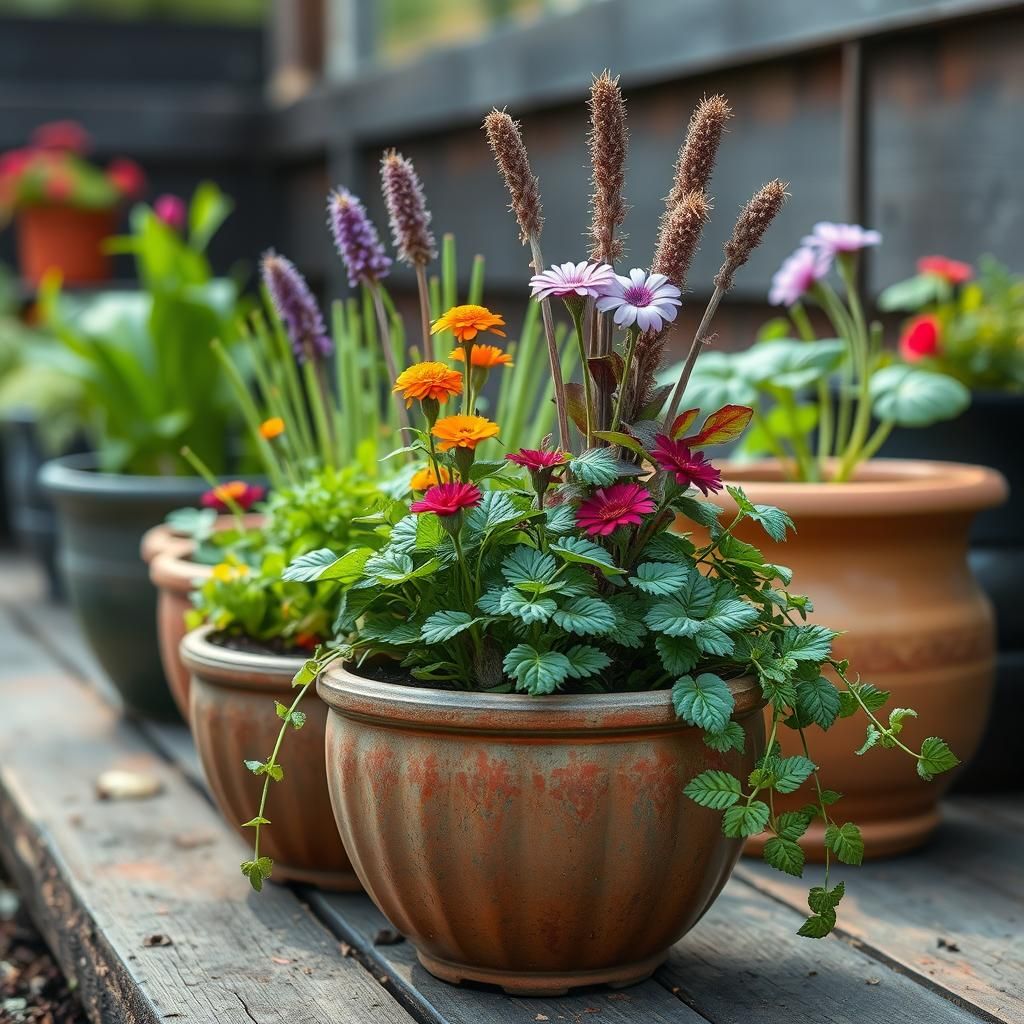
Container gardening has gained popularity for its versatility and aesthetic appeal, allowing gardeners to cultivate plants in limited spaces. However, while planters offer various benefits, they also come with notable disadvantages that can impact plant health and overall gardening success. This article delves into the downsides of using planters, shedding light on challenges such as limited root space, potential drainage issues, and the need for more frequent watering and fertilization. By understanding these drawbacks, gardeners can make informed decisions and explore alternative gardening methods that may better suit their needs and environmental conditions.
Disadvantages of Using Planters
Using planters can offer a range of benefits for gardening, but there are also several significant disadvantages to consider. One major issue is the cost; high-quality planters can be expensive compared to traditional in-ground gardening. Additionally, planters may not provide enough insulation for plant roots, leading to temperature fluctuations during the day and night that can harm delicate plants. There's also the potential for limited space; while planters can be versatile, they may restrict root growth and limit the variety of plants that can thrive. Furthermore, planters require regular maintenance, including watering and fertilizing, which can be time-consuming for some gardeners. Lastly, improper drainage can lead to waterlogged soil, potentially causing root rot and other related issues.
Cost Considerations
One of the primary disadvantages of using planters is the initial cost involved. Quality materials, especially for larger planters, can be quite expensive. While inexpensive options are available, they may not be durable or effective in supporting the health of the plants. Gardeners need to be aware of the long-term investment required, including potential replacements or upgrades, which can accumulate over time.
Temperature Regulation Issues
Planters, unlike traditional garden beds, can struggle to maintain a consistent temperature for plant roots. Since they are above ground, their contents can heat up quickly in sunny conditions and cool down rapidly at night. This can lead to stress on plants that require stable conditions to thrive, which is especially problematic for tender varieties that are sensitive to temperature fluctuations.
Space Limitations
Another disadvantage is the limited space planters can offer. While they provide a controlled environment for some plants, they often restrict the root growth area, which can inhibit the overall health and size of the plants. This limitation means that gardeners may need to avoid certain types of plants that require more space, reducing the diversity of what can be grown effectively.
See also:
Maintenance Requirements
Planters tend to require more frequent maintenance than traditional garden beds. This includes regular watering, as they can dry out faster, and consistent fertilization to ensure that plants have the necessary nutrients. Additionally, planters may need to be checked for pests more often, leading to an increased workload for gardeners who might prefer a more low-maintenance approach.
Drainage Problems
Improper drainage is a critical concern when using planters; without adequate drainage holes, water can become trapped, leading to waterlogged soil. This condition can cause serious health issues for plants, such as root rot and fungal diseases, ultimately leading to plant decline. It's essential for gardeners to monitor moisture levels closely and ensure that planters are set up for proper drainage to avoid these challenges.
| Disadvantage | Description |
|---|---|
| Cost | High initial investment for quality planters. |
| Temperature Regulation | Fluctuations can stress plants. |
| Space | Restrictions on root growth limit plant variety. |
| Maintenance | Requires more frequent care and monitoring. |
| Drainage | Poor drainage can lead to serious plant health issues. |
Understanding the Limitations of Container Gardening
Container gardening, while popular for its aesthetic appeal and flexibility, has several disadvantages that potential gardeners should consider. One major downside is the limited root space; plants in containers may quickly become root-bound, restricting their growth potential. Additionally, containers can dry out much more rapidly than garden beds, requiring more frequent watering and potentially leading to nutrient depletion if not managed properly. Moreover, the temperature fluctuations in containers can harm plants, as the soil tends to heat up and cool down faster than in-ground beds. Lastly, the initial investment in high-quality planters and appropriate potting soil can be higher compared to traditional gardening, which may deter new gardeners.
Limited Root Space
One of the most significant disadvantages of using planters is the limited root space available for plants. In contrast to traditional garden beds, containers restrict the growth of plant roots, which can lead to stunted growth and poor health. If the roots do not have enough room to expand, plants may become root-bound, resulting in reduced nutrient uptake and water absorption. This limitation can ultimately lead to a decline in overall plant vigor, fruiting, and flowering.
Increased Watering Needs
Plants in containers typically require more frequent watering compared to those planted in the ground. The soil in pots can dry out quickly, especially in hot weather or sunny locations. This means that gardeners must regularly check moisture levels and be prepared to provide additional hydration. Failing to do so can lead to drought stress, negatively impacting plant health and yields.
See also:
Nutrient Depletion
Containers can become nutrient-depleted more rapidly than traditional garden beds. Since the soil in pots has a finite amount of nutrients, it is essential for gardeners to provide regular fertilization and amendments to support healthy plant growth. Neglecting this aspect can result in deficiency symptoms, such as yellowing leaves or poor fruit development, which may require significant intervention to rectify.
Temperature Fluctuations
The soil in planters is subject to temperature fluctuations that can adversely affect plant health. Containers tend to heat up quicker in the sun and cool down faster at night compared to conventional garden beds. These rapid changes can stress plants, leading to poor growth and increased vulnerability to pest infestations and diseases. Gardeners must be mindful of these conditions and may need to provide additional protection from extreme temperatures.
Higher Initial Costs
Starting a container garden often involves higher initial costs than traditional gardening. Quality planters, potting soil, and necessary drainage materials can add up quickly. Additionally, if gardeners choose specialty containers or plants, expenses can increase significantly. This investment can be a barrier for new gardeners, especially if they are uncertain about the sustainability of their container gardening endeavors.
Questions from Our Readers
What are the main disadvantages of using planters?
Using planters can come with several disadvantages. One of the main issues is that planters require proper drainage; without it, plants can suffer from root rot. Additionally, planters can limit root growth compared to traditional ground planting, which may affect the overall health of the plants.
Do planters require more maintenance than garden beds?
Yes, planters often require more maintenance compared to garden beds. They need more frequent watering, as soil in planters can dry out faster. Moreover, fertilizing and managing pests can be more challenging due to the more contained growing environment.
See also:
Are planters more expensive than traditional gardening methods?
Planters can be more expensive than traditional gardening methods due to the cost of the containers themselves, soil, and other supplies. Depending on the material of the planter, prices can vary significantly, adding to the overall cost of the gardening project.
Can using planters affect plant growth negatively?
Yes, using planters can negatively impact plant growth if not managed properly. The limited soil volume can restrict nutrient availability and water retention, leading to potential deficiencies in essential elements needed for optimal growth.

If you want to read more articles like What are the disadvantages of using planters? Exploring the Downsides of Container Gardening, we recommend you check out our Planter category.
Leave a Reply
Related Articles