Why Put Cardboard in the Bottom of a Planter? Discover the Benefits and Tips!
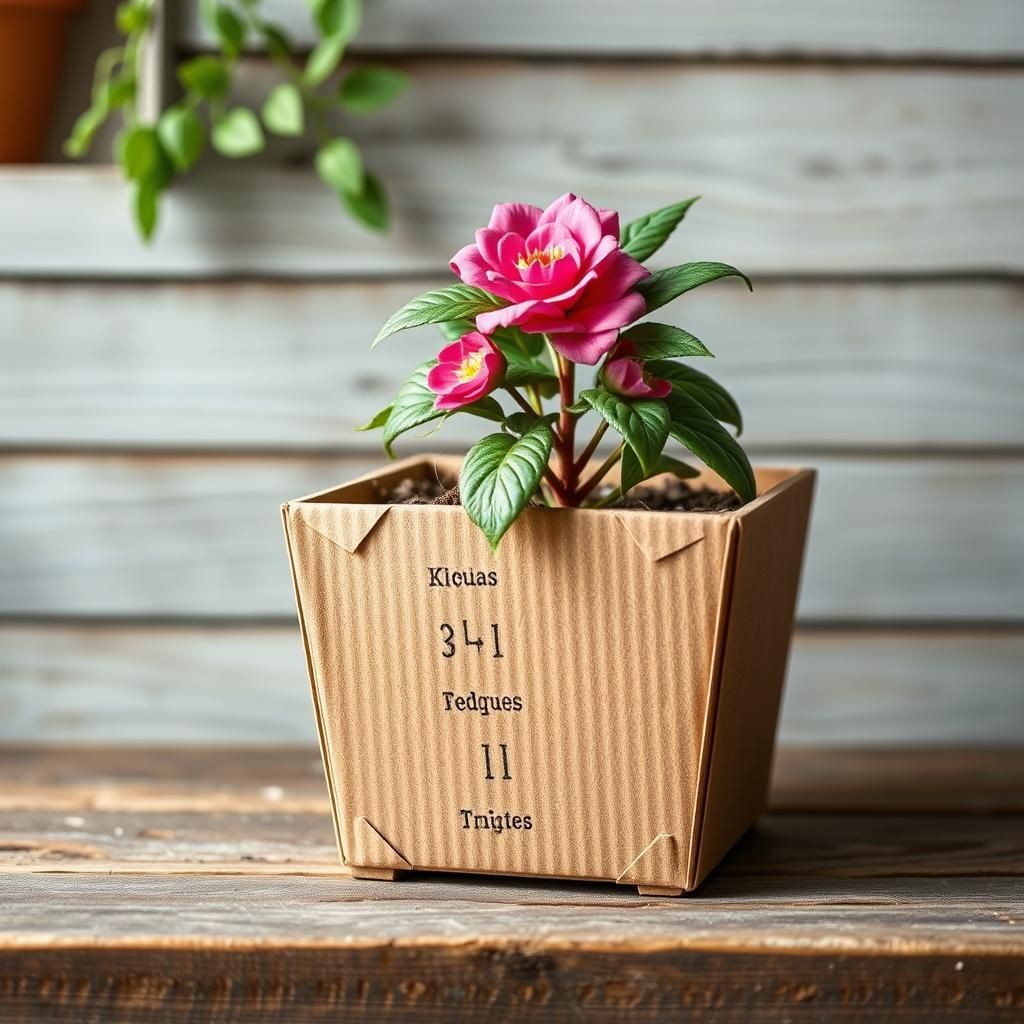
When gardening, managing drainage and soil health is crucial for the success of your plants. One effective yet often overlooked technique is placing cardboard at the bottom of your planter. This simple step offers numerous benefits, from improved drainage to enhanced aeration, while also helping to suppress weeds and retain moisture. In this article, we will explore the reasons behind using cardboard in planters, share practical tips for implementation, and highlight the eco-friendly advantages of this method. Discover how this inexpensive solution can boost your gardening efforts and contribute to a thriving plant ecosystem.
Why Put Cardboard in the Bottom of a Planter?
Placing cardboard at the bottom of a planter serves multiple beneficial purposes. First and foremost, it acts as a drainage layer that helps to prevent soil from washing away while still allowing excess water to escape, thus maintaining an appropriate moisture level for plant roots. Additionally, cardboard can suppress weeds that might otherwise invade the growing space, providing a cleaner environment for your plants. Over time, the cardboard decomposes, enriching the soil with organic matter that supports healthier plant growth. By utilizing recycled materials like cardboard, you contribute to more sustainable gardening practices, reducing waste while enhancing your planting efforts.
Benefits of Using Cardboard for Drainage
Using cardboard in your planter enhances drainage significantly. It allows water to flow through while preventing heavy soil from compacting at the bottom, which can lead to root rot and other moisture issues. The rigid structure of cardboard can create small air pockets that improve aeration in the soil, making it easier for roots to breathe and absorb nutrients effectively.
Weed Suppression with Cardboard
Cardboard is an effective tool for weed suppression in planters. By placing it at the bottom, you block sunlight from reaching weed seeds, which can hinder their germination and growth. This simplifies garden maintenance, allowing your desirable plants to thrive without competition from invasive species. It acts like a barrier, ensuring that your plants can access essential resources without being overwhelmed by unwanted flora.
Environmental Impact of Using Cardboard
Utilizing cardboard in planters has a positive environmental impact. It promotes recycling and reduces landfill waste, as many gardeners have surplus cardboard from boxes and packaging. By incorporating these materials into gardening, you contribute to a more sustainable practice that benefits not only your garden but the planet as a whole, encouraging others to consider eco-friendly options in their gardening methods.
Soil Enrichment Over Time
Another advantage of placing cardboard in planters is that it enriches the soil over time as it decomposes. The breakdown of cardboard adds organic matter to the soil, improving its texture and nutrient content. This gradual process helps in creating a healthier growing environment, as it supports beneficial microorganisms and aids in moisture retention, leading to more vigorous plant growth.
Cost-Effective Gardening Solution
Using cardboard as a bottom layer in planters is a cost-effective gardening solution. This approach minimizes the need for expensive drainage solutions or store-bought materials, making it accessible for gardeners on a budget. By utilizing recycled materials, you can enhance your gardening experience without the burden of additional costs, allowing you to allocate resources to other aspects of your gardening endeavors.
| Aspect | Details |
|---|---|
| Drainage | Improves water flow and prevents soil compaction. |
| Weed Control | Blocks sunlight, reducing weed growth. |
| Environmental Benefits | Promotes recycling and decreases waste. |
| Soil Enrichment | Breaks down to add nutrients to soil. |
| Cost Savings | Reduces need for expensive gardening materials. |
What is the best thing to put in the bottom of a planter for drainage?

To ensure proper drainage in a planter, it is essential to use materials that facilitate water movement away from the roots. The best thing to put in the bottom of a planter for drainage includes items like gravel, pebbles, or specific drainage products. These materials help to create a barrier that prevents soil from clogging the drainage holes while allowing excess water to escape. Here are some effective options:
Gravel as a Drainage Material
Gravel is one of the most commonly used materials for drainage in planters due to its effectiveness and availability. It allows for excellent water flow and helps to keep the soil from becoming waterlogged. Additionally, gravel does not decompose, making it a long-lasting solution.
- Size Variety: Using various sizes of gravel can enhance drainage; larger stones create channels for water, while smaller ones fill gaps.
- Weight: Gravel is heavy enough to stay in place, ensuring it forms a stable layer at the bottom of the planter.
- Cost-Effective: Gravel is often inexpensive and easy to source from local suppliers.
Pebbles for Drainage
Pebbles can also be an excellent choice for increasing drainage. Like gravel, they create space for excess water to escape. They can add an aesthetic element to your planter, making it visually appealing while serving a practical purpose.
- Decorative Look: Pebbles can enhance the planter's appearance while being functional.
- Easy to Handle: Pebbles are relatively lightweight and easy to work with for creating a drainage layer.
- Prevention of Soil Erosion: They help prevent the soil from washing away through the drainage holes.
Activated Charcoal
Activated charcoal is another effective material that can be placed at the bottom of planters. While its primary function is to reduce odors and toxins in the soil, it also aids in drainage.
- Odor Control: Activated charcoal absorbs unpleasant smells, contributing to a healthier environment for the plants.
- Moisture Management: It helps with moisture retention, ensuring that the soil remains adequately hydrated without becoming overly saturated.
- Soil Aeration: The porous nature of activated charcoal allows for improved air circulation within the planter.
Landscape Fabric
Using landscape fabric as a barrier above the drainage layer can help keep the soil separate from the drainage medium while allowing water to move freely. This method is particularly useful in preventing soil from clogging drainage materials.
See also:
- Separation: Landscape fabric effectively separates soil from gravel or pebbles, preventing soil compaction.
- Durability: It is made from materials designed to withstand outdoor conditions, ensuring longevity.
- Lightweight: Easy to cut and place, allowing for custom fitting in any planter.
Perlite and Pumice
Adding perlite or pumice to the bottom of a planter can improve drainage significantly. Both materials create air pockets within the soil, preventing compacting while enhancing drainage.
- Lightweight: Both perlite and pumice are lightweight, making them simple to handle and maneuver.
- Air Porosity: They provide excellent aeration, promoting healthy root development.
- Retention of Nutrients: These materials help retain nutrients while improving drainage capabilities.
Why put cardboard down before planting?

Putting down cardboard before planting is a practice that can greatly benefit the health of your garden soil and plants. Here are some of the key reasons for this method:
Weed Suppression
Using cardboard in your garden provides a strong barrier against weeds. When you place cardboard down, it blocks sunlight from reaching the seeds and small plants that would otherwise sprout and compete with your desired plants.
- Prevents light: Cardboard effectively inhibits the growth of weeds by restricting their access to sunlight.
- Smothers existing weeds: If there are already weeds present, the cardboard can suffocate them, preventing their growth and seed dispersal.
- Reduces maintenance: With fewer weeds to contend with, you'll spend less time weeding and more time enjoying your garden.
Soil Improvement
Cardboard not only helps with weed management but also contributes to overall soil health. As it breaks down over time, it adds valuable organic matter to the soil.
- Enhances soil structure: Decomposed cardboard improves the structure of the soil, promoting better aeration and water retention.
- Nutrient provision: The breakdown of cardboard releases nutrients like carbon back into the soil, beneficial for plant growth.
- Microbial activity: Cardboard acts as a food source for beneficial soil organisms, which enhances the overall ecosystem of your garden soil.
Moisture Retention
Another significant advantage of laying down cardboard is its ability to retain moisture in the soil. This can be crucial, especially in drier climates.
- Reduces evaporation: Cardboard acts as a barrier that limits water loss from the soil surface, keeping the moisture available for plant roots.
- Consistent hydration: With improved moisture retention, your plants can remain hydrated for longer periods, which is particularly beneficial during hot weather.
- Encourages deep rooting: By ensuring that soil remains moist, cardboard encourages plants to develop deeper root systems, which are more resilient in adverse conditions.
Biodegradability and Sustainability
Using cardboard is an eco-friendly choice for gardeners. It's a sustainable option that reuses materials that might otherwise contribute to waste.
- Recyclability: Cardboard is a material that can be recycled, making its use in gardening a smart choice for reducing waste.
- Less plastic: By opting for cardboard instead of plastic barriers, you're making an environmentally-friendly decision that benefits the planet.
- Supports composting: As cardboard decomposes, it can help contribute to a healthy compost system, supporting a circular economy in your garden.
Cost-Effectiveness
Finally, using cardboard is a cost-effective method for improving your garden. It's typically an inexpensive or free resource compared to other gardening materials.
- Low or no cost: You can often find cardboard for free at local stores or through recycling programs, reducing your gardening expenses.
- Increases yield: The benefits it provides—such as weed suppression and soil enhancement—can lead to higher yields without the need for expensive chemical weeders or fertilizers.
- DIY gardening: Using cardboard makes gardening more accessible to those on a budget, allowing more people to enjoy the benefits of growing their own food.
Do I need to put cardboard at the bottom of a raised bed?

Using cardboard at the bottom of a raised bed can be beneficial for various reasons. While it is not strictly necessary, many gardeners choose to do so as part of their bed preparation. Cardboard can help with weed control, improve soil health, and manage moisture within the bed.
Benefits of Using Cardboard
Cardboard offers several advantages when placed at the bottom of a raised bed. These benefits include:
- Weed Prevention: Cardboard acts as a barrier against weeds, preventing them from growing up into your raised bed.
- Soil Improvement: As cardboard decomposes, it adds organic material to the soil, enriching it with nutrients.
- Moisture Retention: The cardboard can help retain moisture in the soil, which is particularly beneficial during dry spells.
How to Use Cardboard
To correctly utilize cardboard in your raised bed, follow these steps:
- Choose the Right Cardboard: Use clean, untreated cardboard that does not have plastic coatings or heavy inks.
- Layering: Lay the cardboard flat, overlapping the edges to prevent weeds from sneaking through the gaps.
- Moisten: Wet the cardboard before placing soil on top to help it break down more quickly.
Alternatives to Cardboard
If you are considering not using cardboard, there are other options to explore:
See also: Can You Use a Garbage Bag as a Planter Liner? Pros, Cons, and Tips for Gardening
- Landscape Fabric: This porous material allows water and nutrients to pass through while preventing weed growth.
- Compost Layer: Instead of cardboard, you can start with a layer of compost to nourish plants right from the bottom up.
- Wood Chips or Bark: These materials can also create a barrier while adding organic matter to the soil as they break down.
Potential Drawbacks of Cardboard
There are some considerations to keep in mind when using cardboard:
- Decomposition Rate: Depending on the environment, cardboard may decompose quickly or slowly, impacting its effectiveness.
- Pests: Cardboard can attract certain pests, such as ants or termites, which might not be desirable.
- Moisture Issues: If not properly managed, cardboard can become soggy and lead to poor drainage.
Best Practices for Raised Bed Gardening
Regardless of whether you choose to use cardboard, consider these best practices for raised bed gardening:
- Correct Depth: Ensure your raised bed is deep enough to support healthy root growth—typically 12-18 inches.
- Soil Composition: Use a blend of topsoil, compost, and other organic materials for optimal growth.
- Rotate Crops: Change the types of plants grown in each bed from year to year to prevent soil depletion and disease.
What is the cardboard hack for gardening?
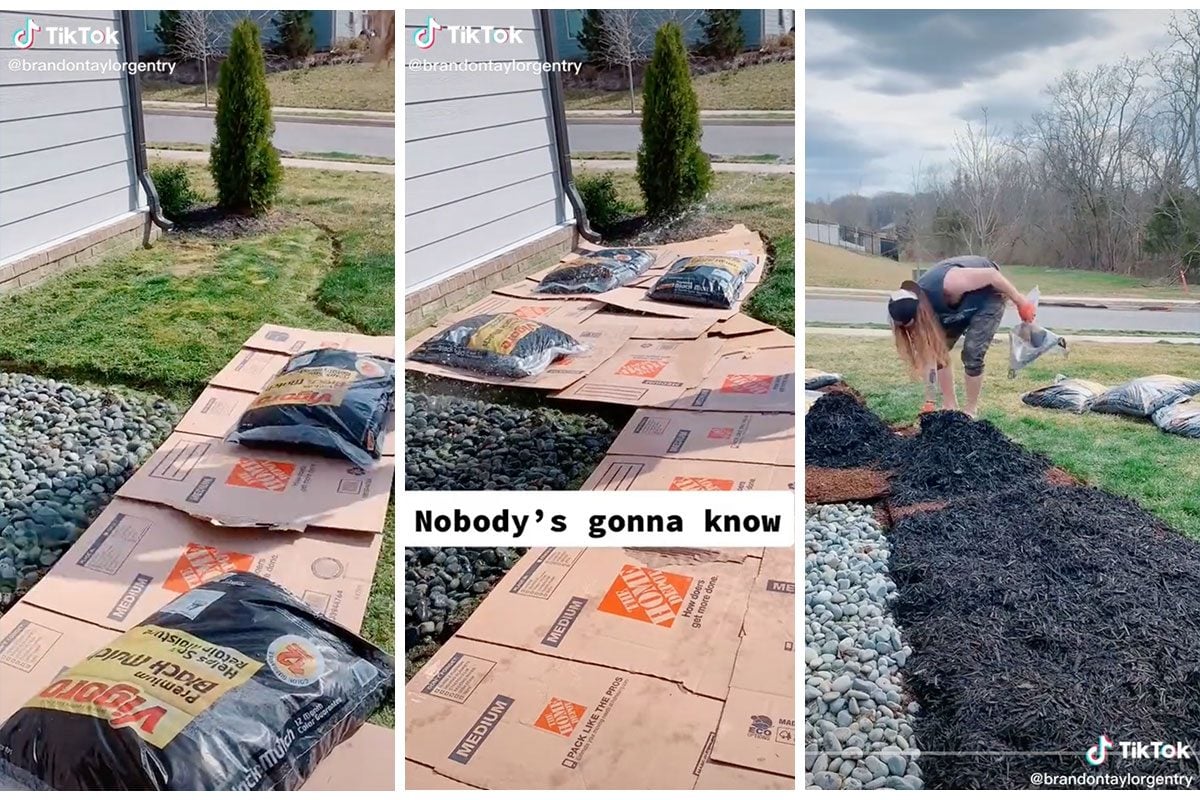
The cardboard hack for gardening involves using cardboard as a versatile and environmentally friendly method to improve soil quality, suppress weeds, and create a more sustainable gardening environment. This technique is especially useful for those interested in organic gardening practices. It integrates easily into garden layouts and promotes healthy plant growth while minimizing the need for harmful chemicals.
Benefits of Using Cardboard in Gardening
Using cardboard in the garden offers numerous benefits that enhance soil health and garden productivity. Some of the most significant advantages include:
- Weed Suppression: Cardboard effectively blocks light, hindering weed germination and growth.
- Soil Improvement: As cardboard decomposes, it adds organic matter to the soil, which improves soil structure and fertility.
- Moisture Retention: The cardboard helps retain moisture in the soil, reducing the frequency of watering.
How to Use Cardboard in Your Garden
Implementing the cardboard hack in your garden is simple and requires minimal preparation. Follow these steps to effectively use cardboard:
- Gather cardboard: Collect clean, non-waxed cardboard without plastic or glossy finishes.
- Prepare the area: Clear the garden space of existing weeds and debris to create a suitable base for the cardboard.
- Layer it properly: Lay down the cardboard sheets over the area, overlapping edges to prevent any light from penetrating through and covering with mulch to enhance stability.
Cardboard as a Weed Barrier
Utilizing cardboard as a weed barrier is one of its most practical applications. It effectively prevents sunlight from reaching unwanted plants, ensuring that:
- Effective blocking: Cardboard acts as an impenetrable cover, blocking out light that weeds need to grow.
- Natural decomposition: Over time, the cardboard breaks down, enriching the soil and contributing to the ecosystem of your garden.
- Cost-effective solution: Using cardboard is a low-cost strategy compared to other synthetic weed barriers available on the market.
Composting with Cardboard
Cardboard can play a crucial role in composting, as it is a carbon-rich material that aids in the decomposition process. Its use promotes the creation of high-quality compost through:
- Perfect carbon source: Cardboard provides the necessary carbon needed to balance nitrogen-rich materials in your compost.
- Air circulation: Crumpling or tearing cardboard helps improve aeration in the compost pile, facilitating the breakdown of organic materials.
- Reducing landfill waste: Utilizing cardboard in your compost reduces waste, promoting a more sustainable lifestyle.
Alternative Uses of Cardboard in the Garden
Beyond its primary use, cardboard can be adapted for various innovative gardening methods. Some alternative uses include:
- Seedling pots: Cardboard can be fashioned into biodegradable pots for starting seedlings, allowing for direct planting once the seedlings are ready.
- Pathways: Using cardboard as temporary garden pathways can protect the soil from trampling while providing stability.
- Mulching material: Once shredded, cardboard can serve as an effective mulch, aiding in moisture retention and temperature regulation in the garden.
Questions from Our Readers
Why should I put cardboard in the bottom of a planter?
Putting cardboard in the bottom of a planter helps with drainage and reduces the risk of root rot. The cardboard allows water to flow through while preventing soil from escaping, creating a well-ventilated environment for your plants.
Does cardboard decompose in the planter?
Yes, cardboard is a biodegradable material that will eventually decompose in the planter. This decomposition process adds nutrients back into the soil, benefiting the plants as they grow.
Can I use any type of cardboard for my planter?
It's best to use plain cardboard without any plastic coatings or heavy inks. Using recyclable cardboard types ensures that no harmful chemicals leach into the soil, making it safe for your plants.
How does cardboard affect soil temperature?
Cardboard can help to insulate the soil, regulating its temperature by keeping it cooler in hot weather and warmer in cold conditions. This can lead to a more stable environment for root growth and overall plant health.
See also:

If you want to read more articles like Why Put Cardboard in the Bottom of a Planter? Discover the Benefits and Tips!, we recommend you check out our Planter category.
Leave a Reply
Related Articles