How Deep Does Soil Need to Be for a Hedge? Essential Tips for Optimal Growth

When planning to establish a hedge, understanding soil depth is crucial for optimal growth and health of the plants. The depth of soil directly influences root development, moisture retention, and nutrient availability, all of which are vital for a thriving hedge. In this article, we will explore the ideal soil depth requirements for various hedge types, as well as essential tips to create the best growing conditions. Whether you aim for a decorative border or a privacy screen, knowing the right soil depth can make a significant difference in the success of your hedge project.
How Deep Should Soil Be for a Hedge?
The ideal depth of soil for planting a hedge typically ranges from 12 to 18 inches. This depth ensures that the roots can establish themselves firmly, allowing for adequate absorption of water and nutrients. A deeper soil layer promotes better drainage, which is essential for hedge growth and prevents issues such as root rot. It is also important to consider the type of hedge being planted, as different species may have varying root structures that can influence depth requirements. Additionally, soil quality should be taken into account; well-aerated and fertile soil can enhance the overall health and growth of the hedge.
Factors Influencing Soil Depth for Hedges
The depth of soil required for a hedge can be influenced by several factors, including the species of the plant, local climate, and soil conditions. Some species have deeper root systems that necessitate more soil depth to flourish, while others may be adaptable to shallower soils. Local climate plays a significant role in determining how much moisture is retained in the soil, which can impact root health. Additionally, compaction and soil structure can affect how well roots can penetrate the ground, so assessing these conditions is vital.
Optimal Soil Types for Hedges
When planting a hedge, choosing the right type of soil is crucial. A well-draining mix, often comprised of loam, sand, and organic matter, promotes healthy root growth. Clay soils, while rich in nutrients, can retain too much moisture, leading to poor drainage and root issues. Conversely, sandy soils allow for excellent drainage but may not retain sufficient nutrients or moisture for robust hedge growth. Ultimately, aiming for a balanced soil composition that fosters healthy roots is essential for the longevity of the hedge.
Watering Considerations for Hedge Soil
The watering requirements of a hedge are closely tied to the depth and quality of the soil. Soil that is too shallow may dry out quickly, necessitating more frequent watering to ensure that the roots receive adequate moisture. Conversely, deeper soils with good drainage can hold moisture longer, reducing the frequency of watering. It's critical to monitor soil moisture levels, especially immediately after planting, to promote healthy root establishment and growth. Adequate watering can significantly influence the overall vitality of the hedge.
Soil Preparation Techniques for Hedging
Proper soil preparation is essential for creating the right conditions for a hedge. Before planting, the soil should be tilled to a depth of at least 12 inches, allowing for aeration and the mixing of organic matter. This practice helps break up compacted layers and improves soil structure and drainage. Additionally, incorporating compost or other organic fertilizers improves nutrient availability and promotes healthy growth. Conducting a soil test can identify any deficiencies and allow for adjustments before planting, ensuring optimal conditions.
Maintenance of Hedge Soil Depth
After establishing a hedge, ongoing maintenance of soil depth and quality is critical. Mulching around the base of the hedge can help retain soil moisture and regulate temperature, while also preventing weeds that compete for nutrients. Regularly checking the soil depth and ensuring that the root zone is not affected by erosion or compaction will promote continued healthy growth. Adjusting soil nutrients periodically based on soil tests can also contribute to the long-term success of the hedge.
| Aspect | Recommended Depth | Soil Type | Watering Frequency |
|---|---|---|---|
| General Hedge | 12-18 inches | Loamy, well-draining | Weekly, adjust based on rainfall |
| Clay Soil | 18-24 inches | Clay, mixed with sand | Bi-weekly, ensure proper drainage |
| Sandy Soil | 12-18 inches | Sandy, with organic amendments | Weekly, as it dries out quickly |
How much depth do you need for a hedge?
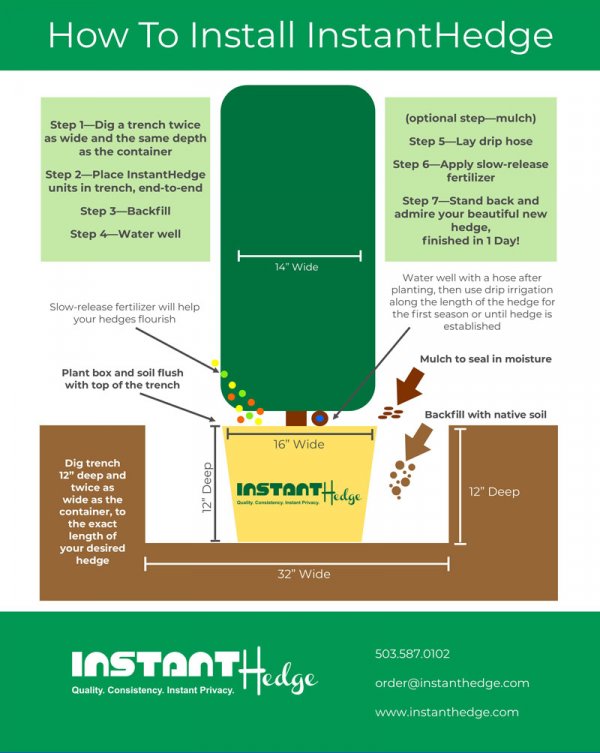
To determine the appropriate depth required for a hedge, it's essential to consider several factors, including the type of plants used, the soil conditions, and the intended privacy or boundary function of the hedge. Generally, a depth of at least 18 to 24 inches is recommended for most hedge plants to ensure adequate root growth and stability. For larger and more robust species, a depth of 24 to 30 inches may be necessary. Here are some detailed aspects to explore regarding hedge depth.
Factors Affecting Hedge Depth
The depth requirement for a hedge can vary significantly based on several factors:
- Plant Species: Different plants have unique root structures and growth habits.
- Soil Quality: Well-draining soil will affect how deeply roots can grow.
- Climate Conditions: Warmer climates may require deeper planting to ensure moisture retention.
Soil Type Considerations
The type of soil in which you are planting your hedge is crucial for determining depth:
- Sandy Soils: These allow for quicker drainage and may require less depth.
- Clay Soils: Clay retains moisture but can be compact; deeper planting may be needed.
- Loamy Soils: Ideal for most plants, typically a depth of 18-24 inches suffices.
Rooting Depth for Different Hedges
Different species of hedging plants may have various rooting depths:
- Boxwood: Typically requires a depth of 18-24 inches for optimal growth.
- Privet: Can thrive with 18 inches of depth, suitable for quick growth.
- Cypress: A recommended depth of up to 30 inches may be necessary for larger specimens.
Maintenance and Its Impact on Depth
Ongoing maintenance factors can influence the depth needed for a healthy hedge:
See also:
- Pruning: Regular pruning can promote healthier root systems, possibly allowing for shallower planting.
- Watering: Adequate watering promotes deeper root development, influencing depth requirements.
- Fertilization: Healthy soil through fertilization can allow for shallower root structures.
Importance of Depth for Hedge Function
The depth of a hedge affects its overall functionality:
- Wind Break: A deeper root system can stabilize the hedge against strong winds.
- Privacy Barrier: Adequate depth contributes to a denser foliage, enhancing privacy.
- Aesthetic Appeal: Well-established roots support healthier growth, providing a lush appearance.
How deep does soil need to be for bushes?
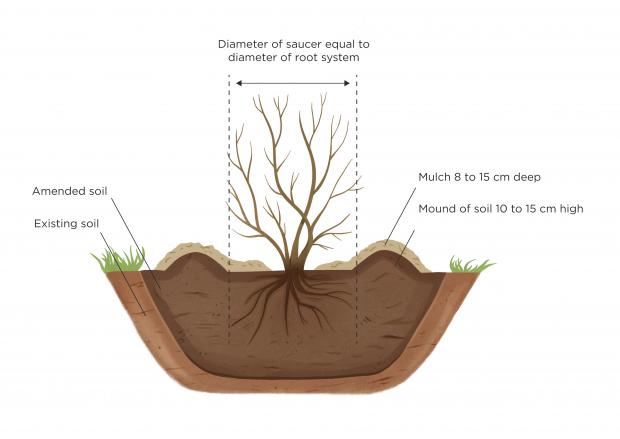
To successfully grow bushes, the depth of the soil is a crucial factor. Generally, bushes need a minimum of 12 to 18 inches (30 to 45 cm) of soil depth to thrive. This range provides enough space for the root systems to develop properly, allowing the plants to absorb necessary nutrients and water. However, the specific depth can vary depending on the species of the bush, the soil type, and the environmental conditions. Here is a detailed examination of various aspects related to this topic.
Soil Type and Its Importance
The type of soil plays a significant role in how deep the soil should be for bushes. Different soil types have varying drainage capacities and nutrient profiles.
- Sandy soil drains quickly but may require more depth for nutrient retention.
- Clay soil retains moisture but may need to be loosened for better aeration.
- Loamy soil is ideal for bushes, as it balances moisture retention and drainage.
Root System Variability
Bushes can have different root system structures, which influences their soil depth needs. Understanding the root growth patterns of specific bushes is essential.
- Shallow-rooted bushes may thrive in 12 inches of depth.
- Deep-rooted bushes often require at least 18 inches of soil for optimal growth.
- Nodulated roots might need deeper soil to support additional nutrient absorption.
Water Retention and Drainage
Proper water retention and drainage are imperative for bush health, and soil depth can impact both significantly.
- Shallow soils can lead to water runoff and insufficient moisture for healthy growth.
- Deeper soils provide a larger reservoir of moisture, beneficial during dry spells.
- Drainage issues in deeper soils can lead to root rot if not properly managed.
Environmental Conditions
Various environmental factors can influence the necessary soil depth for bushes, such as climate and location.
- Climate can affect soil moisture levels, impacting root depth needs.
- Exposure to wind may require deeper soil to anchor the bushes effectively.
- Neighboring plants can compete for nutrients, necessitating deeper soil for successful bush growth.
Maintenance Practices
Appropriate maintenance practices can also affect how deep your soil should be for bushes. These practices help ensure the roots can thrive.
- Regular watering can support the need for slightly shallower soil if done correctly.
- Mulching can help conserve moisture and improve soil quality over time.
- Soil amendments (like compost) can enhance soil depth and quality, benefiting bush health.
What soil do I need to plant hedges?
To plant hedges successfully, the type of soil you use is critical to ensure the healthy growth of the plants. Hedges typically prefer well-draining, nutrient-rich soil that allows for proper aeration and water retention. The most suitable soil types are loamy or sandy soils, which provide a good balance of drainage and moisture retention. Avoid heavy clay soils, as they can retain too much water and lead to root rot.
Soil Composition for Hedges
Hedges thrive in a soil composition that includes a mix of sand, silt, and clay. The ideal ratio should allow for good drainage while also retaining sufficient moisture.
- Loamy Soils: These are considered the best for hedges, as they contain a balanced mix of the three soil types.
- Sandy Soils: While they drain quickly, you may need to add organic matter to improve nutrient content.
- Clay Soils: These can be suitable if amended with compost to enhance drainage and aeration.
pH Level of the Soil
The pH level plays a significant role in the availability of nutrients to plants. Hedges generally prefer a slightly acidic to neutral pH, typically ranging from 6.0 to 7.5.
- Acidic Soils: If the pH is below 6.0, consider adding lime to increase alkalinity.
- Neutral Soils: These are ideal and will support most hedge plants efficiently.
- Alkaline Soils: If the pH is above 7.5, sulfur can be added to lower the pH for optimal conditions.
Organic Matter in the Soil
Incorporating organic matter such as compost or well-rotted manure is beneficial for hedges. It enhances soil structure, improves water retention, and increases nutrient availability.
See also:
- Compost: Provides essential nutrients and helps improve the soil’s texture.
- Mulch: Applying mulch on top of the soil can help retain moisture and suppress weeds.
- Cover Crops: Planting cover crops during the off-season can add organic material back to the soil.
Drainage Considerations
Proper drainage is crucial for the healthy establishment of hedges. Poor drainage can lead to saturated soils, resulting in root diseases.
- Amending Soil: Add sand or organic material to improve drainage in heavy soils.
- Raised Beds: Constructing raised beds can help ensure better drainage for your hedge plants.
- Regular Monitoring: Check for water pooling in the area where the hedges are planted and address any drainage issues promptly.
Planting Techniques for Hedges
The way you plant hedges can influence how well they establish in the soil you prepare. Proper planting techniques can also help the roots adapt to the soil conditions.
- Spacing: Ensure adequate spacing based on the mature width of the hedge to allow for airflow and root expansion.
- Depth of Planting: Plant at the same depth as the nursery pot to prevent root issues.
- Watering: Water thoroughly after planting to settle the soil and encourage root establishment.
What is the depth of a hedge?
The depth of a hedge can vary significantly depending on several factors, including the species of the plants used, the intended purpose of the hedge, and local environmental conditions. Generally, when referring to the depth of a hedge, it can be understood in two main ways: the horizontal depth (the width of the hedge from one side to the other) and the vertical depth (the height of the hedge from the ground level).
Factors Affecting Hedge Depth
Several factors can influence the depth of a hedge, including:
- Plant Species: Different species of plants have varying growth habits and root structures that affect their spread and depth.
- Soil Conditions: The type of soil and its fertility can impact how deep the roots grow and how wide the plants spread.
- Pest and Disease Resistance: Healthy plants may spread more effectively, while those affected by pests or diseases may not reach their full depth.
Typical Measurements
The typical measurements for hedge depth can generally be classified as:
- Width: Most hedges can develop a width between 2 to 3 feet (60 to 90 cm) for effective coverage.
- Height: While some hedges remain low at about 2 feet (60 cm), others can grow up to 10 feet (3 meters) or more.
- Root Depth: The root system can extend several feet deep, depending on the species and soil conditions.
Hedge Maintenance and Depth
Proper maintenance can impact the overall health and depth of a hedge:
- Pruning: Regular pruning helps manage the width and height, ensuring the plants don't become too dense.
- Watering: Proper watering promotes robust root growth, influencing both horizontal and vertical depth.
- Fertilization: Providing adequate nutrients supports healthy growth, which can enhance the depth of the hedge.
Types of Hedges and Their Depth
Different types of hedges can be categorized by their intended use and the resulting depth:
- Decorative Hedges: These are typically low and range from 1 to 3 feet in width and height.
- Privacy Hedges: Designed to create barriers, these often exceed 6 feet in height and can be 2 to 4 feet wide.
- Windbreaks: Usually consisting of taller, more robust species, with heights often reaching 10 feet or more.
Conclusion on Hedge Depth Considerations
When planning a hedge, the depth considerations should include your space requirements, desired privacy levels, and aesthetic preferences. Understanding these factors can help in selecting the correct species and managing its growth effectively.
Questions from Our Readers
How deep should soil be for planting a hedge?
For most hedges, the soil needs to be at least 12 to 18 inches deep to allow for proper root development. This depth ensures that the roots have enough space to grow and access nutrients and water, which are crucial for the health and growth of the plants.
Can I plant a hedge in shallow soil?
While it is possible to plant a hedge in shallow soil, it is generally not recommended as it can lead to poor growth and stunted plants. If the soil depth is less than 12 inches, consider amending the soil or using raised beds to provide enough space for the hedge's roots.
What types of hedges need deeper soil?
Larger and more established varieties of hedges, such as boxwood or laurel, typically require deeper soil (18 inches or more) for optimal growth. This depth helps accommodate their extensive root systems and supports their overall structure as they mature.
Are there any special considerations for hedges in poor soil?
If you are planting hedges in poor soil, it's essential to improve the soil quality and ensure it is at least 12 inches deep. This can be done by adding organic matter, such as compost, which will enhance nutrient availability and support better root establishment and growth.
See also:

If you want to read more articles like How Deep Does Soil Need to Be for a Hedge? Essential Tips for Optimal Growth, we recommend you check out our Hedges category.
Leave a Reply
Related Articles