What is the Best No-Mow Lawn in Australia? Top Options and Expert Tips

Australia's diverse climate and varying soil types present unique challenges for gardeners seeking to maintain a lush lawn without the hassle of regular mowing. Enter the no-mow lawn, a stylish and eco-friendly alternative that thrives with minimal upkeep. This article delves into the best no-mow lawn options available in Australia, highlighting their benefits, suitability for different regions, and expert tips for successful establishment. Whether you're looking to reduce maintenance time, save water, or create a native habitat, understanding the top choices can transform your outdoor space into a verdant haven. Discover the perfect low-maintenance solution for your landscape today.
What is the Best No-Mow Lawn in Australia?
A no-mow lawn is an excellent choice for Australians looking for a low-maintenance and environmentally friendly alternative to traditional grass. The best options often include varieties like Kikuyu, Buffalo, and certain native grasses that are hardy, drought-tolerant, and can thrive in various Australian climates. These types of lawns not only require little to no mowing but also contribute to local biodiversity by providing habitats for native wildlife. Additionally, they minimize the need for chemical fertilizers and pesticides, making them a sustainable choice for homeowners who want to reduce their ecological footprint while still enjoying a lush, green landscape.
Kikuyu Grass
Kikuyu grass is a popular choice for no-mow lawns in Australia due to its rapid growth and ability to thrive in various soil types. This variety is drought-resistant and can handle high foot traffic, making it suitable for family yards and recreational areas. Although it does require occasional mowing to keep its height manageable, it can adapt to low maintenance settings in warm climates, flourishing even in poor soil conditions. Its vigorous growth can help suppress weeds, which is an added benefit for those looking for a natural lawn solution.
Buffalo Grass
Buffalo grass is another excellent option for a no-mow lawn in Australia, known for its dense growth and resilience. Its soft texture and rich green color make it aesthetically pleasing while also being highly resistant to pests and diseases. Buffalo grass is well-suited for warmer regions and can tolerate shade better than many other grass types, providing versatility for various garden settings. While it may require some mowing in the early growing season, it can establish itself well and maintain a lower height as it matures.
Native Australian Grasses
Using native Australian grasses such as Kangaroo Grass or Wallaby Grass can create a beautiful, low-maintenance lawn that thrives in the local environment. These grasses are adapted to Australian climates, making them drought-resistant and less reliant on watering schedules. Additionally, by choosing native options, homeowners can contribute to local wildlife habitats, as these grass varieties support a diverse ecosystem. No mowing is required for these grasses, as they naturally grow to a height that fits seamlessly into Australian landscapes.
Benefits of No-Mow Lawns
The benefits of no-mow lawns are substantial, particularly in terms of environmental impact, cost savings, and time efficiency. Homeowners can significantly reduce the use of fuel for lawnmowers, minimize noise pollution, and lower emissions. Furthermore, a no-mow lawn helps conserve water since many of the grass varieties used are drought-tolerant. These lawns also require fewer chemicals, allowing for a healthier garden ecosystem. The result is a sustainable, eco-friendly approach to outdoor spaces that requires less labor and upkeep.
Maintenance Tips for No-Mow Lawns
While no-mow lawns are designed to minimize maintenance, some tips can help ensure they remain healthy and attractive. Regular aeration and overseeding can promote strong growth and resilience against pests and weeds. Homeowners should also consider implementing a natural mulch or ground cover to further suppress weeds. Routine assessments of soil health, such as checking for nutrient levels, can ensure the grass remains robust. Additionally, watering early in the morning can help the lawn thrive without excessive evaporation, contributing to overall water conservation.
| Grass Type | Drought Resistance | Shade Tolerance | Maintenance Level |
|---|---|---|---|
| Kikuyu Grass | High | Low | Medium |
| Buffalo Grass | Medium | High | Medium |
| Native Australian Grasses | High | Medium | Low |
What is the native Australian no mow grass?

Native Australian no mow grass, commonly known as Zoysia grass, is a type of turf that thrives in the unique climatic and soil conditions of Australia. This grass species is particularly popular because it requires little to no mowing, making it an environmentally friendly option for homeowners looking for low-maintenance landscaping solutions. Additionally, it is known for its durability, drought resistance, and ability to withstand heavy foot traffic, which makes it ideal for lawns, parks, and sporting fields.
Characteristics of Native Australian No Mow Grass
The native Australian no mow grass is characterized by a number of features that contribute to its popularity among homeowners and landscapers alike. Some of these characteristics include:
- Low Growth Rate: This grass grows slowly compared to traditional turf varieties, reducing the frequency of mowing needed.
- Drought Resistant: It can survive long periods without water, adapting well to Australia’s varying climate.
- Thick Turf: Zoysia grass forms a dense mat, which helps in weed suppression and retains moisture effectively.
Benefits of Using No Mow Grass
There are numerous benefits associated with using native Australian no mow grass in landscaping projects. The advantages include:
- Reduced Maintenance: Minimal mowing and lower watering needs save homeowners time and resources.
- Environmental Benefits: Its drought tolerance contributes to water conservation efforts.
- Cost Effective: Save on lawn care costs in the long run due to its resilience and low maintenance requirements.
Best Practices for Establishing No Mow Grass
To effectively establish native Australian no mow grass, following best practices is essential. These practices are:
- Soil Preparation: Properly prepare the soil to ensure optimal growth by removing weeds and loosening compacted earth.
- Choosing the Right Variety: Select a Zoysia variety that suits your local climate to encourage healthy growth.
- Watering: Water adequately during the establishment phase, but reduce watering gradually to encourage deep root development.
Challenges of No Mow Grass
Although native Australian no mow grass is advantageous, it also comes with certain challenges that homeowners should consider. These challenges include:
See also:
- Slow Establishment: Zoysia grass can take longer to establish fully compared to faster-growing grass types.
- Heat Sensitivity: Some varieties may struggle in extreme heat, requiring additional care during particularly hot spells.
- Limited Availability: Zoysia grass may not be readily available in all regions, leading to sourcing challenges.
Common Uses of Native Australian No Mow Grass
Native Australian no mow grass is versatile and can be utilized in various settings. Common uses include:
- Residential Lawns: Ideal for homeowners looking for a low-maintenance lawn that stays green with minimal effort.
- Parks and Recreational Areas: Suitable for public spaces where heavy foot traffic occurs, thanks to its durable nature.
- Sports Fields: Perfect for athletic fields that require resilient turf that can withstand wear and tear.
What is the best no-mow lawn?
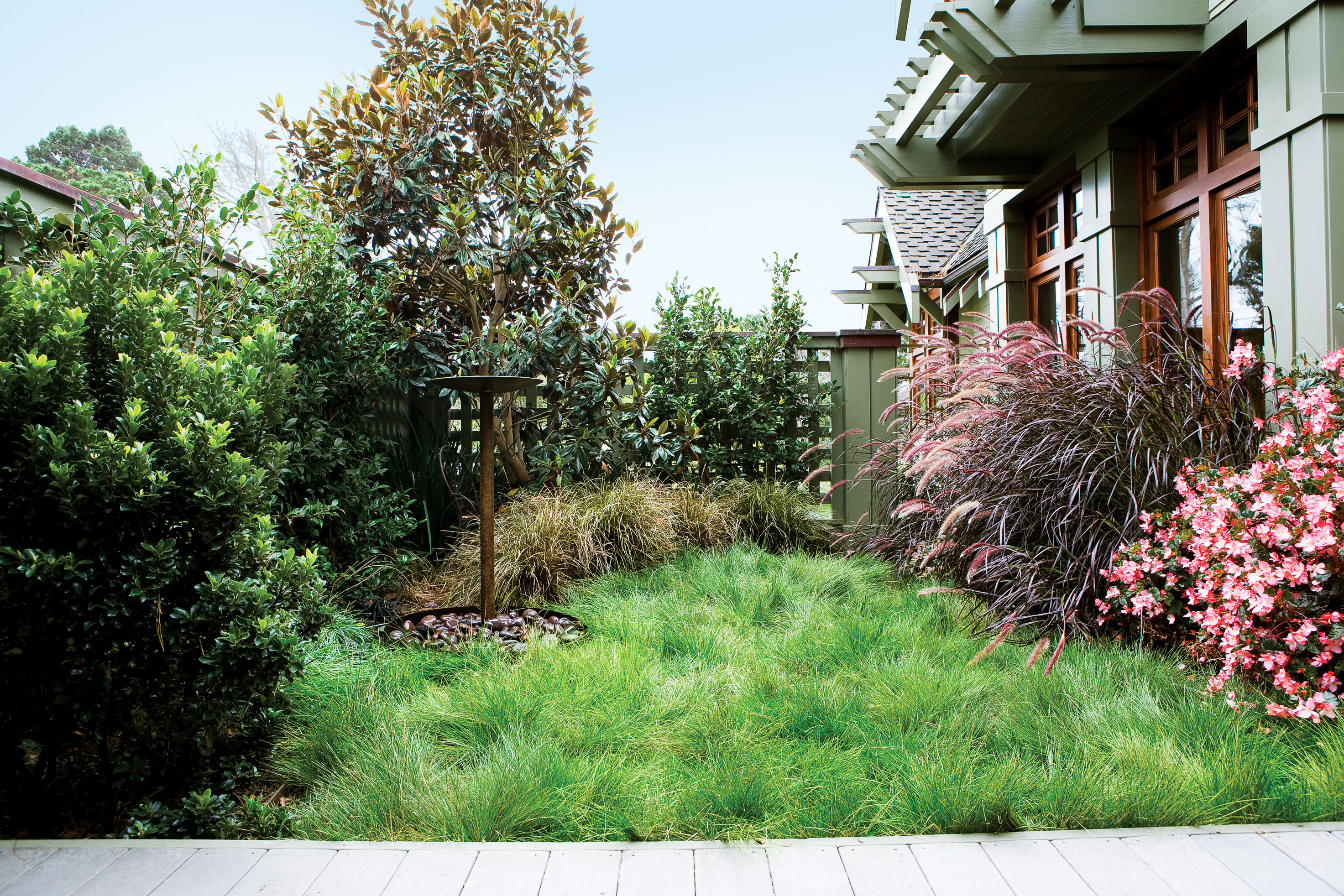
The best no-mow lawns typically consist of groundcover plants that require minimal maintenance and provide the desired aesthetic appeal. When selecting a no-mow lawn, it's essential to consider the local climate, soil type, and the level of foot traffic the area will experience. Below are some of the most effective options and factors to consider.
Types of No-Mow Grasses
Many species of grass are suited for a no-mow lawn. They are typically drought-resistant, low-growing, and hardy. Some of the best types include:
- Creeping Thyme: A popular choice for its aromatic properties and small purple flowers, it is excellent for full sun and dry conditions.
- Fine Fescue: Comprising several species, fine fescues thrive in shady areas and require very little mowing.
- Buffalo Grass: A native grass that grows well in warm climates and is drought-tolerant, making it ideal for low-maintenance lawns.
Benefits of a No-Mow Lawn
Choosing a no-mow lawn provides several advantages that contribute to environmental sustainability and personal convenience. Key benefits include:
- Water Conservation: No-mow lawns require less frequent watering compared to traditional grass lawns.
- Wildlife Habitat: These lawns can provide a favorable environment for pollinators and other wildlife.
- Reduced Emissions: Less mowing means lower fuel consumption and fewer emissions from gas-powered lawn equipment.
Planting and Maintenance Tips
Establishing and maintaining a no-mow lawn involves specific techniques to ensure its success. Important tips include:
- Soil Preparation: Ensure your soil is adequately amended and free of weeds before planting.
- Proper Spacing: When planting groundcovers, provide adequate space to ensure they establish without excessive competition.
- Mulching: Apply a layer of mulch to help retain moisture and suppress weeds during the establishment phase.
Environmental Impact
No-mow lawns can contribute positively to local ecosystems in several ways. Notable environmental impacts are:
- Soil Health: Some no-mow species improve soil structure and prevent erosion.
- Biodiversity: They support a wider range of plant and animal life compared to traditional lawns.
- Carbon Sequestration: By increasing plant biomass and diversity, no-mow lawns can capture carbon from the atmosphere.
Cost-Effectiveness
Investing in a no-mow lawn can result in significant cost savings over time. Key financial aspects include:
- Lower Maintenance Costs: Reduced need for mowing, fertilizing, and watering decreases overall maintenance expenses.
- Longevity: Many no-mow plants are perennials, which can last several years without needing replanting.
- Resource Savings: Less resource input means fewer expenses in terms of water and lawn care products.
What is the best ground cover to replace grass in Australia?

The best ground cover to replace grass in Australia depends on various factors such as climate, maintenance levels, and intended use. However, some popular options include native species that are low-maintenance, drought-resistant, and can thrive in the diverse Australian climate.
1. Native Australian Ground Covers
Native ground covers are often the best choice because they are adapted to the local environment and require less water. They typically have deep root systems that help them withstand dry periods. Here are some notable options:
- Creeping Boobialla (Myoporum parvifolium) - This hardy plant can handle a range of soil types and is tolerant of drought.
- Coastal Rosemary (Westringia fruticosa) - Known for its resilience, this plant can thrive in both coastal and inland areas.
- Woolly Bush (Adenanthos sericeus) - A low-growing bush with soft leaves; it is excellent for erosion control.
2. Drought-Resistant Options
Drought-resistant ground covers are crucial in Australia’s varying climates, particularly in arid zones. They require minimal watering and maintenance. Here are some effective varieties:
- Blue Star Creeper (Isotoma fluviatilis) - This attractive ground cover produces small blue flowers and thrives in dry conditions.
- Thyme (Thymus spp.) - This aromatic herb is low-growing and incredibly drought-resistant.
- Purslane (Portulaca oleracea) - Known for its succulent leaves, purslane is both edible and drought-tolerant.
3. Fast-Growing Ground Covers
For quick coverage and soil stabilization, fast-growing ground covers are ideal. They can quickly suppress weeds while providing an appealing landscape. Consider the following:
See also:
- Asian Jasmine (Trachelospermum asiaticum) - A vigorous grower that can cover large areas quickly and is drought tolerant.
- Vinca Minor (Periwinkle) - This low-growing perennial spreads rapidly and produces charming purple flowers.
- Sweet Potato Vine (Ipomoea batatas) - With its attractive foliage, this plant grows quickly and provides good ground coverage.
4. Ornamental Ground Covers
For aesthetic landscaping, ornamental ground covers can enhance the visual appeal of gardens. They come in various colors and textures, making them suitable as lawn replacements. Options include:
- Ajuga (Bugleweed) - This low-growing plant features striking purple foliage and is excellent for shaded areas.
- Lamb's Ear (Stachys byzantina) - Known for its fuzzy, silver-gray leaves, this plant also produces spikes of purple flowers.
- Ice Plant (Delosperma spp.) - This succulent produces vibrant flowers and thrives in poor soils.
5. Weed Suppressing Ground Covers
Ground covers can also be an efficient strategy for weed suppression. By forming a dense mat, they prevent weeds from taking root. Here are some effective choices:
- Prostrate Kykuyu Grass (Pennisetum clandestinum) - While technically a grass, its prostrate form helps to outcompete most weeds.
- Clover (Trifolium spp.) - Clover is a natural nitrogen fixer and provides excellent ground coverage, preventing weeds.
- Phlox (Phlox subulata) - A perennial option that blankets the ground with colorful blooms while suppressing weed growth.
What kind of grass does not need to be mowed?
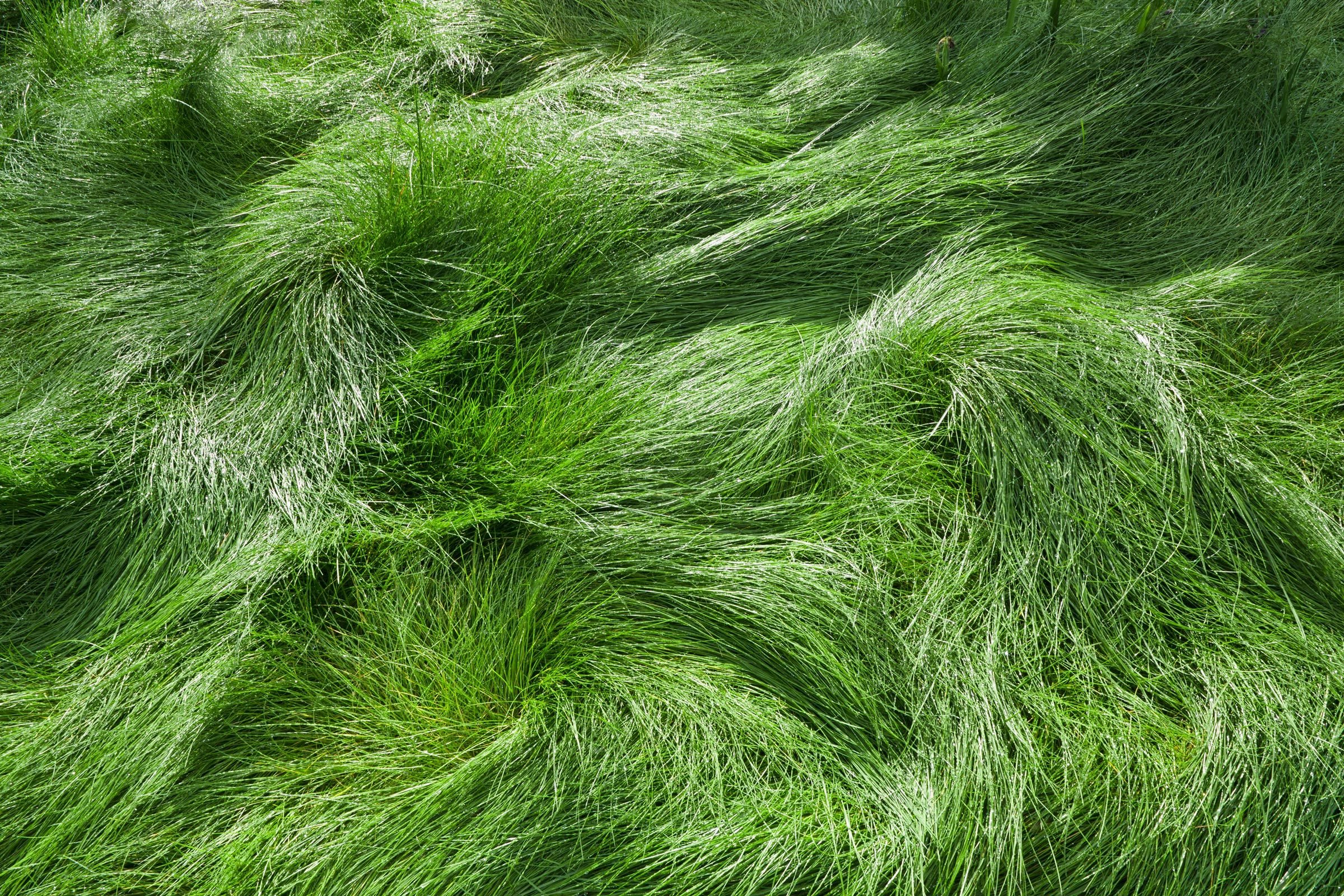
The type of grass that does not need to be mowed is commonly referred to as no-mow grass or low-growing grass varieties. These types of grasses are specifically bred to have a slower growth rate and to remain short, thereby reducing the necessity for frequent mowing. Some examples include Clover, Buffalograss, and certain types of Fescue. These grasses can thrive in various conditions, often with lower maintenance requirements compared to traditional lawn grasses.
Benefits of No-Mow Grass
No-mow grass varieties offer several advantages that make them an appealing choice for homeowners who want to minimize lawn maintenance. Some of these benefits include:
- Time Savings: With less frequent mowing needed, homeowners can save considerable time throughout the growing season.
- Cost Efficiency: Reduced mowing translates to less fuel and wear and tear on lawn equipment, subsequently lowering maintenance costs.
- Environmental Benefits: No-mow grasses can help support local ecosystems by providing habitats for pollinators and reducing the carbon footprint associated with lawn maintenance.
Types of No-Mow Grasses
There are specific types of grasses that are classified as no-mow varieties. Each type comes with its own unique characteristics, making them suitable for different environments:
- Clover: Often used as a lawn alternative or in mixtures, clover can fix nitrogen in the soil and often remains shorter than traditional grass.
- Buffalograss: Known for its drought resistance, this grass type thrives in warmer climates and generally does not require mowing.
- Tall Fescue: While it can grow taller, there are low-growing cultivars of tall fescue that have slower growth rates, reducing mowing frequency.
Maintenance of No-Mow Grass
Although no-mow grasses typically require less maintenance, some care is still needed to ensure healthy growth and appearance. Key maintenance tips include:
- Watering: No-mow grasses still require adequate watering, particularly in their establishment phase and during dry spells.
- Weed Control: Regular monitoring for weeds is essential, as these grasses can be susceptible to weed encroachment if left unchecked.
- Soil Health: Periodic testing and amendment of soil can be beneficial to keep the grass robust and thriving.
Ideal Growing Conditions for No-Mow Grass
Different no-mow grasses have varying preferences for sunlight, soil type, and climate. Understanding these conditions can help optimize their growth:
- Sunlight: Most no-mow grasses thrive best in full sun but can adapt to partial shade depending on the variety.
- Soil Type: Well-draining soil is critical for the establishment of no-mow grass; many types tolerate poor soil conditions.
- Climate Adaptability: Selecting the right no-mow grass for the local climate can enhance resilience and reduce maintenance needs.
Choosing the Right No-Mow Grass for Your Lawn
Selecting the appropriate type of no-mow grass depends on specific personal preferences and regional factors. Consideration points include:
- Climate Zone: It’s important to choose grass that is suited for the specific climate zone of your area to ensure optimal growth conditions.
- Usage: If the area will have foot traffic, select a more durable low-growing variety that can withstand wear and tear.
- Aesthetic Preferences: Different grasses provide varied visual appeal; choose one that matches the desired look of your landscape.
Questions from Our Readers
What is the best no-mow lawn option in Australia?
The best no-mow lawn option in Australia is often considered to be Dichondra repens. This low-growing ground cover requires minimal maintenance and is able to tolerate a range of Australian climates. Its lush green appearance and resilience make it ideal for areas where traditional lawns might struggle.
Can no-mow lawns survive in drought conditions?
Yes, many no-mow lawns, particularly native grass varieties, are specifically designed to thrive in drought conditions. These grasses require less water compared to conventional lawns, making them a sustainable choice for homeowners looking to conserve resources while maintaining an attractive landscape.
What maintenance is required for a no-mow lawn?
Maintaining a no-mow lawn generally involves occasional watering, particularly in dry spells, and minimal weeding. Depending on the specific type of no-mow grass or ground cover, some light fertilization may be beneficial, but overall, these lawns are designed for ease of care and low upkeep.
Are no-mow lawns suitable for high-traffic areas?
While some no-mow lawns can handle light foot traffic, they are generally not ideal for high-traffic areas. If you expect heavy use, consider selecting a more durable variety or supplementing with traditional grasses that are better suited for resilience against foot traffic.
See also:

If you want to read more articles like What is the Best No-Mow Lawn in Australia? Top Options and Expert Tips, we recommend you check out our Lawn category.
Leave a Reply
Related Articles