How Deep Does a Keyhole Garden Need to Be? A Complete Guide to Optimal Depth for Successful Gardening

Keyhole gardens are an innovative and sustainable gardening solution that maximize space while promoting healthy growth. One of the crucial aspects of establishing a successful keyhole garden is determining its optimal depth. This guide delves into the ideal depth required for various plants, how it influences drainage and soil health, and best practices to ensure your keyhole garden thrives. With the right depth, you can enhance nutrient availability, support root development, and ultimately enjoy a bountiful harvest. Whether you're a seasoned gardener or a newcomer, understanding the depth requirements will set the foundation for a flourishing keyhole garden.
How Deep Does a Keyhole Garden Need to Be?
A keyhole garden typically needs to be around 2 to 3 feet deep to ensure adequate room for plant roots and to facilitate proper drainage. This depth enables the incorporation of various organic materials, such as compost, which will decompose and nourish the plants over time. Additionally, a deeper garden allows for superior moisture retention, which is essential in maintaining soil health and promoting growth. The design of a keyhole garden not only focuses on depth but also on the circular shape, which helps create a more efficient watering system due to the central composting area that nourishes the surrounding soil.
Benefits of Adequate Depth in Keyhole Gardens
Having the right depth in a keyhole garden enhances nutrient availability, allowing for deeper root growth and better access to moisture. When the garden is deep enough, it also enables the decomposition process of compost to occur without hindering plant growth, which means that plants can thrive with less frequent watering. This method significantly promotes sustainability by utilizing kitchen scraps and yard waste, ultimately benefiting the garden ecosystem.
Materials Suitable for a Keyhole Garden
When constructing a keyhole garden, it is imperative to use materials that can support the desired depth while promoting drainage and aeration. Common materials include wood, bricks, or even repurposed tires. It is crucial to layer these materials appropriately; for instance, larger rocks at the bottom can facilitate drainage, while organic matter, like leaves and food scraps, should be added at the top to gradually decompose and enhance soil fertility.
Creating a Multi-Layered Garden Bed
A deep keyhole garden can be constructed with a multi-layered approach. At the bottom, you might incorporate larger items, such as logs or branches, to form a base layer that permits drainage. Above this, a mix of greens, browns, and soil creates a nutrient-rich bed, where the decomposition of organic matter contributes to soil health. This layered effect not only provides depth but also helps in moisture retention and the prevention of weeds.
How to Measure the Depth of Your Keyhole Garden
To ensure optimal depth for your keyhole garden, you can use a simple measuring tape or a yardstick. Measure from the bottom of the composting center to the soil's surface level, aiming for a depth of at least 24 to 36 inches. This measurement guarantees adequate room for root growth and ample space for compostables to break down properly, contributing to the garden's overall productivity and sustainability.
Considerations for Different Types of Soil
The type of soil you have can influence how deep your keyhole garden should be. For instance, if you have sandy soil, you may need to dig deeper to retain moisture effectively, while clay soil might require less depth due to its natural ability to hold water. Understanding your soil type ensures you create the most efficient system for plant growth, addressing moisture and drainage needs specific to the local environment.
| Aspect | Details |
|---|---|
| Optimal Depth | 2 to 3 feet |
| Material Suggestions | Wood, bricks, tires |
| Layering Method | Logs, compost, soil |
| Soil Types | Sandy, clay, loam |
| Measurement Tools | Measuring tape, yardstick |
What are the dimensions of a keyhole garden?
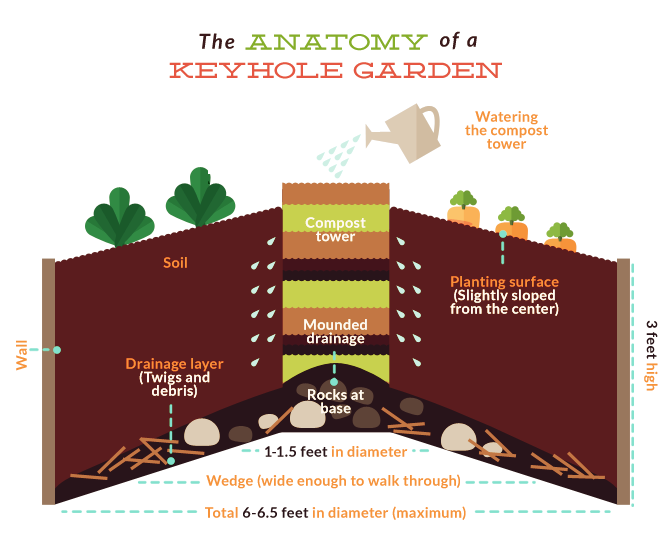
The dimensions of a keyhole garden typically vary, but there are some common sizes that gardeners often follow. A standard keyhole garden usually has a circular shape with a diameter of about 6 to 8 feet (1.8 to 2.4 meters). The height of the garden can range from 2 to 3 feet (0.6 to 0.9 meters), allowing easy access to the plants while providing enough depth for layered compost materials. The design makes it conducive for vertical gardening and efficiently uses space, which is especially beneficial for smaller plots.
Optimal Size for Keyhole Gardens
The optimal size for a keyhole garden can depend on the available space and the needs of the gardener. Typically, a diameter of 6 to 8 feet (1.8 to 2.4 meters) is recommended to provide ample planting area without making it difficult to reach into the center. Here are some considerations regarding size:
- Space Availability: Assess the area where the keyhole garden will be placed.
- Plant Variety: Consider the number and type of plants you intend to grow.
- Accessibility: Ensure that the size allows easy access for maintenance, harvesting, and watering.
Height Considerations in Keyhole Gardens
The height of a keyhole garden is crucial for both plant growth and the comfort of the gardener. Heights are typically in the range of 2 to 3 feet (0.6 to 0.9 meters). This height encourages healthy root development while also limiting bending over during gardening activities. Factors to consider include:
- Soil Depth: Provide sufficient depth for root systems of various plants.
- Compost Layers: Encourage a healthy mix of compost for better soil quality.
- Gardener Comfort: Ensure the height is manageable for the gardener's ease and convenience.
Design Features of Keyhole Gardens
Keyhole gardens are not just about size; their unique design sets them apart. These gardens typically have a keyhole shape which includes a central compost basket for added nutrition. The design promotes space efficiency and circulation. Important features include:
- Central Compost Basket: Provides nutrients to plants while reducing waste.
- Circular Design: Allows for maximum sunlight exposure on all sides.
- Accessibility: The design allows easy reach to all plants from a single point.
Soil Preparation and Layering
Proper soil preparation is essential for ensuring a successful keyhole garden. The layering process usually involves using a variety of materials to promote healthy soil. This includes:
See also:
- C: Compost Layers: Start with a base layer of compost at the center.
- Organic Material: Add organic materials to enrich the soil.
- Soil Amendments: Include fertilizers or minerals as needed for specific plants.
Choosing Plants for Keyhole Gardens
The choice of plants in a keyhole garden can significantly affect its success. Given the size and height constraints, selecting the right plants is crucial. Considerations include:
- Vertical Plants: Opt for climbing plants that save space.
- Companion Planting: Choose plants that grow well together for better yields.
- Low Maintenance: Select plants that require minimal upkeep for easier gardening.
Do keyhole gardens really work?
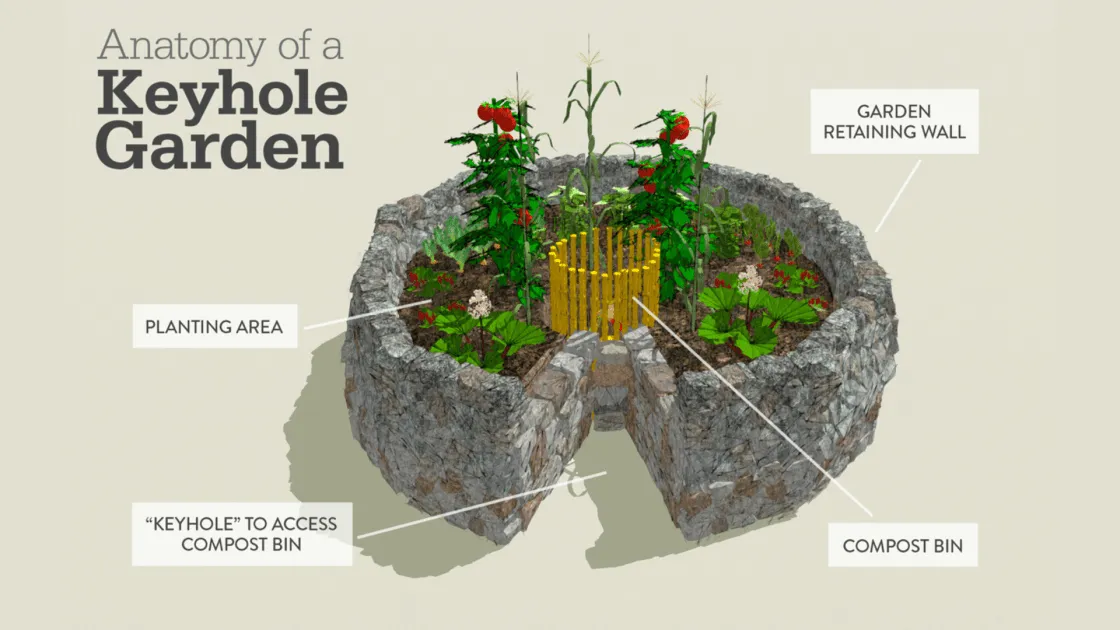
Keyhole gardens are an innovative gardening technique designed to maximize space and promote efficient use of resources. They are particularly popular in regions with limited access to water and soil quality issues. The structure of a keyhole garden allows for vertical gardening and composting, which can lead to sustainable and productive growth.
What Is a Keyhole Garden?
A keyhole garden is a raised garden bed that is typically circular with a keyhole-shaped access point. The circular design allows for easy access to the plants while conserving space. Inside the bed, a compost bin is usually situated at the center, which helps in providing nutrients to the surrounding plants. The main features include:
- Accessibility: The keyhole shape enables gardeners to reach into the garden without stepping on the soil, reducing soil compaction.
- Composting: The central compost bin holds organic materials that break down and provide nutrients to the plants.
- Water Conservation: The design promotes efficient watering, ensuring plants receive adequate moisture.
The Benefits of Using Keyhole Gardens
Keyhole gardens offer numerous advantages that can enhance gardening experiences, particularly in challenging environments. Their benefits include:
- Space Efficiency: Ideal for small spaces, allowing for intensive planting and growth.
- Soil Improvement: The composting process not only nourishes plants but also helps improve soil quality over time.
- Water Efficiency: The structure helps retain moisture, reducing water use and supporting plants during dry periods.
Challenges of Keyhole Gardens
While keyhole gardens have many advantages, they are not without challenges. Understanding these can help gardeners make informed decisions:
- Initial Setup: Constructing a keyhole garden requires time and materials, which may be a barrier for some.
- Maintenance Needs: Regular maintenance, including adding compost and watering, is essential to keep the garden thriving.
- Pest Management: Like any garden, keyhole gardens can attract pests, necessitating monitoring and control methods.
Plant Selection for Keyhole Gardens
Choosing the right plants is crucial for the success of a keyhole garden. Some plants thrive better than others in this type of setup. Consider the following when selecting plants:
- Companion Planting: Combining plants that benefit each other can lead to better growth and pest control.
- Height Variation: Include a mix of tall and short plants for optimal light exposure and production.
- Seasonal Crops: Choose a variety of crops that can be planted at different times of the year to extend the growing season.
Conclusion on Effectiveness
Investigating whether keyhole gardens work effectively reveals various factors influencing their success. A few points include:
- User Expertise: The knowledge and experience of the gardener can greatly influence results.
- Material Quality: The quality of materials used for construction can affect durability and plant health.
- Environmental Conditions: Local climate and soil conditions play a significant role in the success of keyhole gardens.
Do keyhole gardens have to be round?
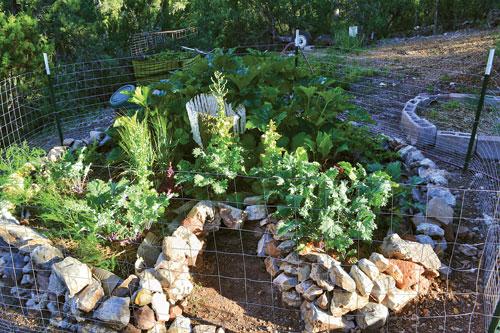
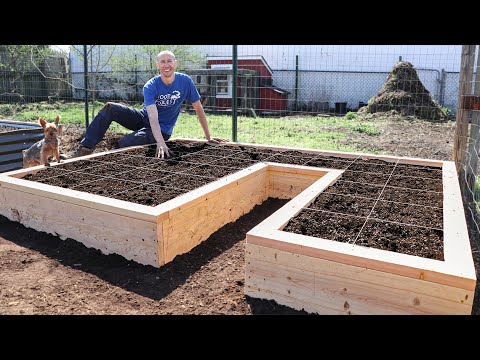
Keyhole gardens do not have to be round. The characteristic shape of a keyhole garden, typically a circular or semi-circular raised bed with a central composting basket, is designed for both efficiency in space and ease of access. However, gardeners have the flexibility to experiment with various shapes to suit their specific needs and preferences. While adhering to the classic design can provide certain benefits, such as maximizing space and facilitating watering and composting, it is not a strict requirement. Different shapes can still promote healthy plant growth and allow for effective gardening practices.
Design Flexibility in Keyhole Gardens
Keyhole gardens are prized for their design flexibility. While the traditional shape is circular, gardeners can modify the shape to better fit their space or aesthetic preferences. Here are some alternative shapes to consider:
- Rectangular: This shape can fit better in linear spaces or against walls.
- Square: A square keyhole garden offers distinct corners, which can be useful for organizing plants.
- Irregular: Custom designs can incorporate unique features and suit individual gardening layouts.
Benefits of Non-Circular Designs
Opting for a non-circular design can offer numerous benefits. A different shape might provide practical advantages depending on the garden location and the plants you want to grow:
- Space Utilization: Non-circular designs can better utilize available space, allowing for more plants.
- Accessibility: Different shapes can enhance accessibility for gardeners with mobility issues.
- Customization: Gardeners can personalize their keyhole gardens to fit their unique styles or gardening goals.
Watering and Composting Considerations
The central focus of a keyhole garden is its composting system which aids in plant nourishment. Regardless of shape, the effectiveness of watering and composting systems remains crucial:
See also:
- Central Composting Basket: Regardless of the shape, maintaining a central compost area is essential for keyhole gardens.
- Water Distribution: Non-round designs may require adjustments in watering techniques but can be just as effective.
- Soil Management: Careful planning of soil layers is important to ensure that all parts of the garden receive nutrients.
Plant Selection for Different Shapes
The selection of plants may vary based on the design of the keyhole garden, affecting growth and yield. Here are considerations when choosing plants:
- Vertical Growing Options: Utilize trellises in elongated designs to save space and enhance yields.
- Companion Planting: Certain plants grow better together, regardless of the garden's shape.
- Growth Habits: Plants with different growth habits can be optimally placed based on the layout of the garden.
Creative Inspiration for Keyhole Gardens
Gardening allows for immense creativity, and keyhole gardens are no exception. Concepts can be drawn from various sources:
- Community Gardens: Collaborate with others to gather ideas for unique designs and plant groupings.
- Educational Resources: Numerous websites and publications provide innovative designs and success stories.
- Personal Experiences: Reflecting on past gardening successes can inspire new designs that step outside traditional bounds.
How to layer a keyhole garden?
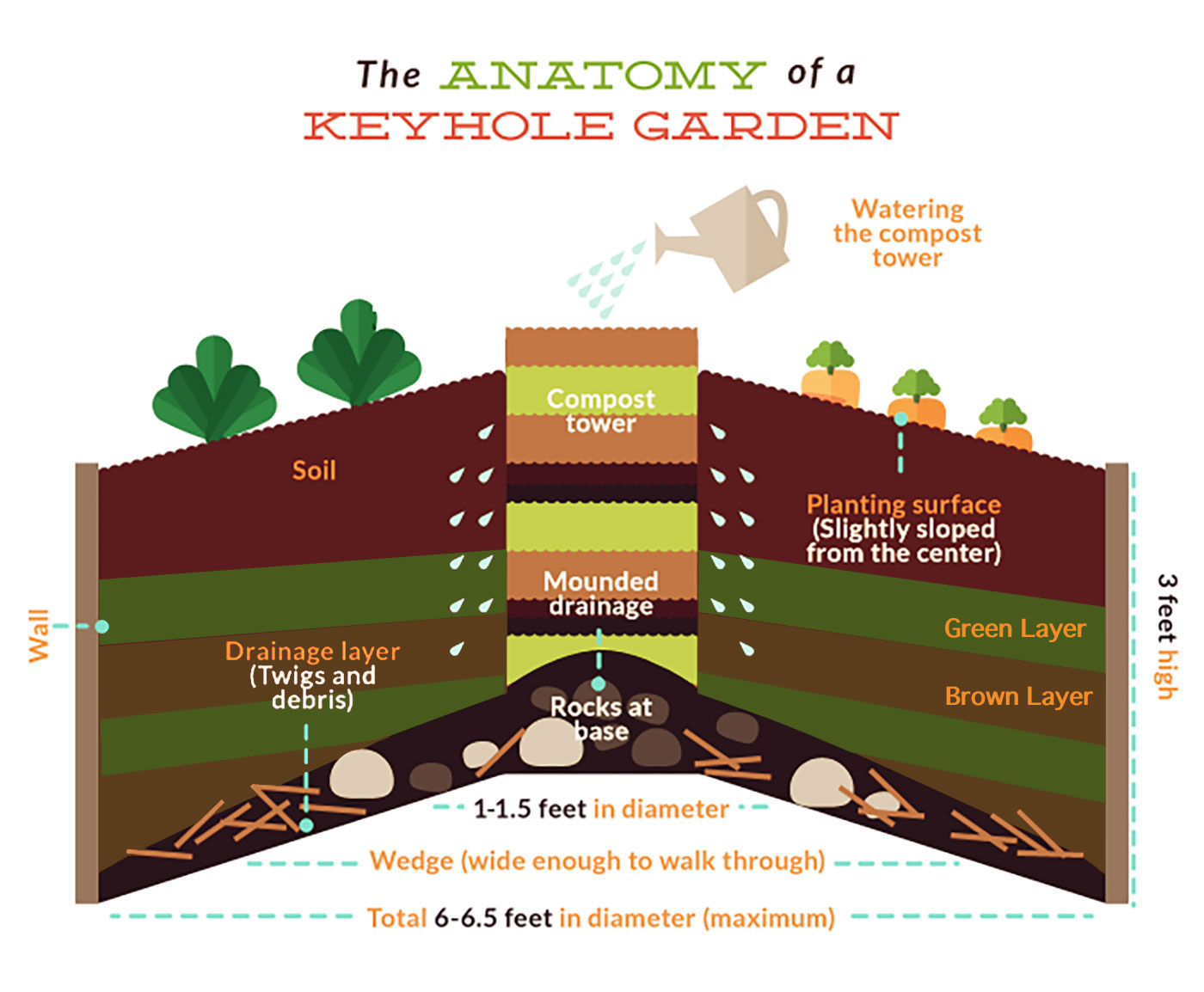
To create a keyhole garden, the layering process is essential for ensuring that it has the right structure, moisture retention, and nutrient availability for optimal plant growth. A keyhole garden is a circular garden design that includes a compost basket at its center, allowing you to grow vegetables and other plants efficiently. Here’s how to layer a keyhole garden effectively:
1. Select the Right Location
Choosing the appropriate location for your keyhole garden is crucial. Look for a spot with adequate sunlight, accessibility to water, and convenience for maintenance. Consider these factors:
- Sunlight: Ensure the area receives at least 6-8 hours of sunlight per day.
- Water Access: Proximity to a water source facilitates easier irrigation.
- Soil Quality: Test the soil quality to ensure it can support plant growth.
2. Build the Structure
The structure of a keyhole garden typically involves using bricks, stones, or wood to create a circular shape. Follow these steps:
- Outline the Garden: Use stakes and string to outline a circle about 6-8 feet in diameter.
- Construct the Walls: Lay down the materials, such as bricks or stones, in a circular fashion to form walls about 2-3 feet high.
- Add an Access Keyhole: Leave a notch or opening in the wall structure for easy access to the compost basket.
3. Create the Compost Basket
At the center of the keyhole garden, a compost basket serves as the nutrient reservoir. To build it:
- Choose a Container: Use a wire mesh or a sturdy basket that allows air and moisture to circulate.
- Fill with Organic Materials: Layer kitchen scraps, grass clippings, and other biodegradable waste to create compost.
- Maintain the Compost: Regularly add organic waste and mix it to ensure that it decomposes efficiently.
4. Layering the Soil
The soil layering is integral to provide the necessary nutrients and drainage for the plants. Follow this layering method:
- Bottom Layer: Start with larger sticks or branches to create drainage and aeration.
- Middle Layer: Add cardboard, straw, or other brown matter followed by green materials like grass clippings.
- Top Layer: Finish with high-quality garden soil or compost to create a rich planting medium.
5. Planting and Maintenance
Once the keyhole garden is layered, it's time for planting and ongoing care:
- Select Plants: Choose plants that thrive in your climate, such as herbs, vegetables, and flowers.
- Watering: Regularly check soil moisture; the compost core will help retain moisture.
- Weeding: Keep the garden area weed-free to allow for healthy growth and airflow.
Questions from Our Readers
How deep does a keyhole garden need to be?
A keyhole garden typically needs to be at least 2 to 3 feet deep. This depth allows for adequate soil volume to support plant growth and provides space for the compost material that helps nourish the plants as it breaks down over time.
Can a keyhole garden be shallower than 2 feet?
While it is possible to create a keyhole garden that is shallower than 2 feet, it is not recommended, as this may limit the root development of plants and reduce the effectiveness of the composting process which is essential for maintaining soil health.
What materials are best for building the walls of a keyhole garden?
The best materials for building the walls of a keyhole garden include stone, wood, or recycled bricks. These materials not only provide support for the garden structure but also help retain heat and moisture, contributing to a healthier growing environment.
How important is drainage in a keyhole garden?
Drainage is extremely important in a keyhole garden; proper drainage ensures that excess water drains out without waterlogging the roots. Including a drainage layer at the bottom of the garden can help facilitate this, enhancing overall plant health and productivity.
See also:
If you want to read more articles like How Deep Does a Keyhole Garden Need to Be? A Complete Guide to Optimal Depth for Successful Gardening, we recommend you check out our Planter category.
Leave a Reply
Related Articles