What to Put on the Ground Under a Pergola? Best Options and Ideas for Your Outdoor Space
When designing your outdoor space, a pergola can serve as a stunning focal point that enhances both aesthetics and functionality. However, the ground beneath your pergola plays an equally crucial role in achieving the desired atmosphere and usability. Choosing the right surface not only complements your overall design but also influences comfort, maintenance, and drainage. From natural elements like grass and stone to more structured options like decking and pavers, there are numerous materials to consider. This article explores the best choices and innovative ideas for what to put on the ground under your pergola, ensuring a perfect blend of style and practicality.
What to Use as Ground Cover Under a Pergola
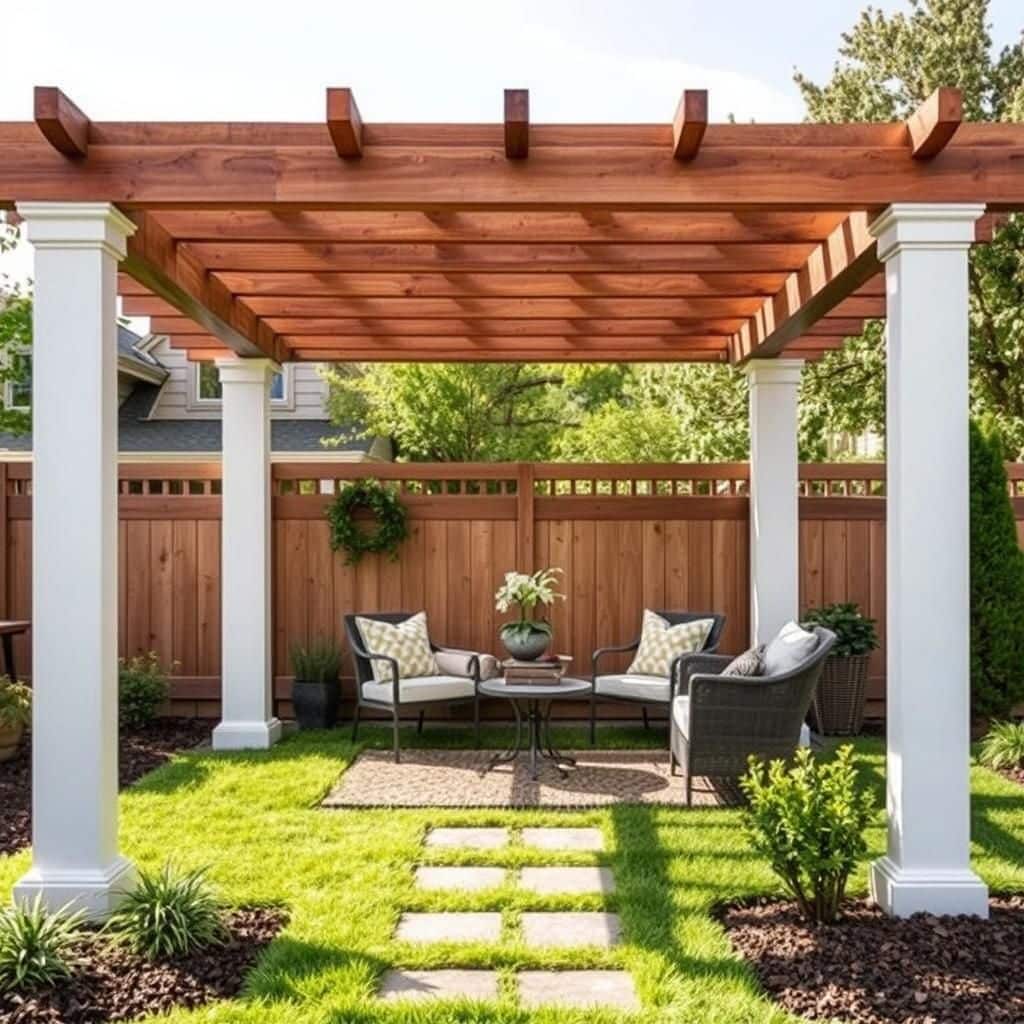
When considering what to put on the ground under a pergola, it's essential to create a space that complements the aesthetics of the structure while also providing functionality. Common options include gravel, pavers, or wooden decking, each offering unique benefits. Gravel is low maintenance and allows for excellent drainage, making it ideal for areas prone to rain. Pavers provide a more stable surface that's easy to clean and can be arranged in various patterns to enhance visual appeal. Wooden decking offers a warm and inviting feel but requires regular maintenance to keep it looking its best. Additionally, incorporating plant beds around the perimeter can soften the look and add greenery, transforming the space into a serene outdoor retreat.
Gravel as Ground Cover
Gravel is a popular choice for use under pergolas due to its drainage capabilities and low maintenance requirements. It allows water to flow through easily, minimizing the risk of pooling and promoting healthy plant growth in adjacent beds. Plus, gravel comes in various colors and sizes, allowing homeowners to customize the look to match their outdoor decor.
Pavers for Stability
Using pavers as ground cover under a pergola provides a solid, even surface for furniture and foot traffic. Pavers can be laid in intricate designs, creating a stunning visual impact while ensuring stability. They are also easy to clean and maintain, making them a practical option for outdoor living spaces.
Wooden Decking for Warmth
Wooden decking offers a cozy and inviting atmosphere under a pergola, enhancing the overall appeal of the outdoor space. With the right type of wood, such as cedar or redwood, it can resist decay and insects. However, wooden decking requires periodic sealing and staining to prevent weather damage, ensuring it remains beautiful over time.
Artificial Grass for a Lush Feel
For those seeking a soft and green aesthetic, artificial grass can be a great option under a pergola. It requires minimal maintenance, does not need watering, and provides a lush appearance year-round. Additionally, it offers a comfortable area for relaxation and recreation, making it ideal for families with children or pets.
Plant Beds for Natural Beauty
Incorporating plant beds under or around a pergola can enhance the natural beauty of the structure. These beds can be filled with a variety of flowers, shrubs, or even small trees, adding color and life to the space. Furthermore, they can provide shade and privacy, acting as a natural screen while creating a tranquil environment.
| Option | Benefits | Maintenance Level |
|---|---|---|
| Gravel | Good drainage, low maintenance | Low |
| Pavers | Stability, visual appeal | Moderate |
| Wooden Decking | Warmth, inviting atmosphere | High |
| Artificial Grass | Lush appearance, minimal maintenance | Low |
| Plant Beds | Natural beauty, shade, privacy | Varies |
What is the best foundation for a pergola?
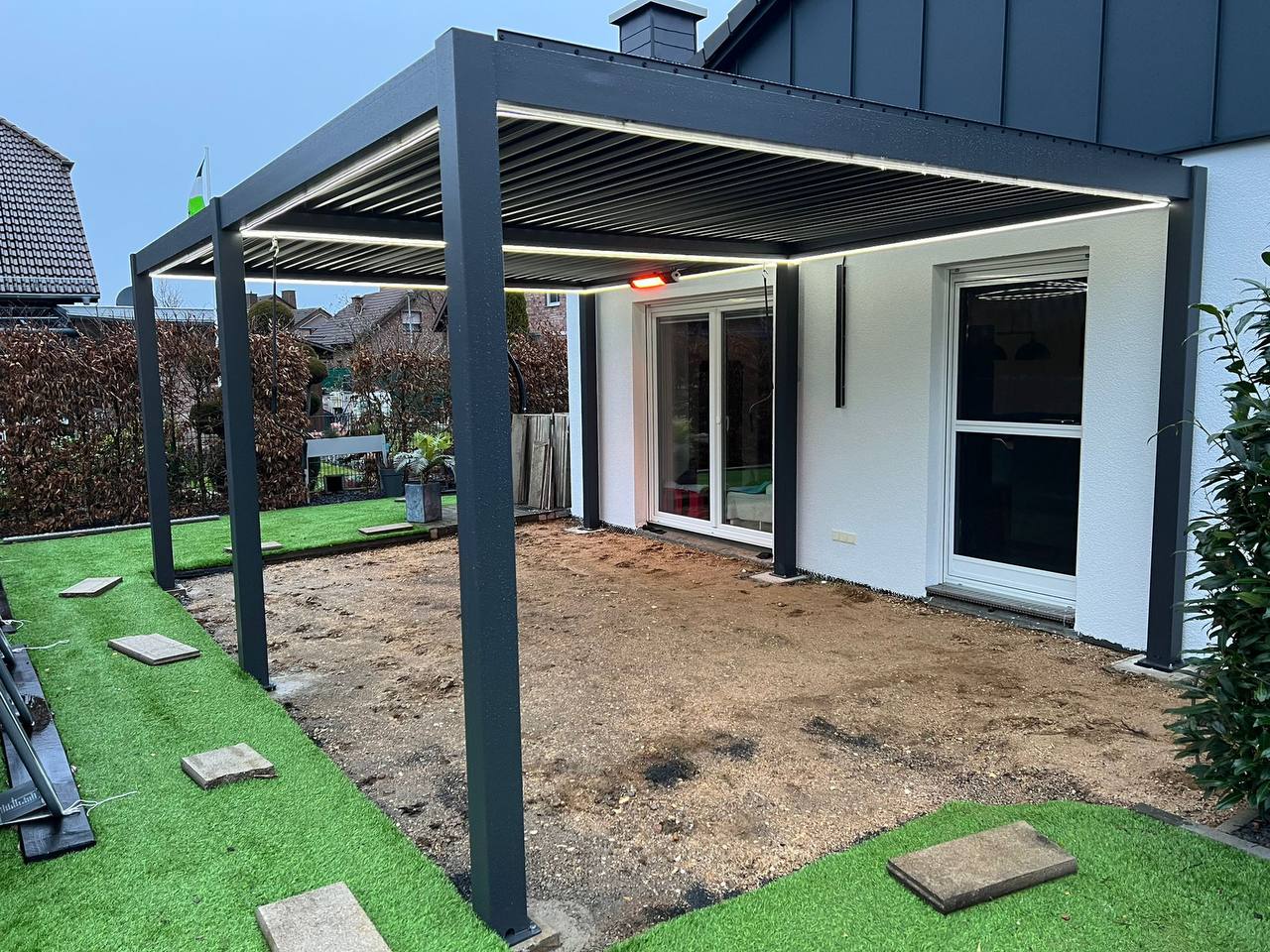
The best foundation for a pergola is critical to ensuring its stability, longevity, and resistance to the elements. The choice of foundation depends on various factors, including the type of soil, the size of the pergola, and the desired aesthetics. Here are some of the most common foundation types:
Concrete Footings
Concrete footings provide a solid and stable base for your pergola. They are typically poured into holes dug below the frost line to prevent movement during freeze-thaw cycles. The benefits of using concrete footings include:
- Durability: Concrete footings can withstand heavy loads and resist decay and erosion.
- Stability: They prevent the structure from shifting or sinking over time.
- Versatility: Suitable for various soil types, making them adaptable.
Post Bases
Post bases are metal or concrete brackets that anchor the posts of a pergola to a solid surface, such as concrete or stone. These bases provide additional support and protection against moisture. Key features include:
- Moisture Protection: Elevating the post off the ground minimizes rot and deterioration.
- Ease of Installation: They simplify the process of securing the pergola posts.
- Level Adjustment: Allows for minor adjustments to ensure the pergola is level.
Gravel Foundations
A gravel foundation can be a lightweight and cost-effective option for smaller pergolas. This type involves creating a level surface of compacted gravel to provide drainage and stability. Important advantages include:
- Drainage: Gravel allows water to flow through, preventing pooling and rotting.
- Affordability: Less expensive than concrete and easier to install.
- Flexibility: Easier to remove or relocate the pergola if needed.
Deck Footing Systems
If your pergola is being built on an existing deck, utilizing deck footing systems is essential. These systems are designed for quick installation and compatibility with wooden structures. Benefits include:
- Speed of Installation: Prefabricated systems save time and effort during installation.
- Compatibility: They are designed specifically to support decks and attached structures.
- Sturdiness: Provide a reliable anchor that prevents swaying or movement.
Soil Type Considerations
The type of soil where the pergola will be installed significantly impacts the choice of foundation. Sandy or clay soils require different approaches. Factors to consider are:
- Drainage: Sandy soils drain well, allowing for simpler installations, while clay soils may need extra drainage measures.
- Frost Depths: Areas with frost must consider how deep footings need to be to avoid heaving.
- Load Capacity: Different soil types have varying bearing capacities that affect stability.
What flooring to put under a pergola?
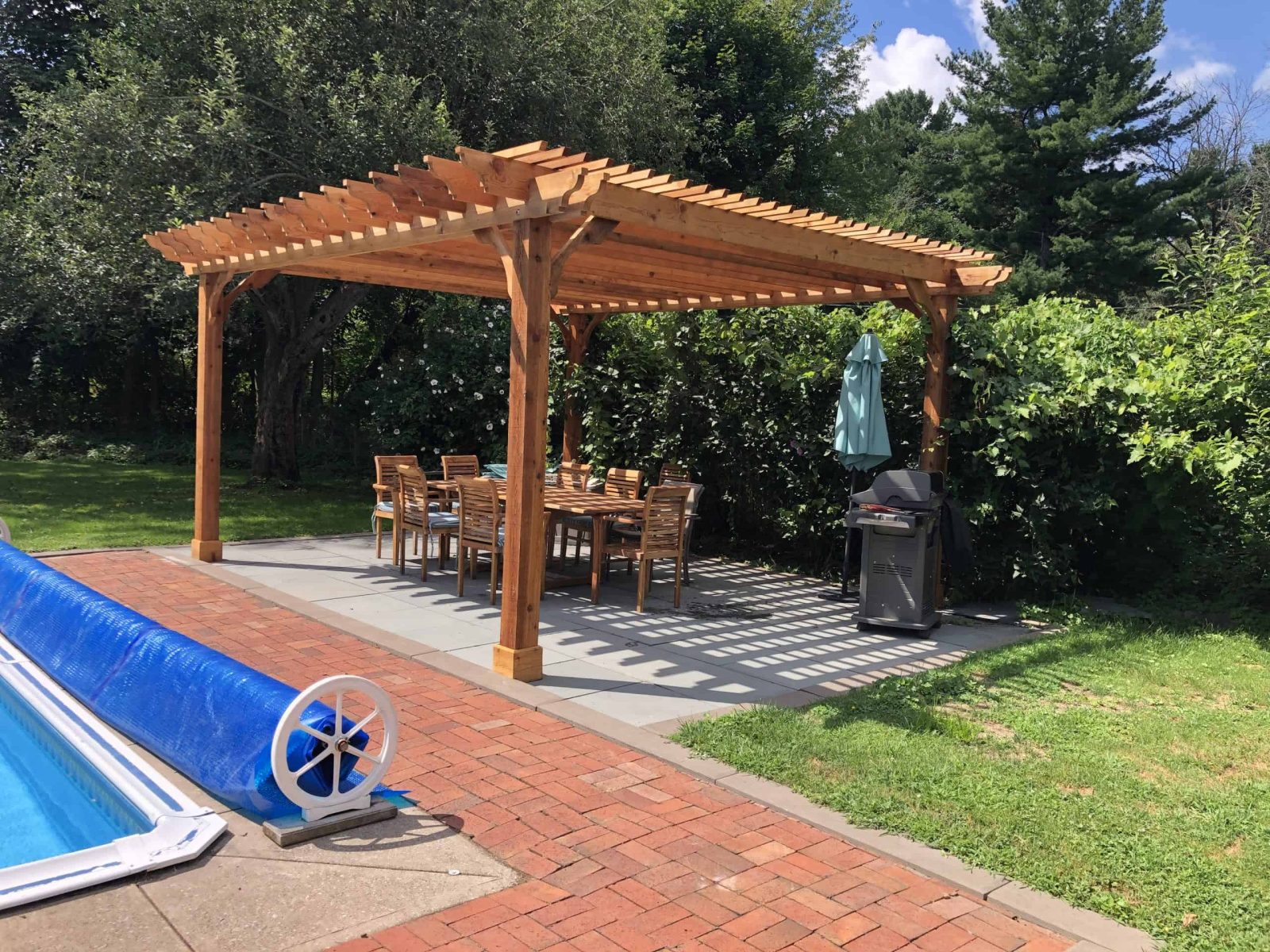
When selecting flooring for under a pergola, several factors come into play, including the intended use, aesthetics, budget, and maintenance. The flooring beneath a pergola can enhance its functionality and appearance, contributing to an inviting outdoor space. Here are some options you might consider:
Wood
Wood is a classic choice for flooring under a pergola, offering a warm and natural appeal. It complements the structure beautifully and creates a seamless connection with nature.
- Types of Wood: Popular choices for outdoor use include cedar, redwood, and teak due to their resistance to rot and insects.
- Maintenance: Wood requires regular sealing and staining to maintain its appearance and prolong its lifespan.
- Installation: Wood can be laid in various patterns (like herringbone) to add visual interest.
Composite Decking
Composite decking is an excellent alternative to traditional wood, offering durability and low maintenance. It is made from a combination of recycled wood fibers and plastic, providing the look of wood without the upkeep.
- Durability: Resistant to rot, fading, and staining, composite decking lasts longer than natural wood.
- Variety: Available in a range of colors and finishes, so you can find one that matches your pergola.
- Environmental Impact: Many composites are made from recycled materials, making them an eco-friendly choice.
Concrete
Concrete flooring is a highly durable option that can be customized through staining, stamping, or polishing. It offers a modern and sleek look that can withstand heavy foot traffic.
- Versatility: Concrete can be poured in various shapes and sizes, allowing for creative designs.
- Weather Resistance: It holds up well against the elements and does not warp or rot.
- Cost-Effective: Generally, it has a lower upfront cost compared to some wood alternatives.
Pavers
Pavers are a popular choice due to their aesthetic appeal and versatility. They come in various materials, including stone, brick, and concrete, and can be arranged in numerous patterns.
- Installation: Pavers can be easily replaced if damaged, making them a practical option.
- Drainage: They allow rainwater to seep through, reducing puddles and improving drainage.
- Design Flexibility: With a wide array of colors and textures, pavers can match any style.
Natural Stone
Natural stone, such as slate or flagstone, offers a unique and luxurious look for flooring under a pergola. Each stone has distinct variations in color and texture.
- Durability: Stone is incredibly long-lasting and can withstand all weather conditions without deteriorating.
- Aesthetic Value: It adds a touch of elegance and can increase the overall value of your outdoor space.
- Maintenance: Some stones may require sealing to prevent staining, but overall, they are low-maintenance.
Does a pergola need to be secured to the ground?
When considering the installation of a pergola, one of the primary questions that often arises is whether it needs to be secured to the ground. The short answer is that it depends on various factors such as the size of the pergola, the material it is made from, the local climate, and its intended use.
In general, securing a pergola to the ground provides stability, especially in areas prone to high winds or heavy precipitation. If it is not secured, the structure may risk tipping over or being damaged during severe weather conditions. For smaller, temporary, or lightweight pergolas, anchoring might not be necessary, but for larger, permanent installations, securing to the ground is generally advisable.
Factors Influencing the Need for Securing
The decision to secure a pergola can be influenced by several factors:
- Size and Weight: Larger pergolas typically require securing to support their weight.
- Materials Used: Heavier materials may necessitate more robust anchoring methods.
- Location: Regions with strong winds or storms warrant securing a pergola to prevent damage.
Types of Anchoring Methods
When it comes to securing a pergola, there are various methods that can be employed:
- Concrete Footings: Installing concrete footings is a common method for permanent structures.
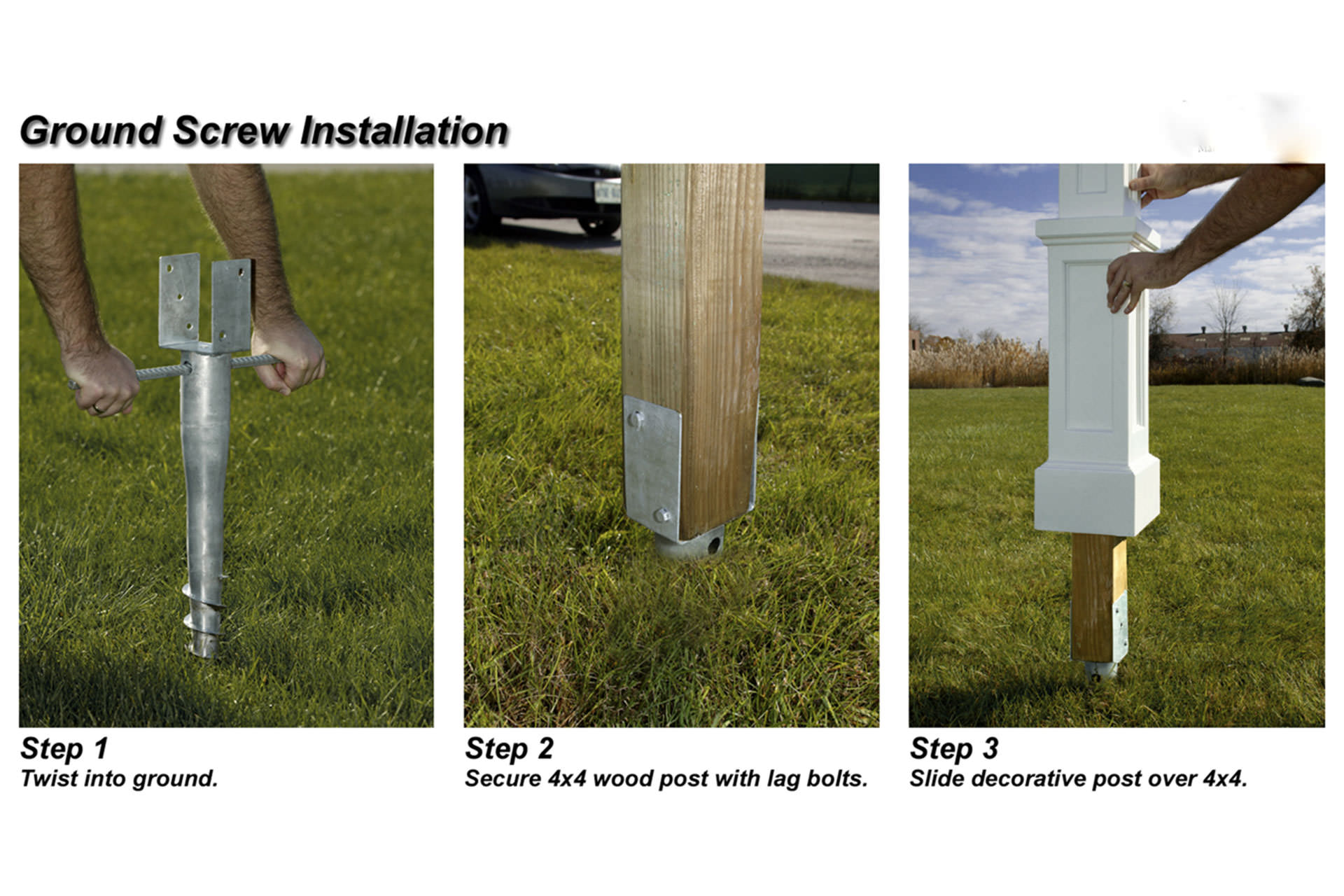
- Post Anchors: These can be fixed directly into the ground to provide stability.
- Weighting Down: For temporary structures, using weights may suffice.
Local Building Codes and Regulations
Before securing a pergola, it is important to consider local building codes:
- Permits: Some areas require permits for pergola installation, especially if secured to the ground.
- Regulations: There may be specific regulations regarding size and materials that need to be followed.
- Site Assessment: A site assessment may determine the best method for securing the structure.
Temporary vs. Permanent Pergolas
The decision to secure a pergola can also depend on whether it is intended to be permanent or temporary:
- Temporary Pergolas: Often do not need to be secured and can be easily moved.
- Permanently Installed Pergolas: Should definitely be secured to ensure stability over time.
- Seasonal Considerations: Think about how seasonal weather may impact stability before making a decision.
Benefits of Securing a Pergola
Securing a pergola offers numerous benefits that can enhance its functionality:
- Increased Stability: Helps the structure withstand wind and storms.
- Durability: Securing can prolong the life of the pergola.
- Safety: Reduces the risk of accidents due to tipping or falling structures.
How to stop pergola posts from rotting?
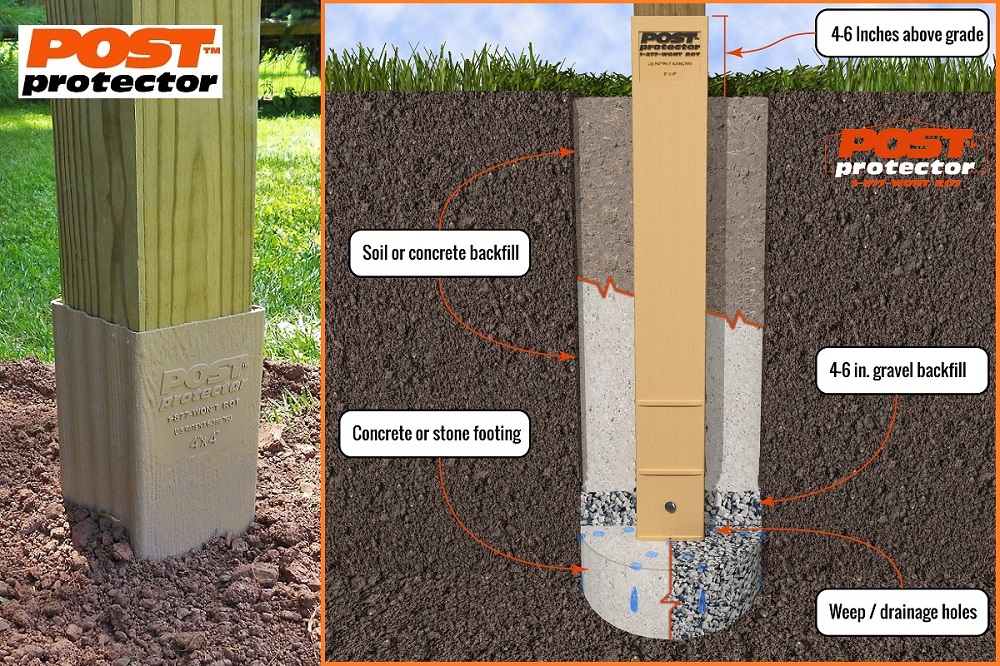
To prevent pergola posts from rotting, several effective strategies can be employed. Here are some of the best practices that can help ensure the longevity of your pergola posts.
Use Pressure-Treated Lumber
Using pressure-treated lumber is one of the most effective ways to prevent rot. This type of wood is chemically treated to resist moisture, insects, and fungi.
- Select high-quality pressure-treated wood suitable for outdoor use.
- Ensure that the wood has been treated to the appropriate level for ground contact if posts are buried.
- Inspect the wood regularly for any signs of wear or damage.
Apply a Quality Wood Sealant
Applying a quality wood sealant can provide an additional layer of protection against moisture. Sealants create a barrier that helps prevent water from penetrating the wood.
- Choose a sealant that is specifically designed for outdoor wood.
- Apply the sealant according to the manufacturer's instructions, ensuring even coverage.
- Reapply the sealant every 1-3 years, or as recommended, to maintain protection.
Elevate Posts Above Ground Level
Elevating your pergola posts above ground level can significantly reduce the chances of rot. By avoiding direct soil contact, you minimize moisture exposure.
- Use concrete footings to elevate the posts.
- Ensure proper drainage around the footings to prevent water pooling.
- Use post anchors or brackets to further secure the posts above ground.
Ensure Proper Drainage
Good drainage is vital in preventing moisture build-up around your pergola. Without adequate drainage, water can accumulate and encourage rot.
- Design the landscape to direct water away from the pergola area.
- Install gutters or drainage systems to manage rainwater effectively.
- Regularly check for standing water or puddles near the pergola posts.
Regular Maintenance and Inspection
Conducting regular maintenance and inspection of your pergola posts can help catch early signs of rot and prolong the life of the structure.
- Inspect the posts visually for signs of mold or soft spots.
- Trim back any vegetation that is in contact with the posts to reduce moisture retention.
- Clean the posts regularly to remove debris that can trap moisture.
Questions from Our Readers
What are the best materials to use under a pergola?
Using natural materials such as wood, gravel, or stones can enhance the aesthetic of your pergola's foundation. Wooden decking provides a warm and inviting surface, while gravel allows for excellent drainage and a natural look. Pavers or tiles can also create a more structured environment, making them popular choices as well.
Should I use grass under my pergola?
Using grass under a pergola can create a soft, natural feel and is ideal for those looking to maintain a lush garden aesthetic. However, consider that it may require more maintenance and can be muddy after rain. It's essential to think about the amount of sunlight the area receives, as grass might struggle in heavily shaded locations.
What about installing a deck under the pergola?
Installing a deck under your pergola is an excellent option that provides a durable and stylish surface for outdoor furnishings. A deck can elevate the overall look of your outdoor area and make it more suitable for gatherings. It's essential to choose weather-resistant materials to ensure longevity and maintain its appearance.
Can I use artificial turf under a pergola?
Yes, using artificial turf under a pergola is a fantastic choice for those who want a green look without the upkeep of real grass. It offers the benefit of easy cleaning and is resistant to fading, making it a practical choice for high-traffic areas. Additionally, it can help create a comfortable and inviting space for relaxation or entertainment.

If you want to read more articles like What to Put on the Ground Under a Pergola? Best Options and Ideas for Your Outdoor Space, we recommend you check out our Pergola category.
Leave a Reply
Related Articles