How High Should a Pergola Be in Australia? Essential Guidelines for Optimal Design
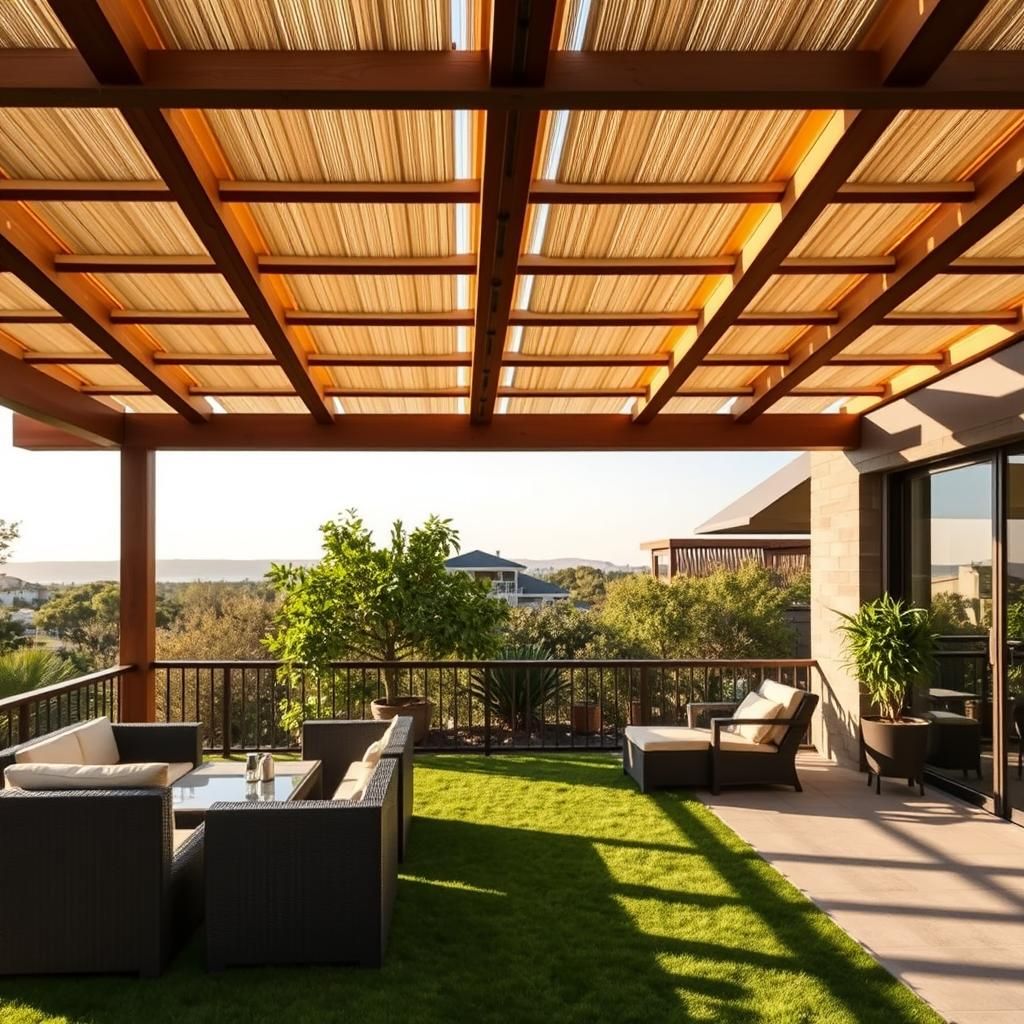
When designing a pergola in Australia, one of the most crucial considerations is its height. The ideal height not only enhances the aesthetic appeal of your outdoor space but also ensures functionality and comfort. Factors such as the intended purpose of the pergola, local climate, and surrounding landscape play a significant role in determining the optimal height. This article provides essential guidelines to help homeowners make informed decisions regarding pergola height. By understanding the key elements involved, you can create a structure that complements your lifestyle while adding value to your property.
What is the Ideal Height for a Pergola in Australia?
In Australia, the ideal height for a pergola typically ranges between 2.4 meters (about 7.9 feet) and 3.0 meters (approximately 9.8 feet), providing sufficient clearance for most outdoor activities while preventing it from feeling cramped. This height allows for the comfortable passage of people and can accommodate climbing plants without obstructing airflow or sunlight. Additionally, local building codes and personal aesthetic preferences can influence the final height decision; hence, it's essential for homeowners to consider both functional and visual aspects when determining the optimal height for their pergola.
Understanding Local Regulations
Local councils in Australia may have specific building codes that dictate the maximum height of pergolas. It is crucial to research these regulations before commencing construction to ensure compliance and avoid potential penalties or the need for modifications later on. In many regions, detached pergolas may have different restrictions compared to those attached to the house.
Impact of Climate on Pergola Height
Australia's diverse climate can influence the height of a pergola. In hotter areas, taller pergolas may provide better ventilation and shade, while in cooler regions, shorter structures might create a cozier environment. Moreover, the orientation of the pergola in relation to the sun's path should also be considered to maximize shade during peak heat hours.
Aesthetic Considerations
The height of the pergola significantly affects its visual appeal and how well it integrates with the surrounding landscape. A higher pergola may create an open and spacious feel, making it suitable for larger outdoor areas, while a lower pergola might offer a more intimate atmosphere in smaller backyards. Choosing the right height can enhance the overall aesthetic of the property.
Practical Uses of Pergolas
The intended use of the pergola also dictates its height. If the pergola is meant for lounging or dining, ensuring adequate clearance for people and furniture is essential. Alternatively, a pergola designated for climbing plants may require additional height to facilitate growth and ensure that the plants do not impede movement beneath it.
Planning for Future Modifications
Homeowners should also consider future modifications or additions when planning their pergola height. If there's a possibility that the area may be enclosed or expanded with additional features such as a roof or lighting, starting with a height that accommodates these changes can save time and money down the line.
| Consideration | Ideal Height Range | Notes |
|---|---|---|
| General Use | 2.4 - 3.0 m | Comfortable clearance for people |
| Climate Impact | 2.5 - 3.5 m | Better ventilation in hot climates |
| Aesthetic Appeal | 2.3 - 2.8 m | Matches scale of the property |
| Practical Uses | 2.4 - 3.0 m | Allows space for furniture |
| Future Modifications | 2.5 - 3.2 m | Space for potential expansions |
What is the best height for a pergola?
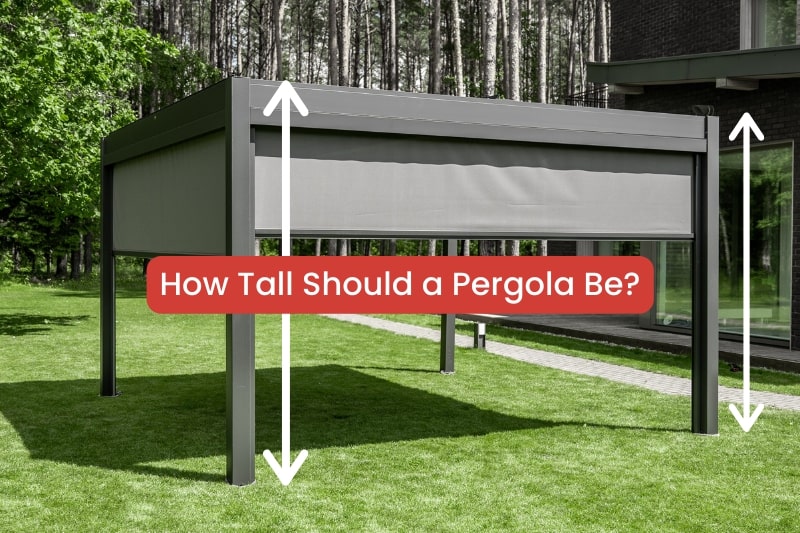
When considering the optimal height for a pergola, several factors must be taken into account. The standard height for a pergola typically ranges from 8 to 10 feet (approximately 2.4 to 3 meters) above the ground. This range is ideal as it allows for maximum functionality while ensuring a comfortable space for activities underneath. However, various elements such as personal preference, intended use, and structural design can influence the final decision on height.
Intended Use of the Pergola
The purpose of your pergola significantly impacts its height. Depending on whether it is meant for relaxation, dining, or entertaining, the height may vary.
- Dining Area: If the pergola is intended for dining, a height of 9 to 10 feet is advisable to accommodate taller furniture.
- Relaxation Space: For a cozy lounge area, 8 to 9 feet allows for a more intimate and comfortable atmosphere.
- Vertical Gardens: If incorporating vertical gardens, consider a height of 10 feet or more to provide adequate space for plants to grow.
Local Building Codes
Before finalizing the height of your pergola, it's essential to check local building codes, as regulations may dictate specific height requirements.
- Permits: Some areas require permits for structures above a certain height.
- Setbacks: Local regulations may have stipulations on how far structures need to be from property lines, influencing height.
- Building Restrictions: Historic districts or homeowner associations may impose additional restrictions on the design and height of outdoor structures.
Aesthetic Considerations
The visual appeal of a pergola is crucial, and its height should harmonize with surrounding landscapes and buildings.
- Proportions: A pergola that's too tall or too short can look out of place; find a height that complements nearby structures.
- Plant Growth: Higher pergolas allow for climbing plants to flourish, while shorter structures may limit their growth.
- Architectural Style: Choose a height that aligns with your home’s architectural style for a cohesive look.
Climate Considerations
Various climates can also affect the decision regarding the height of your pergola.
- Sun Exposure: In hot climates, a taller pergola can provide greater shade and keep temperatures cooler.
- Wind Conditions: In windy areas, lower pergolas may be more stable and less likely to suffer wind damage.
- Snow Load: For regions with heavy snowfall, a higher pergola may prevent snow accumulation, eliminating potential weight issues.
Personal Preference
Ultimately, personal preference plays a significant role in determining the height of a pergola. Each individual has unique requirements based on their lifestyle.
See also:
- Comfort Level: Some may prefer a cozier feeling with lower heights, while others might enjoy the openness of a taller structure.
- Future Modifications: Consider your future plans for the space, like adding furniture or features that may require more height.
- Usage Frequency: Frequent use of the area can lead to a desire for increased height for a more spacious feel.
What is the minimum height for a pergola in Australia?

The minimum height for a pergola in Australia typically ranges between 2.4 meters (approximately 7.9 feet) and 2.7 meters (around 8.9 feet). This height can vary based on local building regulations, council requirements, and specific design considerations. It’s important to adhere to these guidelines to ensure safety, functionality, and compliance with local laws.
Building Codes and Regulations
Building codes in Australia dictate specific regulations concerning the construction of outdoor structures, including pergolas. The primary codes include:
- National Construction Code (NCC): Outlines the safety and performance requirements.
- Local Council Regulations: Specific councils may have their own rules that determine minimum height and other construction specifications.
- Zoning Laws: Depending on the area, zoning laws can influence permitted heights and uses of structures.
Design Considerations
Design plays a crucial role in determining pergola height. Here are some factors to consider:
- Overall Aesthetic: The height should complement the existing structures in the area and improve the visual appeal.
- Functionality: A higher pergola may be needed for taller plants or outdoor furniture to fit comfortably underneath.
- Sunlight and Shade: The height can affect how much sunlight reaches the area, influencing plant growth and comfort levels.
Environmental Factors
Environmental considerations can also impact the minimum height for a pergola:
- Wind Resistance: In windy areas, a higher pergola might provide better stability.
- Rainfall and Drainage: Adequate height can help ensure that water drains effectively and prevents pooling on top of the pergola.
- Snow Load: In regions that receive snow, increased height can mitigate the risk of roof collapse due to heavy accumulation.
Permitting Process
The permitting process is essential for legal compliance and typically includes:
- Application Submission: Homeowners must submit detailed designs and plans to their local council.
- Plan Approval: The council reviews the application to ensure compliance with building codes and regulations.
- Inspections: Once approved, inspections may be required during and after construction to ensure adherence to safety standards.
Recommendations for Homeowners
Homeowners should consider several best practices when planning a pergola:
- Research Local Laws: Before starting construction, it is crucial to understand and comply with local regulations.
- Consult Professionals: Engaging an architect or builder can help navigate design and safety compliance.
- Use Quality Materials: Investing in durable materials can enhance the lifespan and stability of the pergola.
What is the height limit for a pergola?
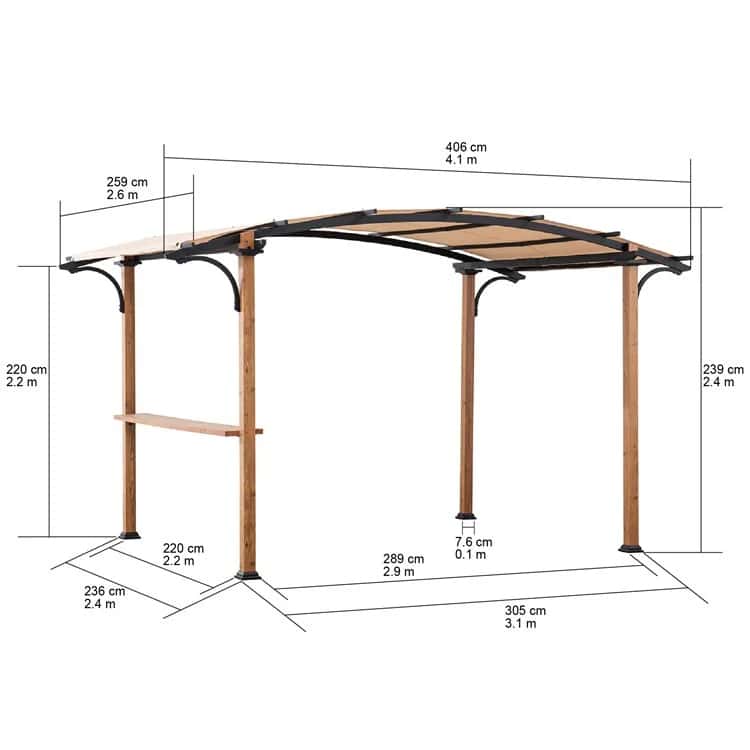
The height limit for a pergola can vary depending on local building codes, the specific design of the pergola, and the intended purpose. Generally, most pergolas are built between 8 to 12 feet tall, which allows for comfortable vertical space while still maintaining an aesthetically pleasing structure. Factors that can influence the height include:
1. Local Zoning Laws: Many municipalities have specific regulations regarding the height of outdoor structures, including pergolas. These laws can dictate the maximum height in relation to property lines and neighboring structures.
2. Intended Use: The purpose of the pergola can also determine its height. A pergola meant for simple shading may not need to be as tall as one designed to support climbing plants or serve as an outdoor room.
3. Design and Style: Different architectural styles may call for varying heights. For instance, a modern minimalist pergola may have a lower profile, while a traditional pergola could be taller with more elaborate features.
4. Construction Materials: The materials used can also affect the height. More robust materials may support greater heights for structural integrity.
5. Aesthetic Considerations: Finally, the overall look and visual proportion of the pergola in relation to your home and garden can guide the height decision.
See also:
Local Building Codes
Local building codes play a crucial role in determining the maximum height of a pergola. They are set to ensure safety and consistency within neighborhoods. The regulations can differ significantly based on location.
- Check with your local zoning department for specific height restrictions.
- Inquire about any necessary permits required for construction.
- Understand how the pergola height aligns with local aesthetics or community standards.
Purpose of the Pergola
The intended use of a pergola significantly influences its height. A functional design will accommodate its primary purpose, whether it's for shade, support for plants, or creating a cozy outdoor living space.
- Determine the primary function: will it provide shade, serve as a garden feature, or create a dining space?
- Consider whether you'll use furniture underneath and how it might impact height needs.
- Evaluate the type of plants (if any) that you plan to grow on or around the pergola.
Design Considerations
Design is a fundamental aspect affecting pergola height. Different styles might necessitate varied heights to maintain visual balance and structural integrity.
- Contemplate the architectural style of your home and how the pergola will complement it.
- Assess whether a taller design is needed for functionality, such as for climbing vines.
- Explore design examples and inspirations to determine the most appealing height.
Material Impact
The materials chosen for a pergola can greatly affect its possible height. Some materials are stronger and can handle greater heights without compromising structure.
- Investigate materials like wood, metal, or vinyl and their respective structural abilities.
- Consider the weight of the chosen materials and how it translates to height.
- Think about maintenance and durability of different materials related to height preferences.
Aesthetic Balance
Finally, achieving aesthetic balance is vital when deciding on the height of a pergola. It should harmonize with the surrounding environment, making it visually appealing while serving its purpose.
- Evaluate how the pergola’s height will relate to other structures in your yard.
- Consider visual lines from windows or outdoor areas to ensure the pergola enhances the view.
- Take into account seasonal changes that may affect the visual impact of height—like foliage.
Can a pergola be 9 ft tall?

Yes, a pergola can indeed be 9 ft tall. The height of a pergola is not strictly regulated, allowing for flexibility based on personal preference, the intended use of the structure, and local regulations. Many homeowners decide on a height between 8 to 10 feet, which provides adequate clearance for overhead features, such as outdoor lighting, climbing plants, or shade cloths while still fitting within most yard dimensions.
Design Considerations for a 9 ft Pergola
When planning for a 9 ft tall pergola, there are several design considerations to keep in mind:
- Proportions: Ensure that the height complements the width and length.
- Materials: Choose materials that can support the height without compromising stability.
- Aesthetic Balance: Consider the overall look relative to surrounding structures.
Building Codes and Regulations
Before constructing a 9 ft tall pergola, it is crucial to check local building codes and zoning regulations. Many areas have specific guidelines that dictate the maximum height of outdoor structures.
- Setback Requirements: Understand how far the pergola must be from property lines.
- Permitting Process: Investigate whether a permit is necessary for a structure of that height.
- Height Restrictions: Some neighborhoods may impose limits on structures to maintain visual harmony.
Functionality of a 9 ft Pergola
A 9 ft tall pergola offers numerous functional advantages that can enhance outdoor living spaces:
- Shade Provision: The height allows for the installation of shade cloth or climbing plants.
- Vertical Space Usage: Ideal for hanging lights or outdoor decor.
- Enhanced Airflow: Higher structures enable better airflow, making the space more comfortable.
Aesthetic Value in Landscape Design
Incorporating a 9 ft pergola can significantly enhance the aesthetic value of an outdoor space. The height contributes to a more open and inviting atmosphere:
- Visual Focal Point: A tall pergola can serve as a striking focal point in the landscape.
- Integration with Features: It can complement other structures, such as the house or fence.
- Greenery Support: Climbing plants will thrive, adding beauty and shade over time.
Building Your Own 9 ft Pergola
Constructing a 9 ft tall pergola can be a rewarding DIY project. Here are some steps to consider:
- Planning: Sketch a design and determine the exact measurements.
- Selecting Materials: Choose weather-resistant materials, like treated wood or metal.
- Foundation Work: Ensure a solid foundation to support the structure securely.
Questions from Our Readers
How high should a pergola be for optimal functionality?
The ideal height for a pergola typically ranges between 8 to 10 feet (about 2.4 to 3 meters) to provide enough headroom while maintaining an aesthetically pleasing appearance. This height allows for adequate shade without feeling enclosed, enhancing the enjoyment of your outdoor space.
Are there specific height regulations for pergolas in Australia?
Yes, there are height regulations that can vary by local councils in Australia. Generally, if a pergola is part of a residential area, it should adhere to regulations, often capped at 3 meters tall without requiring a permit, but it’s crucial to check with your local council for specific guidelines.
See also:
What factors influence the height of a pergola in Australia?
Several factors influence the height of a pergola, including local climate conditions, intended use, and surrounding landscape features. In sunny regions, a taller structure might be suitable for maximizing shade, while in windy areas, a lower height can provide additional stability.
Can I customize the height of my pergola?
Absolutely, customizing the height of your pergola is a great way to fit it into your design aesthetic and meet your practical needs. However, ensure that you keep in mind both functionality and any applicable building codes when planning your height adjustments.
If you want to read more articles like How High Should a Pergola Be in Australia? Essential Guidelines for Optimal Design, we recommend you check out our Pergola category.
Leave a Reply
Related Articles