Effective Strategies: How Do You Get Rid of Gnats in Houseplants?
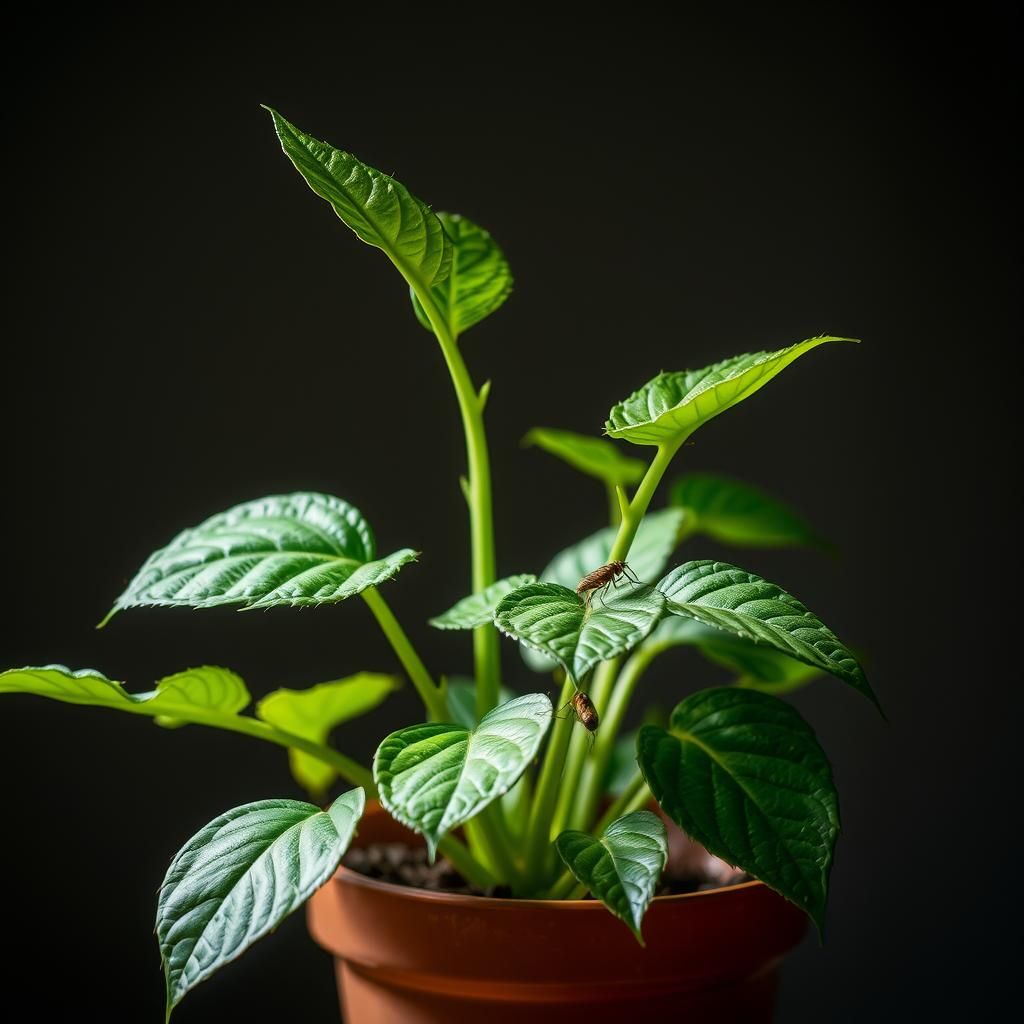
Gnats can be a frustrating nuisance for houseplant enthusiasts, as these tiny pests often thrive in the warm, damp environments of potted plants. Not only do they disrupt the aesthetic appeal of your indoor garden, but they can also harm your plants by damaging the roots and spreading disease. Understanding how to effectively eliminate gnats is essential for maintaining healthy houseplants. In this article, we will explore several proven strategies to get rid of gnats, from natural remedies to more targeted approaches, ensuring your plants flourish free from these unwelcome intruders. Discover how to reclaim your indoor oasis effectively!
Effective Methods to Eliminate Gnats in Houseplants
To effectively get rid of gnats in houseplants, it's crucial to first address the source of the infestation, which typically involves overwatered soil that creates a damp environment conducive to egg-laying and larval development. Begin by allowing the top layer of soil to dry out between watering, as this can deter adult gnats from laying more eggs. Integrating yellow sticky traps can help catch adult gnats, while introducing beneficial nematodes or hydrogen peroxide solutions into the soil can target larvae without harming the plants. This multi-faceted approach ensures a greater chance of eradicating the problem effectively.
Understanding Gnat Infestations
Gnat infestations in houseplants are primarily caused by Fungus Gnats, which are attracted to moist soil where they lay their eggs. The larvae thrive on organic matter and decomposing material found in the soil, making it essential to maintain a healthy watering routine and monitor your plants closely. Identifying the signs of gnat presence, such as adult flies hovering around the plants and visible larvae in the soil, can help you take timely action before the situation escalates.
Watering Techniques to Prevent Gnats
Improper watering techniques are a leading cause of gnat problems in houseplants. Ensuring that you do not overwater your plants is vital for preventing a gnat infestation. Allowing the top inch of soil to dry out before watering again reduces humidity and creates an unfavorable environment for gnats to thrive. Consider using pots with drainage holes and suitable potting mix to promote proper drainage and avoid standing water.
Natural Remedies for Gnat Removal
There are several natural remedies that can effectively eliminate gnats from your houseplants. One popular solution is using a mixture of apple cider vinegar and dish soap in a bowl. The vinegar attracts the gnats, while the soap traps them. Additionally, sprinkling a layer of diatomaceous earth on the soil can dry out larvae and deter adults from laying eggs. Regularly changing the topsoil can also reduce the likelihood of infestation.
Using Traps to Control Gnat Populations
Setting up traps is an efficient way to control gnat populations in houseplants. Yellow sticky traps, which can be purchased at gardening stores, attract adults by bright colors, preventing them from reproducing. Placing these traps near affected plants can significantly reduce adult populations, thereby interrupting their life cycle and preventing further infestation. Maintenance of these traps is essential, as replacing them regularly ensures effectiveness.
Chemical Solutions and Their Considerations
Chemical solutions, such as insecticidal soaps or neem oil, can offer a more aggressive approach against gnats infesting houseplants. These solutions target both adults and larvae without compromising plant health. However, it's important to follow the manufacturer's instructions to avoid damaging your plants. Always test these products on a small area first to gauge any potential adverse reactions and ensure the safety of your plants.
| Method | Description |
|---|---|
| Watering Control | Allow topsoil to dry out to reduce humidity. |
| Traps | Use yellow sticky traps to capture adult gnats. |
| Natural Remedies | Apple cider vinegar and diatomaceous earth help eliminate larvae. |
| Chemical Solutions | Insecticidal soaps and neem oil target gnats without harming plants. |
| Regular Monitoring | Consistently check for signs of gnats to take timely action. |
How do you get rid of gnats without killing plants?
:max_bytes(150000):strip_icc()/control-gnats-in-plants-4174817_V3-524db8540aaa403a99a313ba1deecff0.png)
Understanding Gnats
Gnats are small flying insects that can be quite bothersome, especially when they invade your home or garden. They often thrive in moist environments and are attracted to decaying organic matter. Knowing their behavior is crucial for successful management. There are several species of gnats, each with unique characteristics, but most are typically drawn to overwatered plants or areas with poor drainage. Effective control requires understanding their life cycle, which consists of the egg, larva, and adult stages.
See also:
- Eggs are usually laid in moist soil.
- Lava feed on organic material, which can damage plant roots.
- Adults reproduce quickly, so prompt action is necessary.
Improve Drainage
One effective strategy to combat gnats without harming your plants is to ensure proper drainage. Excess moisture in the soil creates a perfect breeding ground for gnats. To improve drainage, consider repotting your plants or adding materials like perlite or sand to the soil. This technique keeps the roots healthier and reduces the likelihood of gnats.
- Check pots for drainage holes to release excess water.
- Use well-draining soil to minimize moisture retention.
- Avoid overwatering, letting the top inch of soil dry out between waterings.
Use Natural Repellents
Natural repellents can effectively deter gnats without damaging your plants. Many essential oils, such as peppermint, citronella, and tea tree oil, have properties that repel these pests. Mixing a few drops with water in a spray bottle can create a natural insect repellent.
- Mix oil and water in a spray bottle for easy application.
- Spray around affected areas and on top of the soil.
- Reapply every few days or after watering to maintain effectiveness.
Set Up Traps
Setting up traps is a low-impact method to catch and reduce the gnats population. You can easily create homemade traps using ingredients you already have around your home. A simple apple cider vinegar trap can attract and drown adult gnats, preventing them from laying more eggs in your plants.
- Fill a small bowl with apple cider vinegar and cover it with plastic wrap.
- Poke small holes in the wrap to allow gnats access.
- Place the trap near your plants to lure in adult gnats.
Introduce Beneficial Nematodes
Beneficial nematodes are microscopic worms that can help control gnat populations in the soil without damaging your plants. These worms seek out gnat larvae, effectively reducing their numbers naturally. Introducing them to your potted plants or garden can significantly diminish the gnat issue.
- Purchase nematodes from a reputable supplier.
- Mix them with water and apply them to the soil.
- Follow the supplier’s instructions for proper application frequency.
How do you get rid of gnats in indoor plants?
To get rid of gnats in indoor plants, a combination of preventative measures and treatments can be employed. Here are several effective strategies to eliminate these pesky insects:
1. Understand the Life Cycle of Gnats
Understanding the life cycle of gnats is essential in tackling the problem effectively. Gnats go through several stages:
- Eggs: Laid in moist soil.
- Larvae: Hatch from eggs, feed on decaying organic material and roots.
- Adults: Emerge to reproduce and continue the cycle.
Knowing this life cycle helps you identify the right timing for treatments and eradication methods.
2. Allow Soil to Dry Out
Gnats thrive in moist environments, so allowing your plant's soil to dry out between waterings can significantly reduce their numbers. Here are some tips:
See also:
- Watering Schedule: Adjust your watering schedule to permit the top inch of soil to dry out.
- Soil Type: Use soil that promotes aeration and reduces moisture retention.
- Drainage: Ensure that pots have proper drainage to prevent water accumulation.
This method helps cut off the habitat and breeding ground for gnats.
3. Use Traps to Catch Adult Gnats
Trapping adult gnats is an effective way to monitor and reduce their population. You can create traps using various methods:
- Sticky Traps: Place yellow sticky traps near the plants to catch flying adults.
- Vinegar Traps: Fill a bowl with vinegar, cover it with plastic wrap, and poke holes for gnats to enter.
- Soap Water Traps: A mixture of dish soap and water can attract and drown gnats.
These traps help reduce the adult population while you address the larvae in the soil.
4. Introduce Natural Predators
Introducing natural predators can provide a biological control method for gnats. These predators feed on gnat larvae and can help keep the population in check. Consider:
- Nematodes: Beneficial nematodes can be introduced into the soil to target gnat larvae.
- Predatory Mites: These insects can also control pest populations effectively.
- Bacillus thuringiensis: A bacterium that can be used to kill larvae when applied to the soil.
Using natural predators minimizes the need for chemical interventions, keeping your indoor garden healthy.
5. Apply Insecticidal Solutions if Necessary
If other methods do not effectively eliminate gnats, insecticidal solutions may be necessary. Here are some options:
- Neem Oil: A natural pesticide that disrupts gnat life cycles and helps eradicate them.
- Insecticidal Soap: Kills insects on contact and can be applied to the soil.
- Pyrethrin: A natural compound that attacks the nervous system of adult gnats.
Always follow the instructions carefully and test any solution on a small area first to avoid damaging your plants.
Questions from Our Readers
How do you know if you have gnats in your houseplants?
If you notice small, flying insects around your plants, especially when you water them, it’s likely you have fungus gnats. These pests are typically small, black flies that are often seen hovering near the soil surface of your plants.
What are some effective methods to get rid of gnats?
To eliminate gnats, you can use methods such as allowing the soil to dry out, using yellow sticky traps, or creating a mixture of apple cider vinegar and dish soap. These methods target adult gnats and their larvae in the soil, disrupting their life cycle.
See also:
Can I use chemicals to eliminate gnats?
Yes, you can use insecticides that are specifically designed for fungus gnats; however, it’s important to read the label and ensure they are safe for indoor plants. Always consider non-chemical options first, as they are generally safer for both plants and the environment.
How can I prevent gnats from returning to my houseplants?
To prevent gnats, make sure to water your plants properly, avoiding overwatering, which creates a moist environment ideal for gnats. Additionally, let the top inch of soil dry out between waterings, and consider using sterilized potting mix to eliminate any larvae present in the soil.

If you want to read more articles like Effective Strategies: How Do You Get Rid of Gnats in Houseplants?, we recommend you check out our Pots category.
Leave a Reply
Related Articles