What to Plant Under Citrus Trees Australia: A Comprehensive Guide for Thriving Gardens
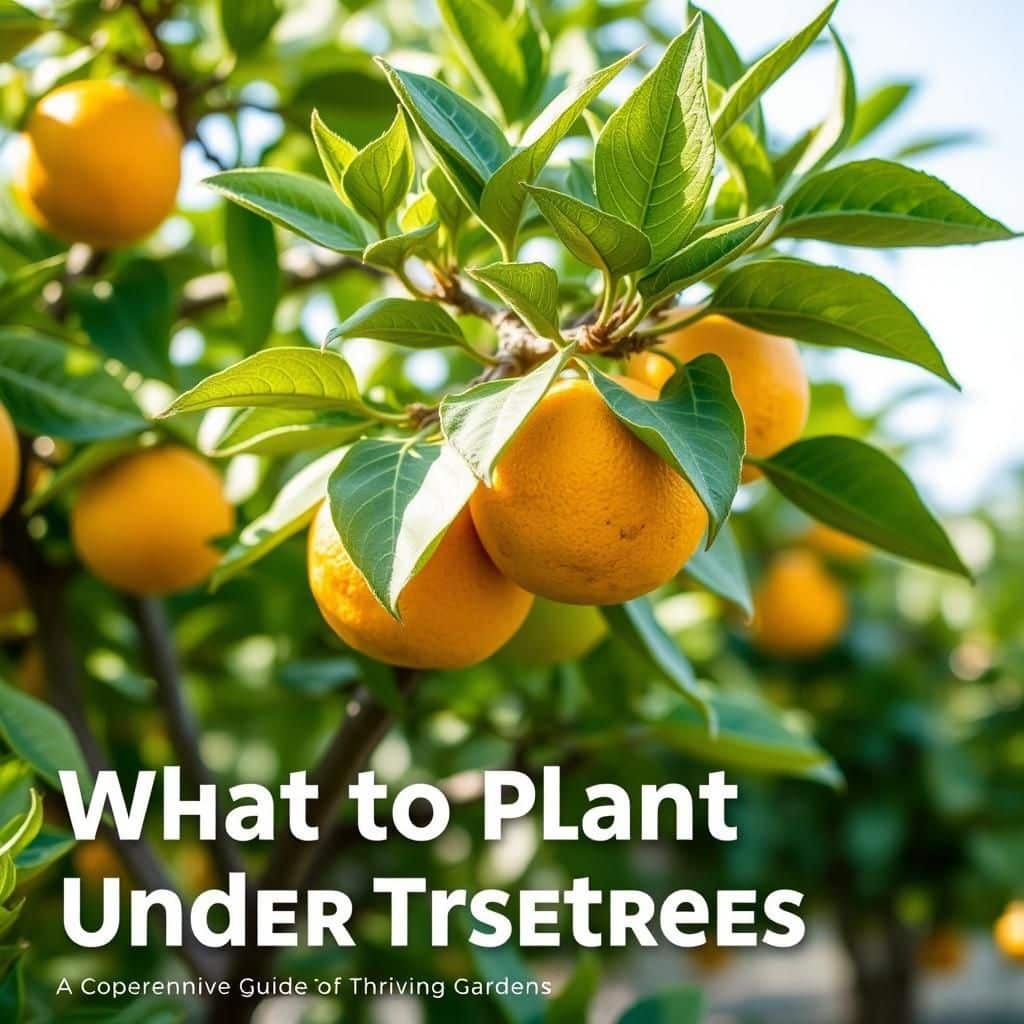
When cultivating a vibrant garden, understanding what to plant beneath citrus trees in Australia can significantly enhance both aesthetics and health of the ecosystem. The interplay between citrus roots and companion plants can offer benefits such as improved soil quality, pest control, and a more diverse habitat for beneficial insects. This comprehensive guide will explore various plant options that thrive under citrus trees, taking into consideration Australia’s unique climate and soil conditions. Whether you’re aiming for a flourishing edible garden or a visually appealing landscape, this article will provide valuable insights into creating a harmonious planting scheme that supports your citrus grove.
What to Plant Under Citrus Trees in Australia
Planting under citrus trees in Australia requires careful consideration of the microclimate created by the tree canopy. Citrus trees provide dappled sunlight, which is beneficial for many shade-tolerant plants. It’s crucial to choose plants that not only thrive in partial shade but also complement the citrus tree's needs by benefiting from the nutrients in the soil without competing for water. Some excellent options include various herbs, ground covers, and flowering plants that attract pollinators while enhancing the overall health of the garden ecosystem. Consider planting companion plants such as garlic and chamomile, which can deter pests and promote the growth of the citrus trees.
Benefits of Companion Planting
Companion planting can greatly enhance the growth and health of citrus trees. By planting compatible species nearby, you can create a symbiotic relationship where certain plants improve soil health, deter pests, and even provide necessary nutrients. For instance, planting herbs like basil or oregano can repel harmful insects while boosting the citrus's growth through allelopathic effects. Additionally, such plants can attract beneficial insects, supporting pollination and overall biodiversity in your garden.
Best Herbs to Plant Under Citrus Trees
Herbs are an outstanding choice for planting under citrus trees due to their low maintenance and ability to thrive in poor soil conditions. Some of the best herbs to consider include rosemary, thyme, and mint. These herbs not only share space with citrus trees harmoniously but also contribute to the soil health with their root systems and aromatic properties, which repel pests. Regular harvesting of these herbs can also promote their growth, providing a fresh supply for the kitchen and enhancing the garden’s aesthetic appeal.
Flowers That Attract Pollinators
Planting flowers that attract pollinators can be incredibly beneficial when placed under citrus trees. Flowers like calendula, marigold, and lavender not only enhance visual appeal but also draw in essential insects such as bees and butterflies that help in the pollination of citrus blooms. These flowers can thrive in partial shade and will help create a thriving ecosystem beneath the tree, benefiting overall garden health and yield. Incorporating a variety of colors and textures will create a vibrant undergrowth while maintaining a friendly habitat for pollinators.
Ground Covers for Moisture Retention
Choosing effective ground covers under citrus trees can help retain soil moisture and suppress weeds. Plants like clover, ajuga, and creeping thyme serve as excellent options, as they establish dense mats that keep the soil cooler and inhibit the growth of undesirable plants. Furthermore, these ground covers can contribute to the soil's organic matter as they die back and decompose, enriching the soil over time. This practice not only fosters a healthier environment for your citrus trees but also reduces the need for constant watering, particularly during the Australian summers.
Additional Considerations for Soil Health
Maintaining soil health under citrus trees is crucial for their growth and productivity. Regularly incorporating organic matter, such as mulch or compost, can improve soil structure and increase moisture retention. It is also advisable to conduct occasional soil tests to monitor nutrient levels and adjust fertilization accordingly, ensuring that both the citrus trees and the companion plants receive the essential elements they need. By enhancing soil health, you create an environment that supports the diverse plant life beneath your citrus trees while promoting robust growth and fruit production.
| Plant Type | Benefits | Sunlight Requirement |
|---|---|---|
| Herbs | Repel pests, improve soil health | Partial shade |
| Flowers | Attract pollinators, enhance beauty | Partial shade |
| Ground Covers | Moisture retention, weed suppression | Partial shade |
| Soil Amendments | Boost nutrients, enhance soil structure | Not applicable |
What to plant at the base of citrus?
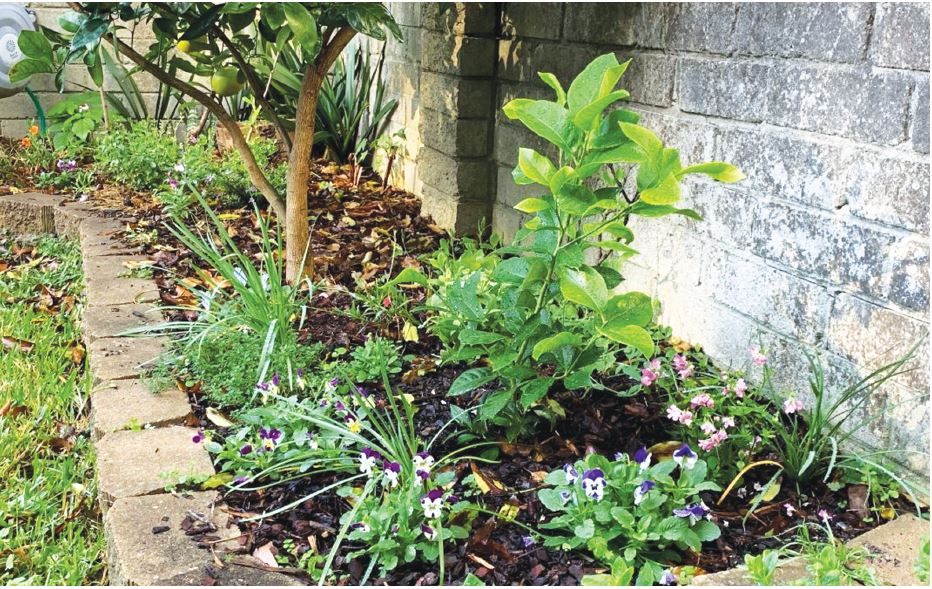
When considering what to plant at the base of citrus trees, it's essential to choose companion plants that complement the citrus while also enhancing the garden's aesthetics and ecosystem. Here are several suitable options:
Herbs
Herbs are excellent companions for citrus trees due to their aromatic qualities and ability to repel pests. They can thrive in the same soil conditions that citrus trees enjoy.
- Basil - A popular herb that pairs well with citrus in cooking, basil can attract beneficial insects.
- oregano - This herb can help deter certain pests and is useful for culinary purposes.
- rosemary - Known for its strong scent, rosemary can repel harmful insects while thriving in similar conditions as citrus.
Flowers
Incorporating flowers at the base of citrus trees not only adds visual interest but can also attract pollinators that benefit the tree.
- Marigolds - These bright flowers can deter nematodes and other pests that may harm citrus roots.
- nasturtiums - This edible flower can attract aphids away from citrus trees, acting as a trap crop.
- lavender - Apart from its beauty, lavender’s scent can repel various insects and attract beneficial pollinators.
Vegetables
Certain vegetables can thrive in the space around citrus trees, providing a productive garden layout while maximizing crop yield.
- Garlic - This vegetable can deter pests and improve the health of surrounding plants.
- onions - Similar to garlic, onions can help repel pests while growing well in partial shade.
- leafy greens - Greens like spinach and lettuce can be planted around citrus, as they enjoy similar growing conditions.
Ground Covers
Using ground covers can help with moisture retention and weed suppression around citrus trees, creating a healthier environment.
See also:
- clover - This cover crop adds nitrogen to the soil and can suppress weeds effectively.
- thyme - A low-growing herb that can act as a natural mulch, thyme thrives in well-drained conditions.
- creeping phlox - This flowering ground cover provides beauty and suppresses weeds while thriving in the sun.
Fruit-bearing Plants
Planting other fruit-bearing plants near citrus can encourage a diverse ecosystem and maximize space.
- strawberries - They can be grown in the shade of citrus trees, providing delicious fruits that thrive in similar soil.
- blueberries - These require acidic soil, which can complement the needs of some citrus varieties.
- raspberries - These can share space while providing a bountiful harvest in the same garden area.
What do you put around citrus trees?

To take care of citrus trees effectively, you can put various materials around them to provide support, protection, and improve growth conditions. Here are some common options and their functions:
Organic Mulch
Using organic mulch around citrus trees is highly beneficial. Mulch helps retain moisture in the soil and suppresses the growth of weeds, which can compete for nutrients. It also gradually breaks down, enriching the soil with organic matter as it decomposes.
- Reduces soil temperature, providing a stable environment for roots.
- Helps with moisture retention, reducing the need for frequent watering.
- Improves soil structure over time as the mulch decomposes.
Landscape Fabric
Landscape fabric can be employed around citrus trees to create a barrier against weeds. This helps to minimize competition for nutrients without the need for chemical herbicides.
- Allows water and air to penetrate, preventing root suffocation.
- Reduces manual weeding, saving time and effort.
- Provides a clean look to the garden while promoting healthy growth.
Planting Ground Covers
Introducing ground covers around citrus trees can enhance the overall health of your garden. Certain low-growing plants can prevent weed growth and protect the soil from erosion.
- Contributes to a biodiverse ecosystem by attracting beneficial insects.
- Helps with moisture retention in the soil.
- Can enhance the aesthetic appeal of the garden by adding color and texture.
Stone or Gravel
Covering the ground around citrus trees with stone or gravel can also be effective. These materials allow for excellent drainage and can deter weeds while providing a modern look to your garden landscape.
- Promotes drainage, preventing root rot during heavy rainfall.
- Minimizes evaporation, ensuring that moisture stays in the soil.
- Discourages certain pests by creating an uninviting barrier.
Fertilizer and Soil Amendments
In addition to physical barriers, you can apply fertilizers and soil amendments around citrus trees to ensure they have all the nutrients they need to thrive.
- Provides essential nutrients like nitrogen, phosphorus, and potassium.
- Improves soil pH, making it more suitable for citrus cultivation.
- Encourages healthy root development and stronger growth overall.
What is best to plant under fruit trees?

To determine what is best to plant under fruit trees, it's essential to consider both the health of the trees and the plants that will grow beneath them. Many gardeners seek to cultivate companion plants that can thrive in the shade and help improve the soil, deter pests, or attract beneficial insects.
Benefits of Underplanting
Underplanting is beneficial as it utilizes space efficiently and can enhance the overall health of your garden. By selecting the right plants, you can add aesthetics, improve soil quality, and support the ecosystem. Here are some key benefits:
- Improved Soil Quality: Certain plants can fix nitrogen and enhance soil nutrients.
- Pest Control: Companion plants can deter harmful insects and attract beneficial ones.
- Diversity: A mix of plants promotes biodiversity, which can lead to a healthier garden.
Best Companion Plants
Some plants are particularly well-suited for growing under fruit trees. These companions can cohabitate without competing directly for resources. The following plants are highly recommended:
- Clovers: They are excellent nitrogen fixers and enrich the soil.
- Garlic: This plant can deter pests such as aphids and mites.
- Herbs like Thyme and Oregano: These attract pollinators and can help suppress weeds.
Ground Cover Options
Ground covers are useful for controlling weeds and maintaining soil moisture. They can provide a protective layer that benefits the fruit trees. Some effective ground cover options include:
See also:
- Strawberries: They can produce fruit and spread easily as ground cover.
- Sweet Woodruff: A low-growing plant that thrives in partial shade.
- Ajuga: Known for its beautiful flowers, it forms a dense mat and helps suppress weeds.
Herbs That Thrive in Shade
Certain herbs are ideal for planting under fruit trees, as they prefer less direct sunlight and can add flavor to your kitchen. These include:
- Mint: Thrives in cooler, shaded conditions and can be used in various dishes.
- Basil: Does well in partial shade and can enhance fruit flavor when grown nearby.
- Parsley: Another shade-loving herb that can enjoy the conditions under the trees.
Considerations for Planting
When planting under fruit trees, there are various aspects to consider to ensure a healthy coexistence. Be mindful of the following:
- Watering Needs: Ensure that the companion plants have similar watering requirements as the fruit trees.
- Root Competition: Choose shallow-rooted plants to avoid competing with the fruit tree roots.
- Growth Habit: Consider the height and spread of the underplants to ensure they do not overshadow the fruit trees.
What not to plant next to citrus?
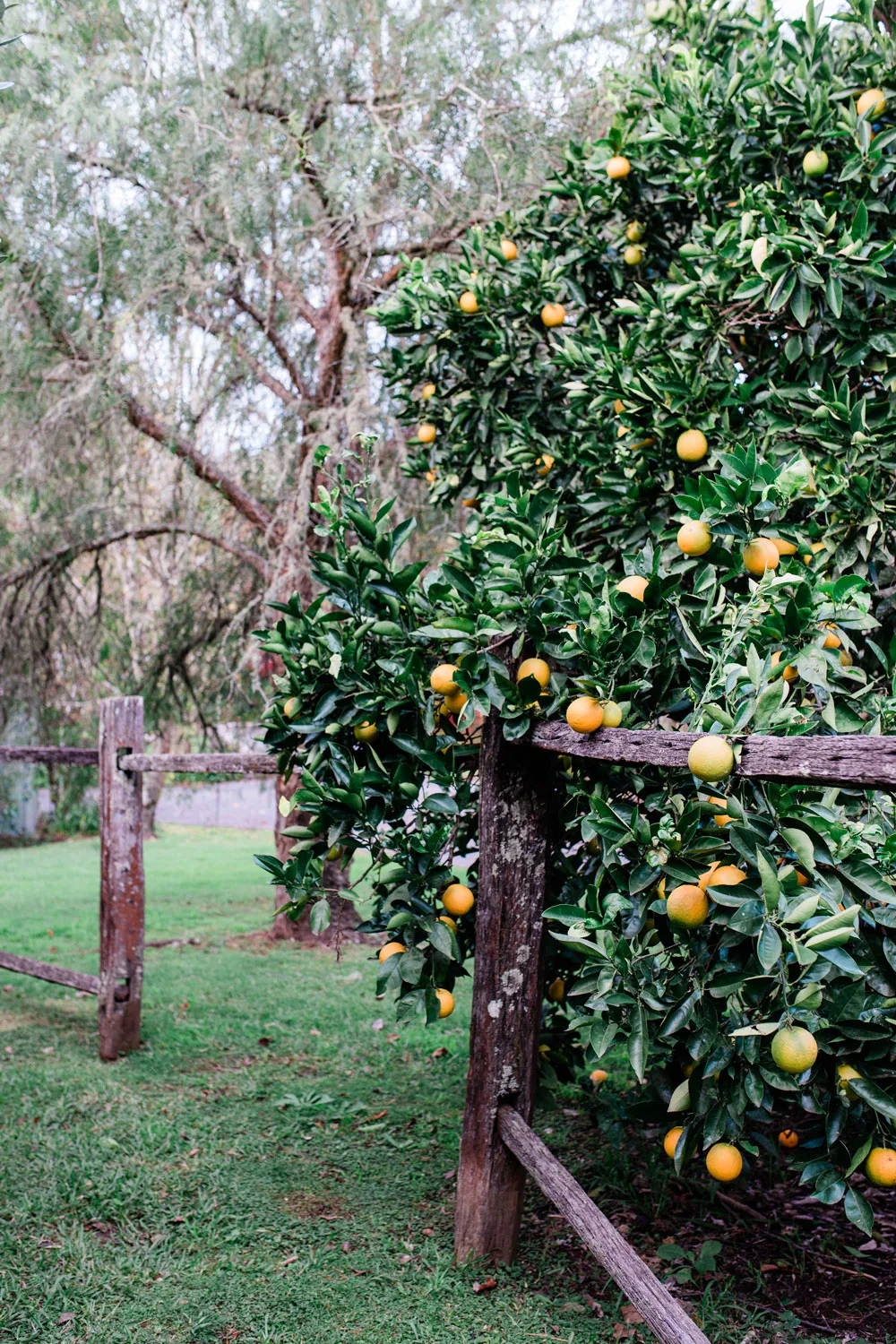
Citrus trees, such as oranges, lemons, and limes, are popular in many home gardens and orchards. However, the selection of companion plants is crucial to ensure the health and productivity of these trees. Understanding what not to plant next to citrus can help prevent issues like competition for resources, pests, and diseases. Here are some plants that should be avoided when growing citrus.
Competition for Nutrients
Citrus trees require a specific balance of nutrients to thrive. Planting them next to species that have similar nutritional needs can lead to competition for vital nutrients. This competition can weaken the citrus trees, causing poor growth and reduced fruit yield.
- Almond trees: Both require similar nutrients and compete heavily for resources.
- Walnut trees: They release juglone, a compound that is toxic to citrus and could hinder their growth.
- Other heavy feeders: Plants like corn or tomatoes also deplete the soil of nutrients that citrus needs.
Soil pH and Drainage Issues
Citrus trees prefer slightly acidic soil with good drainage. Planting them near species that thrive in different soil conditions can alter the pH and moisture retention capabilities of the soil, leading to root problems.
- Blueberries: They prefer more acidic soils than citrus, which can make the environment unsuitable for the latter.
- Rhododendrons: Also require acidic conditions that differ from those preferred by citrus trees.
- Water-loving plants: Species like bamboo or willows can create overly wet conditions that harm citrus roots.
Attraction of Pests
Certain plants can attract pests that are detrimental to citrus trees, leading to infestations that could severely impact their health.
- Sunflowers: Attract aphids that can spread to citrus trees, causing significant damage.
- Geraniums: Known to attract spider mites that create issues for citrus.
- Fennel: Can attract various pests that might harm citrus plants.
Diseases Transmission
Some plants can harbor diseases that can transfer to citrus trees, leading to devastating infections. It's crucial to be aware of these potential threats when planning your garden.
- Nightshade family plants: Such as tomatoes and peppers can host pests and diseases that affect citrus.
- Peach trees: Known carriers of peach leaf curl, which can affect nearby citrus trees.
- Lavender: Although it has benefits, it can harbor pests that are harmful to citrus.
Allopathic Effects
Some plants can have allelopathic effects on citrus, inhibiting their growth through the release of natural chemicals into the soil. This can significantly impact the overall health of citrus trees.
- Black walnut: The compounds released are toxic to many plants, including citrus.
- Marigolds: While beneficial to some plants, they can harm the growth of citrus under certain conditions.
- Rhubarb: Contains oxalic acid, which can negatively affect citrus growth.
Questions from Our Readers
What are the best companion plants to grow under citrus trees in Australia?
Companion plants that thrive under citrus trees in Australia include herbs like basil, oregano, and thyme, which can enhance the flavor of the citrus fruits while also repelling harmful pests. Additionally, planting low-growing flowers such as marigolds can attract beneficial insects and improve the overall health of the garden ecosystem.
How do I improve soil quality under citrus trees for planting?
To improve soil quality under citrus trees, it's important to incorporate organic matter such as compost or well-rotted manure, which can enhance nutrient levels and soil structure. Ensuring proper drainage is also crucial, as citrus trees prefer well-drained soils to prevent root rot.
Can I plant vegetables under citrus trees?
Yes, you can plant vegetables under citrus trees, but it's essential to choose varieties that require similar growing conditions. Leafy greens like spinach and lettuce or shallow-rooted vegetables such as radishes and carrots can work well, provided they receive enough sunlight and nutrients.
What are some common pests to watch for when planting under citrus trees?
When planting under citrus trees, be vigilant for common pests such as aphids, citrus leaf miners, and mealybugs. These pests can affect both the citrus trees and companion plants, so monitoring and using organic pest control methods can help maintain a healthy garden environment.
See also:

If you want to read more articles like What to Plant Under Citrus Trees Australia: A Comprehensive Guide for Thriving Gardens, we recommend you check out our Landscaping category.
Leave a Reply
Related Articles