How Much Area Does a 40L Bag of Mulch Cover? Essential Tips for Gardeners
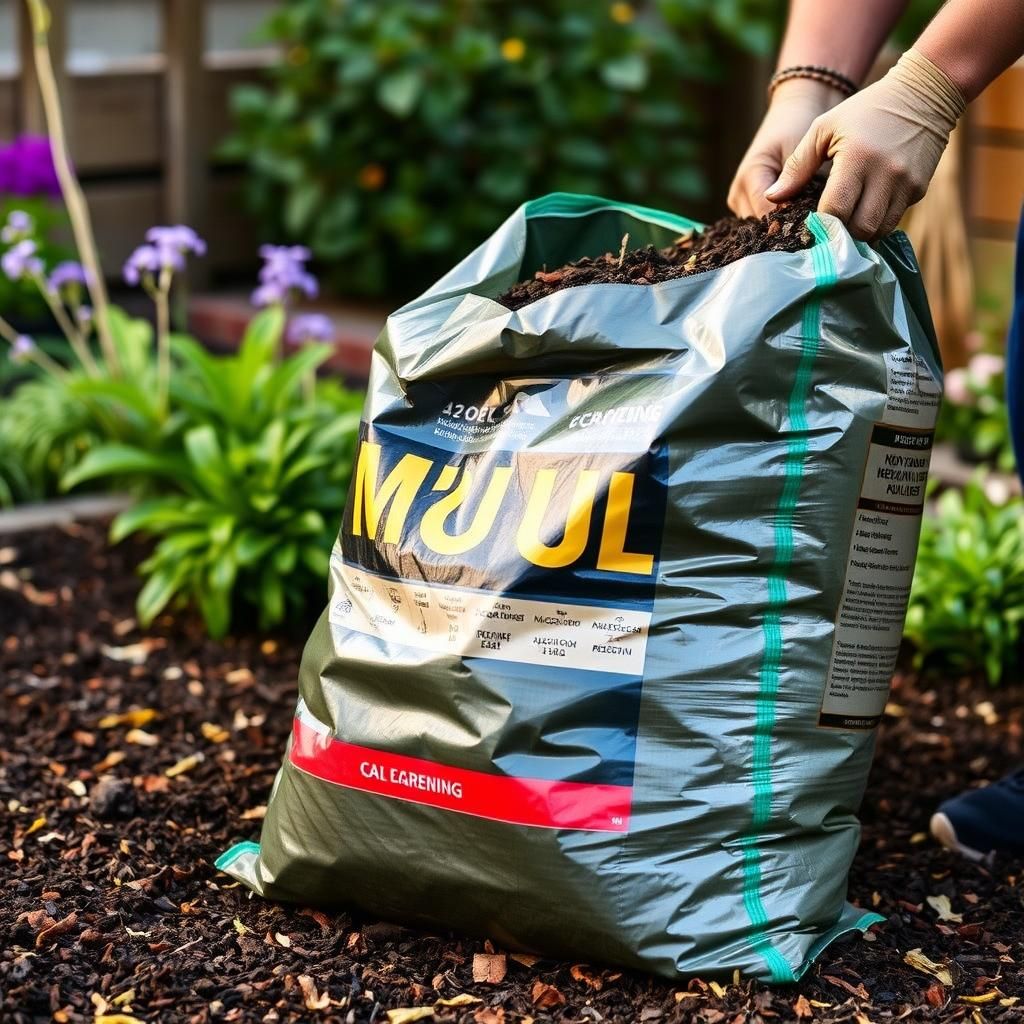
Mulching is an essential practice for gardeners, providing numerous benefits such as moisture retention, weed suppression, and temperature regulation for the soil. When it comes to choosing mulch, understanding how much area a 40-liter bag covers is crucial for planning and optimizing your garden space. This article will delve into the coverage area of a 40L bag of mulch, offering essential tips and calculations to help you effectively apply mulch in your garden. Whether you’re preparing flower beds or vegetable plots, knowing the right amount of mulch can enhance the health and appearance of your outdoor spaces.
How Much Area Does a 40L Bag of Mulch Cover?
A 40-liter bag of mulch typically covers an area of approximately 10 to 12 square meters (or around 100 to 130 square feet) when applied at a depth of 5 cm (2 inches). The exact coverage can vary based on the type and size of the mulch particles and the desired thickness of the application. For optimal results, it is recommended to spread the mulch evenly to help suppress weeds, retain soil moisture, and regulate soil temperature.
Understanding the Measurement of Mulch Volume
The volume of mulch is crucial in determining how much area it can cover. A 40-liter bag is a standardized measurement equating to about 1.4 cubic feet. This means when calculating coverage, you can consider the depth at which the mulch will be laid down. A greater depth requires more volume, and consequently, less area will be covered compared to applying at a shallower depth.
Factors Affecting Mulch Coverage
Several factors can influence the coverage area of a 40L mulch bag, such as the type of mulch (bark, wood chips, straw, etc.), moisture content, and the density of the mulch. Some mulches are more compact and denser, leading to reduced coverage area, while lighter mulches may spread further, increasing coverage. Therefore, it's essential to consider these factors for accurate calculations.
Application Techniques for Efficient Coverage
To maximize the coverage from a 40L bag of mulch, proper application techniques are essential. When distributing mulch, it should be spread evenly using a rake or shovel for optimal depth. Aim for around 5 cm (2 inches) for effective weed suppression without smothering the soil. This ensures that you not only cover the intended area but also benefit from the mulch's protective properties.
Estimating the Right Amount of Mulch Needed
Estimating the required amount of mulch can prevent excess expense or inadequate coverage. For example, if your garden area measures 20 square meters and you wish to apply mulch at a depth of 5 cm, you would calculate the volume needed and then determine the number of 40L bags required. Using conversion factors can simplify this process, enabling you to make informed purchases.
Benefits of Proper Mulch Coverage
Applying mulch correctly from a 40L bag provides numerous benefits, including moisture retention, weed control, and improved soil health. Adequate coverage prevents evaporation of water from the soil, thereby maintaining an even moisture level. Additionally, a thicker layer can suppress weed growth, reducing the need for chemical herbicides and making garden maintenance easier.
| Mulch Depth | Area Covered |
|---|---|
| 5 cm (2 inches) | 10-12 square meters |
| 7.5 cm (3 inches) | 8-10 square meters |
| 10 cm (4 inches) | 6-8 square meters |
How much does a 40l bag of mulch cover?
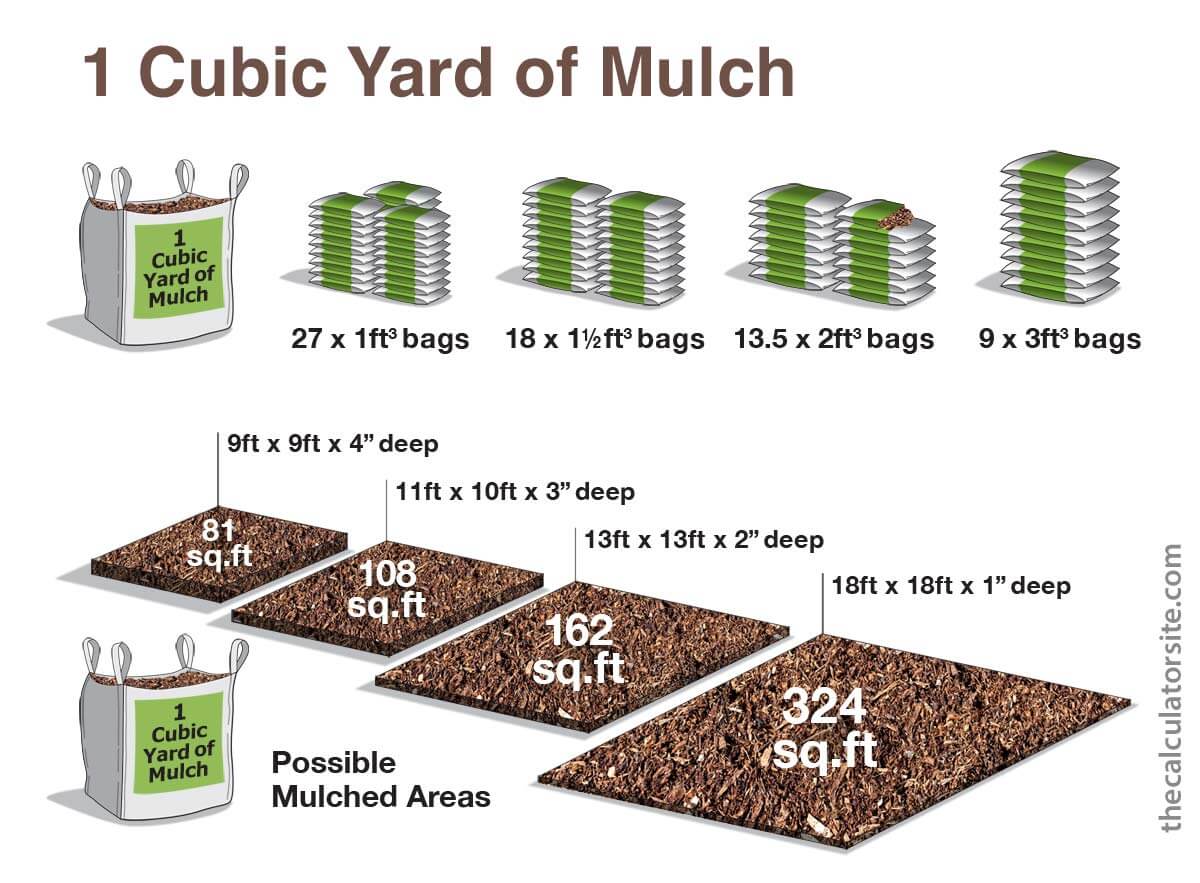
A 40L bag of mulch typically covers an area of approximately 1.5 to 2 square meters (16 to 22 square feet) depending on the depth of application. The coverage can vary based on the type of mulch being used and the recommended thickness to achieve effective moisture retention, weed suppression, and aesthetic appeal. For optimal results, it’s usually suggested to apply mulch at a thickness of around 5 to 7.5 cm (2 to 3 inches) for general landscaping purposes.
Types of Mulch
Different types of mulch can affect how much area a 40L bag will cover. Common types include:
- Wood Chips: Typically provide good coverage and stability.
- Bark Mulch: Known for its long-lasting properties, it covers effectively but can be more expensive.
- Straw or Hay: Lightweight and great for gardens, but may require more frequent replacement.
Depth of Application
The depth at which mulch is applied significantly influences the coverage area of a 40L bag. For example:
- Thin Layer (2.5 cm/1 inch): Covers more area, roughly 2.5 to 3 square meters.
- Medium Layer (5 cm/2 inches): Standard depth for most landscaping, covering about 1.5 to 2 square meters.
- Thick Layer (7.5 cm/3 inches): Provides reduced coverage, around 1 to 1.5 square meters.
Calculating Coverage
To determine how much area a 40L bag of mulch will cover, you need to consider the desired thickness. The general formula is:
See also:
- Area = Volume / Depth: Knowing 40L (0.04 cubic meters) aids in calculating coverage.
- Example Calculation: For 5 cm depth, Area = 0.04 / 0.05 = 0.8 square meters.
- Adjusting Depth: Change depth measurements to see how coverage varies.
Mulch Benefits
Using mulch provides numerous benefits for gardens and landscaping, including:
- Weed Suppression: Helps in reducing weed growth around plants.
- Moisture Retention: Keeps soil moisture levels stable and reduces evaporation.
- Soil Temperature Regulation: Aids in keeping the soil cool in summer and warm in winter.
Other Considerations
When applying mulch from a 40L bag, there are several important factors to consider:
- Terrain and Location: Uneven surfaces may need different amounts to achieve the desired depth.
- Mulch Type Variability: Different materials may compact differently, altering coverage.
- Local Climate: Weather conditions can affect how frequently mulch needs replenishing.
How many square feet does a 40 pound bag of mulch cover?
A 40-pound bag of mulch typically covers approximately 12 square feet when applied at a depth of 3 inches. However, this coverage can vary depending on the type of mulch and how thickly it is spread.
Factors Affecting Coverage
The coverage provided by a 40-pound bag of mulch can depend on several factors.
- Mulch Type: Different types of mulch have varying densities and sizes, affecting how much area a bag can cover.
- Application Depth: The thickness of the mulch layer impacts coverage. Thicker applications mean less coverage per bag.
- Moisture Content: Wet mulch may weigh more, potentially reducing the area that can be effectively covered.
Types of Mulch
Understanding the type of mulch you are using is crucial for calculating coverage accurately.
- Bark Mulch: Generally provides good insulation and moisture retention and may cover slightly less area due to its larger chunks.
- Wood Chips: Similar to bark mulch but may take up more space, often resulting in lower coverage.
- Straw or Hay: These can be lighter and cover more area compared to heavier wood products.
Application Tips
Proper application techniques can maximize the effectiveness of your mulch coverage.
- Layer Thickness: Aim for a consistent depth of around 3 inches to ensure optimal coverage and benefits.
- Distrubution: Spread the mulch evenly to avoid thick and sparse areas, ensuring uniform coverage.
- Wet the Area First: Watering the ground before applying mulch can help it settle better and blend in.
Calculating Coverage
To determine how much mulch you need, a simple calculation can help.
- Area to be Covered: Measure the length and width of the area.
- Desired Depth: Decide how deep you want the mulch to be, typically 2-4 inches.
- Calculation Example: Divide the total cubic inches of mulch in the bag by the depth to get coverage in square feet.
Buying Tips
When purchasing mulch, consider a few important aspects to ensure you get the right amount.
- Check Coverage Information: Look at the package for specific coverage data applicable to that mulch type.
- Buy in Bulk: If covering a large area, consider purchasing by the cubic yard to save on costs.
- Local Availability: Check local garden centers or home improvement stores for best options and advice.
How many bags of mulch do I need for a 12x12 area?
To determine how many bags of mulch are needed for a 12x12 area, you first need to calculate the total square footage of the area and the coverage provided by each bag of mulch.
Area Calculation
The area of a square is calculated by multiplying the length by the width. For a 12x12 area:

- Formula: Area = Length × Width
- Calculation: Area = 12 ft × 12 ft = 144 square feet
Mulch Coverage
Most bags of mulch cover approximately 2 cubic feet and can cover around 12 square feet at a depth of 2 inches. Thus, to find the number of bags required, divide the total area by the coverage of one bag:
- Formula: Number of bags = Total Area / Coverage per Bag
- Calculation: Number of bags = 144 sq ft / 12 sq ft per bag = 12 bags
Understanding Mulch Depth
The depth of the mulch layer plays a crucial role in determining how much mulch you need. A common depth for mulch is 2 to 3 inches, which helps suppress weeds and retain moisture.
- For a depth of 2 inches, typically, 1 bag covers about 12 square feet.
- For a depth of 3 inches, you would need 1.5 times more mulch, totaling about 18 square feet per bag.
- In your calculation for a 3-inch depth, you would require about 8 bags instead of 12.
Types of Mulch
There are various types of mulch available, including wood chips, bark, and straw, each having different coverage characteristics and aesthetics.
- Wood chips: Typically more chunky; they may not compact as much.
- Bark mulch: Often lasts longer and covers well but can be more expensive.
- Straw: More lightweight and biodegradable, but it may require more frequent replacement.
Estimating for Uneven Areas
If the area is not perfectly flat or if it has varying depths (say flower beds or dips), you may need to adjust your calculations accordingly.
- Identify the lowest point of the area for your depth measurement.
- Add an additional 10-20% of mulch to account for settling and unevenness.
- This means that for a 12x12 area, you might need to round up to 14 to 15 bags, especially in regions that require deeper mulch.
Benefits of Using Mulch
Using mulch can provide numerous benefits to your garden or landscape, improving both appearance and health of the soil.
- Weed suppression: Helps prevent weed growth, reducing maintenance.
- Moisture retention: Maintains soil moisture and temperature.
- Aesthetic appeal: Enhances the overall look of your garden by providing uniformity.
Buying and Storing Mulch
When purchasing mulch, consider the quantity and how you will store it until use to ensure its quality.
- Buy bulk mulch if your needs are larger, as it can be more economical.
- If purchasing bags, ensure they are stored in a dry area to prevent spoilage.
- Consider your local climate and mulch material's durability when choosing the type of mulch.
Questions from Our Readers
How much area does a 40l bag of mulch cover?
A 40-liter bag of mulch typically covers about 10 to 12 square meters when applied at a depth of one to two inches. The exact coverage can vary depending on the type of mulch and the desired thickness.
Can the coverage area of a 40l bag of mulch change based on the mulch type?
Yes, the coverage area can vary depending on the type of mulch used. Bark mulches and wood chips may cover less area compared to fine mulches, which can spread out thinner and optimize coverage.
What is the recommended depth for applying mulch from a 40l bag?
The recommended depth for applying mulch is typically two to three inches to effectively suppress weeds and retain moisture. At this depth, a 40-liter bag will provide adequate coverage over the designated area.
How often should I replenish mulch from a 40l bag?
It's a good practice to replenish mulch annually or as needed, depending on factors like weather conditions and decomposition rates. Keeping a depth of about two to three inches will help maintain the desired effectiveness of the mulch.
See also:

If you want to read more articles like How Much Area Does a 40L Bag of Mulch Cover? Essential Tips for Gardeners, we recommend you check out our Mulch category.
Leave a Reply
Related Articles